
You know how important it is to keep your kitchen safe, especially when handling raw meat. But do you really know how to clean your cutting boards properly after use?
If not, you could be risking harmful bacteria that can make you and your family sick. You’ll learn simple, effective steps to clean your cutting boards thoroughly every time. Follow these tips, and you’ll protect your health while keeping your kitchen spotless.
Keep reading to discover the easy methods that will make your cutting boards safe and ready for your next meal.
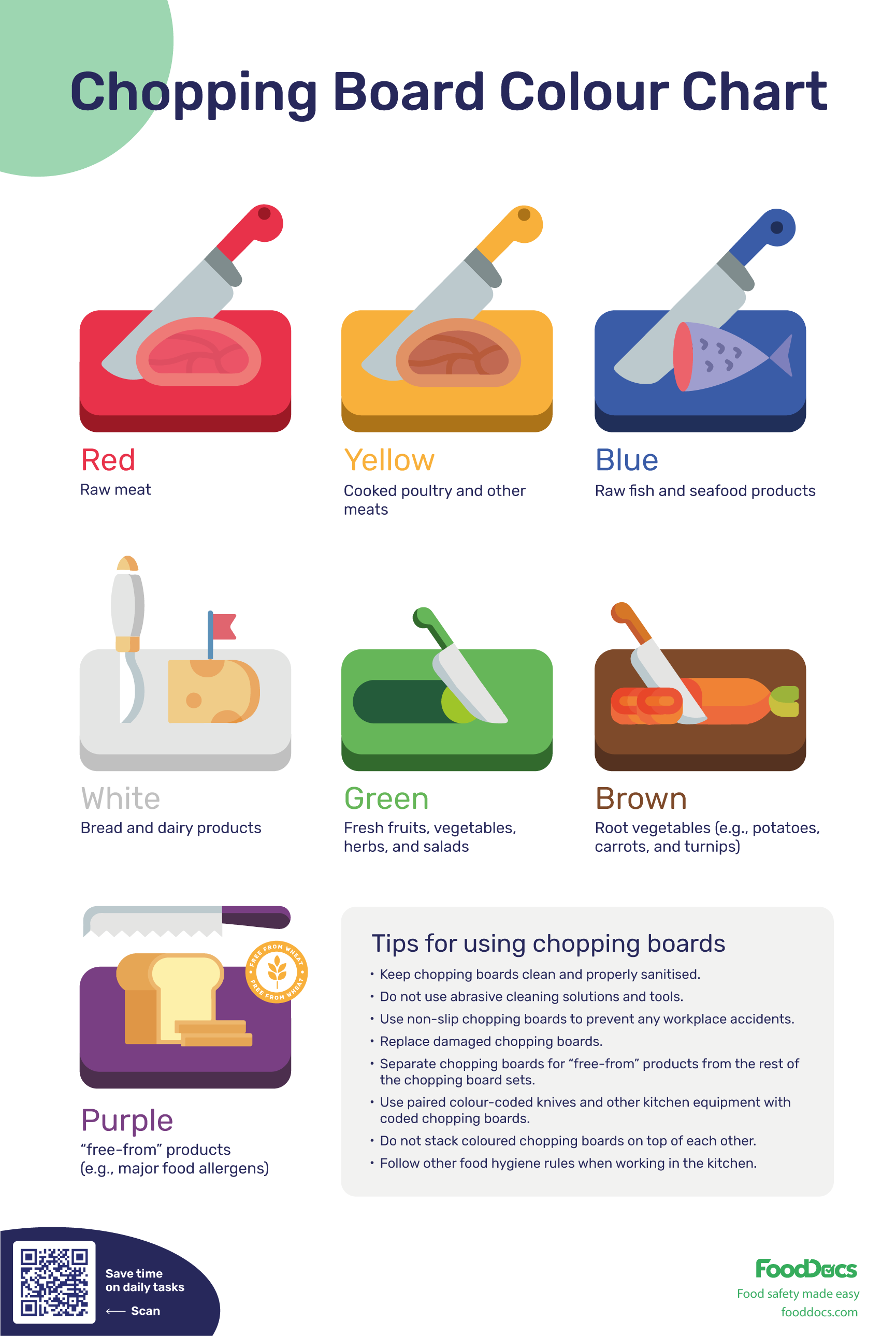
Credit: www.fooddocs.com
Types Of Cutting Boards
Cutting boards come in different materials. Each type needs special care after cutting raw meat.
Knowing how to clean each kind helps keep your kitchen safe and your boards lasting longer.
Wooden Boards
Wooden cutting boards are strong and gentle on knives. They absorb less bacteria when cleaned well.
Use hot water and soap to scrub the board. Rinse and dry it right away to stop bacteria growth.
- Do not soak wooden boards in water
- Use vinegar or lemon to remove odors
- Oil boards regularly to prevent cracking
Plastic Boards
Plastic boards are easy to clean and dishwasher safe. They are good for raw meat because they do not absorb liquids.
Scrub with hot soapy water after use. You can also use a bleach solution for deep cleaning.
- Use different colors for meat and vegetables
- Replace boards with deep cuts or grooves
- Dry completely before storing
Bamboo Boards
Bamboo boards are eco-friendly and hard. They are less porous than wood but need careful cleaning.
Wash with warm water and mild soap. Avoid soaking to prevent warping and cracking.
- Use a soft brush for cleaning
- Dry board upright to air out
- Apply mineral oil to keep bamboo healthy
Glass Boards
Glass cutting boards are very easy to clean and do not hold bacteria. They do not get stains or odors.
Use hot water and soap or a dishwasher. Be careful as glass boards can dull knives and break.
- Use for cutting fruits or cooked foods
- Do not use if broken or chipped
- Store safely to avoid drops

Credit: www.woodcuttingboardstore.com
Immediate Cleaning Steps
Cleaning cutting boards after using raw meat is very important. It helps stop germs from spreading.
Follow simple steps right after you finish cutting meat. This keeps your kitchen safe and clean.
Rinsing With Hot Water
Start by rinsing the cutting board with hot water. Hot water helps remove loose meat and juices.
Use running water and let it flow over the board for at least 30 seconds. This removes many germs.
Using Dish Soap
Apply a good amount of dish soap on the wet cutting board. Dish soap breaks down fats and germs.
Make sure to cover all areas. Soap helps clean better than water alone.
Scrubbing Techniques
Use a scrub brush or sponge to scrub the board well. Scrubbing removes stuck meat and bacteria.
- Scrub in circular motions to reach all spots
- Focus on cuts and grooves where germs hide
- Scrub both sides of the board for full cleaning
Disinfecting Methods
Cleaning cutting boards after raw meat use is very important. Proper disinfecting stops bacteria from spreading.
Here are safe and easy ways to disinfect your cutting boards at home.
Vinegar Solution
White vinegar is a natural disinfectant. It kills many types of bacteria on cutting boards.
Use undiluted white vinegar and spray it on the board. Let it sit for a few minutes before rinsing.
- Spray or pour vinegar on the board
- Let it sit for 5 minutes
- Rinse with hot water
- Dry the board completely
Bleach Solution
Bleach is a strong disinfectant that kills germs quickly. Use it carefully and in small amounts.
Mix one tablespoon of bleach with one gallon of water. Apply this solution to the cutting board and wait two minutes.
- Mix 1 tablespoon bleach with 1 gallon water
- Apply solution to the board
- Wait 2 minutes
- Rinse well with water
- Dry the board fully
Hydrogen Peroxide
Hydrogen peroxide kills bacteria and is safe for cutting boards. Use a 3% solution for disinfecting.
Pour or spray the hydrogen peroxide on the board and let it bubble for a few minutes. Then rinse and dry.
- Use 3% hydrogen peroxide
- Apply to the cutting board
- Let it bubble for 5 minutes
- Rinse with water
- Dry the board completely
Drying And Storage
Cleaning cutting boards after raw meat use is important for safety. Drying and storing them correctly helps prevent germs.
Proper drying stops moisture that can cause bacteria. Good storage keeps boards clean and ready to use.
Air Drying Vs. Towel Drying
Air drying is the best way to let cutting boards dry fully. It stops bacteria from growing because the board stays dry.
Towel drying is faster but can leave moisture. Towels can carry germs if not clean. Use a clean towel if you choose this.
- Air drying takes longer but is safer.
- Towel drying is quick but needs a clean cloth.
- Air drying prevents moisture buildup.
- Towels may add bacteria if reused.
Proper Storage Techniques
Store cutting boards in a dry place after they dry. Keep them upright to allow air flow on all sides.
Avoid stacking boards when damp. This can trap moisture and cause mold or bacteria growth.
- Place boards in a rack or on edge to air out.
- Keep storage areas clean and dry.
- Do not store boards near sinks or wet areas.
- Check boards regularly for cracks or damage.
Preventing Cross-contamination
Cleaning cutting boards after using raw meat is very important. It helps stop harmful germs from spreading.
Cross-contamination can make food unsafe. Using the right cleaning and handling methods keeps your kitchen safe.
Using Separate Boards
Use different cutting boards for raw meat and other foods. This stops germs from moving to fruits and vegetables.
Plastic boards are easier to clean well after raw meat. Wood boards may hold bacteria if not cleaned properly.
- Use one board only for raw meat
- Use another board for vegetables and bread
- Wash boards with hot, soapy water after use
- Sanitize plastic boards with bleach solution or dishwasher
Labeling Boards
Label cutting boards to show their use. This helps everyone in the kitchen avoid mistakes.
Labels can be stickers or permanent markers. Make sure labels are clear and easy to read.
- Mark boards for raw meat only
- Label boards for vegetables or fruits
- Use color codes for quick identification
- Replace worn or unreadable labels
Maintenance And Replacement
Cleaning cutting boards after using raw meat is very important. Good care helps stop germs and keeps boards safe.
You need to check your boards often. Look for signs that show if you should fix or replace them.
Regular Inspection
Check your cutting boards every time before use. Look for deep cuts or cracks that can hide bacteria.
Also, watch for stains or smells that do not go away after cleaning. These signs mean the board is not clean.
- Look for deep grooves or cracks
- Check if the board smells bad
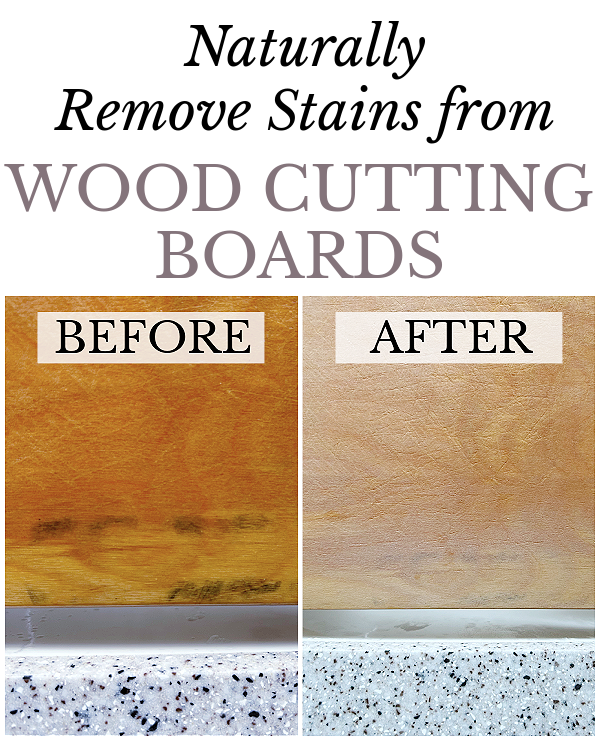
- Notice any discoloration or stains
- Feel if the surface is rough or worn
Signs To Replace
Replace your cutting board if it has big cracks. These cracks let bacteria grow inside.
If the board stays stained or smells even after cleaning, it is time to get a new one.
- Large cracks or deep cuts
- Permanent stains or odors
- Warped or split wood or plastic
- Surface worn down and hard to clean
Credit: www.lemonslavenderandlaundry.com
Frequently Asked Questions
How Do I Sanitize Cutting Boards After Raw Meat?
Use hot, soapy water to wash the board immediately. Then, apply a bleach solution or white vinegar to sanitize. Rinse thoroughly and let it air dry completely to prevent bacteria growth.
Can I Use The Dishwasher For Cutting Boards?
Yes, if your cutting board is dishwasher-safe. The high heat and detergent kill bacteria effectively. Wooden boards should be hand-washed to avoid warping.
How Often Should I Clean Cutting Boards After Use?
Clean cutting boards immediately after each use to prevent bacteria buildup. Proper cleaning after raw meat use is essential for food safety and hygiene.
What’s The Best Natural Cleaner For Cutting Boards?
White vinegar and lemon juice are excellent natural cleaners. They kill bacteria and remove odors safely. Use them after washing to disinfect your cutting board.
Conclusion
Cleaning cutting boards after raw meat use keeps your kitchen safe. Use hot, soapy water right away. Scrub all surfaces well to remove bacteria. Rinse with clean water and dry fully. Occasionally, use a vinegar or bleach solution for extra cleaning.
Avoid cross-contamination by using separate boards for meat and vegetables. Regular cleaning helps prevent foodborne illnesses. Safe habits protect you and your family. Simple steps make a big difference in kitchen hygiene. Keep your cutting boards clean and your meals healthy.
Easy to do, easy to remember.