
Your cutting board is more than just a kitchen tool—it’s where your meals begin. Keeping it in great shape not only makes your cooking easier but also protects your health.
If you want your cutting board to last longer, stay clean, and keep your food safe, you’re in the right place. These simple tips will help you maintain your cutting board like a pro, so you can focus on creating delicious dishes without worry.
Ready to learn how? Let’s dive in.
Choosing The Right Cutting Board
Choosing the right cutting board is important for food safety and tool durability. The right board makes cutting easier and keeps your knives sharp.
Consider material, size, and thickness before buying. These factors help you pick the best board for your kitchen.
Material Selection
Cutting boards come in different materials like wood, plastic, and bamboo. Each type has benefits and care needs.
Wood boards are gentle on knives and look nice. Plastic boards are easy to clean and dishwasher safe. Bamboo boards are hard and eco-friendly but need more care.
- Wood: Durable, easy on knives, needs oiling
- Plastic: Affordable, dishwasher safe, can get scratches
- Bamboo: Hard, eco-friendly, requires hand washing
Size And Thickness
Choose a cutting board size that fits your kitchen space and needs. Bigger boards give more room to work but need more storage space.
Thickness affects how stable the board is. Thicker boards resist warping and stay flat during use. Thin boards may slip or bend.
- Small boards: Easy to store, good for quick tasks
- Large boards: More space, better for big meals
- Thick boards: Stable and long-lasting
- Thin boards: Lightweight but less stable
Cleaning Techniques
Keeping your cutting board clean is important for safety and durability. Proper cleaning stops germs and keeps the board in good shape.
There are simple daily steps and deeper cleaning methods. Both help keep your board fresh and ready to use.
Daily Cleaning Routine
After each use, wash your cutting board with warm soapy water. Use a soft sponge or cloth to remove food bits.
Rinse well and dry the board with a clean towel. Stand it upright to air dry completely before storing.
- Wash with warm water and mild dish soap
- Use a soft sponge to avoid scratches
- Rinse thoroughly to remove soap
- Dry with a clean towel
- Store standing up to air dry
Deep Cleaning Methods
Deep cleaning removes stains and bacteria that daily washing misses. Use these methods once a week or after heavy use.
Apply natural cleaners like vinegar or lemon juice. Let it sit, then scrub and rinse well to refresh your board.
- Sprinkle coarse salt over the board
- Rub with a lemon half to clean and deodorize
- Let vinegar sit for a few minutes, then rinse
- Use baking soda paste for tough stains
- Wipe dry and apply mineral oil to protect
Preventing Odors And Stains
Cutting boards often absorb smells and stains from food. Keeping them clean helps your kitchen stay fresh.
Simple care tips can stop bad odors and marks from forming on your board.
Natural Odor Neutralizers
Using natural ingredients can remove smells from your cutting board. These are safe and easy to find.
Lemon and baking soda work well to freshen your board after use.
- Rub lemon juice over the board and let it sit for five minutes.
- Sprinkle baking soda, scrub lightly, then rinse with warm water.
- White vinegar can also help kill odor-causing bacteria.
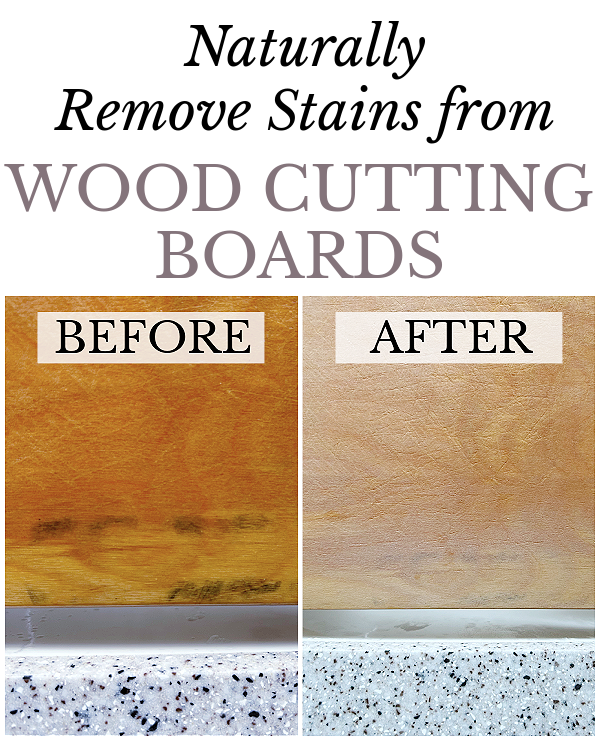
Stain Removal Tips
Stains happen when juices from fruits or vegetables soak into the board. Clean stains quickly to avoid permanent marks.
Salt and lemon help lift stains without harming the board.
- Cover the stain with salt and squeeze lemon juice on top.
- Scrub gently in a circular motion using the lemon rind.
- Let it rest for a few minutes, then rinse with warm water.
- For tough stains, repeat the process as needed.

Credit: homewithgraceandjoy.com
Regular Maintenance Practices
Keeping a cutting board in good shape needs regular care. This helps it last longer and stay safe for food use.
Simple routines can stop damage and keep the wood strong and clean. Let’s look at some key tips for maintenance.
Oiling And Conditioning
Oiling your cutting board stops the wood from drying out and cracking. Use food-safe mineral oil or special cutting board oil.
Apply oil evenly with a clean cloth. Let it soak in for a few hours or overnight. Wipe off any extra oil before use.
- Oil your board once a month or when it looks dry
- Use only oils safe for food contact
- Conditioning keeps the board water-resistant and clean
Repairing Scratches
Scratches on your cutting board can trap bacteria and damage the surface. Fix them to keep the board safe and smooth.
Light scratches can be sanded gently with fine sandpaper. After sanding, clean the board and apply oil to protect it.
- Sand scratches with 220-grit sandpaper or finer
- Clean dust off before oiling
- Repeat oiling after sanding to restore moisture
Storage Solutions
Keeping your cutting board in the right place helps it last longer. Proper storage stops damage and keeps it clean.
Good storage also prevents germs from growing. It is important to find a dry and well-ventilated spot.
Proper Drying
Always dry your cutting board after washing. Use a clean towel or air dry it standing up.
Wet boards can grow mold or bacteria. Drying well keeps the wood safe and strong.
- Wipe off water with a clean cloth
- Place the board upright for air flow
- Do not stack boards while wet
- Allow full drying before storing away
Avoiding Warping
Warping makes your board bend or crack. It happens from too much moisture or heat.
Store boards flat or on their side in a cool dry place. Keep them away from direct sunlight or stoves.
- Do not leave boards soaking in water
- Keep away from hot appliances
- Store flat or upright with space around it
- Oil the board regularly to keep wood healthy
Safety Considerations
Keeping your cutting board safe helps stop germs from spreading. It is important to clean and use cutting boards the right way.
Good safety habits protect your food and your health. Learn how to avoid dangers in the kitchen.
Cross-contamination Prevention
Cross-contamination happens when germs move from one food to another. This can make you sick.
Use different cutting boards for raw meat, vegetables, and cooked food. Clean boards well after each use.
- Label boards by type of food
- Wash boards with hot soapy water
- Sanitize boards to kill bacteria
- Replace boards if deeply cut or worn
Safe Handling Tips
Handle cutting boards carefully to keep food safe. Store them in a clean, dry place.
Dry boards after washing to stop bacteria growth. Avoid leaving wet boards in the sink or on the counter.
- Use a clean towel or air dry boards
- Check boards for cracks or deep grooves
- Oil wooden boards to prevent drying out
- Do not cut on worn or damaged boards
Eco-friendly Care Options
Taking care of your cutting board in an eco-friendly way helps the planet. Simple steps can keep your board clean and safe.
Using natural products and proper disposal methods reduce waste and harmful chemicals in the environment.
Sustainable Cleaning Products
Choose cleaning products made from natural ingredients. These are gentle on wood and safe for the environment.
Avoid harsh chemicals that can harm your cutting board and pollute water. Use items like vinegar, baking soda, and lemon.
- White vinegar kills germs without chemicals
- Baking soda removes stains and odors
- Lemon juice acts as a natural bleach and freshener
- Castile soap cleans without synthetic ingredients
Environmentally Safe Disposal
When your cutting board is old, dispose of it in a way that helps the earth. Avoid throwing it in the trash.
Wooden boards can be composted or repurposed. This reduces waste and supports a healthier environment.
- Break wooden boards into small pieces for compost
- Use old boards as garden mulch or plant markers
- Recycle plastic boards if your local center accepts them
- Donate usable boards to community centers or shelters
Credit: www.lemonslavenderandlaundry.com
Credit: hexclad.com
Frequently Asked Questions
How Often Should I Oil My Cutting Board?
Oiling your cutting board once a month keeps it hydrated and prevents cracking. Use food-grade mineral oil for best results. Regular oiling extends the board’s lifespan and maintains its smooth surface. Avoid vegetable oils as they can go rancid.
What Is The Best Way To Clean A Cutting Board?
Clean your cutting board with hot, soapy water immediately after use. Avoid soaking or dishwasher cleaning, as water damages wood boards. For deep cleaning, use a mixture of vinegar and water or sprinkle coarse salt and scrub with lemon.
How Can I Prevent Bacteria On My Cutting Board?
To prevent bacteria, always clean the board thoroughly after each use. Use separate boards for raw meat and vegetables to avoid cross-contamination. Regularly sanitize with diluted bleach or vinegar solution and ensure the board dries completely before storage.
Should I Use Plastic Or Wooden Cutting Boards?
Wooden boards are durable, self-healing, and naturally antimicrobial, ideal for most kitchen tasks. Plastic boards are easier to sanitize and dishwasher safe but may scar easily. Choose based on your cleaning preference and food preparation needs.
Conclusion
Taking care of your cutting board keeps it strong and safe. Clean it well after each use to stop germs. Oil wooden boards often to avoid cracks and dryness. Avoid soaking boards in water to keep them from warping. Use different boards for meat and veggies to stop germs spreading.
Small habits make a big difference in board life. Keep these tips in mind for a fresh, long-lasting cutting board. Simple care means better food and less waste.