
Are you ready to transform your kitchen into a space that is both stylish and super functional? Designing a modular kitchen layout can make cooking easier, save you time, and even boost your home’s value.
But where do you start? This guide will walk you through simple steps to create a kitchen that fits your lifestyle perfectly. By the end, you’ll have the confidence to plan a layout that works for you—making every meal prep a joy rather than a chore.
Keep reading, and discover how to design a modular kitchen that truly feels like yours.

Credit: www.designcafe.com
Assessing Kitchen Space
Designing a modular kitchen starts with knowing your kitchen space. This helps create a layout that fits well and works smoothly.
Careful assessment avoids mistakes and saves time and money later. It also ensures your kitchen looks neat and feels comfortable.
Measuring Dimensions
Measure the length, width, and height of your kitchen. Use a tape measure for accuracy. Write down each number clearly.
Include windows, doors, and openings in your measurements. These affect where cabinets and appliances can go.
- Measure walls from corner to corner
- Note ceiling height and any slopes
- Mark positions of doors and windows
- Include space for vents and pipes
Identifying Structural Constraints
Check for fixed elements like beams, columns, and pipes. These cannot be moved and limit kitchen layout options.
Look for electrical outlets and water supply points. Their position affects where you place appliances and sinks.
- Locate load-bearing walls that cannot change
- Note plumbing and gas lines
- Find electrical sockets and switches
- Identify ventilation ducts and chimneys

Credit: www.designcafe.com
Choosing A Layout Style
Designing a modular kitchen starts with picking the right layout. The layout affects how you move and work in the kitchen.
There are several popular styles. Each style fits different kitchen sizes and shapes. Choose one that suits your space and needs.
Galley Kitchen
The galley kitchen has two parallel walls with cabinets and appliances. It is a narrow space-saving design.
This layout works well in small homes. It allows for easy movement between cooking tasks.
- Efficient use of space
- Easy to organize cooking zones
- Limited room for more than two people
L-shaped Design
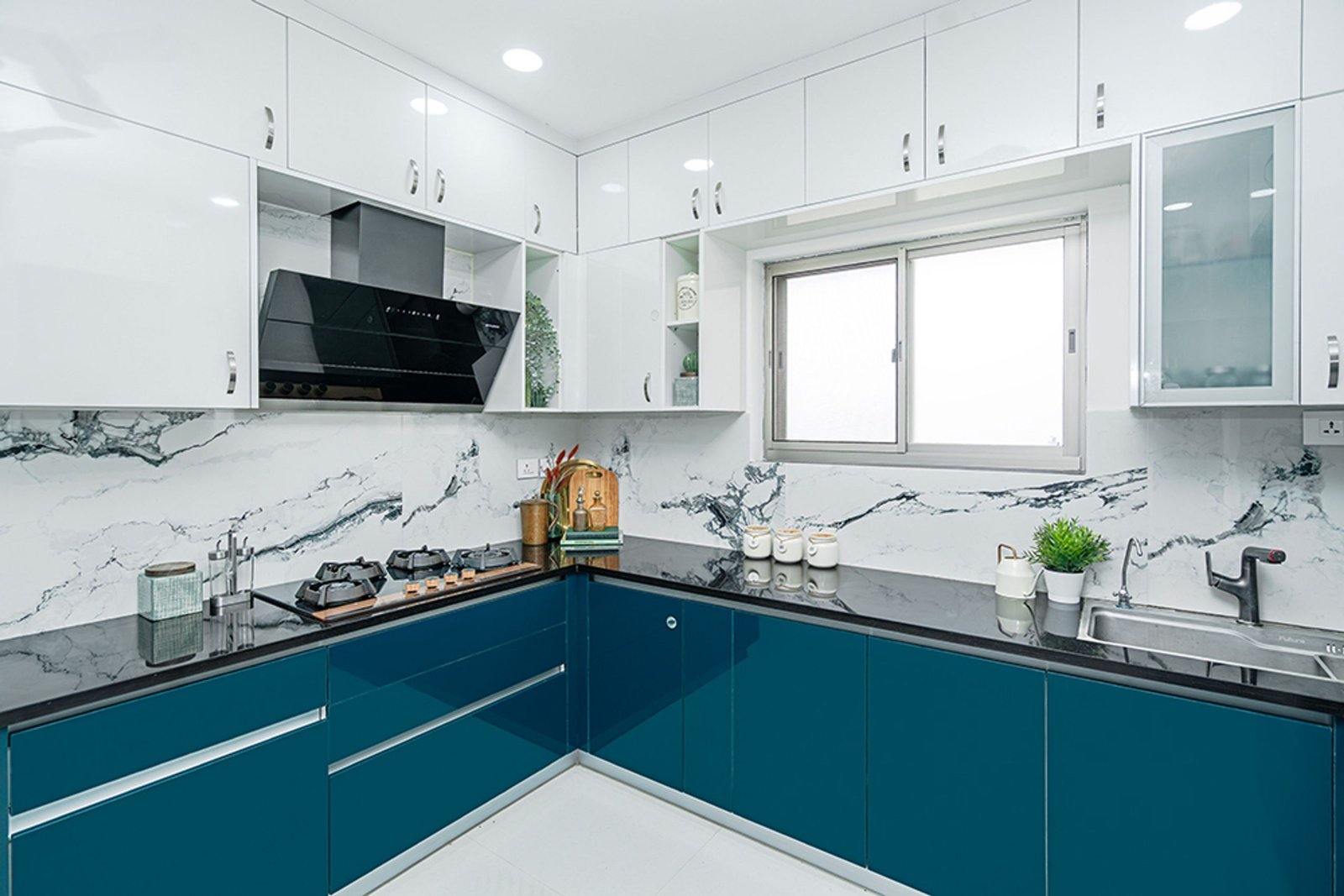
The L-shaped kitchen uses two connected walls forming a right angle. This design opens up the room.
It offers more counter space and allows for multiple cooks. It works well in medium to large rooms.
- Good for open floor plans
- Allows space for a dining area
- Flexible for adding an island
U-shaped Configuration
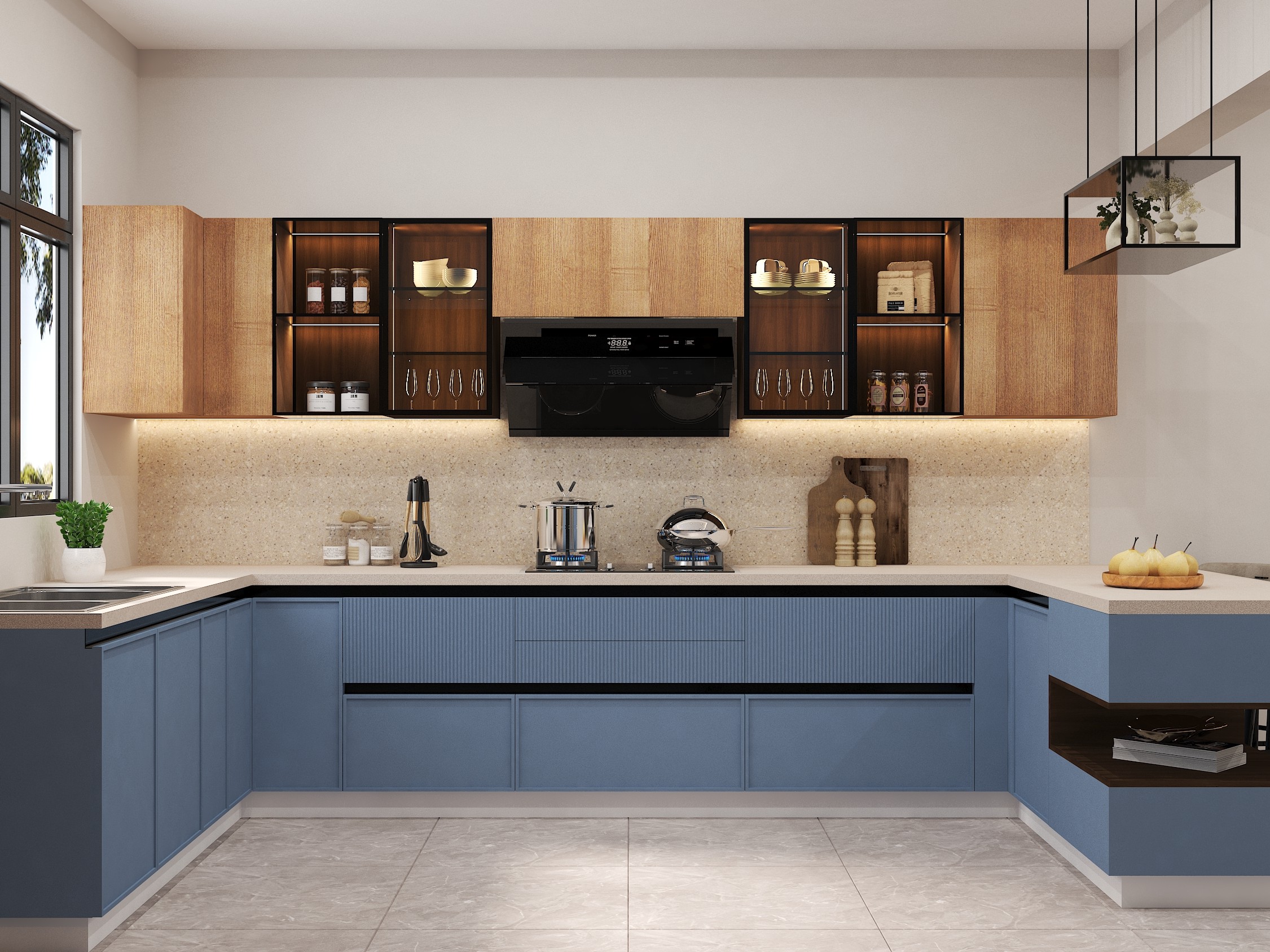
The U-shaped kitchen has three connected walls of cabinets. It provides plenty of storage and work area.
This layout suits large kitchens. It keeps everything within easy reach and supports multiple users.
- Maximizes cabinet space
- Clear work zones for cooking and cleaning
- May feel enclosed in small spaces
Island Setup
An island is a freestanding counter in the kitchen center. It adds extra workspace and storage.
Islands work best in large kitchens. They create a social space and make cooking more fun.
- Extra seating and dining space
- Additional sinks or cooktops possible
- Needs enough room to move around
Maximizing Storage Solutions
Designing a modular kitchen layout means using space smartly. Storage is key to keep your kitchen tidy and easy to use.
Good storage lets you store more items without clutter. It also makes everything easy to find and reach.
Cabinet Innovations
Modern cabinets come with smart features to increase space. You can add extra shelves or hidden compartments.
Soft-close doors and drawers prevent noise and damage. Cabinets with glass doors show off your nice dishes.
- Adjustable shelves fit different item sizes
- Corner cabinets use rotating carousels for easy access
- Built-in dividers keep utensils organized
Pull-out Shelves
Pull-out shelves slide out fully to show all items. This saves bending and digging in deep cabinets.
They work well for pots, pans, and pantry goods. Some shelves have built-in racks for plates or spices.
- Easy to reach items at the back
- Use space inside cabinets efficiently
- Reduce clutter by seeing everything clearly
Vertical Storage
Vertical storage uses the height of your kitchen. It frees up counter and floor space.
Install tall cabinets or wall-mounted racks. Use hooks or magnetic strips for knives and tools.
- Store cutting boards and trays upright
- Hang mugs and utensils on wall racks
- Use tall pantry shelves for cans and jars
Credit: www.beautifulhomes.asianpaints.com
Selecting Materials And Finishes
Choosing the right materials and finishes shapes your kitchen’s look and feel. It also impacts durability and ease of cleaning.
Good materials can make your kitchen last for years. Think about how each material fits your daily needs and style.
Durable Countertops
Countertops get heavy use, so pick materials that resist scratches and stains. Durability keeps them looking nice over time.
Popular choices include granite, quartz, and laminate. Each offers different looks and strength levels.
- Granite:Natural stone, heat resistant, and very strong.
- Quartz:Engineered stone, non-porous, easy to clean.
- Laminate:Budget-friendly, comes in many colors and patterns.
- Marble:Elegant but softer and more prone to stains.
Cabinet Materials
Cabinets form the structure of your kitchen. Choose materials that hold up well in humid and busy spaces.
Wood and engineered wood are common. They offer good strength and style options.
- Solid wood:Strong and classic, but can be expensive.
- Plywood:Durable and less likely to warp than MDF.
- MDF:Smooth surface, good for painting, budget-friendly.
- Particleboard:Cheapest option, less durable.
Flooring Options
Flooring must resist spills and wear. It should also feel comfortable underfoot and match your kitchen style.
Tiles, vinyl, and hardwood are popular choices. Each has benefits for kitchen use.
- Ceramic tiles:Water-resistant, easy to clean, many styles.
- Vinyl flooring:Soft, affordable, and water-resistant.
- Hardwood:Warm look, durable if sealed properly.
- Laminates:Looks like wood, affordable, but less water-resistant.
Incorporating Appliances Efficiently
Designing a modular kitchen means using appliances in smart ways. Good appliance placement saves space and makes cooking easier.
Think about how you use each appliance. This helps you plan their positions and keep your kitchen neat.
Built-in Units
Built-in appliances fit into cabinets for a clean look. They save floor space and make your kitchen look modern.
Examples include ovens, microwaves, and dishwashers. These units keep counters clear and improve workflow.
- Use built-in ovens at eye level for easy access
- Place microwaves inside cabinets to free counter space
- Install dishwashers under counters near the sink
Energy-efficient Choices
Choose appliances with energy-saving labels. They reduce electricity use and lower bills.
Look for refrigerators, ovens, and dishwashers with high energy ratings. These models use less power but work well.
- Energy Star certified appliances save energy
- LED lighting inside appliances reduces power use
- Smart appliances adjust settings to save energy
Space-saving Appliances
Small kitchens need compact appliances. These save room without losing function.
Look for slim refrigerators, stackable washers, or cooktops with multiple burners. They fit well in tight spaces.
- Choose narrow refrigerators for limited space
- Use induction cooktops that are flat and thin
- Pick combo microwave-oven units to save space
Lighting And Ventilation
Good lighting and ventilation make a kitchen safe and pleasant. They help you work better and keep air fresh.
In a modular kitchen, planning these elements carefully improves comfort and style.
Task Lighting
Task lighting focuses on areas where you cook and prepare food. It makes these spots bright and easy to see.
Use LED strips under cabinets or small spotlights above the countertop. This reduces shadows on work surfaces.
- Install lights under wall cabinets
- Use adjustable spotlights for flexibility
- Choose bright, cool white bulbs
- Ensure even light on cutting and cooking areas
Ambient Illumination
Ambient lighting sets the overall mood of the kitchen. It fills the space with soft, even light.
Use ceiling lights or pendant lamps to create a warm and welcoming environment. This helps with general visibility.
- Choose ceiling-mounted LED panels or flush lights
- Use dimmers to control light levels
- Add pendant lights over islands or dining areas
- Pick warm white bulbs for a cozy feel
Ventilation Solutions
Proper ventilation removes smoke, odors, and heat. It keeps the kitchen air clean and fresh.
Use a chimney or exhaust fan above the stove to pull out cooking fumes. Good airflow prevents moisture build-up.
- Install a range hood or chimney over the cooking area
- Use an exhaust fan with enough power for kitchen size
- Include windows or vents for natural air circulation
- Keep ventilation units clean for best performance
Ergonomic Design Principles
Designing a modular kitchen with ergonomic principles makes cooking easy and safe. It helps reduce strain and saves time during meal preparation.
Good ergonomics means placing items where they are easy to reach and use. This creates a comfortable and efficient kitchen space.
Work Triangle Concept
The work triangle links the sink, stove, and refrigerator. These three spots should be close but not crowded. It helps you move smoothly while cooking.
A good work triangle saves steps and reduces bending or stretching. It keeps your kitchen workflow natural and fast.
- Keep each side of the triangle between 4 and 9 feet
- Triangle total perimeter should be 13 to 26 feet
- Avoid obstacles in the triangle path
- Place the stove, sink, and fridge within easy reach
Countertop Heights
Countertop height affects your comfort when cooking or cleaning. The right height reduces back pain and wrist strain.
Standard countertop height is about 36 inches. You can adjust it based on your height or kitchen tasks.
| Task | Recommended Height |
|---|---|
| General cooking | 34-36 inches |
| Chopping and prep | 36-38 inches |
| Baking (with rolling dough) | 36-40 inches |
| Cleaning and washing | 33-36 inches |
Accessible Storage
Storage should be easy to reach without bending or stretching. Place everyday items at waist or eye level.
Use pull-out shelves and drawers for better access. Keep heavy items low and light items higher.
- Store pots and pans near the stove
- Keep utensils in drawers close to prep areas
- Use corner cabinets with rotating shelves
- Place rarely used items on high shelves
Personalizing Your Space
Designing a modular kitchen lets you create a space that fits your style. You can make it look unique and work well for your needs.
Personal touches make your kitchen inviting and practical. Small changes can add big value to your daily cooking experience.
Color Schemes
Colors set the mood in your kitchen. Choose shades that make you feel happy and relaxed.
Use light colors to make the space look bigger. Dark colors can add a cozy feel.
- White or cream for a clean, bright look
- Soft pastels for a calm, fresh vibe
- Bold colors for an energetic, modern style
- Neutral tones to keep it simple and elegant
Decorative Elements
Decorations show your personality in the kitchen. Choose items that reflect your taste and hobbies.
Small decorations can add charm without cluttering the space. Mix textures and shapes for interest.
- Wall art or framed prints
- Colorful kitchen towels and mats
- Unique cabinet handles and knobs
- Indoor plants for fresh air and color
Functional Additions
Adding useful features makes your kitchen easier to use. Think about what helps you cook faster and stay organized.
Choose tools and storage that fit your habits. This makes cooking more fun and less stressful.
- Pull-out shelves for easy access
- Built-in spice racks to save space
- Under-cabinet lighting for better visibility
- Multi-use islands with storage and seating
Frequently Asked Questions
What Is A Modular Kitchen Layout?
A modular kitchen layout is a pre-designed kitchen setup made of standardized units. It offers flexibility, efficient space use, and easy customization. These layouts simplify cooking by organizing appliances, cabinets, and workspaces systematically, enhancing kitchen functionality and aesthetics.
How To Choose The Best Modular Kitchen Layout?
Choose a layout based on kitchen size, shape, and workflow needs. Popular options include L-shape, U-shape, and parallel layouts. Consider storage, countertop space, and movement flow to maximize efficiency and comfort in your cooking area.
What Materials Are Best For Modular Kitchen Cabinets?
Popular materials include plywood, MDF, and particleboard with laminate or veneer finishes. These materials balance durability, cost, and aesthetics. Choose moisture-resistant options to ensure longevity and easy maintenance in the kitchen environment.
How Much Does A Modular Kitchen Layout Cost?
Cost depends on size, materials, and customization level. On average, modular kitchens range from $2,000 to $15,000. Budget for cabinets, countertops, appliances, and installation to get a complete and functional kitchen setup.
Conclusion
Designing a modular kitchen layout makes cooking easier and more fun. It saves space and keeps your kitchen neat. Choose the right cabinets, shelves, and appliances for your needs. Plan the layout to fit your room size and style. Small changes can create a big difference.
A good design helps you move smoothly while cooking. Think about storage, lighting, and easy cleaning. Your kitchen should feel comfortable and work well every day. Start simple, then add features as you go. This way, your kitchen will grow with you.