
Your fridge is more than just a place to store food—it’s a key player in keeping your meals fresh and safe. But have you ever stopped to think about how clean your fridge really is?
A dirty fridge can hide bacteria, cause unpleasant odors, and even spoil your food faster. By following simple tips for maintaining hygiene in your fridge, you can protect your health and save money. Ready to discover easy and effective ways to keep your fridge spotless?
Let’s dive in and transform your fridge into a clean, fresh, and safe food haven.
Fridge Organization Essentials
Keeping your fridge clean and organized helps maintain good hygiene. It also keeps your food fresh longer. A well-organized fridge makes it easy to find what you need.
Simple habits can improve your fridge’s cleanliness. Organizing food items properly prevents spills and cross-contamination.
Categorize Food Items
Group similar foods together in your fridge. This keeps everything neat and easy to find. It also prevents strong smells from spreading between foods.
- Place dairy products in one section
- Keep raw meat separate to avoid contamination
- Store fruits and vegetables in designated drawers
- Keep leftovers in one area to use quickly
Use Clear Containers
Clear containers help you see what is inside without opening them. This reduces fridge clutter and food waste. It also keeps food sealed and fresh.
- Choose containers that stack easily
- Use airtight lids to keep food fresh
- Wash containers regularly to avoid odors
Label And Date Products
Labeling and dating your food helps you track freshness. You know when to eat or throw out items. This reduces waste and keeps your fridge clean.
- Write the date on leftovers and opened packages
- Use waterproof labels or masking tape
- Check labels weekly and remove expired items
Cleaning Schedule
Keeping your fridge clean helps stop bad smells and germs. A good cleaning schedule keeps food safe and fresh.
Follow simple steps each week, month, and season to maintain fridge hygiene. This makes cleaning easy and effective.
Weekly Wipe Down
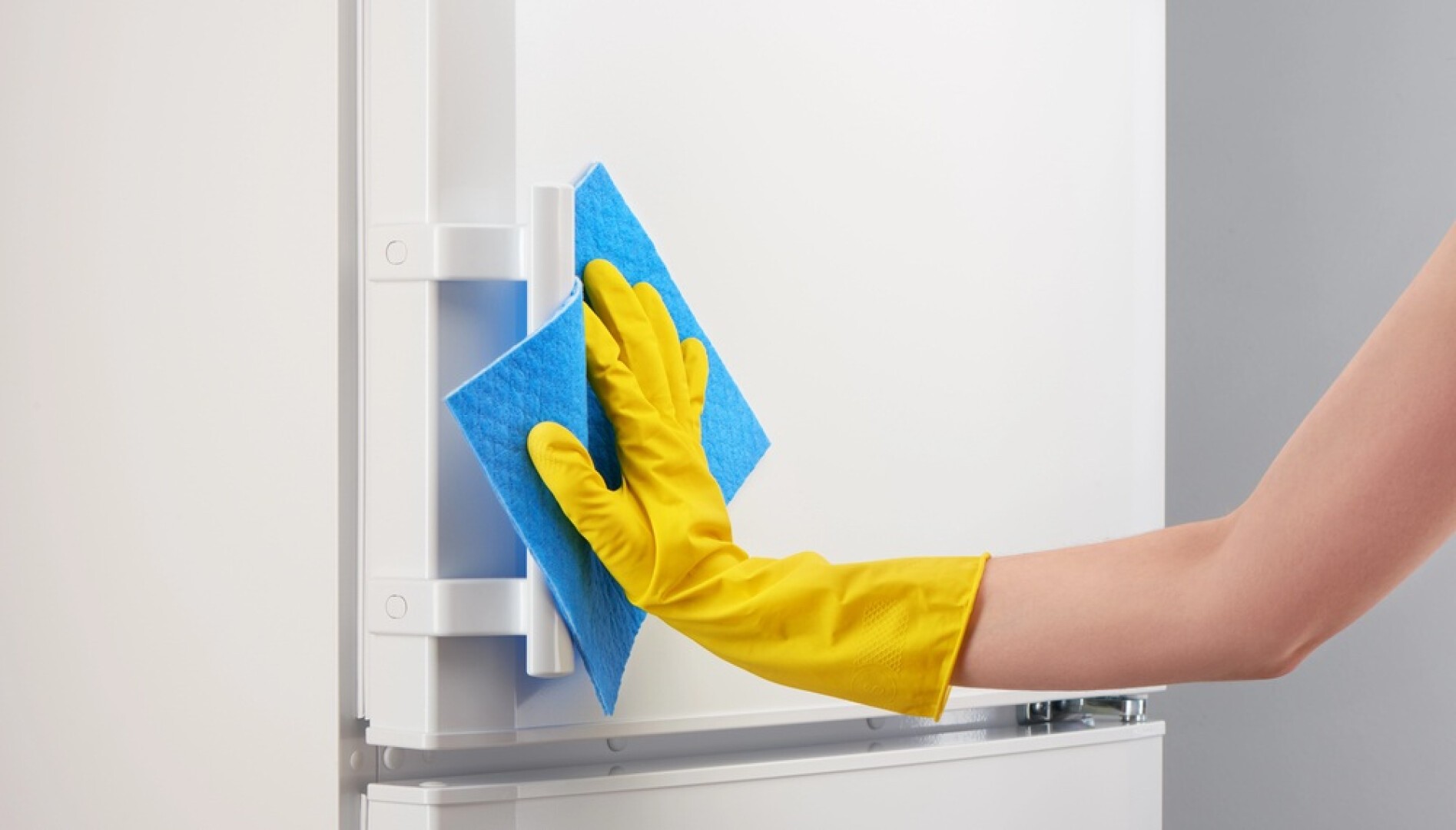
Wipe the fridge shelves and door seals every week. Use a damp cloth with mild soap to remove spills and crumbs.
Check for expired food and throw it away. This keeps the fridge clean and prevents bad smells.
- Remove small spills immediately
- Clean door handles and seals
- Check and discard expired items
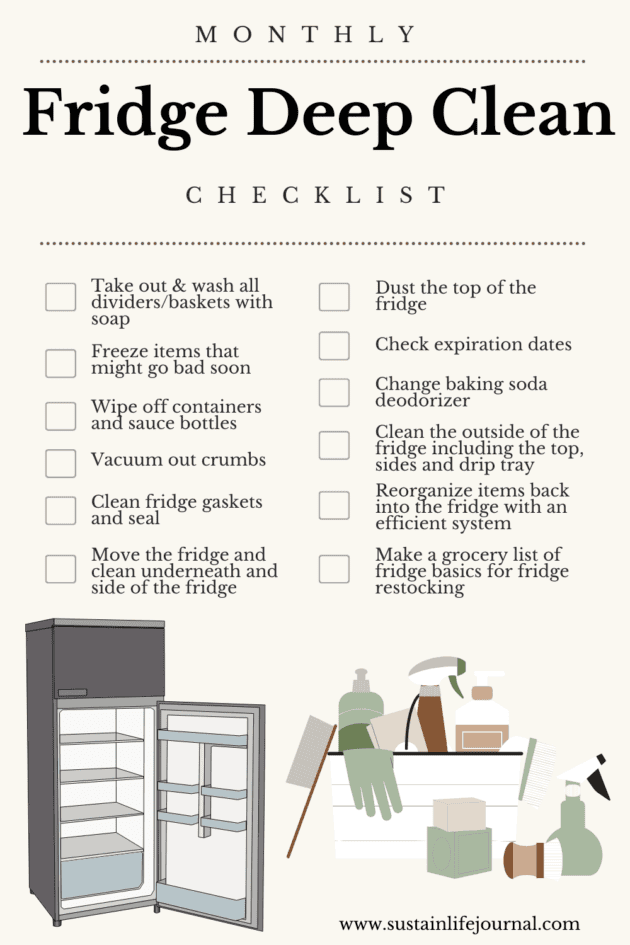
Monthly Deep Clean
Take out all food once a month for a deep clean. Remove shelves and drawers to wash them well with warm, soapy water.
Clean the fridge walls and floor inside. Use a mix of water and baking soda for a fresh, natural clean.
- Empty the fridge completely
- Wash removable parts in warm water
- Clean inside walls with baking soda mix
- Dry all parts before placing back
Seasonal Maintenance
Every season, check the fridge for any damage or worn parts. Clean the coils at the back or bottom to keep it working well.
Defrost manually if your fridge does not have automatic defrost. This saves energy and helps keep food safe.
- Inspect door seals for cracks
- Clean fridge coils carefully
- Defrost if needed
- Check temperature settings
Natural Cleaning Solutions
Keeping your fridge clean is important for food safety and freshness. Using natural cleaning solutions helps avoid chemicals.
These solutions are easy to make and safe for your family and the environment.
Vinegar And Water Mixture
Mix equal parts white vinegar and water in a spray bottle. This mixture cleans and disinfects surfaces well.
Spray inside the fridge and wipe with a clean cloth. Vinegar removes odors and kills bacteria.
Baking Soda Paste
Mix baking soda with a little water to form a paste. Use this paste to scrub tough stains inside the fridge.
Baking soda is gentle but effective. It removes grime and neutralizes bad smells.
Lemon Freshness Booster
Use lemon juice to add a fresh scent and clean surfaces. Lemon is a natural disinfectant and deodorizer.
Wipe the fridge with lemon juice or place lemon slices inside to keep the air fresh.
Odor Control Techniques
Keeping your fridge smelling fresh is important for a clean kitchen. Bad odors come from spoiled food and spills.
Using simple odor control techniques helps maintain a pleasant fridge environment. These methods absorb smells and keep air fresh.
Activated Charcoal Placement
Activated charcoal is very effective at trapping bad smells. It works by absorbing odors from the air inside the fridge.
Place a small container of activated charcoal on a fridge shelf. Replace it every few months for best results.
Baking Soda Absorber
Baking soda is a natural odor absorber. It neutralizes smells instead of just masking them.
Keep an open box of baking soda in the fridge. Change it every three months to keep it fresh and effective.
- Use plain baking soda, not baking powder
- Place it on a middle or upper shelf
- Close the box but keep it open enough for air flow
Regular Expiry Check
Old or expired food often causes bad fridge smells. Checking expiry dates helps prevent odor build-up.
Look through your fridge weekly. Throw away any food that is past its expiration date or looks spoiled.
- Check dairy, meat, and leftovers carefully
- Clean spills and crumbs immediately
- Keep foods in sealed containers to reduce odor
Preventing Cross-contamination
Keeping your fridge clean helps stop germs from spreading. Cross-contamination happens when bacteria move from one food to another. This can cause foodborne illnesses.
It is important to store foods properly and keep the fridge at the right temperature. These steps reduce the risk of contamination.
Separate Raw And Cooked Foods
Raw foods like meat and fish contain bacteria that can spread to cooked foods. Always store raw items below cooked or ready-to-eat foods. This stops drips from reaching other items.
Use different shelves or containers for raw and cooked foods. This keeps your food safe and fresh longer.
Use Air-tight Containers
Air-tight containers keep food fresh and stop smells from mixing. They also prevent bacteria from moving between foods. Use containers that close tightly and fit the food well.
- Choose containers made of glass or plastic
- Label containers with dates to track freshness
- Clean containers regularly to avoid germs
Regularly Check Temperature
Keep your fridge temperature at or below 40°F (4°C). This slows down bacteria growth. Use a fridge thermometer to check the temperature often.
If the fridge is too warm, adjust the settings or call a technician. Proper temperature control keeps food safe and extends shelf life.

Credit: sustainlifejournal.com
Shelving And Storage Tips
Keeping your fridge clean helps your food stay fresh longer. Shelving and storage play a big role in fridge hygiene.
Organizing shelves and using storage space well can stop spills and bad smells. It also makes cleaning easier.
Adjust Shelves For Space
Change shelf heights to fit tall or large items. This avoids crowding and helps air flow better.
Remove unused shelves or move them to create more room. This stops food from getting squished or damaged.
- Make space for big bottles or jars
- Keep frequently used items easy to reach
- Leave gaps for cold air to circulate
Use Door Space Wisely
The fridge door is warmer than other parts. Store items that do not spoil quickly here.
Keep condiments, sauces, and drinks in door shelves. Avoid putting milk or eggs here to keep them fresh longer.
- Place bottles and jars in door racks
- Use small containers for snacks
- Keep heavy items on lower door shelves
Keep Fruits And Vegetables Separate
Fruits and vegetables release gases that can make the other spoil faster. Store them in different drawers.
Use clear bins or boxes to keep them organized. This helps you find food quickly and reduces waste.
- Use one drawer for fruits only
- Use another drawer for vegetables
- Check and clean drawers regularly
Common Mistakes To Avoid
Keeping your fridge clean helps keep food fresh and safe. Many people make simple mistakes that cause odors and bacteria.
Learn what errors to avoid for better fridge hygiene and longer-lasting food.
Overloading The Fridge
Putting too many items in the fridge blocks air flow. This makes the fridge work harder and cool unevenly.
Food may spoil faster in crowded areas. It is best to leave space for cold air to move freely.
- Do not stuff the fridge completely full
- Keep gaps between items for air circulation
- Use storage bins to organize and save space
Ignoring Spills And Leaks
Spills and leaks create messes that attract bacteria. They also cause bad smells over time.
Clean spills immediately with a damp cloth. Check containers often for leaks or cracks.
- Wipe up juice or sauce spills right away
- Use sealed containers to prevent leaks
- Regularly inspect bottles and jars for damage
Not Rotating Stock
Using old food last helps prevent waste. Many forget to rotate stock properly in the fridge.
Place new groceries behind older items. This way, you use older food first and avoid spoilage.
- Put new items at the back or bottom
- Bring older items to the front or top
- Check expiry dates regularly and discard old food
Credit: www.iba-tradefair.com
Credit: www.lemon8-app.com
Frequently Asked Questions
How Often Should I Clean My Fridge For Hygiene?
Clean your fridge every 3 to 4 months to prevent bacteria buildup. Wipe spills immediately to avoid odors and contamination. Regular cleaning keeps food fresh and safe to eat.
What Are The Best Cleaning Agents For Fridge Hygiene?
Use mild soap, baking soda, or vinegar mixed with water to clean your fridge. Avoid harsh chemicals that can damage surfaces or leave harmful residues. These agents effectively remove stains and odors.
How Can I Prevent Bad Odors In My Fridge?
Store food in sealed containers and regularly discard expired items. Place an open box of baking soda inside to absorb odors. Keep your fridge temperature below 40°F to inhibit bacterial growth.
Why Is Organizing Food Important For Fridge Hygiene?
Proper organization prevents cross-contamination and helps maintain consistent temperature. Store raw meat separately from ready-to-eat foods. Clear arrangement makes cleaning easier and reduces food waste.
Conclusion
Keeping your fridge clean helps your food stay fresh longer. Regularly wipe spills and check for expired items. Organize shelves to avoid clutter and cross-contamination. Use airtight containers to prevent odors and mess. A clean fridge saves money and protects your health.
Small efforts make a big difference. Start these habits today for a healthier kitchen.