
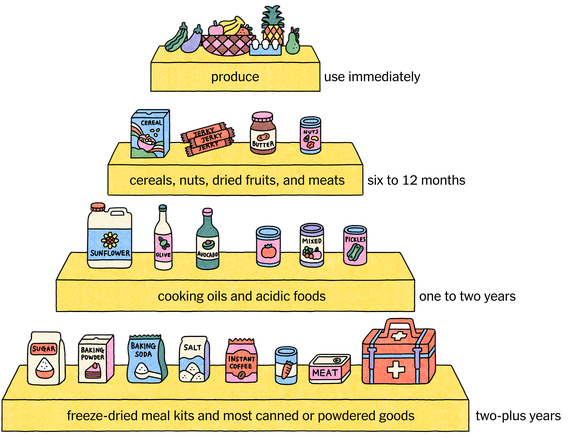
Are you tired of finding your dry goods spoiled or infested before you even get a chance to use them? Proper storage can save you money, keep your food fresh longer, and protect your health.
But how do you store dry goods so they stay safe and tasty? You’ll discover simple, practical tips that anyone can follow. By making a few easy changes, you’ll never worry about wasted food or unwanted pests again. Keep reading to learn how to protect your pantry and make your dry goods last.
;)
Credit: www.cookist.com
Choosing The Right Containers
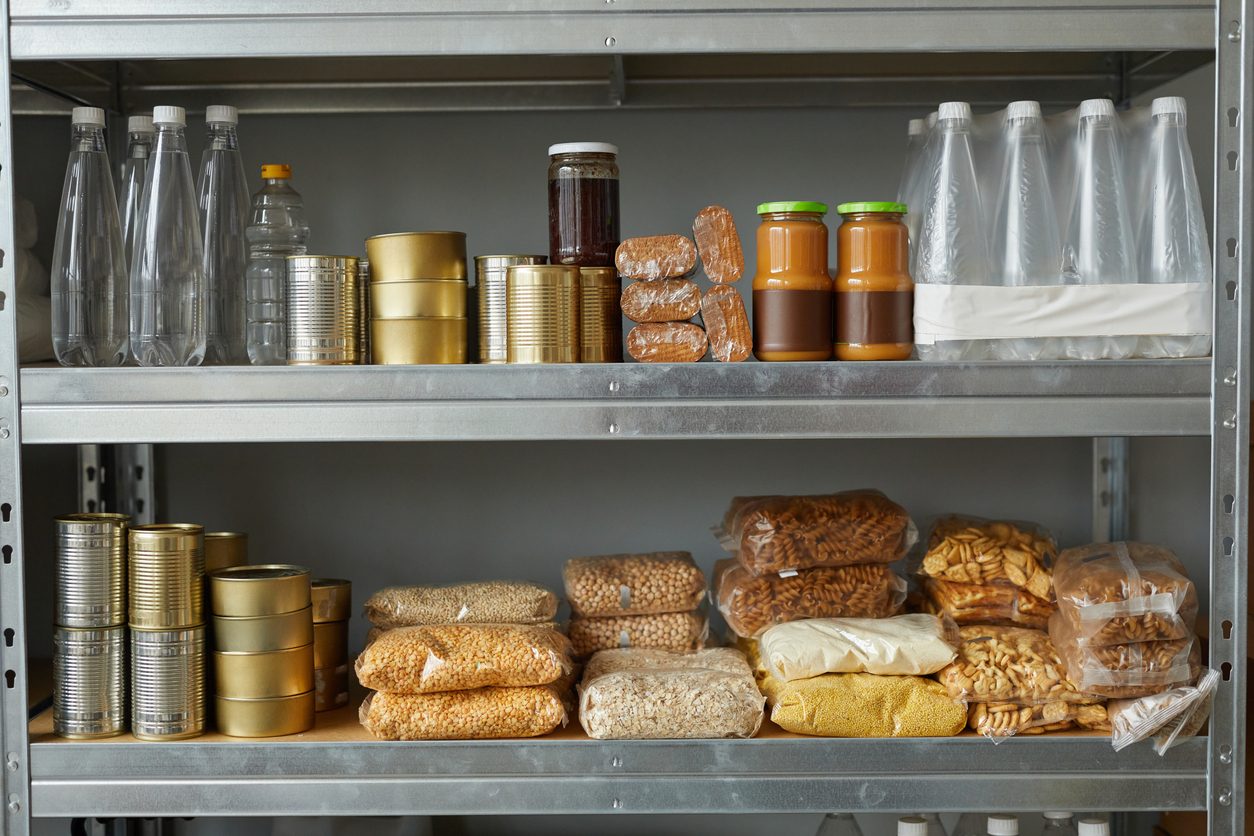
Storing dry goods properly keeps them fresh and safe. The right containers protect from moisture and pests.
Picking containers that fit your needs helps you organize your pantry better. It also extends the shelf life of your items.
Airtight Options
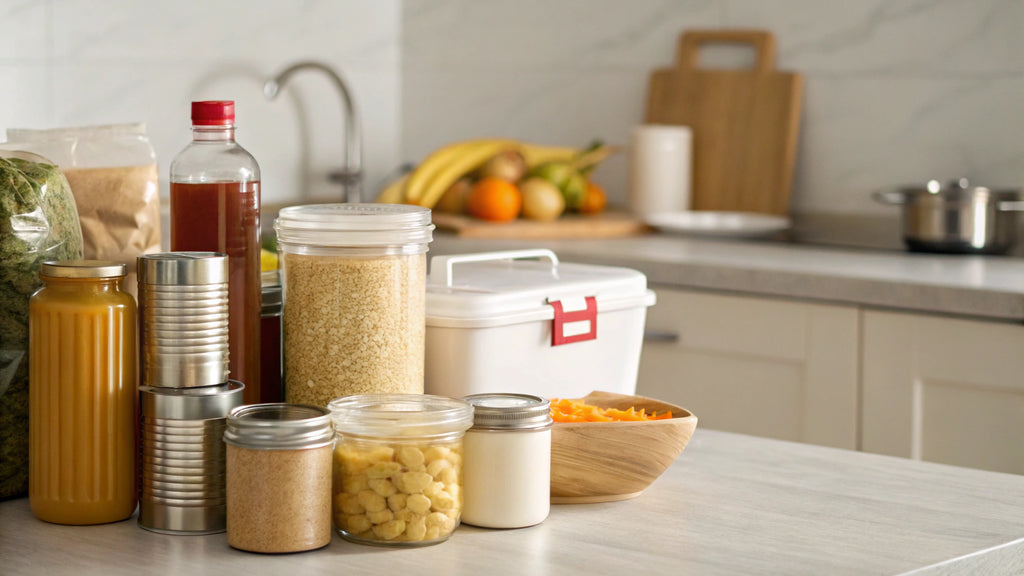
Airtight containers stop air and moisture from spoiling dry goods. They keep food fresh longer and prevent bugs.
Look for containers with tight seals. Snap-lock lids and rubber gaskets work well to keep air out.
- Glass jars with sealing lids
- Plastic containers with locking lids
- Metal tins with rubber seals
Material Considerations
Choose container materials that suit the type of dry goods you store. Some materials keep food safer and fresher.
Glass is non-porous and easy to clean. Plastic containers are lightweight and often airtight. Metal containers are durable and pest-resistant.
- Glass: Best for long-term storage and visibility
- Plastic: Good for lightweight and airtight needs
- Metal: Ideal for dry goods needing pest protection

Credit: www.houndsy.com
Optimal Storage Conditions
Storing dry goods properly keeps them fresh and safe. Good storage stops pests and spoilage.
Two main factors help keep dry goods safe: temperature control and humidity management.
Temperature Control
Keep dry goods in a cool place to slow spoilage. Avoid areas near heat sources or sunlight.
Stable temperatures prevent moisture buildup and pest problems. Aim for a temperature between 50°F and 70°F.
- Store dry goods away from ovens or heaters
- Use insulated containers for better temperature control
- Check storage areas regularly for temperature changes
Humidity Management
Dry goods need low humidity to stay fresh. High humidity causes mold and clumping.
Keep humidity levels below 60%. Use airtight containers to block moisture.
- Store goods in sealed jars or plastic containers
- Use moisture absorbers like silica gel packs
- Avoid storing dry goods near wet areas or sinks
Labeling And Organization
Storing dry goods safely helps keep food fresh and easy to find. Good labeling and organization save time and reduce waste.
Clear labels and smart storage systems make your pantry more efficient. They help you use food before it expires.
Effective Labeling Techniques
Label containers with the food name and date of storage. This helps track freshness and avoid confusion.
Use easy-to-read labels. Write with permanent markers or printed stickers for durability.
- Include expiration or purchase dates
- Use large fonts for quick reading
- Place labels on the container’s front
- Use waterproof labels to avoid smudging
Organizational Strategies
Group similar dry goods together for easy access. Keep grains, beans, and baking items in separate sections.
Use clear containers to see contents quickly. Stack containers to save space and keep the pantry tidy.
- Arrange items by frequency of use
- Keep heavy items on lower shelves
- Use bins or baskets for small packets
- Rotate stock to use older items first
Protecting Against Pests
Keeping dry goods safe from pests is important for food safety. Pests can spoil food and spread germs.
Using simple tips helps stop pests from getting into your stored dry goods.
Natural Deterrents
Natural deterrents help keep pests away without chemicals. They are safe and easy to use.
Common natural deterrents include herbs and spices that pests dislike.
- Bay leaves repel insects when placed in containers
- Cloves keep bugs away from dry goods
- Mint leaves can stop ants and rodents
- Cedar chips reduce moth and beetle activity
Sealing Practices
Sealing dry goods tightly stops pests from entering. Use containers that close well.
Good sealing keeps air out and keeps food fresh longer.
- Use airtight jars or plastic containers with tight lids
- Seal bags with clips or heat sealers
- Check containers for cracks or holes regularly
- Label containers with dates to track freshness
Rotating Stock
Rotating stock helps keep dry goods fresh and safe. It prevents food waste and spoilage.
This process means using older items before new ones. It keeps your inventory organized and efficient.
First In, First Out Method
First In, First Out (FIFO) means using the oldest stock first. This way, items do not expire or go bad.
Place new dry goods behind older ones on shelves. This helps to use older products before adding new stock.
- Check expiration dates when stocking
- Arrange older items in front
- Use older stock before new arrivals
- Keep shelves neat for easy access
Inventory Tracking
Inventory tracking helps you know what dry goods you have. It shows which items need to be used soon.
Use simple tools like lists or spreadsheets. Update records when you add or use stock.
- Record item name and quantity
- Note purchase and expiration dates
- Check inventory regularly
- Remove expired or damaged goods
Credit: www.battlbox.com
Identifying Signs Of Spoilage
Storing dry goods safely helps keep food fresh longer. It is important to spot signs of spoilage early.
Knowing how to check for spoilage keeps your food safe to eat. This saves money and prevents waste.
Visual Cues
Look closely at dry goods for changes in color or appearance. Spoiled food may have dark spots or mold.
Check packaging for damage or swelling. Holes or leaks let air and moisture in, causing spoilage.
- Discoloration or dark spots
- Presence of mold or fuzz
- Clumping or hard lumps
- Damaged or swollen packaging
- Foreign particles or insects
Smell And Texture Changes
Smell your dry goods. A sour or off smell means the food may be bad. Fresh dry goods usually have little smell.
Touch and feel the food. If it feels sticky, slimy, or unusually hard, it might be spoiled.
- Off or sour odor
- Sticky or slimy texture
- Unusual hardness or softness
- Crumbly or powdery feel
Frequently Asked Questions
How Can I Prevent Moisture In Dry Goods Storage?
Use airtight containers to keep moisture out. Store dry goods in a cool, dry place away from humidity. Avoid direct contact with water or steam to maintain freshness.
What Is The Best Container For Storing Dry Goods?
Glass jars with airtight lids or BPA-free plastic containers work well. These containers protect from pests, moisture, and air, preserving quality and extending shelf life.
How Long Can Dry Goods Be Safely Stored?
Most dry goods last 6 to 12 months if stored properly. Check packaging for specific dates and inspect regularly for spoilage or pests.
Should I Label Containers When Storing Dry Goods?
Yes, labeling helps track contents and expiration dates. It ensures you use items before they spoil and prevents confusion in your pantry.
Conclusion
Storing dry goods safely keeps food fresh and lasts longer. Use airtight containers to stop moisture and pests. Label containers with dates to track freshness easily. Keep storage areas cool, dry, and away from sunlight. Check your dry goods often for signs of spoilage.
Small efforts make a big difference in food safety. Follow these tips to protect your pantry and save money. Safe storage helps reduce waste and keeps your family healthy. Simple steps create a safer kitchen every day.