
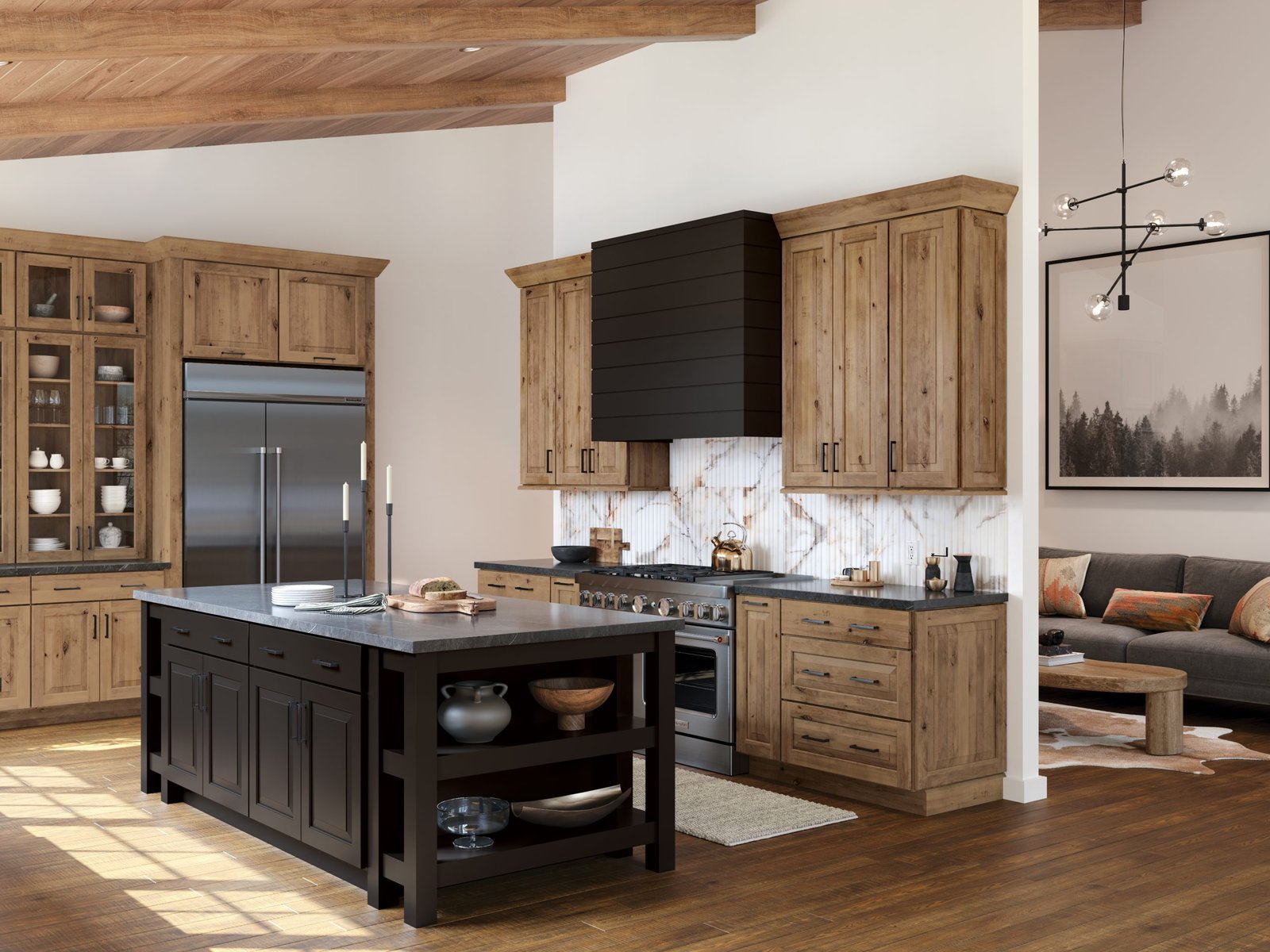
Your kitchen island can do so much more than just hold your fruit bowl. Imagine a space where cooking, dining, working, and socializing all come together seamlessly.
Designing a kitchen with a multi-functional island lets you maximize every inch of your space while adding style and convenience. Whether you love to entertain guests or need extra storage and prep areas, this guide will show you how to create an island that works perfectly for your lifestyle.
Ready to transform your kitchen into a hub of activity and comfort? Keep reading to discover smart design tips that make your kitchen island the heart of your home.
Benefits Of Multi-functional Kitchen Islands
Multi-functional kitchen islands add style and usefulness to any kitchen. They offer more than just extra counter space.
These islands can serve many purposes, making your kitchen more efficient and enjoyable to use.
Extra Storage Space
Kitchen islands provide additional storage options. You can store pots, pans, and utensils neatly inside.
This helps keep your kitchen organized and clutter-free, making cooking easier and faster.
Additional Seating Area
Many kitchen islands have built-in seating. This creates a casual spot for meals or socializing.
It also offers a place for kids to do homework or guests to relax while you cook.
Extra Workspace For Cooking
Multi-functional islands increase your countertop area. This gives you more room to prepare food.
You can chop, mix, and assemble dishes without crowding the kitchen.
Built-in Appliances
Some kitchen islands can hold appliances like cooktops, sinks, or wine coolers. This saves space elsewhere.
It also makes cooking and cleaning more convenient by keeping everything close.
Improved Kitchen Flow
Multi-functional islands help create a smooth kitchen layout. They act as a central hub for many tasks.
This design lets multiple people work in the kitchen comfortably and efficiently.
Assessing Kitchen Space
Designing a kitchen with a multi-functional island starts with knowing your space. You must measure and understand the room size.
Good space assessment helps you decide the island’s size and functions without crowding the kitchen.
Measure Your Kitchen Dimensions
Start by measuring the length, width, and height of your kitchen. Note any doors, windows, or appliances that limit space.
- Use a tape measure to get exact numbers
- Write down all measurements on paper
- Mark fixed points like sinks or stoves
Check The Traffic Flow
Watch how people move around your kitchen. The island should not block paths or make movement hard.
Keep at least 36 inches of space around the island for easy walking and cooking tasks.
Identify Functional Zones
Divide your kitchen into zones like cooking, cleaning, and storage. This helps plan where the island fits best.
The island can serve as prep space, dining area, or storage spot depending on zone needs.
Consider Island Size And Shape
Choose an island size that fits your kitchen without crowding it. Rectangular and L-shapes are common and practical.
- Small kitchens: use compact islands with storage
- Medium kitchens: try rectangular islands with seating
- Large kitchens: consider L-shaped or oversized islands
Plan For Utilities And Connections
Check if you can add water, electricity, or gas to the island. These connections affect its function and placement.
Plan for outlets if you want to use appliances or charge devices on the island.
Key Features Of Multi-functional Islands
Multi-functional kitchen islands add style and usefulness to your space. They serve many purposes beyond just a countertop.
Focus on storage, seating, and appliance integration to make the most of your island.
Storage Solutions
Good storage keeps your kitchen tidy and tools within reach. Islands often include cabinets, drawers, and shelves.
- Deep drawers for pots and pans
- Open shelves for cookbooks and decor
- Built-in spice racks
- Pull-out trash bins
- Hidden compartments for small appliances
Seating Options
Seating at the island creates a social and practical spot. It can be used for dining, homework, or chatting.
| Seating Style | Best Use |
| Bar stools | Casual dining and quick meals |
| Bench seating | Family gatherings and extra guests |
| Built-in benches | Space-saving and cozy corners |
| Adjustable chairs | Flexible height and comfort |
Appliance Integration
Adding appliances to your island improves workflow and accessibility. Popular choices include sinks and cooktops.
- Built-in cooktops for easy meal prep
- Under-counter refrigerators or wine coolers
- Integrated sinks for washing and food prep
- Pop-up power outlets for small gadgets

Credit: www.youtube.com
Choosing The Right Materials
Designing a kitchen with a multi-functional island means picking materials that last. The materials must handle daily use and look good.
Choosing the right materials for both the countertop and base helps create a strong and stylish kitchen island.
Countertop Options
Countertops need to be durable and easy to clean. They also set the tone for the kitchen’s style.
- Granite:Very hard and heat resistant. Needs sealing to avoid stains.
- Quartz:Engineered stone that resists scratches and stains well.
- Butcher Block:Warm wood surface that can be sanded and oiled for upkeep.
- Concrete:Customizable and sturdy but may develop hairline cracks.
- Laminate:Affordable and comes in many designs but less heat resistant.
Base Materials
The base supports the countertop and adds to the island’s look. Choose materials that hold up well and fit your style.
| Material | Durability | Maintenance | Style |
|---|---|---|---|
| Solid Wood | Strong but can scratch | Needs regular sealing | Warm and classic |
| Plywood with Veneer | Good strength | Low maintenance | Modern and smooth |
| Metal | Very durable | Easy to clean | Industrial and sleek |
| Painted MDF | Moderate durability | Needs gentle cleaning | Flexible colors |
Designing For Workflow Efficiency
Creating a kitchen with a multi-functional island can boost your cooking and cleaning speed. Good design helps everything flow smoothly from one task to another.
Planning your kitchen layout around how you work saves time. It also makes the space more pleasant to use.
Positioning The Island For Easy Access
Place the island near key areas like the sink, stove, and fridge. This reduces walking distance and keeps everything close.
Keep enough space around the island for smooth movement and opening cabinets or appliances.
Including Multiple Work Zones
Design the island with separate areas for prepping, cooking, and cleaning. This lets more than one person work at the same time.
- Prep zone with cutting boards and storage for knives
- Cooking zone with built-in cooktop or grill
- Cleaning zone with sink and dishwasher nearby
- Serving zone with space for plates and utensils
Using Storage To Reduce Clutter
Build storage into the island for pots, pans, and small appliances. This keeps counters clear and items easy to reach.
| Storage Type | Best Use |
| Drawers | Utensils and small tools |
| Cabinets | Large pots and pans |
| Open shelves | Cookbooks and decorative items |
Select durable, easy-to-clean surfaces for the island. Materials like quartz or hardwood last long and look good.
Tip: Use different materials for each work zone to separate tasks visually and physically.

Credit: www.costway.ca
Incorporating Technology
Technology can make kitchen islands more useful and fun. It helps save space and adds new features.
Adding smart devices and gadgets lets you cook, work, and relax in one spot.
Smart Appliances Integration
Built-in smart appliances make the island more efficient. You can control them with your phone or voice.
Examples include smart ovens, refrigerators, and dishwashers. They save time and energy.
- Voice-controlled ovens for hands-free cooking
- Refrigerators with touch screens for recipes
- Dishwashers with energy-saving modes
Built-in Charging Stations
Adding charging ports keeps devices powered. This is useful for phones, tablets, and laptops.
Place USB and power outlets on the island’s sides or countertop for easy access.
- USB ports for quick charging
- Power outlets for laptops and small appliances
- Wireless charging pads for phones
Touchscreen Control Panels
A touchscreen on the island controls lights, music, and appliances. It keeps everything in one place.
These panels are easy to use and look modern. They help manage kitchen tasks smoothly.
- Adjust lighting and temperature
- Play music or podcasts
- Set timers and reminders
Integrated Audio Systems
Built-in speakers let you listen to music while cooking or eating. They save space and reduce clutter.
Use Bluetooth or Wi-Fi to connect your devices wirelessly. Control sound with your phone or voice.
- Waterproof speakers for easy cleaning
- Voice control for hands-free use
- Multi-room audio options
Led Lighting With Smart Controls
LED lights under or inside the island add style and function. Smart controls let you change colors and brightness.
Use these lights to create mood or improve visibility while cooking.
- Color-changing LEDs for different moods
- Dimmable lights for task or ambient use
- Voice or app controls
Lighting Considerations
Good lighting is key for kitchen islands that serve many purposes. It makes cooking, eating, and working easier.
Planning lighting well helps create a warm and useful kitchen space. It also highlights the island’s design.
Layered Lighting For Function And Style
Use different light types to cover all tasks on the island. Mix ambient, task, and accent lighting.
This layering helps with cooking, cleaning, and casual dining. It also adds depth and interest to the space.
- Ambient lights provide overall brightness
- Task lights focus on cooking and prep areas
- Accent lights highlight design features
Pendant Lights Above The Island
Pendant lights are great for islands. They offer direct light where you need it most.
Choose pendants that match your kitchen style. Hang them at the right height to avoid glare.
- Keep pendants 30-36 inches above the island
- Space pendants 24-30 inches apart for balance
- Use dimmable bulbs to adjust light levels
Under-cabinet And Toe-kick Lighting
Under-cabinet lights brighten work surfaces on the island. Toe-kick lights add soft floor-level light.
These lights improve safety and add a modern look. They are useful when you want low light at night.
- Use LED strips for energy efficiency
- Choose warm white light for comfort
- Install switches for easy control
Natural Light And Window Placement
Plan the island near windows if possible. Natural light makes the space bright and inviting.
Use sheer curtains to keep light while reducing glare. Natural light changes mood and saves energy.
- Place the island close to south or east windows
- Use light colors to reflect sunlight
- Keep window areas clear for maximum light
Personalizing Your Kitchen Island
Your kitchen island is the heart of the space. Personalizing it makes your kitchen unique and useful.
Design the island to fit your needs and style. This makes cooking and gathering more enjoyable.
Select The Right Size And Shape
Choose an island size that fits your kitchen space. It should allow easy movement around it.
Pick a shape that matches your kitchen layout. Rectangular, square, or L-shaped islands work well.
- Measure your kitchen carefully
- Keep at least 36 inches of walking space
- Match the island shape to your kitchen flow
Add Functional Zones
Divide your island into zones for cooking, prepping, and eating. This helps keep things organized.
Use built-in appliances or sinks to create dedicated areas. This adds convenience and saves space.
- Include a prep area with cutting boards
- Add a cooking zone with a cooktop or grill
- Create a seating area for meals or chats
Choose Storage Solutions
Storage options keep your kitchen tidy. Use drawers, shelves, and cabinets in the island.
Personalize storage to fit your items. This makes it easy to find tools and ingredients.
- Drawers for utensils and gadgets
- Open shelves for cookbooks or plants
- Cabinets for pots and pans
- Built-in wine racks or spice racks
Pick Materials And Finishes
Materials affect the island’s look and feel. Choose wood, stone, or metal that suits your style.
Consider durability and maintenance. Select finishes that hold up well to kitchen use.
- Wood offers warmth and natural beauty
- Stone like granite is strong and classic
- Metal adds a modern, industrial look
- Matte finishes hide fingerprints better
Incorporate Lighting Features
Good lighting makes your island more functional and inviting. Use task and ambient lights.
Choose lighting styles that match your kitchen design. Adjustable lights help focus on tasks.
- Install pendant lights over the island
- Use under-cabinet lighting for prep zones
- Add dimmers for flexible brightness
Budgeting For Your Kitchen Island
Designing a kitchen with a multi-functional island can be exciting. Setting a clear budget helps control costs and avoid surprises.
Knowing what to include in your budget allows you to balance style and function. This guide covers key budget points to consider.
Estimate The Size And Materials
The size of your island affects the price greatly. Larger islands need more materials and labor. Choose materials that fit your budget but last long.
- Wood can be affordable but requires maintenance
- Granite or quartz countertops cost more but are durable
- Laminate surfaces are budget-friendly and easy to clean
Include Appliances And Fixtures
Adding sinks, cooktops, or dishwashers to your island raises costs. Plan these features carefully to fit your needs and budget.
| Appliance or Fixture | Estimated Cost Range |
| Sink | $150 – $600 |
| Cooktop | $500 – $2,000 |
| Dishwasher | $400 – $1,200 |
| Lighting | $100 – $500 |
Labor And Installation Fees
Labor costs vary by location and complexity. Installation of plumbing or electrical work can add to the budget.
- Get quotes from multiple contractors
- Ask if permits are needed
- Plan for unexpected costs in labor
Set Aside A Contingency Fund
Always reserve extra money for surprises during the project. Around 10% to 15% of the total budget is a good rule.
Tip:Keep your contingency fund in a separate account to avoid spending it unintentionally.
Common Mistakes To Avoid
Designing a kitchen with a multi-functional island can improve space and usability. It is important to avoid mistakes that reduce its function and style.
This guide covers common errors to help you create a practical and beautiful kitchen island.
Ignoring Proper Space Around The Island
Not leaving enough space around the island causes crowding. People need room to move and open doors or drawers easily.
Plan for at least 36 inches of clearance on all sides to keep the kitchen comfortable and safe.
Overloading The Island With Too Many Functions
Trying to add too many features can make the island cluttered and less useful. Each function needs enough space to work well.
Focus on two or three main uses like cooking, dining, or storage to keep the island efficient.
Choosing The Wrong Height For The Island
Island height affects comfort and usability. A height that is too tall or short can cause discomfort during use.
Match the island height to its main use, such as counter height for prep work or bar height for seating.
Neglecting Storage Needs
Multi-functional islands often include storage, but skipping this step wastes potential. Proper storage keeps the kitchen organized.
Include drawers, cabinets, or open shelves based on your kitchen needs and items you use frequently.
Forgetting About Lighting
Good lighting is key for a functional island. Poor lighting can make cooking and other tasks harder and less safe.
Use a mix of overhead lights and task lighting to brighten the island area well.

Credit: acecabinetdesign.com.my
Frequently Asked Questions
What Are The Benefits Of Multi-functional Kitchen Islands?
Multi-functional islands maximize space by combining cooking, dining, and storage. They enhance workflow and social interaction. These islands improve kitchen efficiency and add style, making them a practical centerpiece for modern kitchens.
How Do I Choose The Right Size For A Kitchen Island?
Consider your kitchen’s dimensions and traffic flow when sizing the island. Ensure enough space for movement and appliance use. A well-sized island balances functionality without overcrowding the kitchen area.
What Features Should A Multi-functional Kitchen Island Include?
Include storage cabinets, seating areas, and prep space. Adding appliances like sinks or cooktops boosts functionality. Incorporate power outlets and lighting for convenience and efficiency.
How Can I Design A Kitchen Island For Small Spaces?
Opt for compact, movable islands with built-in storage. Use foldable or extendable surfaces to save space. Light colors and minimalistic designs keep small kitchens feeling open and airy.
Conclusion
Designing a kitchen with multi-functional islands brings many benefits. It saves space and adds extra storage. Islands can serve as dining areas or workspaces. This makes your kitchen more useful and comfortable. Think about your needs before choosing features. Keep the design simple and practical for daily use.
A well-planned island can change how you cook and gather. Small changes can create big improvements in your kitchen’s flow. Enjoy the process and make your kitchen fit your life.