
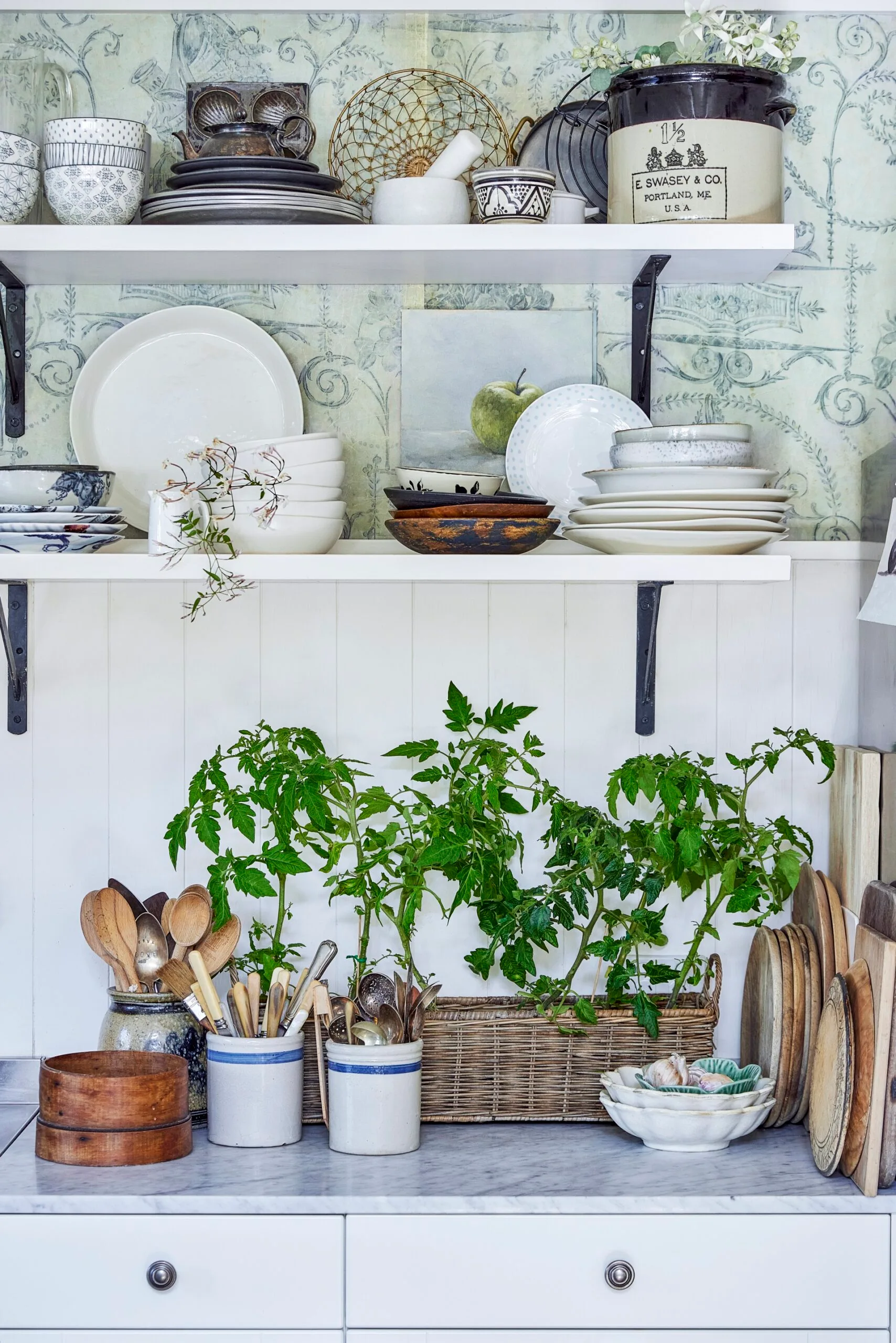
Your kitchen is more than just a place to cook—it’s where you start your day and gather with loved ones. Imagine filling this space with fresh, vibrant plants that bring life and energy to every corner.
Decorating your kitchen with plants isn’t just about looks; it can boost your mood, improve air quality, and make cooking even more enjoyable. If you’ve ever wondered how to add that natural touch without cluttering your space, this guide is for you.
Keep reading, and you’ll discover simple, creative ways to transform your kitchen into a green oasis that feels welcoming and alive.
Choosing The Right Plants
Plants can brighten your kitchen and make it feel fresh. Picking the right plants helps them grow well indoors.
Think about light, space, and care needs before choosing plants for your kitchen.
Low-light Options
Many kitchens have low natural light. Choose plants that thrive without much sun. These plants stay healthy in shade or dim light.
- Snake Plant
- ZZ Plant
- Pothos
- Philodendron
- Cast Iron Plant
Edible Varieties
Grow herbs and small veggies to add fresh flavors to your meals. They also add greenery to your kitchen space.
| Plant | Light Needs | Care Tips |
| Basil | Bright, indirect light | Water when soil is dry |
| Mint | Partial shade | Keep soil moist |
| Chives | Full sun to partial shade | Trim regularly |
| Parsley | Bright light | Water often but avoid soggy soil |
| Cherry Tomatoes | Full sun | Support with stakes |
Air-purifying Choices
Some plants clean the air by removing toxins. These improve air quality and add a healthy feel to your kitchen.
- Spider Plant: Easy to care for and removes pollutants
- Peace Lily: Filters harmful chemicals and blooms indoors
- English Ivy: Reduces mold and airborne feces
- Boston Fern: Moisture loving and cleans air well
- Aloe Vera: Purifies air and has healing gel inside leaves
Placement Strategies
Adding plants to your kitchen makes it feel fresh and lively. Choosing the right spots for your plants helps them grow well.
Good placement also keeps your kitchen neat and stylish. Let’s explore some smart ways to arrange plants in your kitchen.
Countertop Arrangements
Place small plants on your kitchen counters to add color and life. Choose spots with enough light but away from heat sources.
Group plants of different heights for a balanced look. Use containers that match your kitchen style to keep things tidy.
- Use small pots near the sink or stove
- Mix herbs and decorative plants
- Arrange plants in clusters for impact
Hanging Solutions
Hanging plants save counter space and add charm above. Use hooks or shelves to hang pots safely.
Choose trailing plants that look nice when they hang down. Make sure they get enough light without blocking your view.
- Hang near windows or open spaces
- Use sturdy hooks or ceiling mounts
- Try plants like pothos or spider plants
Windowsill Displays
Windowsills are perfect for plants that need bright light. Place herbs or succulents there for easy care and use.
Keep plants spaced so air flows well. Use matching pots for a neat, organized look.
- Choose sunny windowsills for best growth
- Keep plants small to avoid overcrowding
- Rotate plants to get even sunlight
Decorative Containers
Plants can make your kitchen look fresh and lively. Choosing the right containers is key to show off your plants well.
Decorative containers add style and personality to your kitchen space. They can also protect surfaces and keep plants healthy.
Eco-friendly Pots
Eco-friendly pots help the environment by using natural or recycled materials. They are safe for your plants and kitchen.
These pots often use clay, bamboo, or biodegradable fibers. They break down naturally and reduce waste.
- Clay pots allow air and water flow to roots
- Bamboo containers add a natural look
- Biodegradable pots can be planted directly into soil
Creative Recycled Ideas
You can reuse old items as plant containers. This saves money and creates unique kitchen decor.
Look for jars, tins, or wooden boxes to turn into planters. Paint or decorate them to fit your style.
- Use mason jars for herbs on the windowsill
- Turn old tea tins into small pots
- Paint wooden boxes for a rustic look
Stylish Planters
Stylish planters add a modern and clean look to your kitchen. They come in many shapes and colors.
Choose ceramic or metal planters for a sleek appearance. These containers can match your kitchen design.
- White ceramic pots brighten the space
- Metal planters bring an industrial feel
- Geometric shapes add visual interest

Credit: www.magnet.co.uk
Integrating Herbs Into Decor
Adding herbs to your kitchen decor brings fresh colors and scents. It also gives you easy access to fresh ingredients while cooking.
Herbs fit well in different spaces and styles. Let’s explore some creative ways to include them in your kitchen design.
Herb Garden Walls
Herb garden walls save space and add greenery to your kitchen. You can use wall-mounted pots or vertical planters. These create a living art piece that smells great.
- Choose herbs like basil, thyme, and mint
- Place the wall garden near a window for sunlight
- Use waterproof containers to protect your wall
- Water regularly to keep herbs healthy
Herb Planter Boxes
Planter boxes are a classic way to grow herbs indoors. They fit well on countertops or windowsills. You can group different herbs together in one box.
| Herb | Light Needs | Water Needs |
| Rosemary | Full Sun | Low |
| Parsley | Partial Sun | Medium |
| Cilantro | Partial Sun | High |
| Chives | Full Sun | Medium |
Herb Ladder Shelves
Herb ladder shelves add height and style to your kitchen. They hold multiple pots on steps, making herbs easy to reach. This display looks neat and organized.
Tips for Herb Ladder Shelves
- Use wooden or metal ladders for durability
- Place the ladder near a bright window
- Rotate pots to ensure even sunlight
- Keep herbs trimmed for better growth
Maintaining Healthy Plants
Plants add life and freshness to your kitchen. Keeping them healthy makes your space look great. Healthy plants grow strong and last longer.
Good care includes watering, pruning, and pest control. Each helps your plants stay healthy and beautiful.
Watering Tips
Water your plants regularly but avoid overwatering. Check the soil before watering. If the top feels dry, it is time to water.
- Use room temperature water.
- Water in the morning for best absorption.
- Make sure pots have drainage holes.
- Empty saucers to prevent root rot.
- Adjust watering in winter when plants need less.
Pruning Techniques
Pruning helps plants grow well by removing dead or weak parts. Use clean scissors or pruning shears.
- Cut dead or yellow leaves close to the stem.
- Trim leggy growth to encourage bushiness.
- Remove flowers that have faded.
- Sanitize tools between cuts to avoid disease.
- Do light pruning often instead of heavy pruning.
Pest Control Methods
Pests can damage your plants quickly. Use safe methods to keep pests away without harming your kitchen environment.
| Pest | Control Method |
| Aphids | Spray with mild soap solution |
| Spider Mites | Wipe leaves with water |
| Mealybugs | Use cotton swab with alcohol |
| Fungus Gnats | Let soil dry between watering |
| Scale Insects | Apply neem oil spray |
Creating A Cohesive Look
Using plants in your kitchen can make the space feel fresh and lively. A cohesive look ties all the green elements together. Careful choices in color, texture, and size help achieve this harmony.
Plants bring nature inside, but without planning, they might seem random. These tips guide you to create a balanced and stylish kitchen with plants.
Color Coordination
Colors set the mood of your kitchen. Match plant pots and leaves with your kitchen’s color scheme. Keep colors soft and natural to blend smoothly.
- Use pots in colors that match your cabinets or walls
- Choose plants with leaf colors that complement your kitchen tones
- Keep some neutral shades like white, beige, or gray to balance bright colors
- Group plants with similar color themes for a unified look
Texture And Layering
Mix different leaf shapes and pot materials to add texture. Layer plants at various heights to create depth and interest without clutter.
- Glossy leaves with matte pots
- Thin, delicate leaves with thick, sturdy stems
- Ceramic pots with woven baskets
- Small trailing plants near tall upright plants
Balancing Plant Sizes
Balance is key for a pleasing look. Use different plant sizes but keep a good ratio. Avoid having all plants the same size or shape.
| Plant Size | Placement | Effect |
| Large | Floor corners or large counter spaces | Creates a strong focal point |
| Medium | Windowsills or open shelves | Adds volume and fills gaps |
| Small | Countertops or hanging pots | Offers detail and lightness |
Incorporating Seasonal Plants
Adding plants to your kitchen brings life and color to the space. Using seasonal plants lets you change the look throughout the year.
Choose plants that fit each season to keep your kitchen fresh and vibrant. Different plants suit different weather and light conditions.
Spring Blooms
Spring is a great time to add bright and cheerful flowers. Plants like daffodils and tulips bring a fresh feel and soft colors.
- Daffodils in small pots on the windowsill
- Tulips in a vase for the countertop
- Hyacinths for a pleasant scent
- Fresh herbs like mint or chives
Summer Greens
Summer plants add lush greens and strong scents. Herbs and leafy plants work well in sunny kitchen spots.
- Basil for cooking and aroma
- Rosemary for fresh flavor
- Mint to add freshness
- Spider plant for easy care
Fall Foliage
Fall offers warm colors and textured leaves. Choose plants with red, orange, or yellow tones to match the season.
| Plant | Color | Care Tip |
| Caladium | Red and pink | Keep soil moist |
| Croton | Orange and yellow | Needs bright light |
| Maple leaf plant | Deep red | Water weekly |
Winter Evergreens
Winter plants stay green and fresh during cold months. Evergreens like small pines add a natural touch.
- Miniature pine trees in pots
- Boxwood plants for structure
- Holly with red berries for decoration
- Succulents for low light areas

Credit: www.youtube.com
Credit: www.houseandgarden.co.uk
Frequently Asked Questions
What Plants Are Best For Kitchen Decoration?
Succulents, herbs, and spider plants thrive in kitchens. They require minimal care and improve air quality. Choose plants that suit your kitchen’s light and humidity levels for best results.
How Can I Display Plants In A Small Kitchen?
Use vertical shelves, hanging planters, or windowsills to save space. Small pots and wall-mounted containers keep plants organized and add greenery without cluttering counters.
Do Kitchen Plants Help Improve Air Quality?
Yes, many kitchen plants absorb toxins and release oxygen. They can reduce indoor pollutants, making your kitchen air fresher and healthier. Examples include aloe vera and pothos.
How Often Should I Water Kitchen Plants?
Water frequency depends on plant type and kitchen conditions. Generally, water once a week, ensuring soil dries between watering. Check each plant’s specific needs to avoid overwatering or underwatering.
Conclusion
Plants bring life and freshness to any kitchen space. They add color and improve air quality naturally. Small pots on windowsills or hanging plants work well. Choose easy-care plants to keep your kitchen bright and green. Decorating with plants creates a calm and happy place.
Try different sizes and types to find what fits best. Enjoy the beauty and health benefits plants offer every day. Your kitchen will feel warm and welcoming with simple greenery.