
Are you tired of overcooked meals or forgotten baking times? Choosing the right kitchen timer can make all the difference in your cooking experience.
But with so many options out there, how do you pick one that fits your needs perfectly? You’ll discover simple tips that help you find a timer that’s easy to use, reliable, and suits your kitchen style. Keep reading to make sure every dish you prepare turns out just right.
Credit: salter.com
Importance Of A Kitchen Timer
A kitchen timer helps you cook food perfectly. It alerts you when the time is up.
Using a timer stops food from burning or being undercooked. It saves you time and stress.
Keeps Cooking On Track
A kitchen timer reminds you to check your food. It helps you follow cooking times exactly.
This is important for recipes that need precise timing. It makes your food taste better.
Prevents Food Waste
Timers stop food from overcooking or burning. This reduces waste and saves money.
When food cooks too long, it loses flavor and texture. A timer helps avoid this problem.
Allows Multitasking
You can do other tasks without watching the clock. The timer will alert you on time.
This makes cooking easier and less stressful. You can focus on cleaning or prepping other food.
Improves Safety In The Kitchen
Timers help prevent fires caused by forgotten food. They remind you to turn off the stove.
Using a timer reduces the risk of accidents. It keeps your kitchen safer for everyone.
Features To Look For
Choosing the right kitchen timer helps you cook better and save time. Look for features that make the timer easy and useful to use.
This guide covers key features to check before buying a kitchen timer. These features improve your cooking experience.
Ease Of Use
Pick a timer that is simple to set and start. Buttons should be clear and easy to press. Avoid timers with complicated controls.
A timer with a quick reset button helps you start again fast. Some timers also have magnetic backs or stands for easy placement.
Clear Display
Look for a timer with a large, clear screen. Numbers should be easy to read from a distance. Bright displays help in dim kitchens.
Some timers have backlit screens or high-contrast colors. These features make checking time quick and reduce mistakes.
Volume And Sound Options
Choose a timer with adjustable volume. Loud alarms alert you even in noisy kitchens. Lower volume settings prevent loud interruptions.
Different alarm sounds let you pick one that you like or that you can hear best. Some timers also have vibration alerts.
- Adjustable alarm volume
- Choice of alarm sounds
- Vibration or silent mode
Multiple Timers
Timers with multiple settings let you track several cooking tasks at once. This feature is helpful when cooking many dishes.
You can set different times for baking, boiling, or resting food. Some timers show all times on one screen for easy monitoring.
- Set two or more timers at once
- See all times at a glance
- Separate alarms for each timer
Types Of Kitchen Timers
Choosing the right kitchen timer helps you cook perfectly every time. Timers come in different styles and features.
Knowing the types of kitchen timers makes it easier to pick one that suits your needs and kitchen style.
Digital Timers
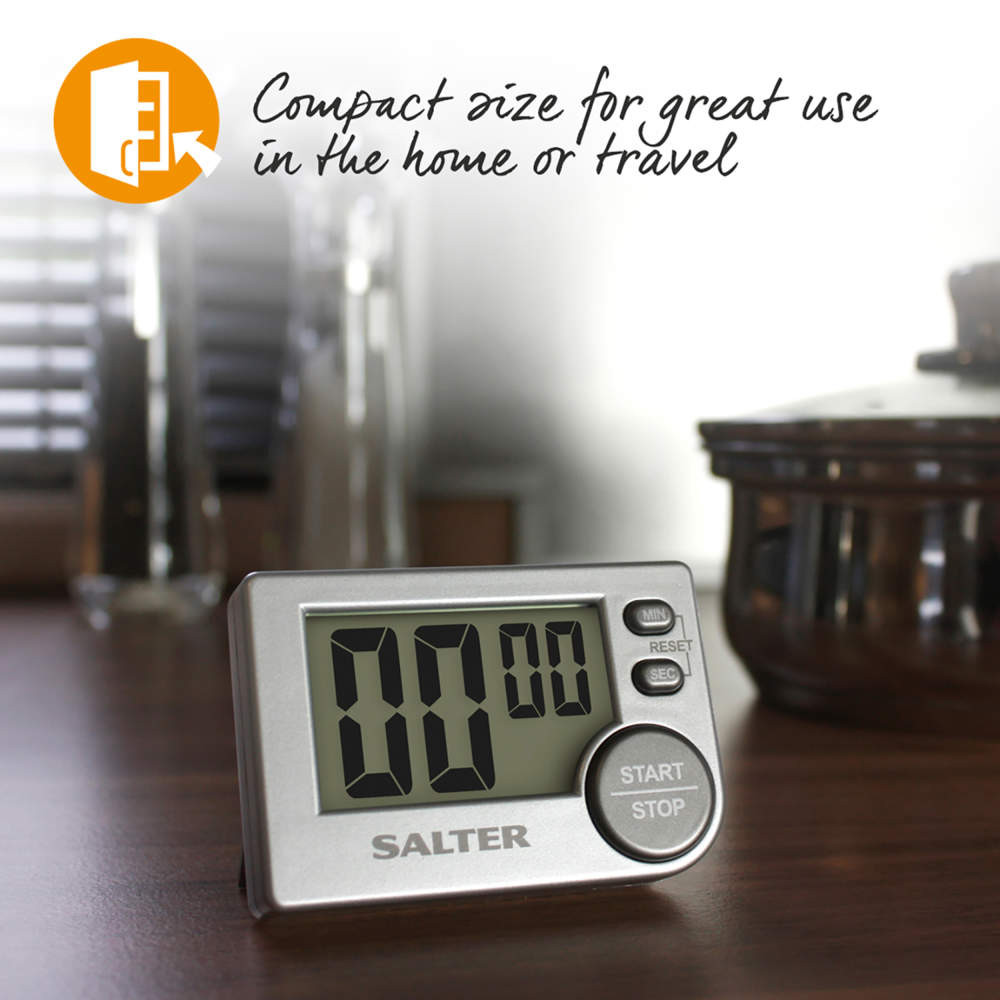
Digital timers use electronic displays to show time clearly. They often have buttons for easy setting.
These timers usually have loud alarms and can count up or down. Many models have memory for repeated use.
- Easy to read numbers
- Accurate timing
- Often includes extra features like multiple timers
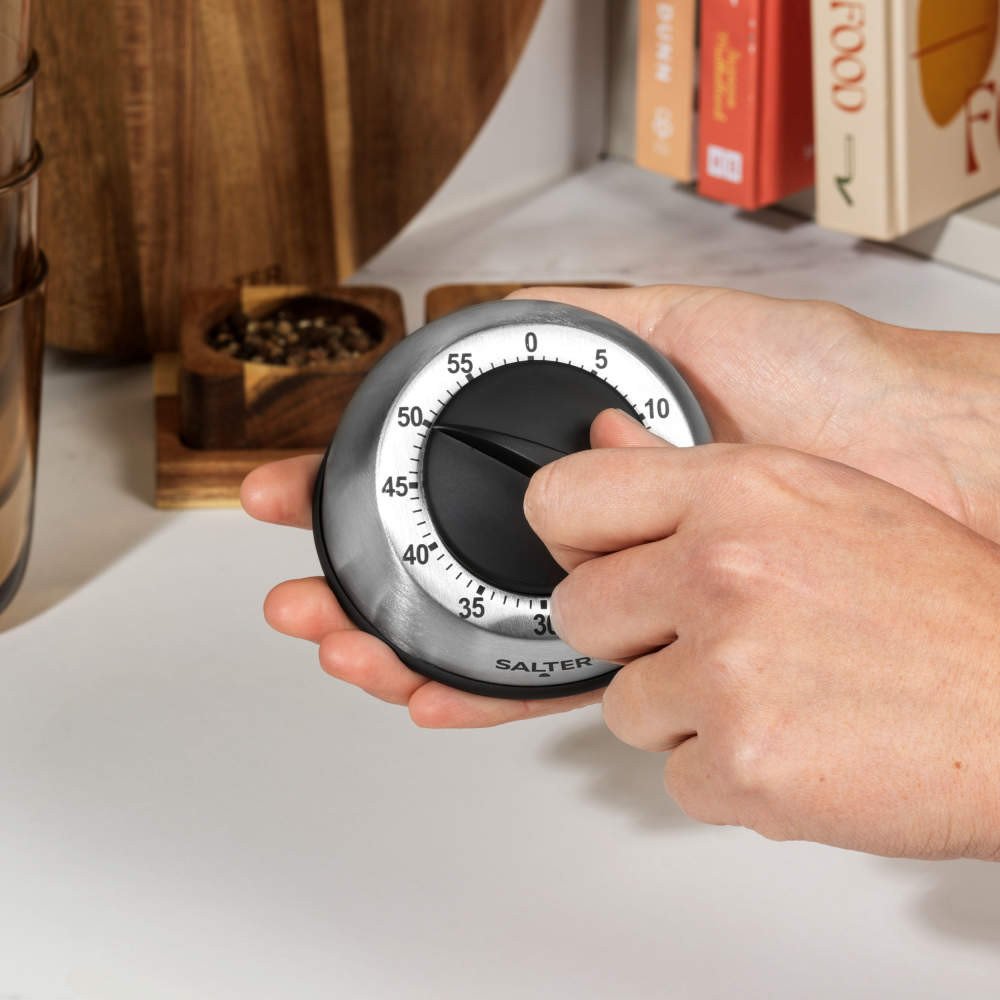
Mechanical Timers
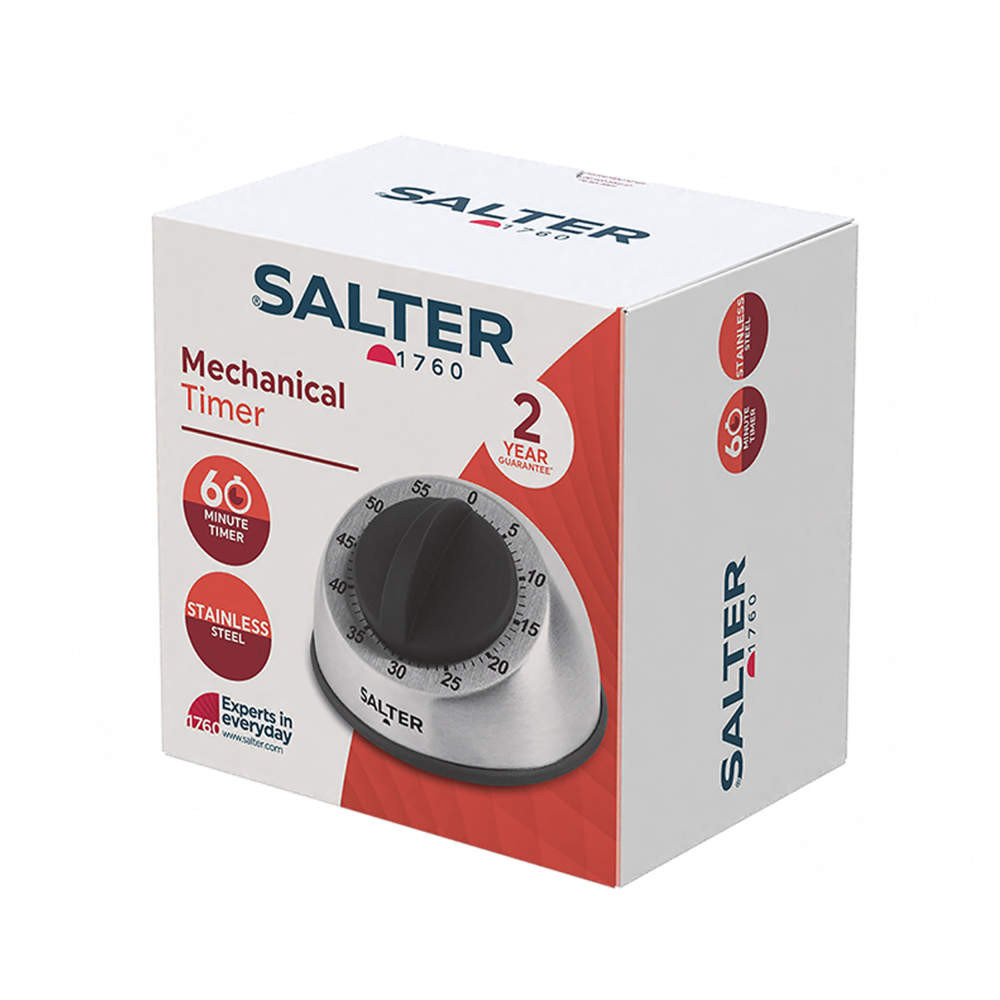
Mechanical timers work by turning a dial to set the time. They use a spring mechanism inside.
These timers do not need batteries and make a ticking sound. They are simple and durable tools.
- No batteries needed
- Easy to use with a turning dial
- Classic ticking sound
Smart Timers
Smart timers connect to your phone or other devices via Wi-Fi or Bluetooth. They offer remote control options.
These timers can send alerts and integrate with smart home systems. They help manage cooking with apps.
- Control timer from your phone
- Alerts and notifications
- Works with smart home devices
Credit: salter.com
Choosing The Right Timer For Your Needs
Picking a kitchen timer depends on how you use your kitchen. Different timers suit different tasks and users. It is important to find one that matches your cooking style and needs.
Here are some tips to help you select the best timer for your kitchen. Consider your cooking habits and the features that will help you the most.
For Baking Enthusiasts
Bakers need precise timing for perfect results. A timer with clear display and easy controls helps avoid overbaking or underbaking. Some timers have countdown and count-up functions for flexibility.
- Look for timers with loud alarms to hear over mixing sounds.
- Choose timers with memory recall to save common baking times.
- Consider timers with multiple timers for managing several dishes.
For Busy Kitchens
Busy kitchens need timers that are quick to set and easy to read at a glance. Large buttons and clear screens help when multitasking. Durability is also key in fast-paced cooking areas.
| Feature | Why It Matters |
| Large Display | See time quickly without stopping work |
| Simple Controls | Set timer fast with minimal effort |
| Strong Alarm | Hear alert even with noise |
| Durable Build | Withstands drops and spills |
For Tech-savvy Cooks
Tech-savvy cooks may prefer timers with smart features. These can connect to phones or smart home devices. Some timers include apps for easy control and recipe timing.
Features to look for in smart timers:
- Bluetooth or Wi-Fi connectivity
- App integration for remote control
- Multiple alarms and custom settings
- Voice control compatibility
Maintenance And Care Tips
Taking care of your kitchen timer helps it last longer. Regular maintenance keeps it working well and accurate.
Simple habits can protect your timer from damage and make your cooking easier.
Cleaning Guidelines
Clean your kitchen timer often to remove dirt and food crumbs. Use a soft cloth to avoid scratches.
- Wipe the surface with a damp cloth after each use
- Use mild soap for sticky spots, then dry thoroughly
- Avoid soaking the timer in water
- Do not use harsh chemicals or abrasive sponges
- Keep buttons free from grease to prevent sticking
Battery Replacement
Check your timer’s battery regularly to keep it running. Replace batteries as soon as the timer slows or stops.
| Battery Type | Average Life | Replacement Tips |
|---|---|---|
| AAA or AA | 6–12 months | Use fresh alkaline batteries for best results |
| Button Cell | 1–2 years | Handle with care to avoid damage |
| Rechargeable | Depends on usage | Charge fully before use |
Proper Storage
Store your timer in a dry, cool place to protect it from damage. Avoid places with heat or moisture.
Follow these simple storage tips:
- Keep the timer away from the stove and sink
- Place it in a drawer or container to prevent dust
- Remove batteries if you won’t use the timer for a long time
Top Recommendations
Choosing the right kitchen timer can help you cook with better timing. There are many types to fit different needs and budgets.
Here are some tips and options for picking a kitchen timer. We focus on budget-friendly, high-end, and beginner-friendly models.
Budget-friendly Options
Affordable timers still offer useful features. Look for simple designs and clear displays. Some basic timers have loud alarms and magnetic backs.
- Easy to set and reset
- Compact size for small kitchens
- Battery-powered for portability
- Strong alarm sound
- Magnetic or stand support
High-end Models
High-end timers include digital screens, multiple timers, and smart features. Some connect to apps or voice assistants for hands-free use.
| Feature | Benefit |
| Multiple Timers | Track several dishes at once |
| Large Display | Easier to read from distance |
| App Connectivity | Control timer from phone |
| Voice Control | Start or stop timer hands-free |
| Rechargeable Battery | Save on battery costs |
Best For Beginners
Beginners need timers that are simple and clear. Large buttons and easy instructions help avoid mistakes. Visual and sound alerts guide cooking well.
- Big buttons for easy use
- Clear numbers on screen
- Simple start and stop functions
- Loud and clear alarm
- Instruction manual included

Credit: salter.com
Frequently Asked Questions
What Features Should I Look For In A Kitchen Timer?
Look for easy-to-read displays, loud alarms, and simple controls. Choose timers with adjustable settings and durability for daily use. Consider digital timers for precision or mechanical ones for simplicity.
How Accurate Are Digital Kitchen Timers?
Digital timers offer high accuracy, often within one second. They ensure precise cooking times, preventing under or overcooking. Their reliability makes them ideal for complex recipes requiring exact timing.
Can I Use A Kitchen Timer For Multiple Tasks?
Yes, many kitchen timers support multiple countdowns or intervals. This feature helps manage several dishes simultaneously. It improves kitchen efficiency and prevents timing errors during busy cooking sessions.
Are Mechanical Timers Better Than Digital Ones?
Mechanical timers are durable and don’t need batteries. However, digital timers provide more accuracy and additional features. Choose based on your preference for simplicity or advanced functions.
Conclusion
Choosing the right kitchen timer makes cooking easier and more fun. Think about your needs and kitchen space. Pick a timer that is simple to use and fits your style. Check for clear displays and loud alarms to avoid mistakes.
A good timer helps you cook meals perfectly every time. Keep these tips in mind to find the best timer for you. Enjoy cooking with less stress and better results.