
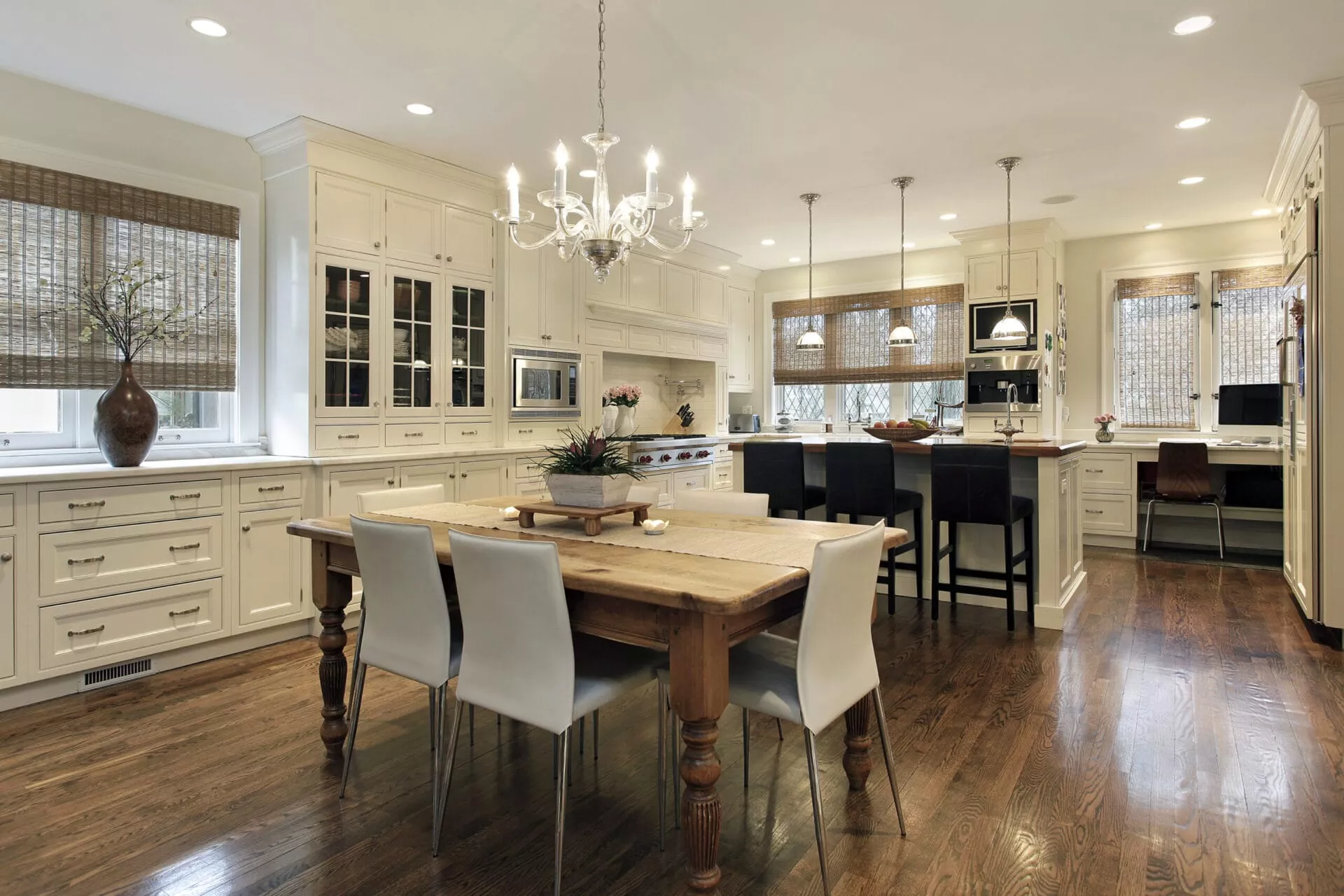
Choosing the right lighting for your kitchen can make a huge difference in how your space looks and feels. You want your kitchen to be bright enough for cooking, but also warm and inviting for family gatherings.
Finding the perfect spots to place your lights might seem tricky, but with the right tips, you can create a setup that works perfectly for your needs. Keep reading, and you’ll discover simple ways to light up your kitchen that will make your daily routine easier and your space more beautiful.

Credit: www.magnet.co.uk
Assessing Kitchen Space
Choosing the right lighting in your kitchen starts with understanding the space. Good lighting helps you work safely and makes the kitchen look better.
Look at your kitchen’s size, shape, and where you spend most time. This helps decide the best spots for lights.
Understanding Kitchen Layout
Know the design of your kitchen. It may be a U-shape, L-shape, galley, or island style. Each layout needs different lighting plans.
- Measure the length and width of the kitchen.
- Note windows and door locations.
- Mark where cabinets, counters, and appliances are.
- See if you have an island or breakfast nook.
Identifying Key Areas For Lighting
Focus on places where you do tasks like cooking, cleaning, and eating. These spots need good, clear light.
| Area | Lighting Needs |
| Cooking Zone | Bright, focused light over stove and counters |
| Cleaning Area | Clear light over sink and dishwasher |
| Dining Space | Soft, warm light for comfort |
| Storage | Light inside or under cabinets for visibility |
Types Of Kitchen Lighting
Choosing the right lighting for your kitchen is important. It helps you see well and makes the space look nice.
There are three main types of kitchen lighting. Each type has a special role in your kitchen.
Ambient Lighting
Ambient lighting is the main light in your kitchen. It lights up the whole room evenly.
This lighting helps you move safely and see everything clearly. Ceiling lights and recessed lights are common choices.
Task Lighting
Task lighting focuses on places where you do kitchen work. It helps with cooking and cleaning.
Use bright lights under cabinets or over the sink. These lights reduce shadows and show details clearly.
- Under-cabinet lights
- Pendant lights over counters
- Spotlights on work areas
Accent Lighting
Accent lighting adds style to your kitchen. It highlights features like artwork or glass shelves.
This lighting creates a warm and inviting mood. Use small spotlights or LED strips for accents.
Choosing The Right Fixtures
Kitchen lighting is important for both style and function. The right fixtures can brighten your space and improve how you cook.
Think about the size, shape, and tasks you do in your kitchen. This helps you pick the best lighting fixtures for your needs.
Pendant Lights
Pendant lights hang from the ceiling and add focused light. They work well over kitchen islands or dining areas.
Choose fixtures that match your kitchen style. Pick sizes that fit the space without crowding it.
- Use dimmable pendants for adjustable brightness
- Place lights about 30-36 inches above the countertop
- Group multiple pendants for balanced lighting
Recessed Lighting
Recessed lights fit into the ceiling and give even, general lighting. They keep the kitchen looking clean and simple.
Space recessed lights evenly to avoid dark spots. Use them to highlight work areas like sinks and counters.
- Place lights 4 to 6 feet apart for good coverage
- Use adjustable trims to direct light where needed
- Combine with task lighting for best results
Under-cabinet Lights
Under-cabinet lights brighten countertops and reduce shadows. They help you see clearly while cooking or prepping food.
Choose LED strips or puck lights for easy installation. Pick warm or cool light to match your kitchen’s feel.
- Install lights close to cabinet edges for best coverage
- Use low-profile fixtures to keep a neat look
- Consider dimmable options for flexible lighting
Lighting Placement Strategies
Good kitchen lighting helps you see clearly and work safely. Placement matters to avoid shadows and brighten important areas.
Choosing where to put lights can change how your kitchen looks and works. Use different types of lighting for each area.
Overhead Lighting Tips
Overhead lighting lights up the whole kitchen. Use ceiling lights or recessed lights for even brightness. Place lights away from cabinets to reduce shadows.
Countertop Illumination
Bright countertops help with food prep. Install under-cabinet lights to shine directly on counters. This stops shadows and adds clear light where you need it.
- Use LED strips for energy savings
- Place lights every 12 to 18 inches
- Choose warm white light for a cozy feel
- Avoid glare by angling lights downward
Lighting For Kitchen Islands
Kitchen islands need focused light for cooking and eating. Pendant lights are a popular choice. Hang them 30 to 36 inches above the island surface.
| Light Type | Placement Height | Purpose |
| Pendant Lights | 30–36 inches above island | Task lighting and style |
| Recessed Lights | Ceiling level, spaced evenly | General lighting |
| Track Lights | Adjustable height | Flexible directional lighting |
Energy Efficiency Considerations
Choosing the right kitchen lighting saves energy and lowers bills. Good placement helps light your space well without waste.
Understanding the types of bulbs and controls can make your kitchen both bright and energy smart.
Led Vs. Incandescent
LED bulbs use less electricity and last longer than incandescent bulbs. They produce less heat, making kitchens cooler.
- LED bulbs save up to 80% energy
- Incandescent bulbs burn out faster
- LEDs are available in many color temperatures
- Incandescent bulbs cost less upfront but cost more over time
Dimmers And Controls
| Control Type | Energy Benefit | Notes |
| Basic Dimmer | Reduces brightness, saves energy | Good for mood lighting |
| Smart Controls | Automates lighting, prevents waste | Can be set on timers or sensors |
| Motion Sensors | Turns off lights when no one is present | Ideal for pantry or small spaces |
Using dimmers and smart controls lets you adjust light levels easily. This reduces power use and extends bulb life.
:max_bytes(150000):strip_icc()/Margaret-Wright-Photography-Interior-Architectural-Charleston-SC-Photographer-2024-24-e784b3f1297c465bb56a5c6ac24a6f36.jpg)
Credit: www.thespruce.com
Balancing Aesthetics And Functionality
Choosing the right kitchen lighting placement helps create a space that looks great and works well. Good lighting makes cooking easier and makes the kitchen feel welcoming.
It is important to balance how the lights look with how they perform. This balance improves both the style and the use of the kitchen.
Harmonizing Design Elements
Kitchen lighting should match the style of the room. The lights must fit with the colors, shapes, and materials used in the kitchen.
Think about the size and shape of light fixtures to keep the kitchen balanced. Choose fixtures that add to the room’s look without being too big or too small.
- Pick lighting finishes that match cabinet handles or faucets.
- Use shapes that echo other kitchen features like countertops or tiles.
- Select light colors that blend well with walls and furniture.
Ensuring Practicality
Lighting must help you see well while cooking and cleaning. Place lights where you need the most brightness.
Use a mix of lighting types to cover all kitchen tasks. Good light placement avoids shadows and glare on work surfaces.
- Install task lighting above counters and sinks.
- Use ambient lighting to brighten the whole kitchen.
- Add accent lights to highlight features or decorations.
- Make sure switches are easy to reach and use.
Common Mistakes To Avoid
Choosing the right kitchen lighting placement is important. Mistakes can make your kitchen less useful and less comfortable.
Learn about common errors to avoid. This helps you create a well-lit kitchen space.
Over-lighting
Too much light can make your kitchen look harsh and uncomfortable. Over-lighting wastes energy and can cause glare.
Balance bright and soft light. Use dimmers or layers of light for better control.
- Avoid placing too many bright lights close together
- Use task lighting only where needed
- Include softer ambient lighting to reduce glare
Ignoring Shadows
Shadows can make tasks like chopping and cooking harder. Poor lighting placement often causes unwanted shadows.
Place lights where they do not cast shadows on work surfaces. Think about where your hands and body will be.
- Use under-cabinet lights to brighten countertops
- Position lights to avoid your body blocking the light
- Mix overhead and task lighting for even coverage

Credit: www.magnet.co.uk
Frequently Asked Questions
How Do I Choose The Best Kitchen Lighting Placement?
Focus on task, ambient, and accent lighting zones. Place lights over work areas, islands, and dining spaces. Balance brightness and avoid shadows for functionality and style.
What Is The Ideal Height For Kitchen Lighting?
Pendant lights should hang 30-36 inches above countertops. Ceiling lights need to be flush or semi-flush to avoid obstruction. Correct height ensures optimal illumination and comfort.
How Many Lights Do I Need In My Kitchen?
The number depends on kitchen size and layout. Generally, use layered lighting: at least 3-5 light sources for balanced brightness. Plan lighting zones for cooking, prep, and dining areas.
Should Kitchen Lighting Focus On Energy Efficiency?
Yes, choose LED bulbs for longevity and low energy use. LEDs reduce electricity bills and generate less heat. Energy-efficient lighting is eco-friendly and cost-effective in the long run.
Conclusion
Choosing the right kitchen lighting placement makes your space more useful and warm. Think about where you cook and eat. Bright lights over counters help you see clearly. Soft lights create a nice mood in dining areas. Mix different lights for the best effect.
Plan carefully to save energy and money. Good lighting makes cooking safer and more fun. Small changes can make a big difference. Take your time and enjoy the process. Your kitchen will feel welcoming and bright.