
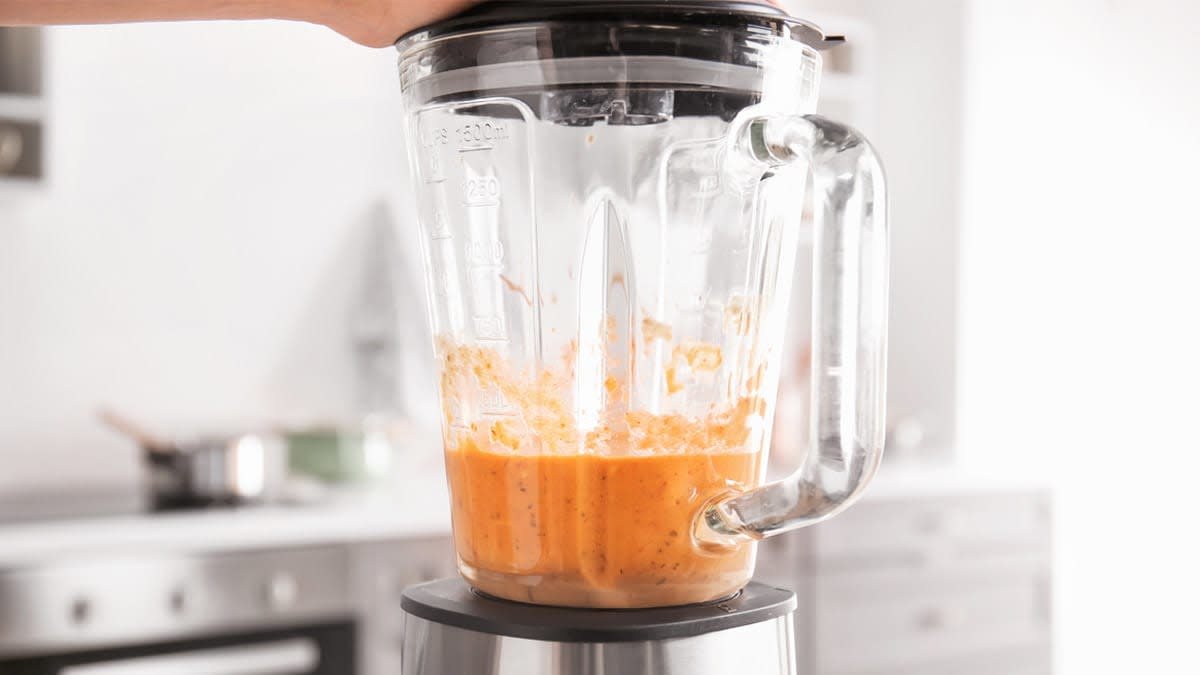
Are you tired of struggling with your blender every time you want to whip up a smoothie or sauce? Using your blender efficiently can save you time, reduce mess, and help you get the perfect texture every single time.
Imagine making your favorite recipes faster and with less effort. You’ll discover simple tips that will change the way you use your blender, making it a powerful tool in your kitchen. Keep reading, and you’ll unlock easy tricks that make blending smoother, quicker, and more effective.
Choosing The Right Blender
Using a blender efficiently starts with picking the right one for your needs. Different blenders serve different purposes.
Knowing the types and key features helps you select a blender that works well in your kitchen.
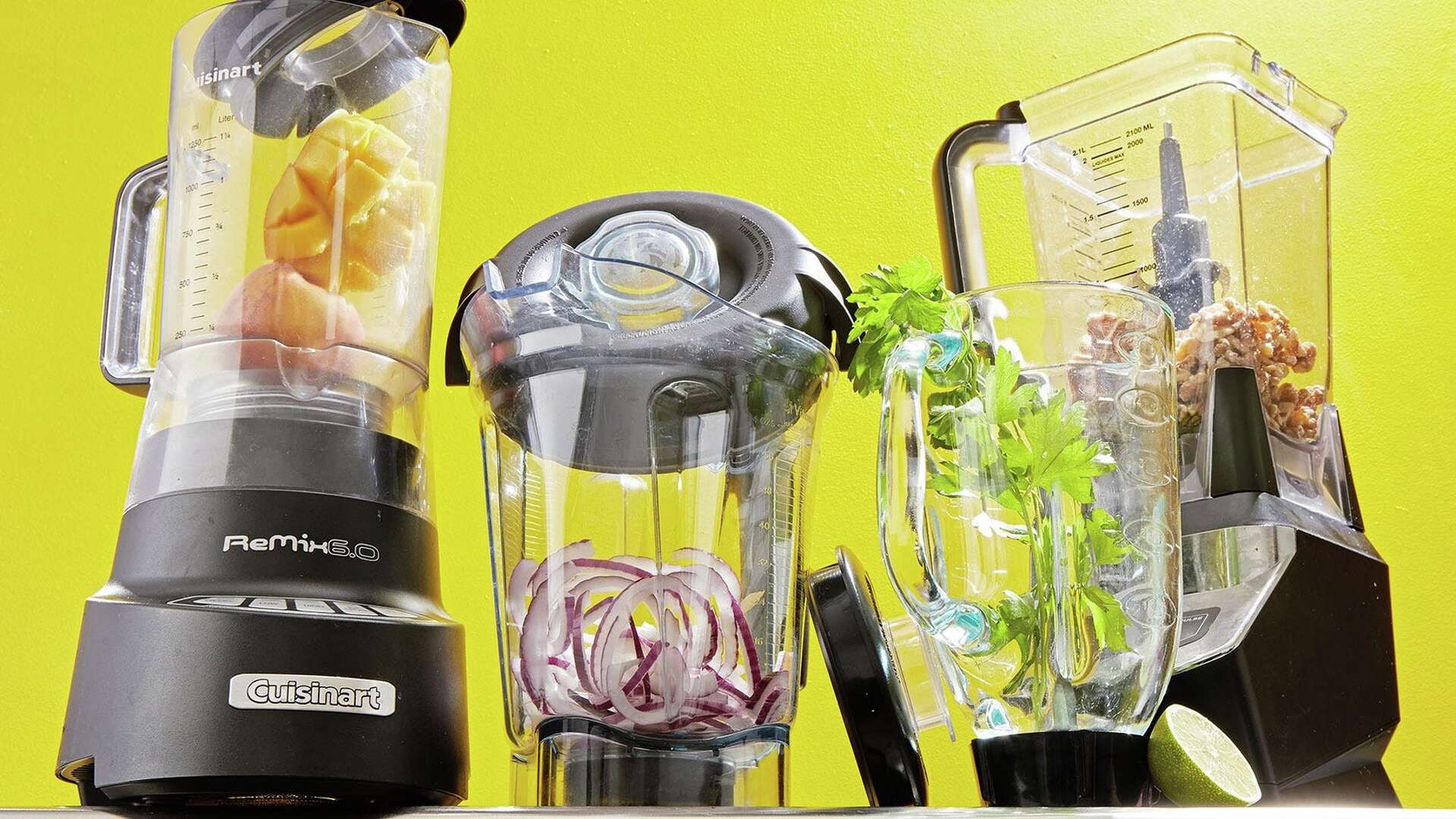
Types Of Blenders
There are several types of blenders available. Each has unique uses and benefits.
- Countertop Blenders: Good for smoothies, soups, and sauces.
- Immersion Blenders: Handheld and great for small tasks.
- Personal Blenders: Compact and perfect for single servings.
- High-Speed Blenders: Powerful and can handle tough ingredients.
Key Features To Consider
| Feature | Why It Matters |
|---|---|
| Power (Watts) | Higher power blends tough foods better and faster. |
| Blade Type | Sharp blades create smooth blends and handle ice well. |
| Capacity | Choose size based on how much you blend at once. |
| Speed Settings | Multiple speeds give control over texture and consistency. |
| Ease of Cleaning | Removable parts and dishwasher-safe items save time. |
Preparing Ingredients
Good preparation makes blending easier and faster. You need to prepare ingredients properly before putting them in the blender.
Cutting ingredients into the right size and order helps the blender work well and gives smooth results.
Chopping And Slicing Tips
Cut ingredients into small, even pieces. This makes blending smooth and avoids lumps.
- Use a sharp knife to cut ingredients safely and cleanly.
- Peel hard skins like carrots or apples for better texture.
- Remove large seeds or pits before chopping.
- Slice soft fruits into chunks to prevent mushy blends.
- Cut fibrous vegetables into thin strips to blend easily.
Optimal Ingredient Order
| Order | Type of Ingredient | Reason |
|---|---|---|
| 1 | Liquids (water, juice, milk) | Helps blades move smoothly |
| 2 | Soft fruits and vegetables | Blends easily and quickly |
| 3 | Hard vegetables and fruits | Needs more blade contact |
| 4 | Frozen or solid items | Added last to avoid damage |
| 5 | Powders and seeds | Mix evenly at the end |
Blending Techniques
Using a blender correctly can save time and improve your recipes. Understanding how to blend helps you get the right texture.
Different blending methods give different results. Knowing these can make your food smoother or chunkier.
Pulse Vs. Continuous Blending
Pulse blending means turning the blender on and off quickly. It helps control the chopping size.
Continuous blending runs the blender without stopping. It mixes ingredients fully and quickly.
- Pulse blending is good for chunky salsas or coarse mixtures.
- Continuous blending works well for smoothies and purees.
- Pulse lets you avoid over-blending.
- Continuous blending creates even, smooth textures.
Achieving Smooth Textures
Start with small pieces of food for smoother blending. Large chunks take longer to blend well.
Add liquids slowly to help ingredients move. This reduces lumps and clumps in your blend.
- Cut food into small pieces before blending
- Add liquids like water or juice gradually
- Use continuous blending for smooth results
- Stop and scrape sides if needed to blend evenly
Credit: www.statesman.com
Enhancing Flavor And Nutrition
Using a blender efficiently can improve the taste and health benefits of your food. Blending helps mix ingredients well, making flavors richer.
Good blending also keeps more vitamins and nutrients in your drinks and meals. Simple tips can make your blends better and healthier.
Adding Spices And Herbs
Spices and herbs add strong flavors without extra calories. They can make your blends taste fresher and more exciting.
Use small amounts of spices like cinnamon, ginger, or turmeric. Fresh herbs like mint, basil, or cilantro work well too.
- Start with a small pinch of spice and adjust to taste
- Add herbs near the end of blending for fresh flavor
- Use spices that help digestion, like ginger or turmeric
- Try mixing different herbs for new flavor combinations
Using Fresh Produce
Fresh fruits and vegetables give better taste and more nutrients than frozen or canned ones. They also blend more smoothly.
Choose ripe and seasonal produce for the best flavor. Wash and cut them into small pieces before blending.
- Use fresh leafy greens like spinach or kale for vitamins
- Try fresh fruits such as berries, apples, or bananas
- Peel and chop harder vegetables for easier blending
- Blend fresh produce quickly to keep nutrients
Troubleshooting Common Issues
Using a blender can be simple, but sometimes problems happen. Knowing how to fix common issues saves time and stress.
This guide covers two frequent problems: lumpy blends and overheating. Follow these tips to keep your blender working well.
Fixing Lumpy Blends
Lumpy blends can ruin smoothies or sauces. They happen when ingredients do not mix smoothly.
- Cut ingredients into smaller pieces before blending.
- Add liquids like water or juice to help mix.
- Use the pulse function to break up chunks gently.
- Stop and stir the mix, then blend again.
- Check if the blender blades are sharp and clean.
Preventing Overheating
Overheating can damage the blender motor. It usually happens when the blender runs too long or is overloaded.
| Cause | How to Prevent |
| Blending thick mixtures | Add liquid and blend in short bursts |
| Running blender too long | Use short blending intervals with breaks |
| Overfilling jar | Fill only to the recommended level |
| Blocked blades | Clean blades regularly and remove stuck food |
Cleaning And Maintenance
Using your blender often means it needs regular cleaning. Proper care keeps it working well.
Simple cleaning steps can save time and avoid damage. Good maintenance extends the blender’s life.
Quick Cleaning Tips
Cleaning right after use stops food from sticking. It is easier and keeps your blender fresh.
- Fill the blender halfway with warm water.
- Add a drop of dish soap.
- Run the blender for 30 seconds.
- Rinse well with clean water.
- Dry all parts before storing.
Long-term Care For Longevity
Regular deep cleaning helps prevent buildup inside the blender. Check parts for wear and tear.
Keep blades sharp and replace seals if needed. Store the blender in a dry place to avoid damage.
- Disassemble the blender for a full wash weekly.
- Use a soft brush to clean hard spots.
- Check the blades for dullness or rust.
- Replace rubber seals if they crack or break.
- Keep the base dry and wipe it with a damp cloth.
Creative Blending Ideas
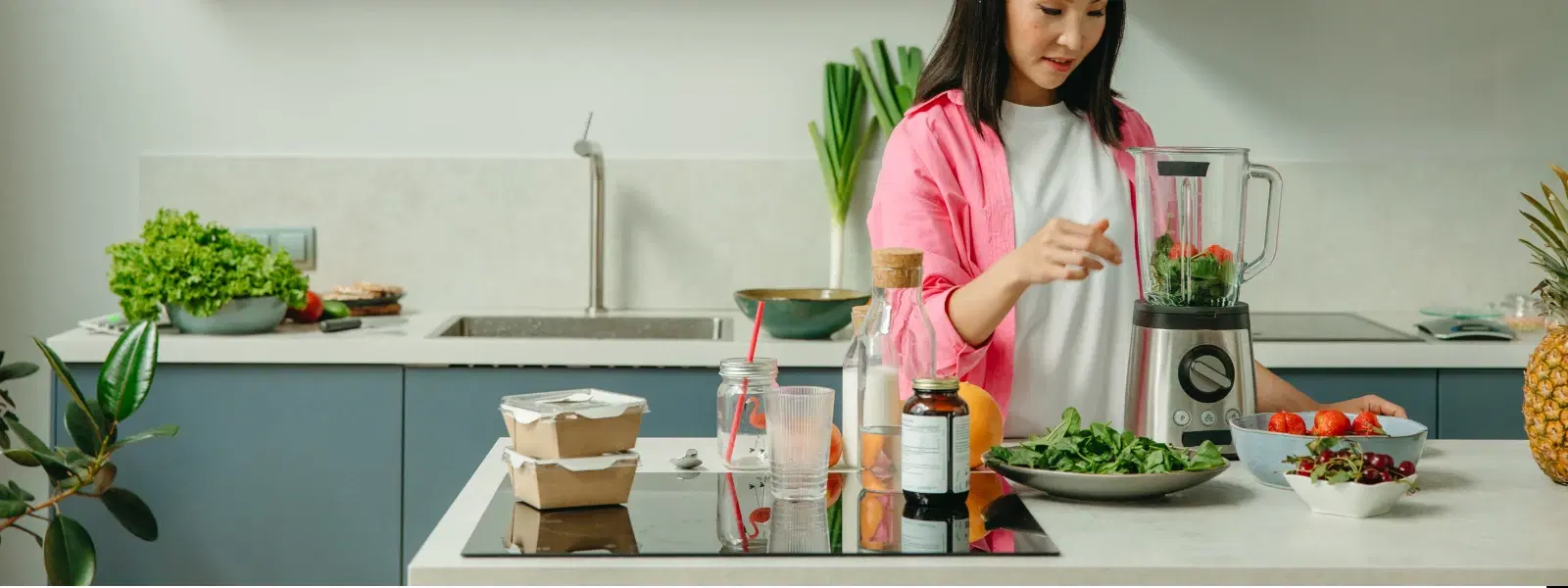
Using a blender can help you make tasty and healthy meals fast. You can create many dishes by mixing different ingredients.
Here are some creative ideas to help you use your blender better. Try these recipes for smoothies and soups that are easy and delicious.
Delicious Smoothie Combinations
Smoothies are great for quick breakfasts or snacks. Mix fruits, vegetables, and liquids to make tasty drinks. Use your blender to combine flavors smoothly.
- Banana, spinach, and almond milk
- Strawberry, mango, and orange juice
- Blueberry, Greek yogurt, and honey
- Peach, carrot, and coconut water
- Avocado, pineapple, and lime juice
Innovative Soup Recipes
Blenders can also help you make smooth and creamy soups. Blend cooked vegetables and broth for warm, healthy meals. Try these easy soup ideas.
| Soup | Main Ingredients | Flavor Boost |
| Tomato Basil | Tomatoes, basil, onion | Garlic and olive oil |
| Butternut Squash | Squash, carrot, onion | Nutmeg and cream |
| Broccoli Cheddar | Broccoli, cheese, potato | Black pepper and mustard |
| Carrot Ginger | Carrots, ginger, onion | Lemon juice and cilantro |
Credit: www.tataneu.com

Credit: www.youtube.com
Frequently Asked Questions
How Can I Prevent Blender Overheating?
To prevent overheating, avoid running the blender continuously for more than one minute. Allow it to cool down between uses. Clean vents regularly to keep airflow clear, and do not overload the blender with thick or frozen ingredients.
What Is The Best Way To Clean A Blender?
Fill the blender halfway with warm water and a drop of dish soap. Blend for 30 seconds, rinse thoroughly, and wipe the base. This method cleans blades and container efficiently without disassembly.
How Do I Blend Ingredients Evenly Every Time?
Cut ingredients into uniform pieces before blending. Start blending on low speed, then gradually increase. Use the pulse function for tough chunks. Stir or shake the blender jar if needed for even mixing.
Can I Blend Hot Liquids Safely?
Yes, but blend hot liquids with caution. Use a blender with a vented lid or remove the center cap to release steam. Start blending on low speed to prevent splashing and burns.
Conclusion
Using a blender well saves time and effort. Clean it right after use to keep it fresh. Cut ingredients into small pieces for smooth blending. Start with low speed, then increase if needed. Avoid overfilling to prevent spills or damage.
These easy steps help you get the best results. Enjoy making healthy drinks and meals with less hassle. Keep practicing, and blending will feel natural and fun.