

Are you looking to give your kitchen a fresh, stylish look without a full renovation? Using tiles for your kitchen backsplash is one of the smartest ways to do just that.
But with so many options and styles, it can be tricky to know where to start. You’ll discover simple tips that make choosing, installing, and maintaining your backsplash tiles easier than ever. By the end, you’ll feel confident creating a kitchen space that’s both beautiful and practical—one that truly reflects your taste.
Keep reading to unlock the secrets to a stunning kitchen backsplash!
Choosing The Right Tile Material
Choosing the right tile material for your kitchen backsplash is important. The material affects the look, durability, and cleaning process.
Different materials fit different styles and budgets. Learn about popular tile options to find the best one for your kitchen.
Ceramic And Porcelain Options
Ceramic and porcelain tiles are popular for kitchen backsplashes. They are easy to clean and come in many colors and patterns.
Porcelain tiles are denser and more durable than ceramic. Both resist moisture well, making them good for kitchens.
- Ceramic tiles are usually less expensive
- Porcelain tiles have a harder surface
- Both can be glazed for extra protection
- Available in many shapes and sizes
Glass For A Modern Look
Glass tiles add a shiny and modern feel to kitchens. They reflect light and make small spaces look bigger.
Glass tiles resist stains and are easy to wipe clean. They can be clear, colored, or frosted for different effects.
- Brightens the kitchen with light reflection
- Non-porous, so it resists stains well
- Can be slippery to handle during installation
- Requires careful cleaning to avoid scratches
Natural Stone Elegance
Natural stone tiles bring a warm and elegant look to the kitchen. Each tile has unique patterns and colors.
Stone like marble, slate, and travertine needs sealing to protect against stains. It adds a timeless style to your backsplash.
- Offers natural beauty with unique textures
- Needs regular sealing for water protection
- May require more maintenance than other tiles
- Durable and long-lasting if cared for

Credit: www.create-enjoy.com
Color And Pattern Selection
Choosing the right color and pattern for your kitchen backsplash tiles is important. It helps create the look and feel you want in your kitchen.
Think about how colors and patterns work with your cabinets, countertops, and walls. This makes your kitchen look balanced and inviting.
Neutral Tones For Versatility
Neutral tones like beige, gray, and white work well in many kitchens. They match most colors and styles easily.
These colors make your kitchen feel calm and clean. They also let other design features stand out without clashing.
- Light gray pairs well with dark cabinets
- Beige tiles add warmth to cool kitchens
- White tiles brighten small spaces
Bold Colors For Impact
Bright colors like blue, red, or green add energy to your kitchen. They create a strong visual focus behind the sink or stove.
Use bold colors carefully to avoid overpowering the room. Choose one or two bright shades for a balanced look.
- Deep blue works with white cabinets
- Red tiles add warmth and passion
- Green brings a natural, fresh feel
Patterned Tiles For Visual Interest
Patterned tiles add texture and style to your backsplash. They can make your kitchen unique and fun.
Choose patterns that match your kitchen style. Simple geometric shapes work well in modern kitchens. Floral or vintage patterns suit classic designs.
- Chevron patterns create movement
- Moroccan tiles add exotic charm
- Subtle patterns add depth without clutter
Tile Size And Layout Considerations
Choosing the right tile size and layout can change your kitchen’s look. Tiles can make the space feel bigger or cozier.
Think about the size of your kitchen and the style you want. This will help you pick the best tile size and pattern.
Large Vs Small Tiles
Large tiles cover more space and create a clean look. They have fewer grout lines, which means less cleaning.
Small tiles add detail and texture. They fit well in small kitchens or areas with curves and corners.
- Large tiles make kitchens look more open
- Small tiles highlight design details
- Large tiles need flat walls for best results
- Small tiles are easier to fit in tight spaces
Mosaic Tiles For Intricate Designs
Mosaic tiles are small pieces arranged to form patterns or pictures. They add color and style to your backsplash.
These tiles let you create unique designs that stand out. They work well for adding a focal point in the kitchen.
- Mix colors for vibrant effects
- Use glass or stone for texture
- Great for small backsplash areas
- Requires precise installation
Unique Layout Patterns
Tiles do not have to be placed in straight lines. Unique patterns add personality to the kitchen space.
Try patterns like herringbone, chevron, or diagonal layouts. These bring movement and style to your backsplash.
- Herringbone creates a zigzag look
- Chevron forms a V shape
- Diagonal layout adds visual interest
- Mix shapes for a custom design

Credit: www.create-enjoy.com
Incorporating Textures
Using tiles with different textures can make your kitchen backsplash stand out. Texture adds interest and can change the feel of the space.
Choosing the right texture helps you create a unique look that fits your style. Learn how to mix textures for a fresh backsplash design.
Matte Vs Glossy Finishes
Matte tiles have a soft, flat look that hides dirt and fingerprints well. Glossy tiles reflect light and make the kitchen look brighter.
- Matte tiles work well for a subtle, modern style.
- Glossy tiles add shine and can make small kitchens look bigger.
- Consider the lighting in your kitchen when choosing between matte and glossy.
- Glossy surfaces might need more cleaning to keep their shine.
Textured Tiles For Depth
Textured tiles bring depth and dimension to your backsplash. They catch light differently and add a tactile element.
| Texture Type | Description | Effect |
| 3D Patterns | Raised shapes or designs | Adds bold depth and shadow |
| Rough Surfaces | Uneven or grainy finish | Gives a natural, earthy feel |
| Rippled Tiles | Wavy surface | Creates movement and flow |
Combining Different Textures
Mixing textures can create a balanced and interesting backsplash. Use contrast to highlight each type of tile.
Try these tips for combining textures:
- Pair smooth glossy tiles with rough matte tiles.
- Use textured tiles as a border or accent.
- Mix small and large tiles to add variety.
- Keep colors similar to avoid clashing.
Accent And Feature Tiles
Tiling a kitchen backsplash adds style and protects the wall. Accent and feature tiles create visual interest.
These tiles highlight parts of the backsplash and add personality to your kitchen space.
Creating A Focal Point
A focal point draws attention to a specific backsplash area. Use feature tiles to make this spot stand out.
Place a patterned or colorful tile behind the stove or sink to create this effect.
- Pick a bold design for the feature area
- Keep surrounding tiles simple to highlight the focus
- Use shapes or colors that contrast with the rest
Using Metallic Accents
Metallic tiles add shine and a modern touch to your backsplash. They reflect light and brighten the kitchen.
Use small metallic tiles sparingly to avoid overwhelming the design.
- Mix metallic tiles with matte or glossy finishes
- Use metals like copper, gold, or silver for variety
- Place metallic accents near lighting for sparkle
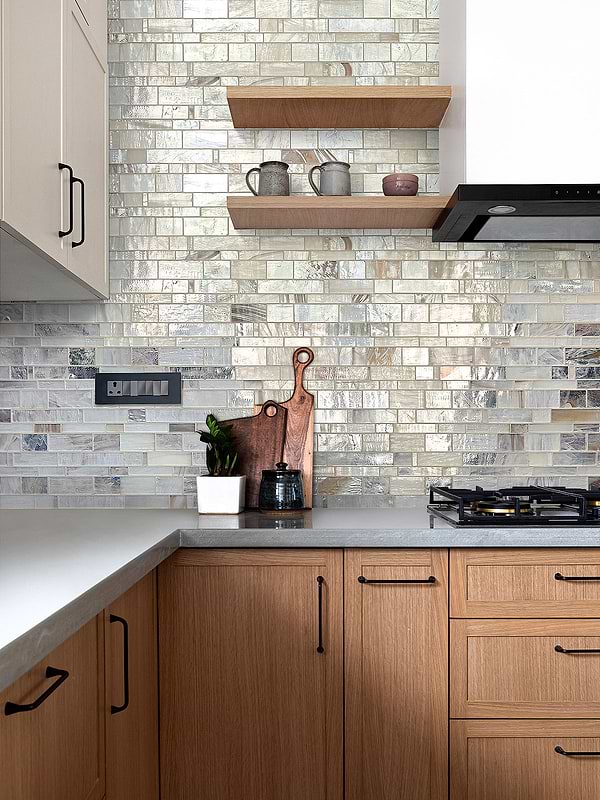
Mixing And Matching Styles
Combining different tile styles can make your backsplash unique. Blend textures, shapes, and colors carefully.
Balance is key to avoid a cluttered look while adding character.
- Pair subway tiles with mosaic accents
- Use neutral colors with bright feature tiles
- Combine smooth and textured tiles for depth
Credit: www.backsplash.com
Practical Installation Tips
Installing tiles for your kitchen backsplash can change the look of your kitchen. It also protects the wall from spills and stains.
Good planning and the right tools make the job easier. Follow these tips to get a smooth and lasting result.
Preparation And Planning
Start by measuring the area where you want to place tiles. Check the wall surface for cleanliness and smoothness.
Make sure you have all tools ready, such as tile cutters, adhesive, and spacers. Plan your tile layout to avoid small cuts at edges.
- Measure the backsplash area carefully
- Clean and smooth the wall surface
- Gather all tools and materials
- Arrange tiles on the floor to plan the layout
- Avoid placing tiny tile pieces at edges
Choosing The Right Grout
Grout fills the gaps between tiles. It helps hold tiles in place and stops dirt from getting behind them.
Select grout color that matches your tiles or contrasts for a design effect. Use grout that resists water and stains for kitchen backsplashes.
- Pick grout color to match or contrast tiles
- Use waterproof and stain-resistant grout
- Mix grout according to package instructions
- Apply grout evenly and wipe excess quickly
Diy Vs Professional Installation
Installing tiles yourself can save money but needs time and patience. Make sure you follow instructions carefully.
Hire a professional if the job seems too hard. They have tools and experience to do it fast and well.
- DIY saves money but requires effort and skill
- Professionals ensure quick and neat results
- Consider job size and your comfort level
- Proper installation prevents future problems
Maintenance And Care
Tiles in your kitchen backsplash can last for years with proper care. Keeping them clean and protected helps maintain their look. Simple maintenance keeps your kitchen fresh and inviting.
Taking time to care for your tiles prevents damage and costly repairs. Regular attention keeps grout and tiles in good condition.
Cleaning Tips For Longevity
Clean your tiles often to avoid stains and dirt buildup. Use gentle cleaners that do not harm the tile surface. Avoid harsh chemicals that can dull the tiles.
Wipe spills quickly to prevent stains. Use a soft cloth or sponge for cleaning. Regular cleaning keeps tiles shiny and fresh.
- Use mild soap and warm water
- Clean grout lines with a soft brush
- Dry tiles after cleaning to avoid water spots
- Avoid abrasive pads that scratch tiles
Sealing For Protection
Sealing tiles and grout protects them from moisture and stains. It creates a barrier that keeps dirt and water out. Apply a sealant every one to two years for best results.
Choose the right sealant for your tile type. Follow the product instructions carefully for safe and effective use.
- Seal grout lines to prevent mold and mildew
- Use a penetrating sealer for natural stone tiles
- Apply sealant in a well-ventilated area
- Test sealant on a small area first
Repairing Damaged Tiles
Fix chips or cracks quickly to avoid more damage. Small repairs keep tiles looking good and protect the wall behind them.
Replace broken tiles carefully to match the rest of the backsplash. Use proper tools and adhesive for a secure fit.
- Clean the area around the damaged tile
- Remove grout around the tile gently
- Lift out the broken tile without damaging neighbors
- Apply new adhesive before placing the replacement tile
- Re-grout and seal the repaired area
Frequently Asked Questions
What Type Of Tiles Work Best For Kitchen Backsplash?
Ceramic and porcelain tiles are popular for kitchen backsplashes. They resist moisture, stains, and heat well. Their variety in colors and patterns adds style and durability to your kitchen space.
How To Choose Grout Color For Kitchen Backsplash Tiles?
Select grout color that complements tile color for a seamless look. Light grout brightens the space, while dark grout hides stains. Consider tile size and kitchen style for the best match.
Can I Install Kitchen Backsplash Tiles Myself?
Yes, with proper tools and preparation, DIY installation is possible. Clean the wall, apply adhesive evenly, and space tiles correctly. However, complex patterns or materials may require professional help.
How To Maintain And Clean Kitchen Backsplash Tiles?
Wipe tiles regularly with a damp cloth and mild detergent. Avoid harsh chemicals that damage grout or tile surface. Seal grout annually to prevent stains and moisture buildup.
Conclusion
Choosing the right tiles can brighten your kitchen space. Keep your backsplash clean for a fresh look. Mix colors and patterns to add personality. Use grout that matches your tile for a neat finish. Simple care keeps tiles looking great for years.
Small changes can make a big difference. Enjoy creating a kitchen that feels warm and inviting. Tiles bring style and function together beautifully.