
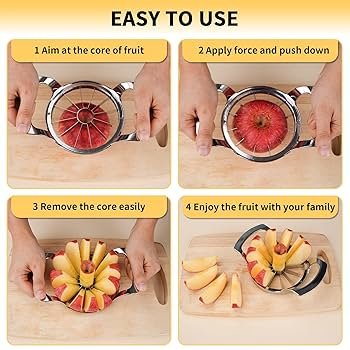
If you love making fresh fruit snacks or desserts, your fruit corer is a tool you rely on every time. But have you ever noticed it getting dull or sticky?
When your corer isn’t working smoothly, it can slow you down and make your kitchen tasks frustrating. The good news is, with just a few simple steps, you can keep your fruit corer sharp, clean, and ready to use whenever you need it.
You’ll discover easy and effective ways to maintain your fruit corer, so it lasts longer and works like new every time you reach for it. Keep reading—you’ll be surprised how small changes can make a big difference!
Choosing The Right Fruit Corer
Picking the right fruit corer makes removing cores easier and safer. The right tool fits your needs and the fruits you use it on.
Think about the materials and size before buying. These factors affect how well the corer works and how long it lasts.
Material Considerations
Fruit corers come in different materials. Each has pros and cons for cleaning, durability, and ease of use.
- Stainless Steel:Strong and rust-resistant. Easy to clean and lasts long.
- Plastic:Lightweight and often cheaper. May break faster and stain easily.
- Silicone:Good grip and soft handles. Not used for the blade but for comfort.
- Wood:Less common. Can absorb moisture and is harder to clean.
Design And Size Factors
Choose a corer size that matches your fruits. Designs can also affect comfort and efficiency.
| Design Feature | Benefit | Consideration |
| Handle Shape | Comfortable grip | Look for non-slip materials |
| Coring Tube Diameter | Fits fruit core size | Match to fruit size like apples or pears |
| Blade Sharpness | Easy cutting | Sharp blades need careful cleaning |
| Length | Reaches deep cores | Longer corers work for bigger fruits |
Cleaning Techniques
Keeping your fruit corer clean helps it work well and last longer. Dirt and fruit bits can build up fast.
Use simple cleaning steps to remove food and prevent rust or damage. Clean after every use.
Safe Washing Practices
Wash your fruit corer with warm water and mild soap. Avoid harsh chemicals that can ruin the tool.
Use a soft sponge or cloth to clean all parts. Do not use abrasive pads that can scratch the surface.
- Rinse the corer immediately after use
- Wash with mild dish soap and warm water
- Use a soft sponge or brush for cleaning
- Dry completely with a towel to prevent rust
Removing Stubborn Residues
Sometimes fruit residue sticks tightly to the corer. Soak it in warm water to soften the debris.
Use a small brush or toothpick to gently remove stuck bits. Be careful not to damage the blade or edges.
- Soak the corer in warm soapy water for 10-15 minutes
- Use a soft brush to scrub hard-to-remove bits
- Try a toothpick to clear tight spots
- Rinse and dry the corer thoroughly after cleaning
Drying And Storage
Proper drying and storage keep your fruit corer clean and ready to use. Moisture can cause damage and reduce its lifespan.
Follow simple steps to avoid rust and keep your tool in good condition. This helps maintain its sharpness and hygiene.
Preventing Rust
Rust forms when water stays on metal surfaces too long. Dry your fruit corer carefully after washing it to stop rust from forming.
- Use a clean towel to dry all parts immediately after washing.
- Let the corer air dry fully before storing it.
- Apply a light coat of food-safe oil on metal parts to protect from moisture.
- Avoid leaving the corer in damp places or inside closed containers while wet.
Ideal Storage Conditions
Store your fruit corer in a dry, cool area away from direct sunlight. This keeps metal and plastic parts safe from damage.
| Storage Factor | Recommended Condition |
|---|---|
| Temperature | Room temperature, around 20°C (68°F) |
| Humidity | Low humidity, less than 50% |
| Placement | Inside a drawer or container with good air flow |
| Protection | Wrap in a soft cloth or place in a protective case |

Credit: www.amazon.ca
Sharpening The Blades
Keeping your fruit corer blades sharp makes coring easier and safer. Dull blades can tear the fruit and require more force.
Regular sharpening helps maintain the tool’s performance and extends its life. Use the right methods and tools for best results.
Tools For Sharpening
You need proper tools to sharpen the blades safely and effectively. Common tools include sharpening stones, honing rods, and fine-grit sandpaper.
- Sharpening Stone:Use a wet or oil stone to grind and sharpen the blade edge.
- Honing Rod:Helps keep the blade edge straight and smooth between sharpenings.
- Sandpaper:Fine-grit sandpaper can polish the blade and remove minor burrs.
- Protective Gloves:Wear gloves to avoid cuts during sharpening.
Maintaining Sharpness
After sharpening, keep the blades sharp by cleaning and storing the corer properly. Regular maintenance prevents rust and dullness.
| Maintenance Task | Frequency | Purpose |
| Clean after use | Every time | Remove fruit residue and juice |
| Dry thoroughly | Every time | Prevent rust and corrosion |
| Light honing | Weekly | Keep edge aligned and sharp |
| Full sharpening | Monthly or as needed | Restore blade edge |
| Store in dry place | Always | Protect from moisture damage |
Regular Inspections
Regular inspections keep your fruit corer in good shape. They help spot problems early. This saves time and effort in the long run.
Checking your tool often ensures it works well and lasts longer. It also keeps your fruit preparation safe and easy.
Checking For Damage
Look closely at the corer for any cracks or bent parts. Damage can make the tool unsafe or less effective.
- Examine the blade for dullness or chips.
- Check the handle for cracks or looseness.
- Inspect the coring tube for dents or warping.
- Look for rust or corrosion on metal parts.
- Make sure no parts are missing or loose.
Ensuring Proper Function
Test your fruit corer to see if it cuts smoothly and holds firmly. Good function means safer and easier use.
| Check Point | What to Look For | Action Needed |
| Blade Sharpness | Sharp and clean edge | Sharpen or replace blade |
| Handle Grip | Firm and comfortable | Tighten or replace handle |
| Corer Tube | Proper size and shape | Realign or replace tube |
| Overall Stability | No wobble or looseness | Tighten screws or bolts |

Credit: www.amazon.ca
Tips For Extended Durability
A fruit corer is a handy kitchen tool. To keep it working well, you must care for it properly.
Simple maintenance steps help the corer last longer. This saves money and keeps it safe to use.
Avoiding Common Mistakes
Many people make mistakes that damage their fruit corers. Avoid these to keep your tool sharp and strong.
- Do not use the corer on very hard fruits like pineapples.
- Never wash the corer in a dishwasher unless the label says it is safe.
- Avoid using too much force when coring fruits.
- Do not leave the corer wet or dirty after use.
- Do not store the corer loosely with other metal tools.
Best Practices For Longevity
Follow these best habits to keep your fruit corer in top shape. Regular care makes a big difference.
- Clean the corer right after use with warm water and mild soap.
- Dry it completely before storing to prevent rust.
- Sharpen the blade carefully if it becomes dull.
- Store the corer in a dry place, inside a protective case or holder.
- Check for damage regularly and fix small issues early.
When To Replace Your Fruit Corer
Your fruit corer helps remove the core quickly. Over time, it can wear out or break. Knowing when to replace it saves time and keeps your fruit prep easy.
Using a damaged corer can make it hard to get clean cuts. It might also cause accidents in the kitchen. Check your tool often to see if it needs replacing.
Signs Of Wear And Tear
Look for changes in your fruit corer’s condition. Some signs mean it is time to get a new one. Watch for these common problems:
- The blade is dull and does not cut well
- The corer bends or feels loose
- Rust or corrosion appears on the metal
- Parts break or come off easily
- The handle cracks or becomes uncomfortable to hold
If you see any of these signs, your corer may not work safely or well. Using a damaged tool can spoil your fruit or hurt your hand.
Choosing A New Corer
Pick a fruit corer that fits your needs. Think about the types of fruit you core most. Choose one that feels comfortable in your hand.
- Select a corer with a sharp, rust-resistant blade
- Look for sturdy handles with good grip
- Consider easy-to-clean designs
- Pick a size that matches your fruit type
- Check reviews or ask for recommendations
Replacing your fruit corer with the right one keeps your kitchen work simple and safe. A good tool lasts longer and works better.

Credit: www.amazon.ca
Frequently Asked Questions
How Often Should I Clean A Fruit Corer?
Clean your fruit corer after every use to prevent residue buildup. Use warm soapy water and a brush to remove pulp. Dry it thoroughly to avoid rust and maintain hygiene.
What Is The Best Way To Sharpen A Fruit Corer?
Use a small sharpening stone or fine-grit sandpaper to sharpen the blade. Gently stroke the blade edges at a consistent angle. Regular sharpening keeps the corer efficient and safe.
Can I Put My Fruit Corer In The Dishwasher?
Most fruit corers are dishwasher safe, but check the manufacturer’s instructions first. Hand washing is gentler and prolongs the tool’s life, especially for wooden handles.
How Do I Prevent Rust On My Fruit Corer?
Dry your fruit corer immediately after washing. Store it in a dry place away from moisture. Applying a light coat of food-safe oil can also prevent rust.
Conclusion
Maintaining your fruit corer keeps it working well for a long time. Clean it after each use to stop rust and build-up. Dry it fully before storing to avoid damage. Sharpen the blade if it feels dull for easy coring.
Store in a dry place away from moisture. Regular care saves money and makes fruit prep easier. Simple steps can keep your kitchen tool ready anytime. Take a little time for upkeep, and your corer will last.