
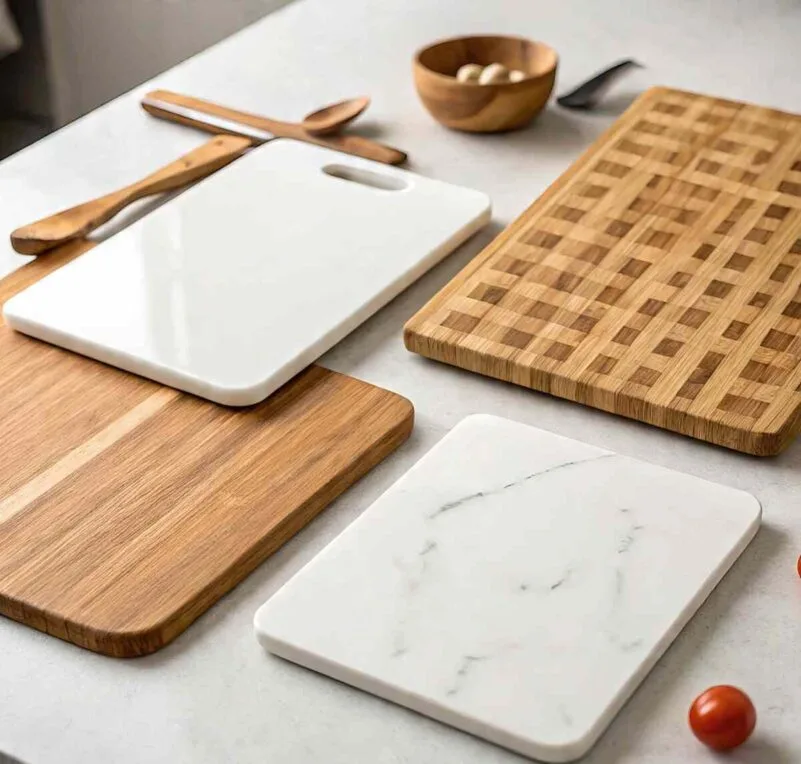
Choosing the right cutting board might seem simple, but it can make a huge difference in your kitchen. You want a board that’s safe, easy to clean, and perfect for the types of food you prepare.
Picking the wrong one can lead to dull knives, messy counters, or even health risks. You’ll discover exactly what to look for so you can make the best choice for your cooking style and keep your kitchen running smoothly. Keep reading to find out how to select a cutting board that fits your needs perfectly.
Material Choices
Choosing the right cutting board material is important for your kitchen tasks. Different materials offer various benefits and drawbacks.
Consider your cooking style and cleaning habits when picking a cutting board material.
Wood Boards
Wood cutting boards are gentle on knives and have a natural look. They absorb moisture, which helps keep food fresh.
They need regular oiling to stay in good shape. Wood boards can last a long time with proper care.
- Good for cutting fruits, vegetables, and bread
- Can be sanitized with vinegar or mild soap
- Not dishwasher safe
- May develop knife marks over time
Plastic Options
Plastic cutting boards are lightweight and easy to clean. Most types are dishwasher safe, making them very hygienic.
They are often less expensive but may wear out faster. Scratches can trap bacteria if not cleaned well.
- Available in many colors to avoid cross-contamination
- Good for raw meat and fish
- May need replacement every few years
- Can be scored by knives quickly
Bamboo Alternatives
Bamboo boards are eco-friendly and harder than wood. They resist knife marks better and dry quickly.
Bamboo requires less oiling but can be rough on knives. It is a good choice for those who want a natural look and durability.
- Lightweight and sustainable
- Less porous than wood
- Not dishwasher safe
- May crack if not cared for properly
Glass Boards
Glass cutting boards are easy to clean and very durable. They do not absorb odors or stains.
They can dull knives quickly and may cause blades to slip. Glass boards are best for serving or cutting soft foods.
- Non-porous and hygienic
- Dishwasher safe
- Can break or chip if dropped
- Not recommended for heavy chopping
Size And Shape Considerations
Choosing the right cutting board size and shape helps you work comfortably. It also keeps your kitchen organized and safe.
Think about the space you have and the tasks you do most. This will guide your choice of cutting board.
Standard Sizes
Standard cutting boards come in small, medium, and large sizes. Small boards fit tight spaces and quick jobs. Large boards handle big tasks and more food.
- Small: About 8 x 10 inches, good for fruits and small veggies
- Medium: Around 10 x 14 inches, fits most daily tasks
- Large: 15 x 20 inches or more, best for big cuts and batches
Specialty Shapes
Specialty shapes include round, oval, and double-sided boards. Round boards work well for bread and cheese. Double-sided boards offer different surfaces for different foods.
Choose shapes that suit your cooking style and kitchen space. Some shapes add style while serving food.
- Round: Great for serving and chopping small items
- Oval: Adds space and style for various tasks
- Double-sided: One side for meat, one for veggies
Storage Solutions
Think about how you will store your cutting board. Some boards stand upright, saving counter space. Others lie flat in drawers or on shelves.
Boards with handles or holes are easier to hang. Choose storage that fits your kitchen layout and keeps your board dry.
- Vertical storage saves counter space
- Drawer storage keeps boards hidden and clean
- Hanging boards dry quickly and are easy to grab
Durability And Maintenance
Choosing the right cutting board means thinking about how long it lasts. Durability and ease of care matter most. A strong board saves money and effort in the long run.
Good maintenance keeps the board safe and clean. It also protects the surface from damage and bacteria. Learning proper care helps your cutting board stay useful.
Cleaning Techniques
Cleaning your cutting board well stops germs from growing. Use warm soapy water after every use. Avoid soaking wooden boards to prevent warping.
- Wash with mild dish soap and warm water
- Rinse and dry immediately with a clean towel
- Use a scrub brush for stubborn stains
- Sanitize with vinegar or diluted bleach solution
- Never put wooden boards in the dishwasher
Longevity Factors
Material and care affect how long a cutting board lasts. Hardwood boards resist cuts better than soft plastics. Regular oiling keeps wood from drying out.
| Material | Durability | Care Required |
| Maple Wood | High | Oil monthly |
| Bamboo | Medium | Oil regularly |
| Plastic | Medium | Dishwasher safe |
| Glass | Low (prone to chipping) | Easy cleaning |
Repair And Replacement
Small cuts can be fixed by sanding wooden boards. Deep grooves trap bacteria and need more care. Replace boards that are cracked or hard to clean.
- Sand wood to smooth out cuts
- Use mineral oil after sanding
- Replace plastic boards when heavily scored
- Discard boards with deep cracks or warping
Safety And Hygiene
Choosing the right cutting board is important for kitchen safety. It helps keep food clean and prevents illness.
Good hygiene practices stop bacteria from spreading during food preparation. This keeps your meals safe to eat.
Bacterial Concerns
Bacteria can grow on cutting boards if not cleaned well. Some materials hold bacteria more than others.
Wood boards can absorb moisture and bacteria. Plastic boards may get deep cuts where germs hide.
- Choose boards that are easy to clean
- Avoid boards with many cracks or grooves
- Replace boards that are heavily damaged
Cross-contamination Prevention
Cross-contamination happens when germs move from one food to another. This can cause food poisoning.
Use different cutting boards for raw meat, vegetables, and cooked foods. This lowers the risk of germs spreading.
- Label boards for specific food types
- Keep raw and cooked food boards separate
- Wash hands between handling different foods
Surface Sanitization
Cleaning your cutting board well kills bacteria and keeps food safe. Use hot, soapy water after each use.
Sanitize boards regularly with vinegar or a mild bleach solution. Let boards dry completely before storing.
- Wash boards with hot, soapy water
- Sanitize with safe cleaning solutions
- Dry boards fully to prevent bacteria
Eco-friendly Options
Choosing the right cutting board helps protect the planet. Eco-friendly boards last long and reduce waste.
Look for materials and designs that support a healthy environment. This guide covers key points to consider.
Sustainable Materials
Sustainable cutting boards come from renewable sources. Wood from managed forests and bamboo are popular choices.
- Hardwood boards resist damage and last many years.
- Bamboo grows quickly and requires less water.
- Recycled plastic boards reuse waste materials.
Recyclable Choices
Recyclable cutting boards reduce landfill waste. Check if the board can be recycled after use.
| Material | Recyclability |
| Bamboo | Compostable and biodegradable |
| Wood | May be recycled or composted |
| Plastic | Depends on type; some are recyclable |
Environmental Impact
Consider how cutting boards affect the environment during their life. Production and disposal matter.
- Choose boards made with low-energy processes.
- Avoid materials that release toxins when discarded.
- Pick durable boards to reduce replacement frequency.

Credit: bonbonniereboss.com
Cost And Budget
Choosing the right cutting board depends on your budget. Cutting boards come in many prices and materials. Knowing your budget helps you pick the best option.
Think about how often you cook and what you need. This will guide you to a cutting board that fits your price range and needs.
Affordable Options
Affordable cutting boards usually come in plastic or bamboo. They are light and easy to clean. These boards work well for everyday tasks.
Plastic boards are often dishwasher safe. Bamboo boards are harder but need hand washing. Both types can last long if cared for properly.
- Plastic boards cost between $10 and $20
- Bamboo boards usually range from $15 to $30
- Good for light to medium kitchen use
Premium Choices
Premium cutting boards use high-quality wood like maple or walnut. They look nice and last a long time. These boards often resist knife marks well.
They need more care, like oiling to keep wood healthy. Premium boards cost more but offer durability and style for serious cooks.
- Price range from $50 to $150 or more
- Made from hardwoods such as maple or walnut
- Require regular maintenance with mineral oil
Value For Money
Value means getting a good board without paying too much. Look for boards that balance price, quality, and care needs. This helps you save money over time.
Boards with medium price and good materials often offer the best value. They last long and handle daily use without extra costs.
- Mid-range boards cost $25 to $50
- Made from durable woods or thick bamboo
- Easy to maintain and clean
- Good for most home kitchens
Aesthetic Appeal
Choosing a cutting board is not just about function. Its look also matters a lot. A beautiful cutting board can enhance your kitchen’s style.
Consider the design, colors, and how it fits with your kitchen décor. These details make a difference in your kitchen’s feel.
Design Varieties
Cutting boards come in many designs. Some have simple shapes. Others show unique patterns or textures. Choose a design that matches your taste.
- Classic rectangular boards
- Round or oval shapes
- Boards with juice grooves
- Decorative inlays or edge patterns
Color Options
Colors vary from natural wood tones to bright synthetic shades. Pick a color that fits your kitchen theme or adds a pop of color.
| Material | Common Colors |
| Bamboo | Light yellow to greenish |
| Maple | Light cream to pale brown |
| Plastic | Red, blue, green, white, black |
| Composite | Dark gray to black |
Matching Kitchen Décor
Think about your kitchen’s style. A cutting board should blend or stand out nicely. Match wood tones to cabinets or use contrasting colors for interest.
Tips to match your cutting board:
- Use warm wood boards with rustic kitchens
- Pick sleek, dark boards for modern kitchens
- Choose colorful boards to brighten neutral spaces
- Coordinate with countertop materials and colors
Credit: www.forbes.com
User Reviews And Recommendations
Choosing the right cutting board can affect your cooking and kitchen cleanup. Many buyers rely on user reviews to find the best options.
This guide covers popular brands, what consumers say, and expert recommendations to help you decide.
Popular Brands
Several brands stand out for quality and durability. Each brand offers different materials and sizes to fit your needs.
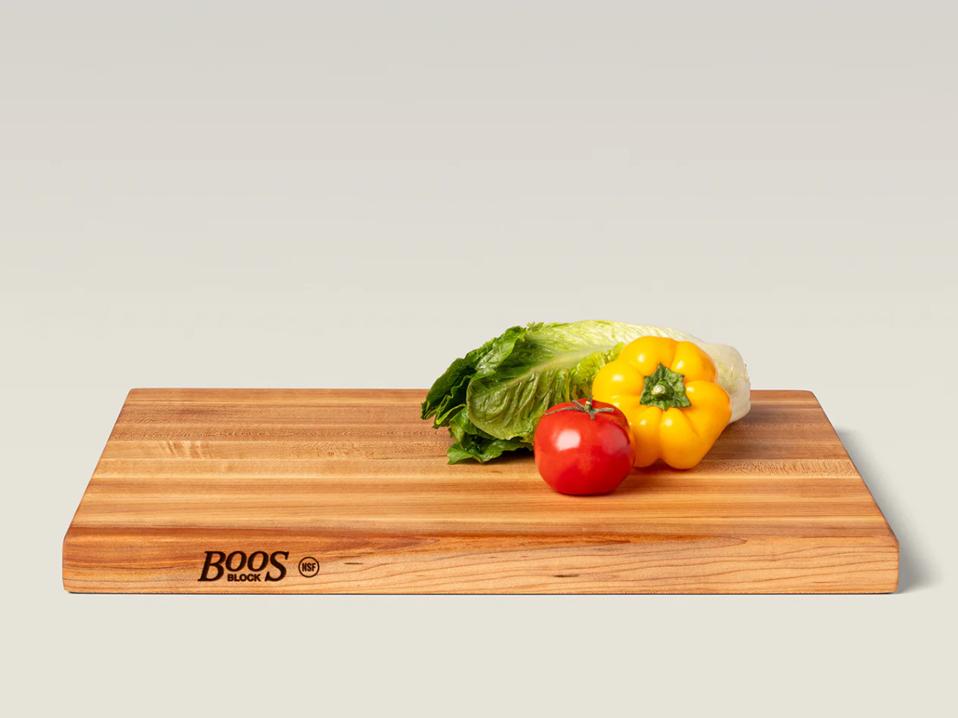
- John Boos – Known for hardwood and professional-grade boards.
- OXO – Offers plastic boards with non-slip edges.
- Epicurean – Features eco-friendly wood composite boards.
- Totally Bamboo – Specializes in sustainable bamboo boards.
- Joseph Joseph – Provides innovative designs with color coding.
Consumer Feedback
Users often highlight durability, ease of cleaning, and resistance to knife marks. Some prefer plastic for dishwasher use, while others like wood for its natural feel.
| Feature | Positive Feedback | Common Complaints |
| Material | Wood feels sturdy and lasts long | Plastic can stain or warp |
| Cleaning | Plastic is easy to wash | Wood requires hand washing only |
| Maintenance | Wood boards look better over time | Plastic boards show knife marks quickly |
| Price | Users find value in mid-range boards | High-end boards cost more |
Expert Picks
Experts recommend boards based on use, material, and care. They advise matching the board to your cooking habits.
- Choose hardwood boards for heavy chopping and durability.
- Use plastic boards for raw meats to avoid cross-contamination.
- Pick bamboo for eco-friendly and light cutting tasks.
- Look for boards with juice grooves to catch liquids.
- Replace boards with deep cuts to keep food safe.

Credit: www.amazon.ca
Frequently Asked Questions
What Is The Best Material For A Cutting Board?
Wood and plastic are popular cutting board materials. Wood is durable and gentle on knives. Plastic is easy to clean and dishwasher-safe. Choose based on your cooking needs and maintenance preference.
How To Choose The Right Cutting Board Size?
Select a cutting board size that fits your kitchen space. Larger boards offer more workspace but need more storage. Consider your countertop space and typical meal prep size before buying.
Are Wooden Cutting Boards Better Than Plastic?
Wooden boards resist knife marks and bacteria naturally. Plastic boards are dishwasher-safe and less expensive. Both have pros; choose based on hygiene preference and cleaning habits.
How Often Should I Replace My Cutting Board?
Replace your cutting board when deep grooves or cracks appear. These can harbor bacteria and affect food safety. Regularly inspect for damage to maintain hygiene and knife safety.
Conclusion
Choosing the right cutting board makes cooking safer and easier. Think about the material, size, and how you will clean it. Wooden boards are gentle on knives but need care. Plastic boards are easy to wash and good for raw meat.
Always keep your board clean to avoid germs. A good cutting board lasts long and helps in meal prep. Take your time to pick one that fits your kitchen needs well. This simple step improves your cooking experience every day.