
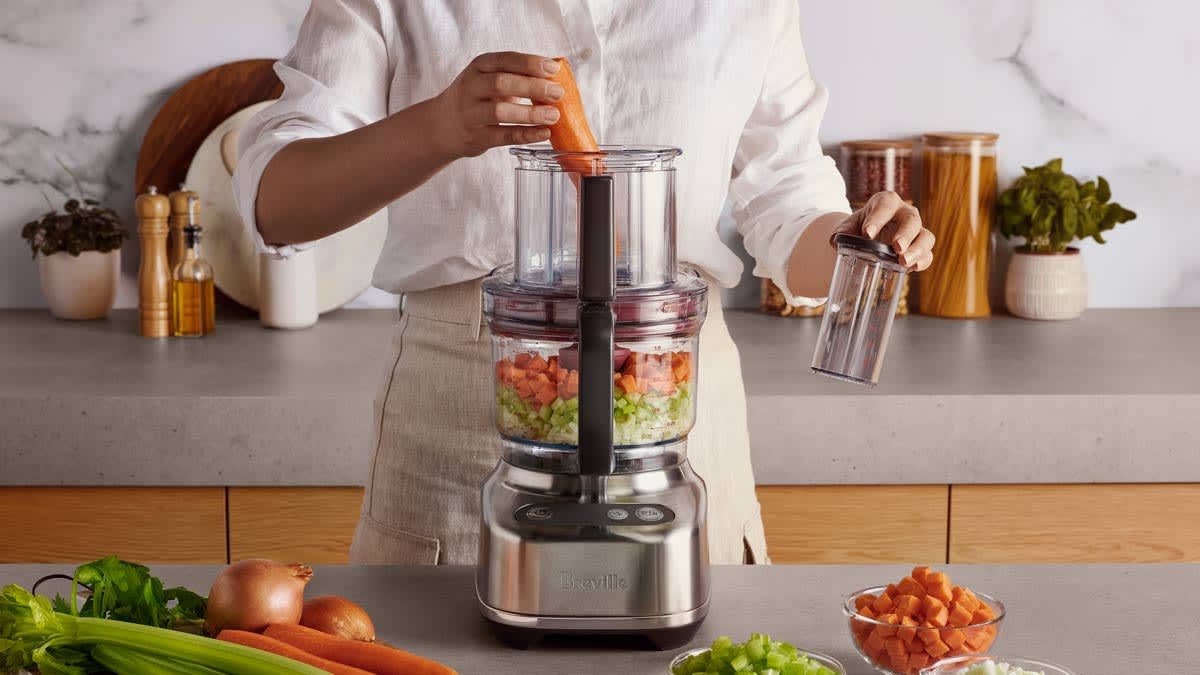
Are you tired of spending too much time chopping vegetables and fruits in the kitchen? Choosing the right food chopper can change the way you prepare meals, making your cooking faster and more enjoyable.
But with so many options out there, how do you pick the best one for your needs? This guide will help you find a food chopper that fits your kitchen style, saves you effort, and lasts for years. Keep reading to discover simple tips that will make your next purchase a smart and satisfying one.
Benefits Of Using A Food Chopper
A food chopper saves time in the kitchen. It cuts vegetables and fruits quickly and evenly.
Using a food chopper reduces effort. It makes cooking easier and more enjoyable.
Saves Time And Effort
A food chopper cuts food faster than using a knife. It lowers the time spent on meal prep. It also reduces hand strain from chopping.
Consistent And Even Cuts
Food choppers give uniform pieces every time. This helps food cook evenly. It also improves the look of dishes.
Versatility In Food Preparation
Food choppers can chop, dice, and mince many ingredients. You can use them for nuts, herbs, and onions too.
- Chop vegetables quickly
- Make salsa or guacamole
- Prepare nuts for baking
- Minced herbs for seasoning
Easy To Clean And Store
| Feature | Benefit |
| Detachable Blades | Safe and easy to wash |
| Compact Size | Fits well in kitchen drawers |
| Simple Design | Quick to assemble and use |
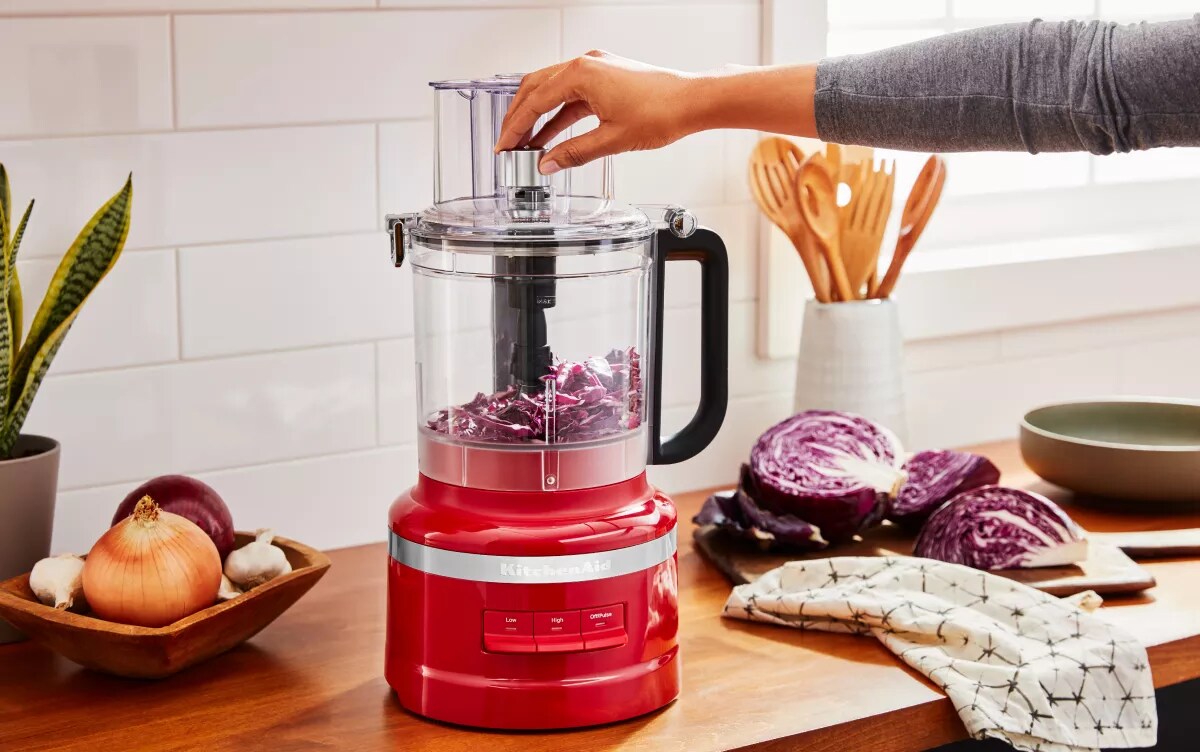
Credit: www.kitchenaid.com
Types Of Food Choppers
Food choppers help prepare ingredients quickly and safely. They come in different types to fit your kitchen needs.
Choosing the right type depends on the food you want to chop and how often you cook.
Manual Choppers
Manual choppers work without electricity. You use your hands to cut or chop food.
- They are lightweight and easy to clean.
- Good for small tasks like chopping herbs or nuts.
- Often have a pull-cord or hand-press mechanism.
- Require some effort but give you control over chopping size.
Electric Choppers
Electric choppers use power to cut food fast. They save time and reduce effort.
| Feature | Benefit |
|---|---|
| Fast chopping | Prepare large amounts quickly |
| Multiple speed settings | Control chopping size and texture |
| Easy to use | Press a button to start |
| Requires power source | Not portable without outlet |
Specialty Choppers
Specialty choppers serve specific cooking needs. They may slice, dice, or shred food precisely.
- Mandoline slicers for even vegetable slices
- Herb scissors for quick herb cutting
- Garlic presses for easy garlic mincing
- Fruit corers for removing cores cleanly
Key Features To Consider
Choosing the right food chopper makes food preparation easier. You should focus on features that fit your needs.
This guide covers four important features to check before buying a food chopper.
Blade Quality
Sharp and durable blades chop food quickly and evenly. Stainless steel blades resist rust and stay sharp longer.
Look for blades that are easy to remove and replace for maintenance.
Capacity
Choose a chopper size that matches your usual cooking volume. Small capacity suits single meals, while larger bowls help with big batches.
| Capacity | Best For |
| 1 to 2 cups | Small meals, single servings |
| 3 to 5 cups | Family meals, batch cooking |
| Over 5 cups | Large gatherings, meal prep |
Ease Of Cleaning
Parts that detach easily help with quick cleaning. Dishwasher-safe pieces save time.
- Check if blades and bowls are dishwasher safe
- Look for smooth surfaces without hard-to-reach spots
- Choose designs that prevent food from getting stuck
Safety Features
Safety locks stop the chopper from working if not assembled correctly. Non-slip bases keep it steady during use.
These features reduce the risk of accidents and make chopping safer for all users.
Material And Durability
Choosing the right food chopper means thinking about the materials it is made from. Good materials ensure the chopper lasts long and works well.
Durability helps you save money and avoid frequent replacements. Let’s look at key material types and their durability features.
Common Materials Used In Food Choppers
Food choppers come in many materials. Each type affects how strong and safe the chopper is.
- Stainless Steel:Strong, rust-resistant, and easy to clean.
- Plastic:Lightweight and affordable but can break easily.
- Glass:Heavy but does not absorb odors or stains.
How To Check Durability
Durability depends on the build quality and materials used. Look for strong joints and sharp blades.
| Material | Durability | Maintenance |
| Stainless Steel | High | Easy to clean, resists rust |
| Plastic | Medium | May crack, avoid heat |
| Glass | Medium to High | Fragile but stain-resistant |
Tips To Extend Your Chopper’s Life
Proper care helps your food chopper last longer. Follow these simple tips.
- Clean after each use to prevent residue build-up.
- Do not use harsh chemicals or abrasive tools.
- Store in a dry place to avoid rust.
- Replace blades if they become dull.
Size And Storage
Choosing the right size of a food chopper is important for your kitchen space. It helps you store the chopper easily and use it comfortably.
Think about how much food you chop often. Also, consider where you will keep the chopper when not in use.
Consider Your Kitchen Space
Measure the space where you plan to keep the chopper. Small kitchens need compact choppers. Large kitchens can fit bigger models.
A chopper that is too big can clutter your counter. A very small chopper might need more batches to chop food.
Think About Storage Options
Look for choppers that store easily in your kitchen cabinets or drawers. Some models come with parts that fit inside each other.
Stackable or nesting parts save space. Also, check if the chopper fits on your shelf or countertop without trouble.
- Choose choppers with detachable parts for easy storage
- Stack blades and containers to save space
- Pick a design that fits your storage area
Price Range And Budget
Choosing a food chopper means thinking about your budget first. Different models come at various prices. Picking the right price helps you get what you need without overspending.
Knowing your price range can narrow down your options. This saves time and helps you focus on the best choices for your kitchen.
Set Your Budget Before Shopping
Decide how much money you want to spend on a food chopper. This helps avoid looking at models you cannot afford. A clear budget keeps your shopping simple and stress-free.
Think about how often you will use the chopper. If you use it daily, spending more might be worth it. For occasional use, a cheaper model can work well.
Compare Prices With Features
Look at what features different price levels offer. Some cheap choppers have basic functions. More expensive ones add speed, power, and extra parts.
- Low price: simple design, fewer parts
- Mid price: better blades, more functions
- High price: fast motor, durable materials
Match the features you need with the price you want. This helps you get the best value for your money.
Watch For Extra Costs
Some food choppers need extra parts or special blades. These can add to the total cost. Check if these extras fit your budget.
Also, think about cleaning tools or replacement parts. These small costs can add up over time.
Brand Reputation And Reviews
Choosing a good food chopper starts with checking the brand’s reputation. A trusted brand often makes reliable products.
Reading reviews helps you learn from other buyers’ experiences. Reviews reveal real pros and cons.
Why Brand Reputation Matters
Brands with strong reputations usually provide quality products. They also offer better customer service.
A good brand often tests their products well before selling them. This means fewer problems for you.
How To Check Brand Reputation
Look for brands that have been around for a long time. Longevity can show trust and success.
- Search for the brand name online
- Read expert reviews and ratings
- Ask friends or family for advice
Reading Customer Reviews
Customer reviews share honest opinions about the food chopper’s use. They tell you what works and what does not.
Check reviews on multiple websites to get a full picture. Watch for repeated issues or praises.
- Look for reviews with photos or videos
- Focus on recent reviews
- Note how the seller replies to complaints
Beware Of Fake Reviews
Some reviews may be fake or paid. These can give a wrong idea about the product.
Check if the reviews sound real and detailed. Too many perfect reviews can be a warning sign.
- Check if reviews come from verified buyers
- Avoid products with only five-star reviews
- Look for balanced feedback with pros and cons
Warranty And Customer Support
Choosing a food chopper means thinking about its warranty and support. These factors protect your purchase.
Good customer support helps fix problems quickly. A solid warranty gives peace of mind.
Understand The Warranty Period
Check how long the warranty lasts. Some food choppers have short coverage, others offer years.
Longer warranties often mean better product quality and more trust from the maker.
- Look for at least one year of warranty
- Know what parts are covered
- See if the warranty includes repairs or replacements
Check What The Warranty Covers
Read the warranty details carefully. Some only cover motor problems or parts that break.
Make sure it covers the common issues you worry about, like blade damage or motor failure.
- Parts replacement
- Labor costs for repairs
- Damage from normal use
Evaluate Customer Support Quality
Good customer support answers your questions fast. They guide you through fixes or returns.
Look for brands with phone, email, or chat support. This makes help easy to get.
- Check online reviews about support
- See if support is available on weekends
- Look for clear user manuals and FAQs
Consider Return And Repair Policies
Find out how easy it is to return or repair the food chopper. Some stores have strict policies.
Good policies let you return the product if it fails quickly. Repairs should be simple and fast.
- Return period length
- Repair service locations
- Costs for repair or return shipping
Additional Accessories And Attachments
Food choppers often come with extra accessories that can make food preparation easier. These attachments can help you do more than just chop.
Knowing about these extras helps you pick a chopper that fits your kitchen needs well.
Extra Blades
Many food choppers offer extra blades for different cutting styles. These blades can slice, dice, or julienne your food.
Choose a chopper with blades that fit your cooking style. Make sure they are easy to clean and replace.
Storage Containers
Some choppers include storage containers to keep chopped food fresh. These containers come in various sizes and shapes.
- Look for containers that seal tightly to prevent spills.
- Check if they are dishwasher safe for easy cleaning.
- See if containers fit in your fridge or pantry space.
Safety Features
Attachments like blade covers and locking lids improve safety during use and storage. These features help avoid accidents.
- Choose blade covers that fully enclose sharp parts.
- Pick lids that lock securely during chopping.
- Look for non-slip bases to keep the chopper stable.
Additional Tools
Some food choppers come with tools like peelers or graters. These help with prepping food quickly and easily.
| Accessory | Use |
| Peeler | Remove skins from fruits and vegetables |
| Grater | Grate cheese, vegetables, or nuts |
| Whisk Attachment | Mix eggs or batter |

Credit: www.cuisinart.com
Sustainability And Eco-friendliness
Choosing a food chopper with sustainability in mind helps protect the planet. Eco-friendly products reduce waste and save energy.
Consider how the chopper is made and how it affects the environment before buying.
Materials Used
Look for choppers made from recycled or natural materials. Stainless steel and bamboo are good choices. Avoid plastic parts as much as possible.
Energy Efficiency
Manual choppers do not use electricity and are better for the environment. Electric choppers should have low power use and energy-saving modes.
Durability And Repairability
Choose a food chopper that lasts long and can be fixed easily. This reduces waste and saves money.
- Check if spare parts are available
- Look for brands with good repair support
- Avoid choppers that break quickly
Packaging And Waste
Eco-friendly choppers often come in minimal or recyclable packaging. This helps reduce landfill waste.
| Packaging Type | Eco Rating |
| Recyclable cardboard | High |
| Plastic wrap | Low |
| Biodegradable materials | High |
Credit: www.consumerreports.org
Frequently Asked Questions
What Features Should I Look For In A Food Chopper?
Look for sharp blades, easy cleaning, and a comfortable grip. Choose a chopper with multiple speed settings and a sturdy base for stability.
How Do I Choose The Right Size Food Chopper?
Select a size based on your typical food quantity. Small choppers suit singles; larger ones fit families or bulk chopping.
Are Manual Or Electric Food Choppers Better?
Manual choppers are portable and quiet. Electric ones save time and effort, ideal for frequent use and larger quantities.
How Important Is Blade Quality In A Food Chopper?
Blade quality affects chopping efficiency and durability. Stainless steel blades are sharp, rust-resistant, and maintain performance longer.
Conclusion
Choosing the right food chopper makes cooking easier and faster. Consider size, blade quality, and ease of cleaning. A good chopper saves time and effort in the kitchen. Think about your cooking style and how often you will use it.
Simple features often work best for daily tasks. Take your time to compare options before buying. A smart choice will bring convenience to your meals every day.