
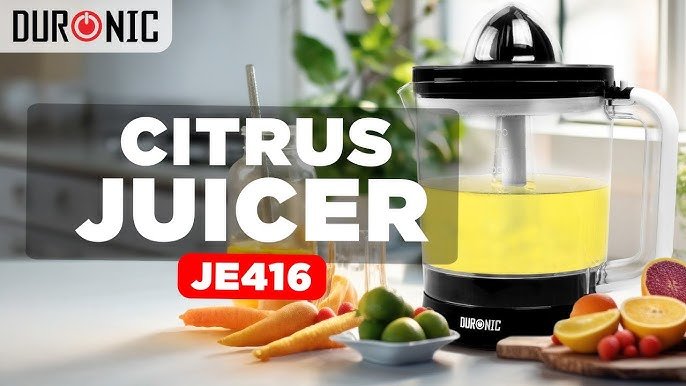
Are you ready to get the most out of your juicer? Using a juicer efficiently can save you time, reduce waste, and boost the flavor and nutrition of every glass.
Imagine making fresh, delicious juice that fuels your day without the hassle or mess. You’ll discover simple tips and tricks to use your juicer like a pro. Keep reading, and you’ll learn how to turn your juicing routine into a quick, easy, and rewarding experience.
Your health and taste buds will thank you!
Choosing The Right Juicer
Choosing the right juicer helps you make fresh juice easily. It saves time and reduces waste.
Different juicers work best for different fruits and vegetables. Pick one that fits your needs.
Types Of Juicers
There are several types of juicers. Each type works differently and suits different uses.
- Centrifugal Juicers:Fast and good for hard fruits and vegetables.
- Masticating Juicers:Slow and better for leafy greens and soft fruits.
- Triturating Juicers:Twin gear juicers that extract the most juice.
- Citrus Juicers:Designed only for oranges, lemons, and other citrus fruits.
Think about what fruits and vegetables you will juice most. This helps you choose the best type.
Features To Consider
Some features make juicing easier and cleaner. Look for these when buying a juicer.
- Ease of Cleaning:Juicers that are easy to clean save time and effort.
- Size and Storage:Choose a size that fits your kitchen space.
- Noise Level:Quiet juicers are better for early mornings or small homes.
- Durability:Strong materials last longer and handle tough ingredients.
- Speed Settings:Multiple speeds help juice different types of produce well.
Check if the juicer comes with extra parts or accessories. These can add value and ease of use.
Preparation Of Ingredients
Preparing ingredients correctly helps your juicer work better. It also makes your juice taste fresh and clean.
Good preparation includes choosing the right produce and cleaning it well. These steps save time and improve juice quality.
Selecting Fresh Produce
Pick fruits and vegetables that look healthy and ripe. Fresh produce has more juice and better flavor.
- Choose firm and brightly colored items
- Avoid bruised or soft spots
- Pick seasonal fruits for best taste
- Buy organic if possible to reduce chemicals
Proper Washing And Peeling
Wash all produce under cold running water. This removes dirt, bacteria, and pesticides.
| Produce Type | Washing Tips | Peeling Advice |
|---|---|---|
| Leafy Greens | Rinse leaves gently in a bowl of water | Remove tough stems before juicing |
| Root Vegetables | Scrub with a brush under water | Peel if skin is thick or dirty |
| Citrus Fruits | Rinse under water and dry | Peel to avoid bitter taste |
| Berries | Rinse gently and drain | Do not peel |
Peeling depends on the fruit or vegetable. Remove skins that are bitter or hard to digest.
Juicing Techniques
Using a juicer efficiently helps you get the most juice from your fruits and vegetables. Good techniques save time and reduce waste.
Learning the right way to juice also keeps your machine running smoothly for longer. Let’s look at some key juicing tips.
Optimal Speed Settings
Choose the right speed on your juicer for different ingredients. High speeds work well for soft fruits. Low speeds are better for hard vegetables.
Using the correct speed helps keep your juice fresh and preserves nutrients. It also prevents your juicer from clogging or overheating.
- Soft ingredients: Use high speed for quick extraction.
- Hard ingredients: Use low speed to avoid damage.
- Adjust speed based on the juicer manual.
- Start slow to check how your machine handles ingredients.
Juicing Hard Vs. Soft Ingredients
Hard ingredients include carrots, beets, and apples with firm flesh. Soft ingredients are leafy greens, tomatoes, and citrus fruits.
Hard ingredients need cutting into smaller pieces before juicing. Soft ingredients can often be juiced whole or in large chunks.
- Cut hard items into small pieces for easier juicing.
- Feed soft items slowly to avoid foam.
- Alternate hard and soft ingredients for better juice flow.
- Clean the juicer immediately after use to prevent clogging.
Maximizing Juice Yield
Using a juicer the right way helps you get more juice from fruits and vegetables. This saves money and reduces waste.
Two main tips to increase juice yield are layering ingredients correctly and re-juicing the pulp left over.
Layering Ingredients
Layering ingredients in the right order helps the juicer work better. Soft and watery items go first, then harder ones.
- Start with leafy greens or herbs
- Add soft fruits like oranges or tomatoes
- Follow with harder fruits like apples or pears
- Finish with firm vegetables like carrots or beets
Re-juicing Pulp
The pulp still holds juice. Running it through the juicer again squeezes out extra liquid.
| Type of Pulp | Best Method for Re-juicing |
| Soft fruit pulp | Add a small amount of water and re-juice slowly |
| Vegetable pulp | Mix with firm fruits for better extraction |
| Leafy greens pulp | Use in smoothies or compost instead of re-juicing |
Maintaining Nutritional Value
Using a juicer is a great way to add fresh nutrients to your diet. To keep the juice healthy, you need to protect its vitamins and minerals.
Fresh juice can lose nutrition quickly if not handled well. Here are some tips to keep your juice full of nutrients.
Minimizing Oxidation
Oxidation happens when juice mixes with air. This process lowers vitamin levels and changes taste. To reduce oxidation, use these methods:
- Juice fruits and vegetables quickly after cutting them.
- Use a slow juicer to reduce air intake.
- Fill containers completely to limit air space.
- Seal juice containers tightly with lids.
- Drink juice soon after making it.
Storage Tips For Fresh Juice
Storing juice properly helps keep its nutrients. Use these storage tips to keep juice fresh and healthy.
| Storage Method | How to Use | Benefits |
| Glass Bottles | Fill to the top and seal tightly | Reduces air exposure and keeps flavor |
| Refrigeration | Keep juice at 32-40°F (0-4°C) | Slows nutrient loss and bacterial growth |
| Consume Quickly | Drink within 24-48 hours | Ensures maximum nutrient intake |
| Freezing | Use freezer-safe containers, leave space for expansion | Preserves nutrients for weeks but may change texture |

Credit: www.goodhousekeeping.com
Cleaning And Maintenance
Keeping your juicer clean helps it work well and last longer. Dirt and pulp can block parts and cause damage.
Regular cleaning saves you time and keeps your juice fresh and tasty. Follow simple steps to maintain your juicer.
Quick Cleaning Tips
Clean your juicer right after use. This stops juice and pulp from drying on the parts.
Use warm water and mild soap to wash the removable parts. Rinse well and dry before reassembling.
- Disassemble the juicer carefully
- Rinse parts under running water
- Use a soft brush to remove pulp
- Wipe the main body with a damp cloth
- Dry all parts before putting them back
Deep Cleaning For Longevity
Do a deep clean once a week to stop buildup. This keeps your juicer working like new.
Use a mixture of water and vinegar to soak parts. This breaks down stubborn stains and removes odors.
- Soak removable parts in a vinegar-water mix for 15 minutes
- Use a soft brush to clean hard-to-reach spots
- Check the filter for clogs and clean carefully
- Rinse all parts thoroughly with clean water
- Dry parts completely to avoid mold
Troubleshooting Common Issues
Using a juicer can be easy and fast. Sometimes, small problems happen. These can slow down your juicing process.
This guide helps you fix common issues. You will learn how to handle clogs and too much foam.
Addressing Clogs
Clogs happen when fruit or vegetable pieces get stuck in the juicer. This stops juice flow and can damage the machine.
To fix clogs, first turn off the juicer. Remove the clogged parts carefully. Clean the filter and blades with a brush.
- Cut fruits and vegetables into smaller pieces
- Use softer produce to avoid hard clogs
- Clean the juicer parts right after use
- Check the filter for stuck pulp often
Handling Excess Foam
Foam forms when air mixes with juice during extraction. Too much foam can reduce juice quality and taste.
To reduce foam, pour juice slowly and avoid overfilling the juicer. Let the juice sit for a few minutes before drinking.
- Use fresh and ripe fruits for less foam
- Place a foam separator if your juicer has one
- Stir juice gently to break foam
- Clean the juicer well to remove foam residue

Credit: parade.com
Enhancing Juice Flavor
Using a juicer well can make your juice taste better. Small changes can improve the flavor a lot.
Focus on balancing flavors and adding fresh ingredients for a tasty juice experience.
Balancing Sweetness And Tartness
Good juice has a mix of sweet and tart tastes. Too much of one can make the juice less tasty.
Use fruits like apples or pears for sweetness. Add citrus fruits like lemons or limes for tartness.
- Add sweeter fruits to balance sour flavors
- Use citrus to give a fresh, sharp taste
- Try mixing different fruits to find the right mix
Adding Herbs And Spices
Herbs and spices can make juice more interesting. They add new flavors without extra sugar.
Try adding mint, ginger, or cinnamon to your juice. These enhance taste and offer health benefits.
- Mint adds a cool, fresh flavor
- Ginger gives a spicy kick
- Cinnamon adds warmth and sweetness
Creative Juice Recipes
Juicing lets you enjoy fresh flavors and healthy nutrients. Using a juicer well means trying new recipes.
Mix fruits and vegetables to find tasty, refreshing drinks. This helps you drink more vitamins every day.
Fruit-based Combinations
Fruit juices taste sweet and fresh. Use ripe fruits for the best juice and natural sweetness.
Try mixing fruits that balance flavors. This makes your juice more interesting and enjoyable.
- Apple, pear, and lemon for a light, crisp taste
- Orange, pineapple, and mango for a tropical flavor
- Strawberry, watermelon, and mint for a cool, sweet drink
- Grapes, blueberry, and pomegranate for a rich, antioxidant blend
Vegetable And Mixed Blends
Vegetable juices are healthy and low in sugar. Mixing veggies with fruits adds sweetness and flavor.
Try different blends to find what you like. Use fresh, firm vegetables for the best juice.
- Carrot, beet, and apple for a sweet, earthy taste
- Cucumber, celery, and lemon for a light, refreshing drink
- Spinach, kale, green apple, and ginger for a green energy boost
- Tomato, red pepper, and carrot for a savory vegetable juice
Credit: www.vevor.ca
Frequently Asked Questions
How Do I Prepare Fruits For Juicing?
Wash fruits thoroughly and remove peels or seeds if needed. Cut them into small pieces to fit the juicer. This helps ensure smooth juicing and prevents clogging.
What Is The Best Way To Clean A Juicer?
Disassemble the parts immediately after use. Rinse under warm water and use a brush for stubborn pulp. Proper cleaning maintains juicer performance and hygiene.
How Can I Increase Juice Yield From Vegetables?
Use fresh, firm vegetables and alternate soft and hard produce while juicing. This technique extracts more juice and reduces waste.
How Often Should I Clean The Juicer Filters?
Clean filters after every use to avoid clogging and bacteria buildup. This keeps the juicer efficient and extends its lifespan.
Conclusion
Using a juicer well saves time and makes fresh juice taste better. Clean the parts right after use to avoid buildup. Cut fruits and veggies into small pieces for smoother juicing. Choose fresh, ripe produce for the best flavor. Drink juice soon to keep its vitamins and freshness.
Enjoy healthy drinks made simply and quickly at home. Juicing can be easy and fun with these simple steps. Keep practicing to find your favorite combinations and methods.