
Are you ready to make your stews richer, tastier, and easier to prepare? Using a slow cooker can transform simple ingredients into a comforting meal with minimal effort.
But to get the best results, there are some smart tips you should know. Whether you’re new to slow cooking or want to improve your stew game, this guide will help you unlock the full potential of your slow cooker.
Keep reading to discover how you can save time, enhance flavors, and create stews that everyone will love. Your next delicious meal is just a few easy steps away!
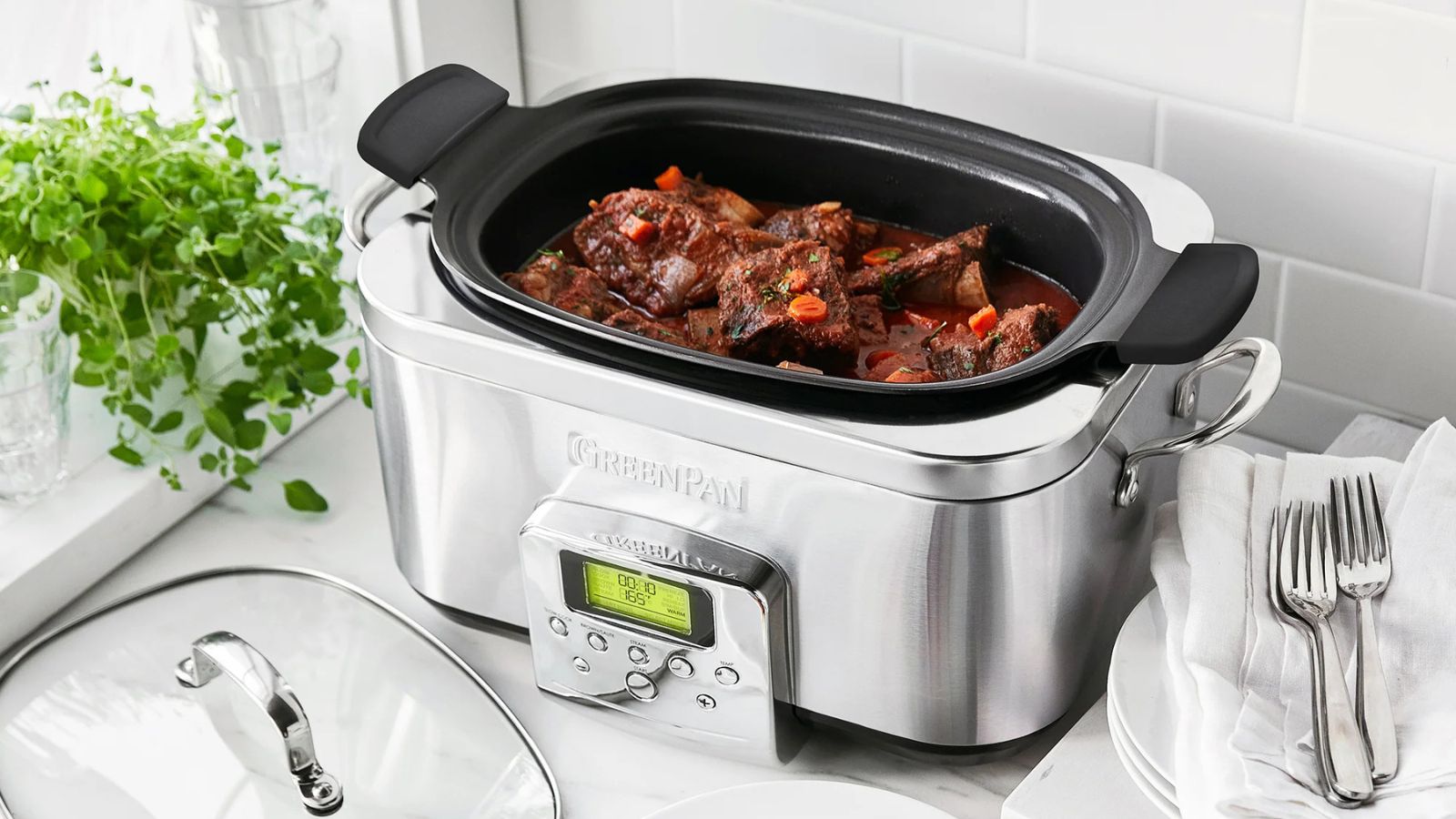
Credit: www.homesandgardens.com
Choosing The Right Ingredients
Using the right ingredients makes your slow cooker stew taste better. Quality ingredients also help the stew cook well and have good texture.
Focus on picking fresh and suitable meats, vegetables, herbs, and spices. This guide helps you choose ingredients for a delicious stew.
Selecting Quality Meats
Choose cuts that become tender and flavorful after slow cooking. Tougher cuts work best because they break down slowly.
- Chuck roast: rich taste and becomes tender
- Brisket: great flavor, soft texture
- Short ribs: fatty and juicy
- Stewing beef: cuts like round or shoulder
- Bone-in pieces add extra flavor
Best Vegetables For Stews
Pick vegetables that hold their shape and taste after long cooking. Root vegetables are ideal for stews.
| Vegetable | Reason to Use |
| Carrots | Sweet flavor, stays firm |
| Potatoes | Thickens stew, softens well |
| Parsnips | Adds sweetness, holds shape |
| Onions | Enhance aroma and taste |
| Celery | Adds crunch and flavor |
Enhancing With Herbs And Spices
Herbs and spices give depth and richness to your stew. Use dried herbs early and fresh herbs near the end.
- Bay leaves add subtle aroma
- Thyme pairs well with meat and vegetables
- Rosemary gives a pine-like flavor
- Black pepper adds mild heat
- Garlic powder boosts savory taste
- Fresh parsley brightens the stew

Credit: lmld.org
Preparing Ingredients Effectively
Using a slow cooker for stews needs good ingredient prep. Preparing ingredients well helps the stew cook evenly. It also improves the stew’s taste and texture.
Focus on how you handle meat, vegetables, and aromatics. Each part adds something special to the stew. Getting these right makes your stew better.
Proper Meat Browning Techniques
Browning meat adds flavor and color to your stew. Use a hot pan and little oil for best results. Avoid crowding the pan to let meat brown well.
Pat meat dry before browning to get a good sear. Turn pieces only when they release easily from the pan. This makes the stew taste richer.
Cutting Vegetables For Optimal Cooking
Cut vegetables into similar sizes so they cook evenly. Hard vegetables like carrots need bigger pieces than soft ones like zucchini. This stops some from getting mushy.
Try to cut root vegetables thicker and leafy greens last. This keeps all vegetables at the right texture by the end of cooking.
- Cut carrots and potatoes in chunks
- Slice onions and celery thinly
- Chop leafy greens finely and add late
Using Aromatics For Depth
Aromatics like garlic, onions, and herbs add strong flavors. Cook them briefly before adding to the slow cooker. This releases their full taste.
Fresh herbs give bright notes, while dried herbs add deep flavors. Add fresh herbs near the end of cooking to keep their scent.
- Sauté onions and garlic before slow cooking
- Use dried herbs early for strong flavor
- Add fresh herbs at the end for freshness
Layering Techniques
Using a slow cooker for stews needs good layering. Proper layering helps cook food evenly and taste great.
Knowing how to place ingredients makes your stew more flavorful and well-textured.
Order Of Ingredient Placement
Put dense, hard vegetables like carrots and potatoes at the bottom. They take longer to cook and need more heat.
Place meat on top of the vegetables. This lets the meat cook slowly and stay tender.
- Hard vegetables at the bottom
- Meat in the middle
- Soft vegetables and herbs on top
Balancing Flavors And Textures
Layer ingredients to mix flavors well but keep textures right. Strong flavors go near the bottom to spread through the stew.
Soft vegetables and fresh herbs go last. This keeps their taste bright and texture fresh.
- Place onions and garlic near the bottom for deep flavor
- Add tomatoes or acidic items in the middle to balance taste
- Top with fresh herbs to keep their aroma
Temperature And Timing Tips
Using a slow cooker for stews means knowing the right temperature and cooking time. These affect taste and texture.
Stews need slow, steady heat to become tender and flavorful. Setting your slow cooker correctly is key.
Understanding Slow Cooker Settings
Most slow cookers have low, high, and sometimes a keep-warm setting. Each has a different cooking temperature.
- Low:Cooks at about 190°F (88°C). Good for long cooking times.
- High:Cooks at about 300°F (149°C). Speeds up cooking but can be less tender.
- Keep Warm:Keeps food hot without cooking further.
Cooking Times For Tender Results
| Setting | Typical Cooking Time | Result |
| Low | 6 to 8 hours | Very tender, well-blended flavors |
| High | 3 to 4 hours | Tender but less depth of flavor |
| Keep Warm | After cooking | Keeps stew hot without overcooking |
For best results, use low heat for longer times. High heat works if you are short on time.
Thickening And Consistency
Slow cooker stews often have a lot of liquid. This can make the stew thin and watery. You want a rich, thick stew with good texture. This guide helps you improve thickness and consistency.
There are simple ways to thicken stews without losing flavor. Using flour, cornstarch, or reducing liquids carefully can help you get the best results.
Using Flour And Cornstarch
Flour and cornstarch are common thickening agents. They help create a smooth and thick stew. Each works a little differently in the slow cooker.
- Flour:Mix with cold water to make a slurry. Add it to the stew near the end of cooking. Cook for 15-30 minutes more to remove the raw taste.
- Cornstarch:Also mix with cold water before adding. Cornstarch thickens faster and gives a glossy look to the stew.
- Avoid adding flour or cornstarch too early. Long cooking can break down the thickening power.
- Stir well to avoid lumps.
Reducing Liquid Without Losing Flavor
Slow cookers keep moisture inside, which can leave too much liquid in your stew. Reducing the liquid helps with thickness. Do it without losing taste or richness.
| Method | How to Do It | Tip |
| Remove Lid | Cook uncovered for 30 minutes at high heat. | Check often to avoid over-reducing. |
| Add Less Liquid | Use 1/2 cup less broth or water than recipe calls for. | Make sure ingredients can still cook fully. |
| Use Thick Ingredients | Add mashed potatoes or pureed beans to absorb liquid. | They add flavor and body to stew. |
| Simmer Before Slow Cooking | Boil broth with herbs to concentrate flavor. | Use this broth in your slow cooker. |

Credit: kristineskitchenblog.com
Enhancing Flavors Post-cooking
Slow cookers make stews tender and rich in flavor. After cooking, you can improve the taste even more.
Adding fresh ingredients and adjusting spices helps balance the stew. This makes your dish taste fresh and delicious.
Adding Fresh Herbs At The End
Fresh herbs add bright flavors and color to your stew. Add them just before serving to keep their taste strong.
Chopped parsley, cilantro, or basil work well. They give your stew a fresh and lively flavor.
- Use about a tablespoon of chopped fresh herbs per pot
- Stir herbs in gently to avoid bruising
- Try mint or dill for a different twist
Adjusting Seasonings Before Serving
Taste your stew before serving. Add salt, pepper, or acid to improve the flavor balance.
Lemon juice or vinegar can brighten the stew. Add them little by little and taste as you go.
- Start with a small pinch of salt
- Add ground black pepper to taste
- Use lemon juice or vinegar to add brightness
- Mix well and taste again before serving
Serving And Storage Tips
Slow cooker stews are easy and tasty meals. Proper serving and storage keep them fresh and safe.
Follow simple tips to enjoy your stew and save leftovers without waste.
Best Practices For Serving Stews
Serve stew hot for the best flavor and texture. Stir it well before serving to mix ingredients evenly.
Use ladles or large spoons to portion stew into bowls. Add fresh herbs or a side like bread for a nice touch.
- Stir stew gently before serving
- Use warm bowls to keep stew hot longer
- Add fresh parsley or cilantro for color
- Serve with crusty bread or rice
Storing Leftovers For Future Use
Cool stew quickly before storing. Place it in airtight containers to keep it fresh in the fridge or freezer.
Label containers with the date. Eat refrigerated stew within 3 to 4 days. Frozen stew lasts 2 to 3 months.
- Cool stew to room temperature before storing
- Use airtight containers or freezer bags
- Label with date of storage
- Reheat only the portion you will eat
- Freeze leftovers if not eaten in 4 days
Frequently Asked Questions
How Long Should I Cook Stew In A Slow Cooker?
Cook stew on low for 6-8 hours or high for 3-4 hours. This slow cooking tenderizes meat and blends flavors perfectly.
Can I Add Vegetables At The Beginning Of Slow Cooking?
Root vegetables like carrots and potatoes can go in early. Softer veggies should be added later to avoid overcooking.
Should I Brown Meat Before Slow Cooking Stew?
Browning meat before adding to the slow cooker enhances flavor and texture. It seals in juices for a richer stew.
How Much Liquid Is Needed For Slow Cooker Stews?
Use enough liquid to cover ingredients halfway. Too much liquid can make stew watery; too little may cause burning.
Conclusion
Using a slow cooker makes stew preparation easy and tasty. Keep ingredients simple and add spices for flavor. Let the cooker do the work while you relax. Check the stew near the end to adjust seasoning. Enjoy warm, hearty meals with little effort.
Slow cooking saves time and brings out rich flavors. Try different recipes to find your favorite stew. Slow cookers bring comfort food to your table every day.