
Are you ready to save time and cook delicious meals faster? A pressure cooker can be your best kitchen friend.
But before you start, it’s important to know how to use it safely. One small mistake can turn a simple cooking task into a dangerous situation. You’ll discover easy and effective tips that keep you and your family safe while making the most of your pressure cooker.
Keep reading—your next perfect meal is just a few safe steps away!

Credit: modernistcuisine.com
Choosing The Right Pressure Cooker
Choosing the right pressure cooker is important for safe cooking. Different types and sizes suit different needs. Understanding these can help you pick the best one for your kitchen.
Consider how you will use the cooker before buying. This helps avoid accidents and makes cooking easier.
Types Of Pressure Cookers
Pressure cookers come in various types. Each type has its own safety features and uses. Knowing these can help you choose wisely.
- Stovetop Pressure Cookers:Use direct heat from a stove. They heat quickly and release steam fast.
- Electric Pressure Cookers:Have built-in controls for temperature and time. They often include safety locks.
- Manual Pressure Cookers:Require you to control pressure and heat yourself. They need careful attention to avoid risks.
Size And Capacity Considerations
Choosing the right size helps prevent overfilling. Overfilling can cause dangerous pressure build-up. Size depends on how many people you usually cook for.
| Capacity | Best For | Notes |
| 2 to 4 liters | 1 to 2 people | Small meals, easy to handle |
| 5 to 7 liters | 3 to 5 people | Most common size, fits medium families |
| 8 liters or more | 6 or more people | Large meals, needs more space |
Credit: www.engadget.com
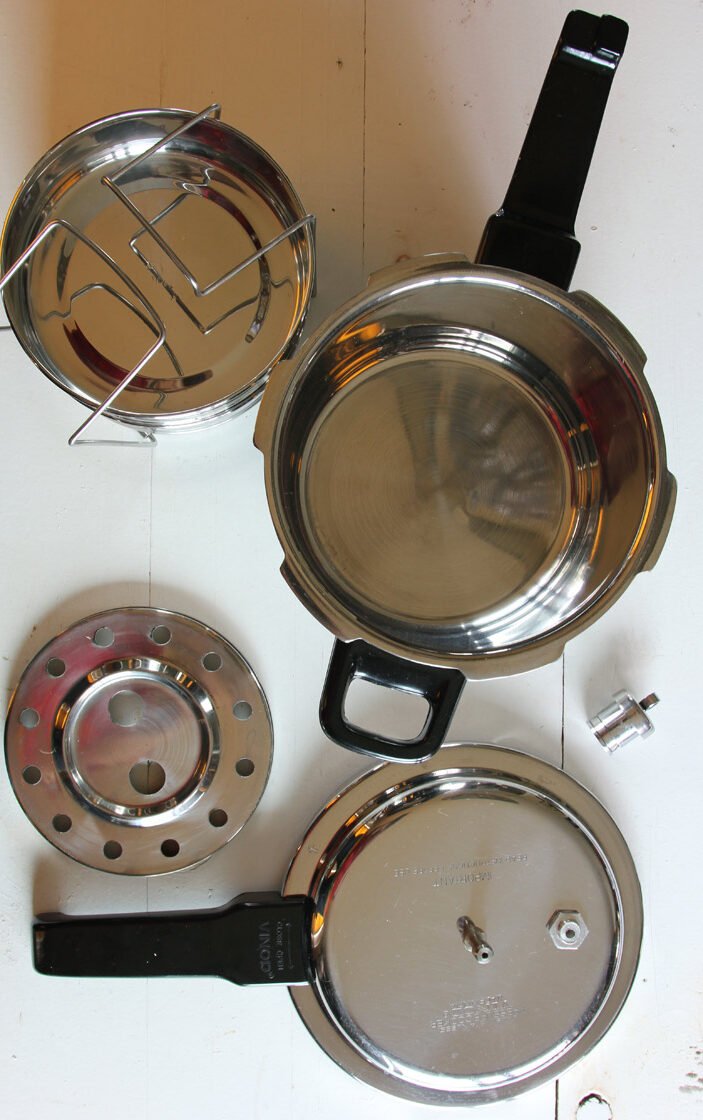
Understanding Pressure Cooker Parts
Using a pressure cooker safely means knowing its parts well. Each part has a special job to keep you safe and cook food fast.
Learn about the main parts of a pressure cooker before you start cooking. This helps you avoid accidents.
Lid And Locking Mechanism
The lid seals the pressure cooker tightly. It stops steam from escaping while cooking.
The locking mechanism keeps the lid locked during use. It prevents the lid from opening by mistake.
- Make sure the lid fits perfectly before cooking.
- Check the lock to ensure it is secure.
- Never force the lid open when the cooker is hot.
Pressure Release Valve
The pressure release valve controls steam pressure inside the cooker. It lets out steam safely when pressure is too high.
Keep the valve clean and clear to avoid blockages. A blocked valve can cause dangerous pressure build-up.
- Check the valve before each use.
- Do not cover or block the valve.
- Use the valve to release pressure after cooking.
Gaskets And Seals
Gaskets and seals create an airtight seal between the lid and the pot. They stop steam from leaking during cooking.
Inspect gaskets for cracks or wear. Replace them if damaged to keep your cooker working well and safe.
- Clean gaskets after every use.
- Store gaskets away from heat and sunlight.
- Replace gaskets every year or as needed.
Preparing Ingredients For Pressure Cooking
Preparing ingredients properly helps you cook safely with a pressure cooker. It ensures even cooking and prevents accidents. Follow the right steps before starting your pressure cooker.
Focus on chopping sizes, adding enough liquid, and not overfilling the cooker. These points keep your food tasty and your cooker working well.
Chopping And Sizing
Cut ingredients into similar sizes for even cooking. Large pieces take longer to cook, and small pieces may overcook or burn.
- Cut vegetables into 1 to 2-inch pieces.
- Slice meat into uniform chunks for quick cooking.
- Use smaller pieces for dense foods like potatoes and carrots.
- Avoid very small pieces that can block the steam release valve.
Liquid Requirements
Pressure cookers need liquid to create steam. Without enough liquid, the cooker cannot build pressure safely.
| Type of Food | Minimum Liquid Needed |
| Vegetables | 1 cup (240 ml) |
| Rice and Grains | 1.5 to 2 cups (360 to 480 ml) |
| Meat and Poultry | 1 to 1.5 cups (240 to 360 ml) |
| Beans and Lentils | 2 to 3 cups (480 to 720 ml) |
Avoiding Overfilling
Never fill the pressure cooker more than two-thirds full. Overfilling blocks steam release and causes pressure problems.
- For foods that expand, like rice or beans, fill only half full.
- Leave space for steam to build safely.
- Check your pressure cooker manual for exact limits.
Safe Cooking Practices
Using a pressure cooker can save time and energy. It is important to follow safety rules.
Safe cooking practices help avoid accidents and ensure food is cooked well.
Correct Heat Settings
Keep the heat at the right level for your pressure cooker. Too high heat can cause danger.
Start with high heat to build pressure, then lower the heat to maintain it.
- Use medium heat after pressure builds
- Avoid very high heat during cooking
- Follow the recipe’s heat instructions
Pressure Release Techniques
Release pressure safely to prevent burns or accidents. There are different ways to release pressure.
| Technique | Description | When to Use |
| Natural Release | Let pressure drop on its own | For soups, stews, and grains |
| Quick Release | Use valve to release pressure fast | For vegetables and quick-cooking foods |
| Cold Water Release | Run cold water over cooker lid | When recipe needs fast pressure drop |
Monitoring Cooking Time
Check cooking time carefully to avoid overcooking or undercooking food.
Use a timer and follow recipe times. Adjust if needed based on altitude or cooker model.
- Set timer for recommended cooking time
- Listen for pressure cooker sounds
- Check food once cooking stops
- Adjust time for tougher or softer food
Post-cooking Safety Measures
Using a pressure cooker is quick and easy, but you must follow safety steps after cooking. These steps keep you safe from burns and accidents.
Let’s look at how to open the lid safely, handle hot contents, and clean your pressure cooker properly.
Opening The Lid Safely
Never open the lid while the cooker is still pressurized. Wait until the pressure drops completely. Use the pressure release valve if your cooker has one.
Turn the lid slowly and away from your face to avoid steam burns. If you hear a hissing sound, wait longer before opening.
- Check pressure indicator before opening
- Use a cloth or oven mitt to turn the lid
- Turn lid away from your face and hands
- Release pressure fully using the valve
Handling Hot Contents
Contents inside the cooker are very hot. Use oven mitts or heat-resistant gloves to handle pots or bowls. Avoid touching hot steam or liquid directly.
Pour hot food carefully to prevent splashes. Place hot containers on heat-safe surfaces until they cool down.
- Wear heat-resistant gloves
- Pour hot food slowly and carefully
- Keep children away from hot surfaces
- Use heat-safe surfaces for hot pots
Cleaning And Maintenance
Clean your pressure cooker after every use. Remove food residues from the lid, gasket, and pot. This keeps it working well and safe.
Check the gasket for cracks or damage. Replace it if needed. Also, clean the steam valve to avoid blockages.
- Wash pot, lid, and gasket with warm soapy water
- Inspect gasket for wear and replace if cracked
- Clear steam valve to prevent clogs
- Dry all parts completely before storing
Troubleshooting Common Issues
Pressure cookers make cooking fast and easy. Sometimes, small problems can happen. Knowing how to fix them keeps you safe and your food tasty.
This guide helps you solve common problems with your pressure cooker. Learn how to handle pressure build-up, steam leaks, and food sticking or burning.
Pressure Build-up Problems
If the pressure cooker does not build enough pressure, it may not cook food properly. Check these points to fix the issue.
- Make sure the lid is locked tightly.
- Check the rubber gasket for cracks or damage.
- Confirm there is enough liquid inside the cooker.
- Clean the pressure valve to remove any blockages.
- Ensure the heat source is strong enough to create steam.
Steam Leaks
Steam escaping from the cooker can be dangerous and cause undercooked food. Find where the steam is leaking to solve the problem.
| Leak Location | Possible Cause | Fix |
|---|---|---|
| Around the Lid | Damaged or misplaced gasket | Replace or reposition the gasket properly |
| Pressure Valve | Clogged or dirty valve | Clean the valve carefully with a brush |
| Safety Valve | Valve stuck or faulty | Check and replace if necessary |
Food Sticking Or Burning
Food sticks or burns if heat is too high or there is not enough liquid. Follow these tips to avoid this problem.
- Use the right amount of liquid as per the recipe.
- Reduce heat after the cooker reaches pressure.
- Stir food before sealing the lid, if safe to do so.
- Choose non-stick or heavy-bottomed pressure cookers.
- Clean the cooker thoroughly after each use to remove residue.
Tips For First-time Users
A pressure cooker saves time by cooking food fast. It uses steam and pressure to cook meals.
First-time users should follow safety rules. This helps avoid accidents and makes cooking easy.
Simple Recipes To Start
Start with easy recipes to get used to the cooker. Soups, rice, and steamed vegetables are good choices.
Simple recipes help you learn how long to cook and how to release pressure safely.
- Chicken soup with vegetables
- Steamed rice
- Soft boiled eggs
- Steamed carrots or broccoli
Learning Through Practice
Practice helps you understand your pressure cooker better. Try different foods and cooking times.
Watch the pressure gauge and listen for sounds. This tells you when the cooker is working correctly.
- Check the seal before each use
- Do not fill the cooker above the max line
- Use the correct amount of liquid
- Release pressure as instructed in your manual
Using Accessories
Accessories make pressure cooking easier and safer. Use them to cook different foods or keep items separate.
Some common accessories are steam racks, silicone mitts, and extra sealing rings.
- Steam racks keep food above water for steaming
- Silicone mitts protect your hands from heat
- Extra sealing rings help when one wears out
- Measuring cups ensure correct liquid amounts

Credit: karacarrero.com
Frequently Asked Questions
How Do I Prevent Pressure Cooker Explosions?
Always check the gasket and vent pipe for blockages. Never overfill the cooker beyond recommended limits. Follow manufacturer instructions carefully to avoid pressure buildup issues.
What Safety Features Do Modern Pressure Cookers Have?
Modern pressure cookers include locking lids, pressure indicators, and safety valves. These features prevent accidental opening and release excess pressure safely.
Can I Open The Pressure Cooker Immediately After Cooking?
Never open the lid until the pressure indicator shows it is safe. Release pressure naturally or use the quick-release method as per the recipe.
How Often Should I Replace The Pressure Cooker Gasket?
Replace the gasket every 12 to 18 months or if it becomes cracked or sticky. A worn gasket can cause steam leaks and unsafe pressure levels.
Conclusion
Using a pressure cooker can save time and make meals tasty. Always read the manual before you start cooking. Check the safety valves and seals carefully. Never fill the cooker more than two-thirds full. Keep your hands and face away from the steam.
Release pressure fully before opening the lid. Clean the cooker after every use to keep it safe. Following these simple steps helps you cook safely and enjoy great food every time. Safety first, happy cooking!