
Are you ready to make your kitchen time faster and more fun? Using a stand mixer can be a game-changer, but only if you know how to use it right.
Imagine mixing dough or whipping cream without the mess and hassle. With a few simple tips, you can get the most out of your stand mixer every time. Keep reading, and you’ll discover easy ways to save time, avoid common mistakes, and create perfect mixes that impress.
Your baking and cooking will never be the same!
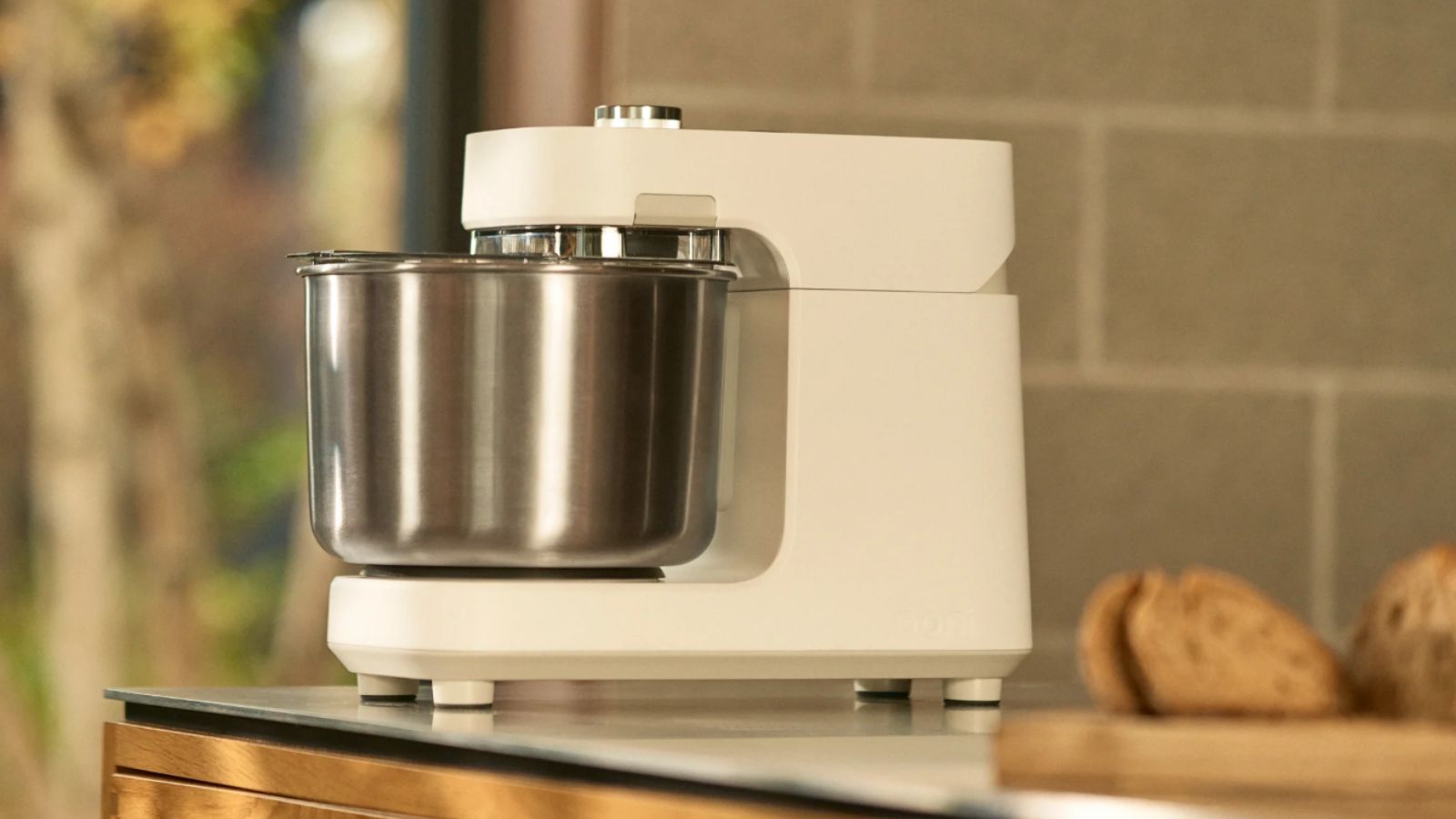
Credit: www.homesandgardens.com
Choosing The Right Stand Mixer
Using a stand mixer can save time and effort in the kitchen. Picking the right mixer helps you work better and faster.
Stand mixers come in many styles and sizes. Knowing what to look for makes your choice easier.
Understanding Mixer Types
There are two main types of stand mixers: tilt-head and bowl-lift. Each type works differently.
Tilt-head mixers let you lift the head to add ingredients. Bowl-lift mixers raise and lower the bowl instead.
- Tilt-head mixers are good for small kitchens and light tasks.
- Bowl-lift mixers are better for heavy dough and large batches.
- Both types can come with various attachments for different uses.
Assessing Your Baking Needs
Think about how often you bake and what you bake most. This helps you pick the right size and power.
If you bake a lot of bread or large cakes, choose a mixer with higher wattage and a bigger bowl. For light mixing, smaller models work well.
- Small bowl (3-4 quarts) fits small families and simple recipes.
- Medium bowl (4-5 quarts) suits regular bakers with diverse needs.
- Large bowl (6 quarts or more) is best for big batches and heavy dough.
- Check the motor power to handle tough ingredients without strain.
Setting Up Your Mixer
Setting up your stand mixer correctly helps you use it well. A good setup keeps the mixer steady and safe to use.
Follow simple steps to place your mixer and attach its parts. This saves time and prevents damage.
Proper Placement And Setup
Place your mixer on a flat, sturdy surface. This stops it from moving while mixing.
Keep the mixer near a power source but away from water. This keeps the area safe and clean.
- Use a counter or table that can hold the mixer’s weight
- Leave enough space around the mixer for easy use
- Keep the power cord untangled and away from water
- Make sure the mixer is dry before plugging it in
Attaching Accessories Correctly
Attach the right accessory for your recipe. This helps your mixer work best.
Secure each part firmly to avoid it coming loose during use.
- Turn off and unplug the mixer before changing accessories
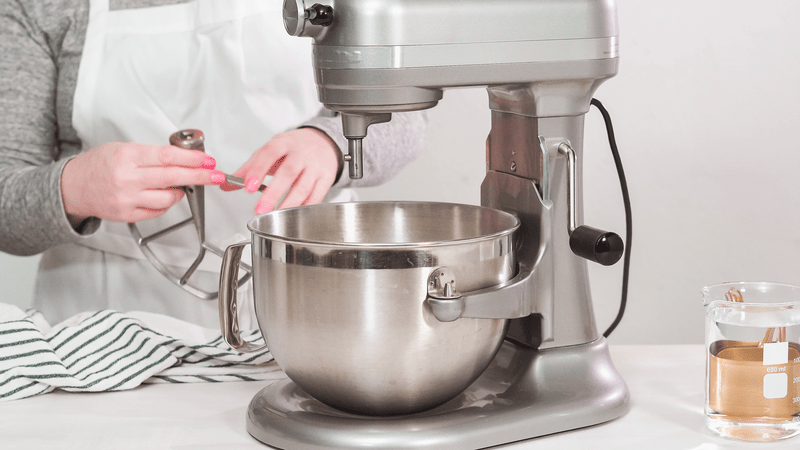
- Insert the accessory into the mixer head and twist to lock
- Check that the accessory is tight and does not wobble
- Use the right accessory for dough, batter, or whipping
Maximizing Mixer Performance
Using a stand mixer properly saves time and effort in the kitchen. Knowing how to use its features helps you get the best results.
This guide explains mixer speed settings and common mistakes to avoid for smooth operation and longer mixer life.
Speed Settings Explained
Each speed setting on your stand mixer has a special use. Low speeds mix thick dough, while high speeds whip light ingredients.
Speed 1–2: Use for stirring and slow mixing to avoid splashing.
Speed 3–4: Best for beating eggs and mixing batters.
Speed 5–6: Use for creaming butter and sugar smoothly.
Speed 7–8: Ideal for whipping cream or egg whites to soft peaks.
Speed 9–10: Use for fast whipping to firm peaks or fast mixing.
Avoiding Common Mistakes
Many users damage their mixers by making simple errors. Avoid these mistakes to keep your mixer working well.
| Mistake | Effect | How to Avoid |
| Starting at high speed | Ingredient splatter and motor strain | Start slow, then increase speed |
| Overloading the bowl | Uneven mixing and motor overheating | Mix in smaller batches |
| Not locking attachments | Attachments wobble or fall off | Secure attachments before use |
| Ignoring mixer limits | Motor damage and reduced lifespan | Follow mixer capacity guidelines |
Credit: www.homeserve.com
Cleaning And Maintenance
Keeping your stand mixer clean helps it work well for a long time. Regular care stops dirt and food build-up.
Good maintenance also protects the mixer parts from damage. This guide shows easy ways to clean and care for your stand mixer.
Regular Cleaning Tips
Clean your stand mixer after each use. This keeps food from drying on it and stops bacteria growth.
Use a soft cloth and warm soapy water to wipe the mixer’s body. Avoid harsh cleaners that can damage the finish.
- Remove attachments and wash them in warm, soapy water.
- Dry all parts completely before putting them back.
- Use a small brush to clean crevices and hard-to-reach places.
- Wipe the power cord to keep it free from dust and spills.
Long-term Care Strategies
Check your stand mixer regularly for loose parts or wear. Tighten screws and bolts if needed.
Store the mixer in a dry place to avoid rust and electrical problems. Cover it to protect from dust when not in use.
- Lubricate moving parts as per the user manual instructions.
- Inspect the power cord for damage and replace if needed.
- Have a professional service the mixer if it makes unusual noises or stops working.
- Use the mixer according to the manufacturer’s guidelines to avoid strain.
Exploring Mixer Attachments
Stand mixers come with many attachments. Each tool helps you prepare food faster and easier.
Knowing how to use these attachments can improve your cooking and baking tasks.
Must-have Attachments
The basic attachments include a flat beater, dough hook, and wire whisk. Each has a specific job.
- Flat Beater:Mixes cake batters, cookie dough, and mashed potatoes.
- Dough Hook:Kneads bread and pizza dough without tiring your hands.
- Wire Whisk:Whips cream, eggs, and light batters to add air.
Creative Uses For Attachments
Some attachments can do more than their main tasks. You can try new recipes and methods.
| Attachment | Creative Use |
| Flat Beater | Mixing meat for meatballs or burgers |
| Dough Hook | Making pasta dough or pastry dough |
| Wire Whisk | Whipping salad dressings or mayonnaise |
| Pouring Shield | Adding ingredients without spills |

Credit: bakabee.com
Safety Tips
Using a stand mixer can be safe and simple if you follow some basic rules. These tips help you avoid accidents and keep your kitchen safe.
Always focus on safety first before and during using your stand mixer. This keeps you and others protected.
Handling With Care
Handle your stand mixer carefully to avoid damage and injury. Always turn it off before touching any parts.
Keep hands and utensils away from moving parts during use. Never try to remove ingredients while the mixer is running.
- Unplug the mixer before cleaning or changing attachments
- Use the mixer on a stable, flat surface to prevent tipping
- Check the cord and plug for damage before use
- Do not overload the mixer with too much dough or batter
Child Safety Precautions
Keep children away from the stand mixer when it is in use. Moving parts can cause serious injuries.
Store the mixer and its attachments out of reach of children to prevent accidents.
- Do not let children operate the mixer without adult supervision
- Explain the dangers of the mixer to older children
- Keep the power cord away from children’s reach
- Turn off and unplug the mixer after use
Frequently Asked Questions
How Can I Prevent Splattering With A Stand Mixer?
Use the mixer’s splash guard or start at the lowest speed. Gradually increase speed to avoid ingredients splattering. This keeps your kitchen clean and reduces waste.
What Attachments Work Best For Different Recipes?
Use the paddle for batters, dough hook for bread, and whisk for whipping. Each attachment is designed for specific mixing tasks, improving efficiency.
How Do I Clean My Stand Mixer Properly?
Unplug before cleaning. Wipe the mixer with a damp cloth and wash attachments separately. Avoid immersing the motor base in water.
Can I Overuse My Stand Mixer?
Yes, overusing can strain the motor. Follow recommended mixing times and allow breaks for heavy tasks to extend mixer lifespan.
Conclusion
Using a stand mixer can save time and effort in the kitchen. Always start with the right speed and tool for your recipe. Keep the bowl steady and avoid overmixing your ingredients. Clean your mixer parts after every use to keep it working well.
Small tips make a big difference in your cooking experience. Practice these steps to enjoy easier, faster baking and cooking. Your stand mixer is a helpful partner for many meals. Simple care and smart use bring the best results.