
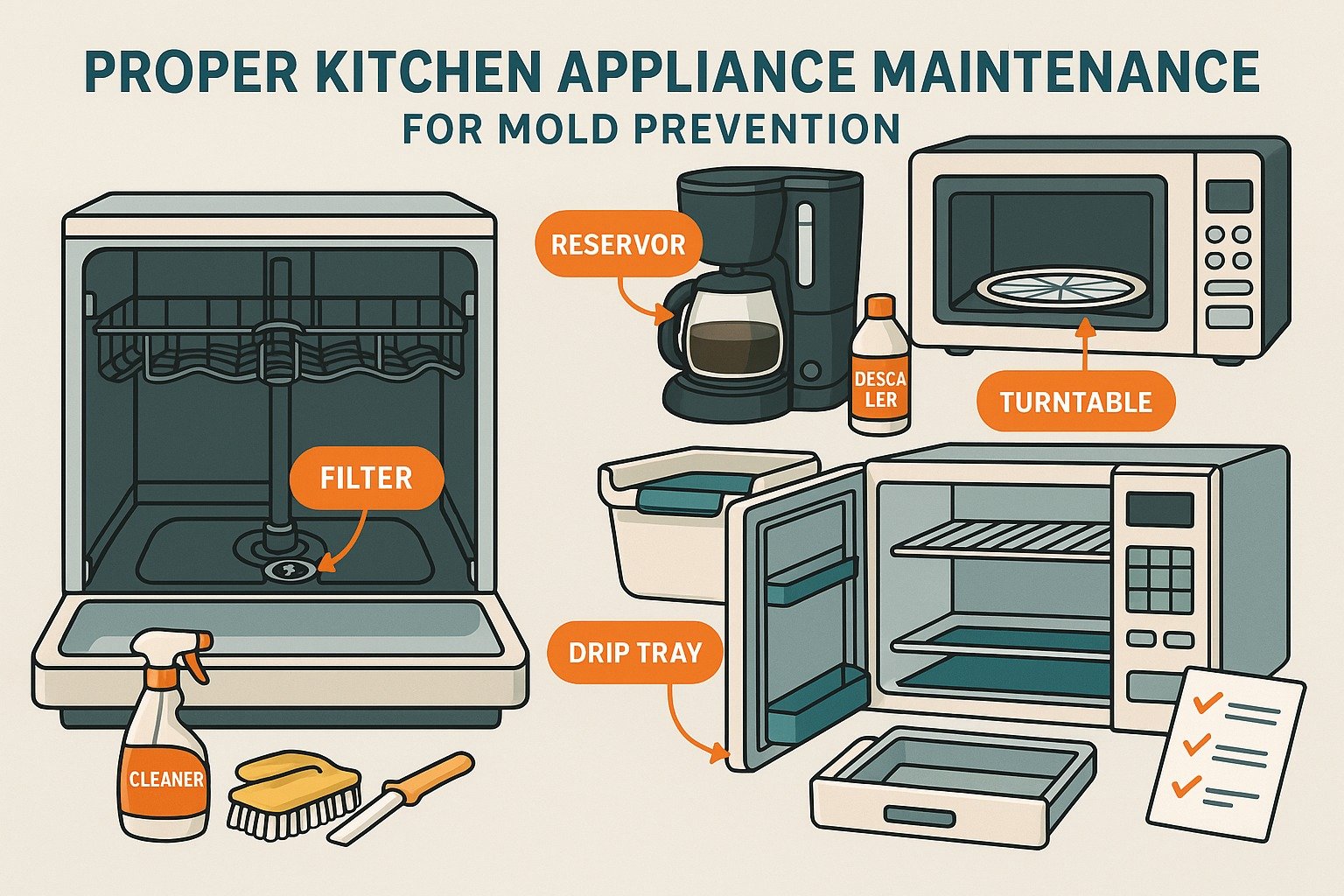
Your kitchen appliances work hard every day to make your life easier. But when was the last time you gave them a good clean and proper care?
Keeping your appliances spotless and well-maintained not only boosts their performance but also saves you money in the long run. Imagine opening your oven or blender and feeling confident that they’ll work perfectly every time. You’ll discover simple, effective ways to clean and maintain your kitchen appliances so they stay in top shape.
Ready to make your kitchen shine and your appliances last longer? Let’s dive in!
Cleaning The Refrigerator
Keeping your refrigerator clean helps it work well and keeps food safe. Dirt and spills can cause bad smells and stains.
Regular cleaning stops germs from growing and makes your kitchen look fresh. Focus on shelves, drawers, and outside surfaces.
Interior Shelves And Drawers
Remove all food before cleaning shelves and drawers. Use warm water and mild soap to wash them. Avoid harsh chemicals that can damage surfaces.
- Take out shelves and drawers carefully.
- Wash with warm soapy water.
- Rinse and dry completely before putting them back.
- Wipe inside walls and corners with a soft cloth.
- Check for expired food and throw it away.
Exterior Surfaces
Clean the fridge doors and handles often. Use a soft cloth and gentle cleaner to avoid scratches. Wipe the rubber seals to keep them flexible.
| Surface | Cleaning Method | Tips |
| Door Exterior | Soft cloth with mild detergent | Dry to prevent streaks |
| Handles | Disinfectant wipe or soap water | Clean daily to remove germs |
| Rubber Seals | Warm water and soft brush | Check for cracks or damage |
Deodorizing Tips
Keep your fridge smelling fresh by removing odors. Place natural items that absorb bad smells inside.
Use these simple deodorizing items:
- Baking soda box (replace every 3 months)
- Activated charcoal pouch
- Fresh lemon slices on a small plate
- Dry coffee grounds in an open container
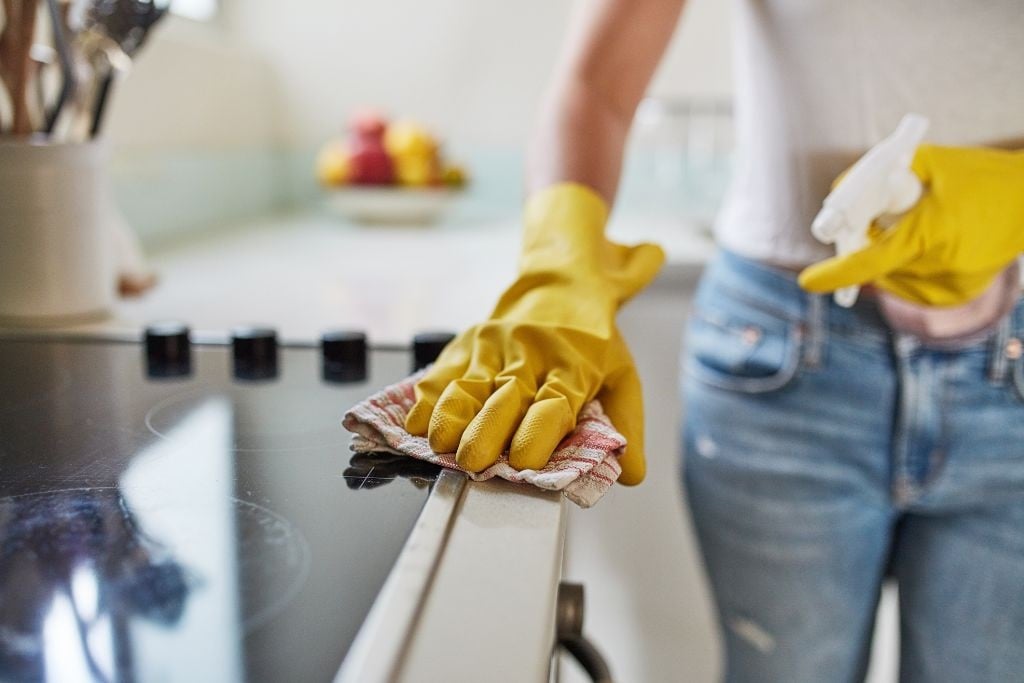
Credit: www.news24.com
Maintaining The Oven
Keeping your oven clean helps it work better and last longer. Dirt and food can build up inside and cause smells or smoke.
Regular cleaning and care make cooking safer and more enjoyable. This guide shows simple ways to clean and maintain your oven.
Deep Cleaning Methods
Deep cleaning removes heavy grease and burnt food inside your oven. This helps stop smells and improves oven performance.
Start by removing oven racks and soaking them in warm, soapy water. Use a baking soda paste to scrub the inside walls gently.
- Mix baking soda with water to make a thick paste.
- Spread paste on oven surfaces, avoiding heating elements.
- Let it sit overnight for best results.
- Wipe off with a damp cloth the next day.
- Rinse and dry oven racks before placing them back.
Removing Stubborn Stains
Some stains need extra effort. Use vinegar or lemon juice to break down tough grease spots.
Spray vinegar on stains and let it sit for 10 minutes. Then scrub gently with a soft brush or cloth.
- Apply lemon juice on stains for natural cleaning.
- Use a plastic scraper to avoid scratching the oven.
- Repeat if stains do not come off easily.
- Wipe clean with a damp cloth after scrubbing.
Routine Maintenance Tips
Regular care keeps your oven in good shape. Clean spills quickly to stop buildup and smells.
Check oven parts like door seals and knobs often. Replace or fix any damaged pieces to keep the oven safe.
- Wipe inside after each use once oven cools down.
- Clean oven racks every few weeks.
- Check and clean the oven door seal for cracks.
- Test oven temperature with an oven thermometer monthly.
- Keep the outside surfaces clean with a soft cloth.
Dishwasher Care
Keeping your dishwasher clean helps it work better and last longer. Regular care removes food and grease buildup inside the machine.
Follow simple steps to clean parts and prevent damage. This keeps your dishes sparkling and your appliance in good shape.
Cleaning The Filter
The dishwasher filter catches food and debris. Cleaning it often stops clogs and keeps water flowing well.
- Open the dishwasher and remove the bottom rack.
- Locate the filter at the base of the dishwasher.
- Twist and lift the filter out carefully.
- Rinse the filter under warm water to remove food particles.
- Use a soft brush to clean stubborn spots.
- Replace the filter securely before running the dishwasher again.
Preventing Buildup
Hard water and leftover food cause buildup inside the dishwasher. Removing it keeps the machine clean and smelling fresh.
- Run an empty cycle with white vinegar once a month.
- Sprinkle baking soda on the bottom and run a short hot water cycle.
- Wipe door seals and edges with a damp cloth regularly.
- Check and clean spray arms to keep water jets clear.
Regular Maintenance
Routine checks and simple tasks keep your dishwasher working well. Follow this table to track maintenance activities.
| Task | Frequency | Notes |
|---|---|---|
| Clean filter | Every 1-2 weeks | Depends on dishwasher use |
| Run vinegar cycle | Monthly | Use white vinegar only |
| Check spray arms | Monthly | Clear any blocked holes |
| Inspect door seals | Monthly | Wipe with damp cloth |
| Use dishwasher cleaner | Every 3 months | Optional for deep cleaning |

Credit: thecrownedgoat.com
Microwave Cleaning
Keeping your microwave clean helps it work better and last longer. Dirt and food spills can build up inside.
Regular cleaning removes stains and keeps your food tasting fresh. It also stops bad smells from forming.
Steam Cleaning Method
Steam cleaning is an easy way to clean the microwave without scrubbing hard. It loosens dried food and grease.
Use a microwave-safe bowl filled with water and some lemon juice or vinegar. Heat it for 3 to 5 minutes.
- The steam softens stuck food inside the microwave.
- Wait a few minutes before opening the door.
- Wipe the inside with a clean cloth or sponge.
Removing Odors
Microwaves can hold onto strong food smells. Removing odors keeps your microwave fresh.
Place a bowl with baking soda or activated charcoal inside the microwave overnight. These absorb bad smells.
- Use a lemon slice and water heated for a few minutes to freshen the air.
- Wipe down the inside after heating to remove odor particles.
- Keep the door open for a while after cleaning to air it out.
Exterior Care
Cleaning the outside keeps your microwave looking good and working well. Dirt can affect buttons and vents.
Use a soft cloth dampened with mild soap and water to clean the surface. Avoid harsh chemicals that can damage finishes.
- Wipe the control panel gently to avoid damage.
- Dry the surface with a clean cloth to prevent streaks.
- Clean the vents carefully to keep air flowing freely.
Maintaining The Coffee Maker
Keeping your coffee maker clean helps it work well for a long time. Dirt and mineral build-up can cause problems.
Regular maintenance saves money and keeps your coffee tasting fresh. Follow simple steps to care for your machine.
Descaling Process
Descaling removes mineral deposits inside the coffee maker. These deposits can clog the machine and affect flavor.
Use a descaling solution or vinegar mixed with water. Run the solution through the machine, then rinse well.
- Fill the water tank with descaling solution or vinegar mix
- Run a brew cycle without coffee grounds
- Turn off and let sit for 30 minutes
- Run two or three cycles with fresh water to rinse
Cleaning Components
Cleaning the removable parts keeps the coffee maker hygienic. Wash these parts after every use or once a week.
Use warm soapy water to clean the carafe, filter basket, and water tank. Dry them before reassembling.
- Remove and wash the carafe and lid
- Clean the filter basket and holder
- Wipe the exterior with a damp cloth
- Do not soak electrical parts
Preventive Maintenance
Preventive maintenance avoids breakdowns and keeps coffee tasting good. Check your machine regularly.
Replace water filters if your model uses them. Use fresh water and avoid leaving coffee grounds inside.
- Use filtered water to reduce scale
- Replace water filters every two months
- Empty used coffee grounds after each brew
- Run a cleaning cycle monthly

Credit: homekitchenmate.com
Blender And Food Processor Care
Keeping your blender and food processor clean helps them work better. It also makes your kitchen safer and more hygienic.
Regular cleaning and maintenance extend the life of these appliances. Learn simple ways to care for blades, containers, and parts.
Cleaning Blades And Containers
Remove blades carefully before cleaning to avoid cuts. Wash blades with warm, soapy water and a soft brush.
Clean containers right after use to stop food from drying. Use a sponge or cloth with mild detergent for best results.
- Detach blades and containers from the base
- Use warm water and dish soap to clean
- Scrub blades gently to remove stuck food
- Rinse and dry all parts completely before storage
Preventing Residue Build-up
Residue can cause bad smells and damage your appliances. Clean your blender and food processor after each use.
Use a quick cleaning trick by blending warm water and soap for 30 seconds. This helps remove leftover bits inside the container.
- Clean immediately after use to stop residue
- Blend warm water and soap to clean hard-to-reach spots
- Check seals and lids for trapped food particles
- Dry parts well to prevent mold and bacteria
Maintenance Tips
Check your appliances regularly for wear and tear. Replace damaged blades or parts to keep them safe and effective.
Store your blender and food processor in a dry place. Avoid using harsh chemicals that could harm the appliance materials.
- Inspect blades for dullness or damage
- Keep motor base clean and dry
- Use appliances according to the manual
- Store parts separately to avoid damage
Toaster And Toaster Oven Cleaning
Keeping your toaster and toaster oven clean helps them work better and last longer.
Regular cleaning stops crumbs and grease from building up inside and outside your appliance.
Crumb Tray Cleaning
Remove the crumb tray from your toaster or toaster oven carefully. Empty all crumbs into the trash.
- Use a soft brush or cloth to clean the tray.
- Wash the tray with warm, soapy water.
- Dry the tray completely before putting it back.
- Clean the crumb tray at least once a week.
Exterior Surface Care
Wipe the outside of your toaster or toaster oven after each use to keep it looking new.
| Cleaning Tool | Use |
| Damp cloth | Remove dust and stains |
| Mild detergent | Clean grease spots |
| Soft brush | Clean hard-to-reach areas |
| Dry cloth | Dry the surface after cleaning |
Avoiding Residue
Prevent buildup inside your toaster by following these simple tips.
- Do not use butter or oil on bread before toasting.
- Clean crumbs regularly to avoid burning.
- Do not use harsh chemicals inside the toaster.
- Unplug the appliance before cleaning.
Maintaining Small Kitchen Appliances
Small kitchen appliances make cooking easier and faster. Keeping them clean and well-maintained helps them work better and last longer.
This guide covers simple ways to clean, store, and care for your appliances every day.
Regular Cleaning Tips
Clean your appliances after each use to avoid buildup. Wipe the surfaces with a soft cloth and mild soap.
- Unplug appliances before cleaning.
- Use a damp cloth for external parts.
- Remove and wash detachable parts separately.
- Dry all parts completely before reassembling.
- Never immerse electrical parts in water.
Storage Best Practices
Store small appliances in a dry, cool place. Proper storage prevents damage and keeps them ready to use.
| Storage Tip | Reason |
| Keep cords untangled | Prevents damage and easy use |
| Cover appliances with cloth | Protects from dust and dirt |
| Store in original boxes if possible | Keeps parts and manuals organized |
| Use shelves or cabinets | Keeps appliances safe and off the floor |
Extending Appliance Lifespan
Proper care helps your appliances last longer and work well every time.
- Read and follow the user manual for each appliance.
- Do not overload appliances beyond their capacity.
- Check and replace parts like filters or blades as needed.
- Use appliances on stable surfaces to avoid damage.
- Schedule regular deep cleaning every few months.
Frequently Asked Questions
How Often Should I Clean Kitchen Appliances?
Clean kitchen appliances weekly to prevent dirt and grime buildup. Regular cleaning ensures efficiency and extends appliance lifespan. Focus on high-use items like ovens, microwaves, and refrigerators for best results.
What Is The Best Cleaner For Stainless Steel Appliances?
Use a mild dish soap mixed with water or a specialized stainless steel cleaner. Avoid abrasive materials to prevent scratches. Wipe with a soft cloth following the grain for a polished finish.
How Do I Maintain Appliance Efficiency Long-term?
Regularly clean filters, coils, and vents. Check for wear and tear and schedule professional servicing annually. Proper maintenance reduces energy consumption and prevents costly repairs.
Can Natural Products Clean Kitchen Appliances Effectively?
Yes, natural products like vinegar, baking soda, and lemon work well. They remove stains, odors, and grease without harsh chemicals. Always test on small surfaces first to avoid damage.
Conclusion
Keeping kitchen appliances clean helps them work better and last longer. Regular cleaning stops dirt and germs from building up. Use gentle cleaners and soft cloths for best results. Small daily habits save time and avoid tough stains. Remember, safety matters—always unplug appliances before cleaning.
Clean appliances make cooking easier and your kitchen healthier. A little effort now prevents big problems later. Simple steps keep your kitchen fresh and ready for any meal.