
Choosing the right blender size can make a big difference in your kitchen. You want a blender that fits your needs without taking up too much space or leaving you wanting more power.
Whether you’re making smoothies, soups, or sauces, the size of your blender affects how easy and enjoyable the process will be. You’ll discover how to pick the perfect blender size for your lifestyle, saving you time, effort, and frustration. Keep reading to find out what matters most when making this important decision.
Factors Influencing Blender Size
Choosing the right blender size depends on several key factors. These factors help you pick a blender that fits your needs and kitchen space.
Understanding these factors makes your decision easier and ensures you get the best blender for your daily use and cooking style.
Kitchen Space Considerations
Blender size affects how much counter or storage space it needs. Small kitchens need compact blenders. Large kitchens can handle bigger models.
- Measure your countertop space before buying
- Check if the blender fits in your cabinets
- Think about where you will store the blender
- Consider weight if you plan to move it often
Frequency Of Use
How often you use your blender affects the size you need. Frequent use may need a larger, more durable blender. Occasional use can work with smaller sizes.
| Use Frequency | Recommended Blender Size | Reason |
| Daily | Medium to Large | Handles bigger tasks and lasts longer |
| Weekly | Small to Medium | Enough for most recipes without clutter |
| Rarely | Small | Easy to store and quick to clean |
Types Of Recipes
Different recipes need different blender sizes. Thick smoothies or large batches need bigger jars. Small sauces or single servings need smaller jars.
Common recipe types and suitable blender sizes:
- Smoothies and soups: Large blender jar (at least 64 oz)
- Baby food and sauces: Small blender jar (around 20 oz)
- Nut butters and doughs: Medium to large size for power
- Single servings: Personal size blenders (12-20 oz)
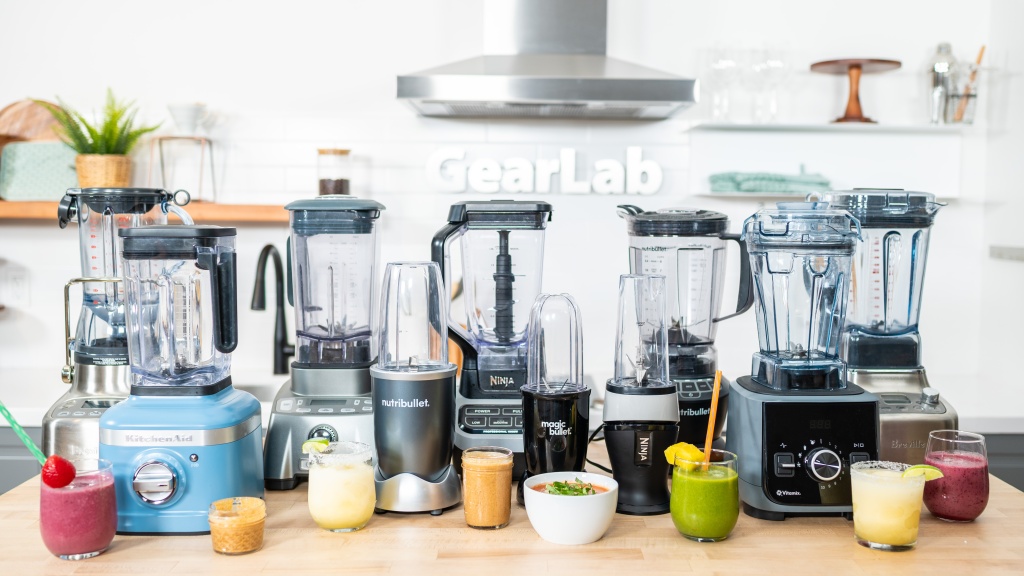
Common Blender Sizes
Blenders come in many sizes to fit different needs. Choosing the right size helps in making your kitchen work easier.
Knowing the common blender sizes can guide you to pick one that matches your lifestyle and cooking habits.
Personal Blenders
Personal blenders are small and easy to use. They usually hold between 12 and 24 ounces.
These blenders are great for single servings like smoothies or shakes.
- Size: 12-24 ounces
- Best for: Single servings
- Portability: Easy to carry
Countertop Blenders
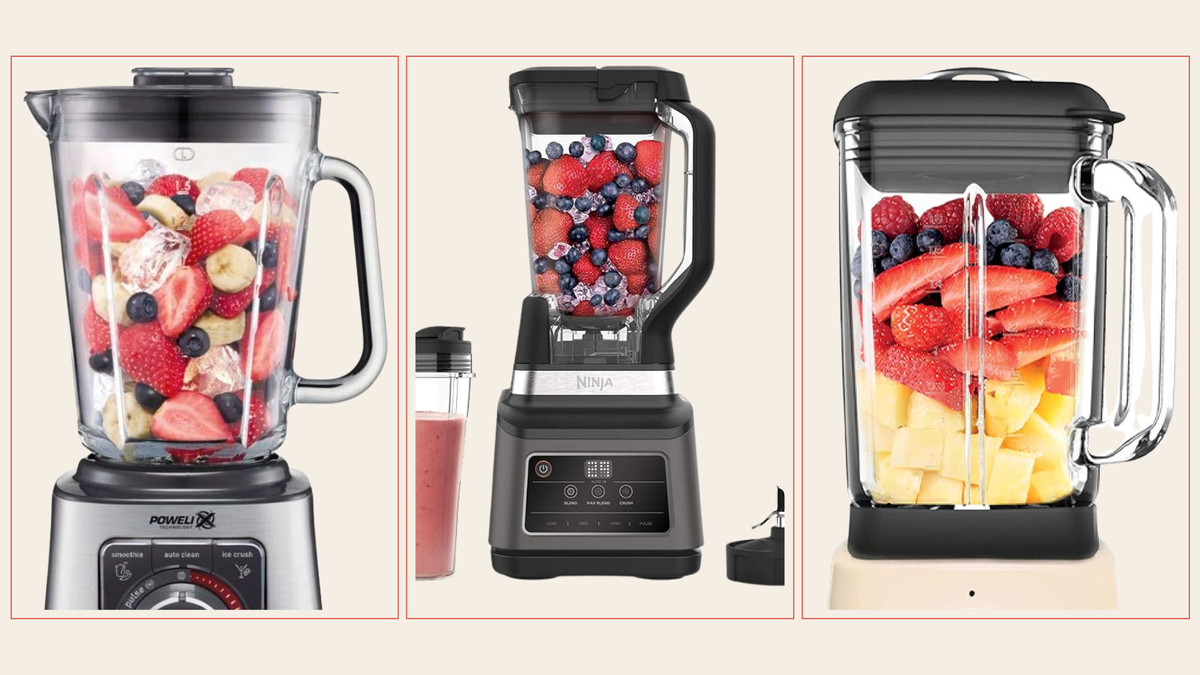
Countertop blenders are medium to large in size. They usually range from 40 to 72 ounces.
They work well for families or cooking larger meals.
- Size: 40-72 ounces
- Best for: Family servings
- Use: Smoothies, soups, sauces
High-performance Blenders
High-performance blenders are usually larger and more powerful. Their sizes range from 48 to 90 ounces.
They handle tough ingredients and can blend large batches quickly.
- Size: 48-90 ounces
- Best for: Heavy use and big batches
- Power: Strong motors for tough tasks
Blender Capacity And Volume
Choosing the right blender size depends on how much you want to blend. The capacity and volume affect your cooking and preparation.
Blenders come in different sizes. Knowing the right capacity helps avoid waste or extra work.
Serving Sizes
Think about how many people you usually serve. Small blenders fit one to two servings. Larger blenders handle more servings at once.
- Small capacity: 20 to 32 ounces, good for one to two servings
- Medium capacity: 40 to 64 ounces, fits three to four servings
- Large capacity: 72 ounces or more, ideal for five or more servings
Batch Processing
Batch processing means making larger amounts in one go. A bigger blender saves time by blending more at once.
| Batch Size | Blender Capacity Needed |
| Small batches | 20-32 ounces |
| Medium batches | 40-64 ounces |
| Large batches | 72 ounces or more |
Matching Blender Size With Lifestyle
Choosing the right blender size depends on your daily needs. A good fit saves space and matches your routine.
Think about how many people you usually cook for. This helps pick the best blender size for you.
Single Vs. Family Use
Single users often want small blenders. These are easy to clean and store. Family use needs bigger blenders for larger amounts.
- Single use: 20 to 32 ounces capacity
- Small family: 48 to 56 ounces capacity
- Large family: 64 ounces or more capacity
- Consider how often you blend meals
- Think about your kitchen space
Entertaining Guests
When hosting, you need a blender that handles big batches fast. Large containers save time and reduce refills.
| Blender Size | Suitable For | Notes |
| 32 ounces | Small gatherings | Works for 2-3 people |
| 56 ounces | Medium parties | Good for 4-6 people |
| 72+ ounces | Large events | Best for 7+ people |
Storage And Maintenance
Choosing the right blender size affects how you store and maintain it. A blender that is too big may take up too much space. A smaller blender can be easier to handle and clean.
Good storage and maintenance keep your blender working well. You can save time and avoid damage by picking the right size and caring for it properly.
Ease Of Cleaning
Smaller blenders usually have fewer parts and fit better in sinks. This makes cleaning easier and faster. Larger blenders often have big jars that need more effort to wash.
Look for blenders with dishwasher-safe parts. Removable blades and lids help you clean every corner well. Regular cleaning stops food from sticking and keeps your blender fresh.
- Choose dishwasher-safe jars and lids
- Pick blenders with removable blades
- Clean after every use to avoid buildup
- Use warm water and mild soap
Space-saving Tips
Think about where you will keep your blender. Small blenders fit easily in cabinets or on counters. Big blenders may need a special spot or shelf.
Stack parts like lids and jars inside each other if possible. Store your blender near other kitchen tools you use often. This saves space and keeps your kitchen tidy.
- Store small blenders in cabinets or drawers
- Stack blender parts to save space
- Keep your blender near cooking areas
- Use shelves or racks for large blenders
Credit: www.techgearlab.com
Budget Considerations
Choosing the right blender size depends on your budget. It is important to balance cost and benefits. This helps you get the best value for your money.
Think about how often you will use the blender and for what tasks. This can guide you to pick a size that fits your needs and budget.
Cost Vs. Benefits
Smaller blenders usually cost less and use less power. They are good for small tasks like making smoothies or sauces. Larger blenders cost more but can handle bigger jobs. They are better for families or frequent use.
- Small blenders: lower price, less space, limited capacity
- Medium blenders: moderate price, good for daily use, balanced size
- Large blenders: higher price, more power, best for big batches
Long-term Investment
| Factor | Small Blender | Large Blender |
| Initial Cost | Low | High |
| Durability | Moderate | High |
| Energy Use | Lower | Higher |
| Maintenance | Simple | More Complex |
| Replacement Frequency | More Often | Less Often |
Think about how long the blender will last. A more expensive blender may save money over time. It can need fewer repairs and work better for years.
Top Brands And Models
Choosing the right blender size depends on your needs and kitchen space. Many brands offer different sizes for various uses.
This guide covers popular blender brands and models to help you decide which size fits you best.
Popular Choices
Many people prefer brands that offer a range of blender sizes. These brands balance power and container size well.
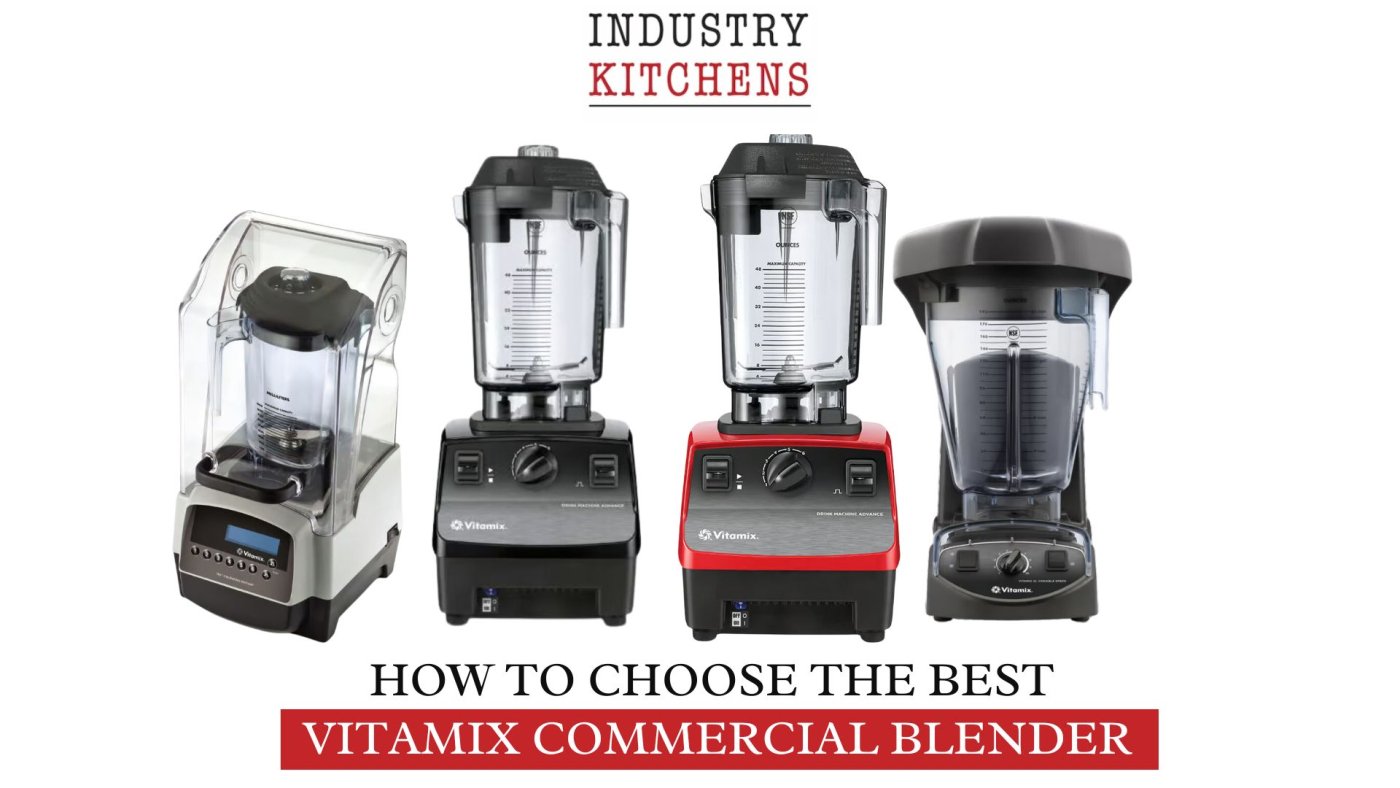
- Vitamix: Known for large and small containers, good for smoothies and soups.
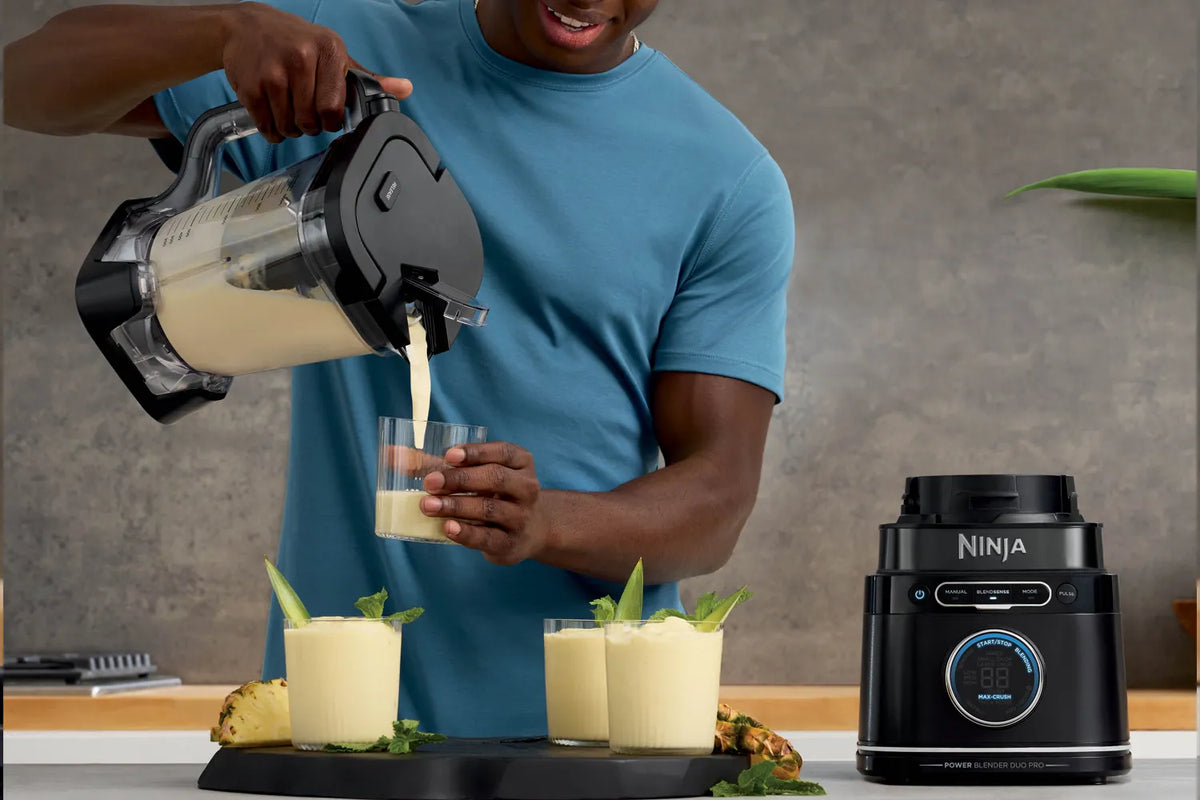
- Ninja: Offers personal and family-sized blenders with strong motors.
- Blendtec: Features models with large jars for big batches and small ones for single servings.
- KitchenAid: Has compact blenders for small kitchens and bigger options for more use.
Durability And Warranty
Durability is key when choosing a blender size. Larger blenders often have stronger parts but cost more.
Check the warranty length and what it covers. A good warranty shows the brand’s confidence in their product.
- Vitamix usually offers a 7-10 year warranty covering motor and parts.
- Ninja provides a 1-2 year warranty depending on the model.
- Blendtec includes a 8-year warranty on most blenders.
- KitchenAid typically gives a 1-year warranty with options to extend.
Credit: ninjakitchen.com.au
Credit: www.womanandhome.com
Frequently Asked Questions
What Blender Size Is Best For Small Kitchens?
A compact blender with a 20-32 ounce jar is ideal for small kitchens. It saves counter space and handles everyday tasks efficiently.
How To Choose Blender Size For Family Use?
For families, a blender with a 48-64 ounce jar works best. It allows you to prepare larger batches of smoothies or soups easily.
Does Blender Size Affect Blending Performance?
Yes, size impacts performance. Larger blenders handle bigger quantities and tougher ingredients better, while smaller ones are suited for light, quick tasks.
What Blender Size Suits Single Servings?
A personal blender with a 16-20 ounce jar suits single servings. It’s convenient for quick smoothies and easy to clean.
Conclusion
Choosing the right blender size makes cooking easier and faster. Small blenders suit single servings or small kitchens. Larger blenders handle big batches and family meals. Think about how often and what you blend. Space in your kitchen also matters a lot.
A good fit saves time and avoids waste. Take a moment to check your needs. This way, your blender works well every day. Simple steps lead to better cooking results.