
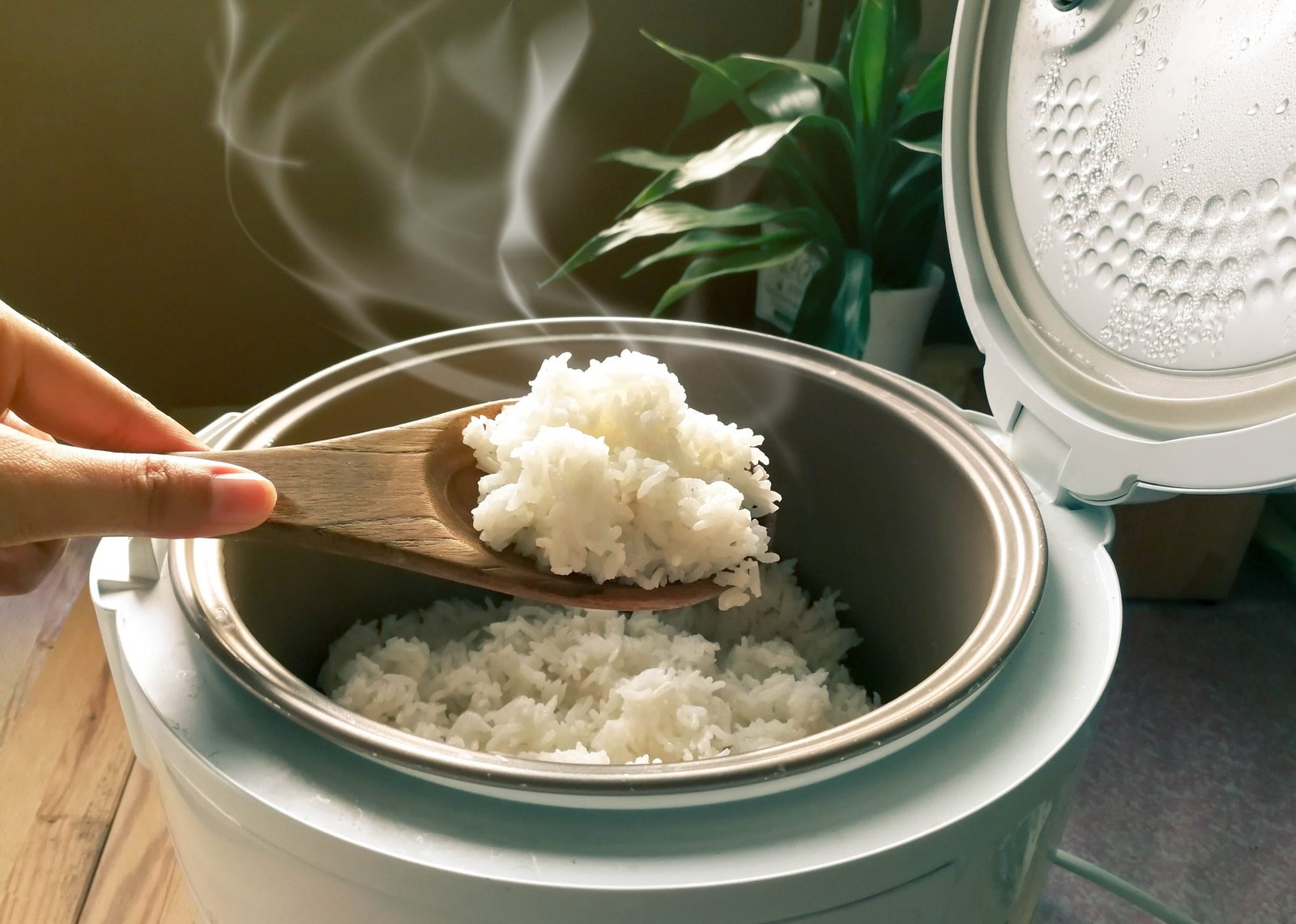
Are you tired of ending up with sticky or unevenly cooked rice? Your rice cooker can do so much more than just cook rice—it can save you time, energy, and effort in the kitchen.
But are you really using it to its full potential? You’ll discover simple, practical tips that make your rice cooker work smarter for you. Keep reading, and you’ll unlock easy ways to get perfect rice every time and even explore new cooking tricks that can transform your meals.
Choosing The Right Rice Cooker
Picking the right rice cooker makes cooking easier and faster. It helps you get perfect rice every time.
There are many models to choose from. Think about your needs before buying one.
Capacity Considerations
Choose a rice cooker size that fits your family. Small cookers work for one or two people.
Larger cookers are good for families or when you cook often for guests. Avoid buying too big or too small.
- 1 to 3 cups for singles or couples
- 4 to 6 cups for small families
- 7 cups or more for large families or parties
Features To Look For
Look for features that save time and improve rice quality. Some models have timers and keep-warm options.
Non-stick inner pots and easy controls make cooking simple. Some rice cookers can cook other foods too.
- Automatic keep-warm function
- Delay timer for cooking later
- Non-stick inner pot for easy cleaning
- Multiple cooking modes for different rice types
- Easy-to-use control panel
Prepping Ingredients Quickly
Using a rice cooker saves time, but prepping ingredients fast is key. Good prep helps cook rice evenly and tastier.
Focus on washing and soaking to cut down cooking time. These simple steps make your rice cooker more efficient.
Efficient Washing Techniques
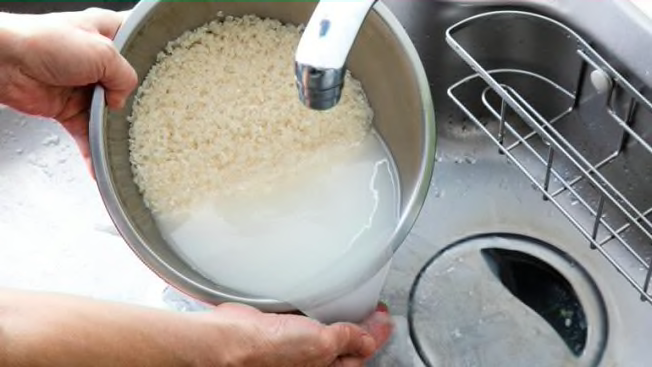
Wash rice quickly and well to remove starch and dirt. This prevents sticky rice and improves texture.
- Measure rice before washing to save time.
- Rinse rice in cold water using a bowl or sieve.
- Swirl rice gently with your hand for 15-20 seconds.
- Drain water completely before rinsing again.
- Repeat rinsing 2-3 times until water runs clearer.
Pre-soaking Benefits
Soaking rice softens grains and cuts down cooking time. It also helps rice cook evenly inside the cooker.
| Soaking Time | Effect on Cooking |
| 10 minutes | Reduces cooking time by 5 minutes |
| 30 minutes | Grains absorb water evenly |
| 1 hour | Rice becomes softer and fluffier |
Optimizing Cooking Settings
Using a rice cooker well helps you get great results every time. Adjusting the cooking settings correctly saves time and energy.
Learning how to set the modes and adjust for different grains can improve your meals. Small changes make a big difference.
Selecting The Right Mode
Rice cookers have different modes for types of rice and dishes. Choose the mode that matches what you want to cook.
Using the correct mode helps the cooker use the right temperature and time. This prevents undercooked or mushy rice.
- Use the “White Rice” mode for regular long or short grain rice.
- “Brown Rice” mode takes longer to cook but cooks the grains fully.
- “Quick Cook” mode is best for when you need rice fast, but texture may be softer.
- “Steam” mode can be used to cook vegetables or steam rice gently.
Adjusting For Different Grains
Different grains need different water amounts and cooking times. Adjust settings based on what grain you use.
Using the wrong water ratio or time can cause rice to be dry or too soft. Pay attention to grain type.
| Grain Type | Water Ratio (Rice:Water) | Recommended Mode |
|---|---|---|
| White Rice | 1:1.5 to 1:2 | White Rice |
| Brown Rice | 1:2 to 1:2.5 | Brown Rice |
| Jasmine Rice | 1:1.25 to 1:1.5 | White Rice or Quick Cook |
| Basmati Rice | 1:1.5 | White Rice |
| Quinoa | 1:2 | Steam or White Rice |
Credit: www.consumerreports.org
Maximizing Flavor With Add-ins
Using a rice cooker can save time and effort. You can add ingredients that boost taste and nutrition.
Adding broths, spices, vegetables, and proteins helps make your rice dishes more exciting and healthy.
Utilizing Broths And Spices
Replace water with broth to add rich flavor to your rice. Use vegetable, chicken, or beef broth based on your recipe.
- Add bay leaves or cinnamon sticks for warmth and aroma.
- Sprinkle garlic powder or onion flakes for savory notes.
- Use dried herbs like thyme, oregano, or rosemary to enhance taste.
- Try a pinch of turmeric or saffron for color and subtle flavor.
Incorporating Vegetables And Proteins
Mix vegetables and proteins directly into the rice cooker. This makes a complete meal with minimal effort.
| Ingredient | Preparation | Cooking Tip |
| Carrots | Chopped | Add before cooking for softness |
| Peas | Frozen or fresh | Stir in near the end to keep texture |
| Chicken | Cut into small pieces | Use pre-cooked or cook with rice |
| Tofu | Firm, cubed | Add after cooking to avoid crumbling |
Utilizing The Keep Warm Feature
The keep warm feature on a rice cooker helps keep your food hot after cooking. It saves time by avoiding reheating.
Using this feature correctly can keep rice fresh and tasty without drying or overcooking it.
Preventing Overcooking
Keep warm works best for short periods. Leaving rice too long can make it dry or hard. Use these tips to avoid overcooking.
- Turn off the keep warm function after 1 to 2 hours.
- Stir the rice occasionally to release moisture.
- Add a few drops of water if rice starts to dry.
- Use a rice cooker with an automatic timer if possible.
Ideal Foods To Keep Warm
Not all foods stay good on keep warm. Some work better because they keep moisture and texture.
| Food | Keep Warm Time | Notes |
|---|---|---|
| Cooked rice | Up to 2 hours | Stir to keep soft |
| Steamed vegetables | 30–60 minutes | Best eaten fresh |
| Soups and stews | 2–3 hours | Keep covered to retain moisture |
| Beans and lentils | 1–2 hours | Add water if drying |
Cleaning And Maintenance Tips
Keeping your rice cooker clean helps it work well for a long time. Dirt and food left inside can cause damage or bad smells.
Regular cleaning and simple care steps can keep your rice cooker safe and efficient every time you use it.
Efficient Cleaning Methods
Clean your rice cooker after each use to avoid stuck food and stains. Use warm water and mild soap for the best results.
- Unplug the cooker and let it cool before cleaning.
- Remove the inner pot and wash it with a soft sponge.
- Wipe the inside of the cooker with a damp cloth.
- Check and clean the steam vent to avoid blockages.
- Dry all parts completely before reassembling.
Maintenance For Longevity
Proper maintenance extends the life of your rice cooker. Small checks can prevent big problems later.
| Maintenance Task | How Often | Why It Matters |
| Clean inner pot and lid | After every use | Prevents food build-up and odors |
| Check power cord and plug | Monthly | Avoids electrical hazards |
| Inspect steam vent | Weekly | Keeps steam flowing safely |
| Store with lid open | When not in use | Prevents moisture and mold |
Innovative Rice Cooker Recipes
Rice cookers are not just for cooking plain rice. You can make many creative dishes with them. Using your rice cooker saves time and effort in the kitchen.
These recipes show how to use your rice cooker in new ways. Try these ideas for easy meals and tasty desserts.
One-pot Meal Ideas
Rice cookers can cook full meals with rice, vegetables, and protein together. This makes cleanup quick and cooking simple. You can add spices and sauces to create different flavors.
- Chicken and rice with mixed vegetables and soy sauce
- Vegetable biryani with peas, carrots, and spices
- Seafood paella with shrimp, rice, and bell peppers
- Beef stew with rice, potatoes, and carrots
- Quinoa and black bean chili cooked with broth and spices
Desserts In A Rice Cooker
You can make delicious desserts using your rice cooker. It cooks evenly and keeps moisture inside. Try puddings, cakes, or even steamed fruits in it.
- Rice pudding with milk, sugar, and cinnamon
- Steamed chocolate cake with cocoa and eggs
- Banana bread made with mashed bananas and nuts
- Steamed apple with cinnamon and honey
- Sweet sticky rice with coconut milk and mango

Credit: shop.ttkprestige.com

Credit: www.briscoes.co.nz
Frequently Asked Questions
How Do I Measure Rice And Water For A Rice Cooker?
Use the rice cooker’s measuring cup for rice quantity. Add water according to the rice type and cooker instructions. Generally, use 1 cup rice to 1. 5 cups water for white rice, adjusting for other varieties or desired texture.
Can I Cook Other Grains In A Rice Cooker?
Yes, rice cookers can cook grains like quinoa, barley, and oats. Adjust water amounts and cooking times based on grain type. Use the “porridge” or similar setting if available for best results.
How Do I Clean A Rice Cooker Efficiently?
Unplug the rice cooker and let it cool. Remove the inner pot and wash it with warm, soapy water. Wipe the exterior and heating element gently with a damp cloth. Avoid immersing the cooker base in water.
What Are Tips To Prevent Rice From Sticking?
Rinse rice thoroughly before cooking to remove excess starch. Lightly oil the inner pot or use non-stick spray. Avoid opening the lid during cooking to maintain steam and heat consistency.
Conclusion
Using a rice cooker well saves time and energy every day. Clean the cooker after each use to keep it working right. Measure rice and water carefully for perfect results. Try different cooking settings to find what suits you best.
Small habits make cooking easier and food tastier. Enjoy simple meals without extra fuss or stress. A good rice cooker helps in many kitchen tasks. Keep these tips in mind to cook smarter and faster. Cooking rice can be easy and fun with practice.
Your rice cooker can be a helpful kitchen friend.