
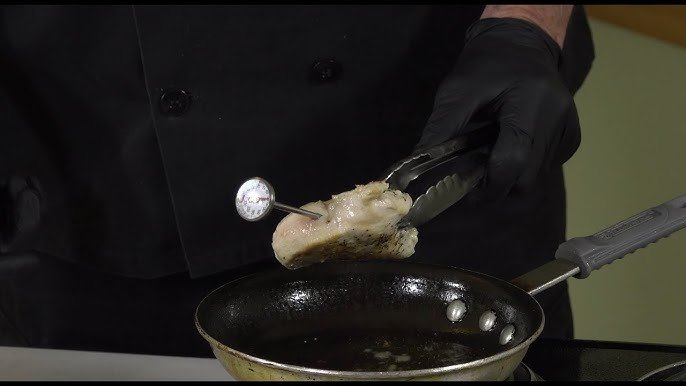
Are you tired of guessing whether your food is cooked just right? Using a food thermometer is the easiest way to take the guesswork out of cooking.
It helps you know exactly when your meal is safe to eat and perfectly cooked every time. You’ll learn simple steps to use a food thermometer like a pro. By the end, you’ll feel confident that your food is both delicious and safe for you and your loved ones.
Ready to cook smarter and tastier? Let’s dive in!
Choosing The Right Food Thermometer
Using a food thermometer ensures your meals are cooked safely and to the right temperature. Choosing the right type helps you check food quickly and accurately.
There are many thermometers available. Knowing the difference between digital and analog types can help you pick one that fits your needs.
Digital Vs. Analog
Digital thermometers use electronic sensors to give fast, clear readings on a screen. Analog thermometers use a dial and a metal probe to show temperature.
- Digital:Shows temperature quickly and clearly.
- Analog:Does not need batteries but takes longer to read.
- Digital:Often has extra features like timers or alerts.
- Analog:Usually more durable and simple to use.
Features To Look For
| Feature | Why It Matters |
| Accuracy | Ensures food is cooked safely and tastes good. |
| Speed | Gives quick readings to save time in cooking. |
| Easy to Read Display | Makes it simple to check temperature at a glance. |
| Durability | Lasts longer, especially if used outdoors or near heat. |
| Water Resistance | Allows easy cleaning and use in wet conditions. |
| Temperature Range | Works for all types of food, from meat to candy. |
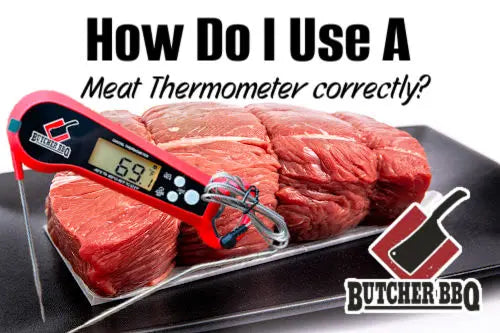
Credit: butcherbbq.com
Calibrating Your Thermometer
Using a food thermometer ensures your food cooks safely. Calibrating the thermometer keeps it accurate. This helps you avoid undercooked or overcooked meals.
There are simple ways to check your thermometer’s accuracy. Two common ways are the Ice Water Method and the Boiling Water Method.
Ice Water Method
The Ice Water Method tests the thermometer at 32°F (0°C). This is the freezing point of water. It helps you see if the thermometer reads cold correctly.
To do this, fill a glass with ice and add cold water. Stir the water and let it sit for a minute. Insert the thermometer probe into the ice water. Do not touch the sides or bottom of the glass.
- The thermometer should read 32°F (0°C).
- If it does not, adjust the thermometer to show 32°F.
- Many thermometers have a calibration nut to turn.
Boiling Water Method
The Boiling Water Method checks the thermometer at 212°F (100°C). This is the boiling point of water at sea level. It shows if the thermometer reads hot correctly.
Boil clean water in a pot. Once boiling, put the thermometer probe into the water. Avoid touching the pot’s sides or bottom. Wait for the reading to stabilize.
- The thermometer should read 212°F (100°C).
- If it is off, adjust it to 212°F if possible.
- Remember, altitude can change boiling temperature.
Proper Placement For Accurate Readings
Using a food thermometer helps ensure food is safe to eat. Proper placement gives the most accurate temperature.
Different foods need the thermometer in different spots. This guide shows where to place it for best results.
Meat And Poultry
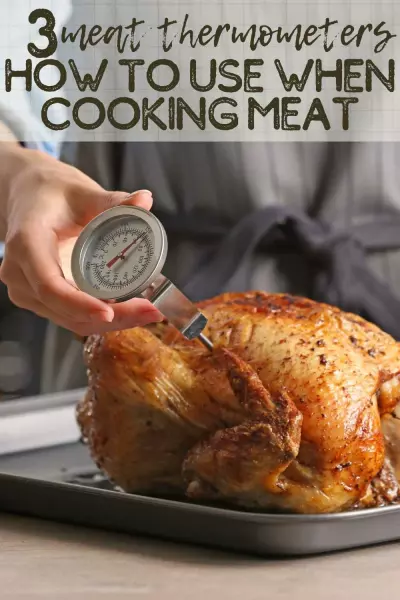
Insert the thermometer into the thickest part of the meat. Avoid touching bone, fat, or gristle. These parts can give false readings.
- For whole poultry, check inside the inner thigh near the breast.
- For steaks or chops, place the thermometer in the center.
- For ground meat, test the middle of the thickest patty.
Baked Goods
Insert the thermometer into the center of cakes or breads. The middle is the last part to cook through.
| Type of Baked Good | Thermometer Placement |
|---|---|
| Cakes | Center of the thickest part, avoiding any fillings |
| Breads | Middle of the loaf, away from crust |
| Custards | Center, not touching the pan |
Casseroles And Soups
Place the thermometer in the center of the dish. Avoid touching the sides or bottom of the container.
- Stir the soup before testing to get an even temperature.
- For casseroles, test the thickest part for doneness.
- Check multiple spots if the dish is large or uneven.

Credit: www.amazon.ca
Understanding Safe Cooking Temperatures
Using a food thermometer helps ensure your food is safe to eat. Cooking food to the right temperature kills harmful germs.
Each type of food has a safe temperature to reach. Knowing these temperatures helps prevent foodborne illness.
Meat And Seafood Guidelines
Meat and seafood need to reach certain temperatures to be safe. This kills bacteria and parasites that can cause sickness.
- Beef, pork, veal, and lamb: 145°F (63°C) with a 3-minute rest time
- Ground meats (beef, pork, lamb): 160°F (71°C)
- All poultry (chicken, turkey, duck): 165°F (74°C)
- Fish and shellfish: 145°F (63°C)
Egg And Dairy Products
Eggs and dairy can carry bacteria if not cooked or stored properly. Use a thermometer to check cooked dishes with eggs or dairy.
- Dishes with eggs (like casseroles): 160°F (71°C)
- Pasteurized dairy products should be kept cold, not heated
- Homemade custards and sauces: 160°F (71°C)
Vegetables And Grains
Vegetables and grains are safer when heated well. Cooking also improves taste and texture.
- Cook vegetables to at least 135°F (57°C) for serving hot
- Grains like rice and pasta should be cooked fully and kept at safe temperatures
- Use a thermometer for large batches or food held warm
Avoiding Common Mistakes
Using a food thermometer helps cook food safely. Many people make simple errors. These mistakes can cause wrong temperature readings.
Learn about common mistakes to get accurate results every time. This guide covers three key errors to avoid.
Not Testing The Thickest Part
Always test the thickest part of the food. Thin parts cook faster and give false readings. For example, check the center of chicken breasts or thick cuts of meat.
- Insert the thermometer deep into the thickest area.
- Avoid touching bones or the cooking pan.
- Check multiple spots if the food size varies.
Skipping Calibration
Thermometers can lose accuracy over time. Calibrate them often to ensure correct readings. You can check calibration with ice water or boiling water.
| Calibration Method | Expected Temperature |
| Ice Water Test | 32°F (0°C) |
| Boiling Water Test | 212°F (100°C) |
If the thermometer is off, adjust it according to the manufacturer’s instructions.
Misreading The Thermometer
Read the thermometer carefully. Digital and dial thermometers work differently. Mistakes happen when you don’t check the display or dial properly.
Tips to avoid misreading:
- Wait for the reading to stabilize before checking.
- Use a flashlight if the display is hard to see.
- Know your thermometer type and how to read it.
- Clean the probe to avoid residue blocking the sensor.
Cleaning And Storing Your Thermometer
Keeping your food thermometer clean is very important. It helps stop germs and gives you safe food.
Storing your thermometer the right way keeps it working well for a long time.
Sanitizing After Use
Clean the thermometer after each use. This removes bacteria and food particles. Use warm, soapy water and a clean cloth.
Do not soak the whole thermometer if it is not waterproof. Clean only the metal probe carefully.
- Wash the metal probe with soap and warm water
- Rinse under clean water to remove soap
- Wipe with a clean cloth or paper towel
- Use a food-safe sanitizer or rubbing alcohol for extra cleaning
- Let it dry completely before storing
Proper Storage Techniques
Store your thermometer in a dry, clean place. Keep it away from heat and moisture to avoid damage.
Use a protective case if your thermometer has one. This helps protect the probe and screen from harm.
- Keep the thermometer in its case or a clean container
- Store it in a drawer or cupboard, away from direct sunlight
- Do not place heavy items on top of it
- Check the battery regularly and replace if needed
Benefits Of Using A Food Thermometer
Using a food thermometer helps you cook food safely and correctly. It shows the exact temperature inside your food.
This tool is easy to use and can improve your cooking results. It helps avoid undercooked or overcooked meals.
Enhancing Food Safety
Food thermometers help kill harmful bacteria. Cooking food to the right temperature keeps you and your family safe.
Using a thermometer stops food poisoning by making sure meat, poultry, and seafood are fully cooked.
- Checks if food reached a safe temperature
- Prevents illness from undercooked food
- Helps follow safety guidelines for cooking
Achieving Perfect Doneness
A food thermometer helps you cook meat to your preferred doneness. It avoids guesswork and uneven cooking.
You get juicy steaks, tender chicken, and well-cooked roasts every time. It improves the taste and texture of your food.
- Measures exact internal temperature
- Prevents overcooking and drying out
- Helps get consistent cooking results
Credit: www.thatorganicmom.com
Frequently Asked Questions
What Is The Best Way To Use A Food Thermometer?
Insert the thermometer into the thickest part of the food. Avoid touching bone or fat to get an accurate reading. Wait a few seconds for the temperature to stabilize before checking.
How Do I Clean My Food Thermometer Safely?
Clean the probe with hot, soapy water after each use. Avoid submerging the entire device if it’s not waterproof. Sanitize with a food-safe disinfectant for extra safety.
Why Is A Food Thermometer Important For Cooking?
A food thermometer ensures food reaches a safe temperature, killing harmful bacteria. It prevents undercooking and overcooking, ensuring delicious and safe meals every time.
Can I Use A Food Thermometer For All Types Of Food?
Yes, food thermometers work for meats, poultry, fish, and baked goods. Use different temperature guidelines for each food type to ensure proper cooking.
Conclusion
Using a food thermometer keeps your meals safe and tasty. It helps you cook meat to the right temperature every time. This tool also stops undercooked or overcooked food. Clean your thermometer after use for best results. Remember, safe food means happy and healthy eating.
Keep practicing, and you will get better at using it. Cooking becomes easier and more enjoyable with a food thermometer. Try it today and see the difference in your cooking!