
Choosing the right funnel can feel overwhelming. You want something that fits your goals, works smoothly, and brings real results.
But with so many options out there, how do you pick the perfect one? This guide will help you cut through the noise and focus on what truly matters. By the end, you’ll feel confident about your choice and ready to boost your success.
Keep reading—your ideal funnel is closer than you think.
Credit: uxdesign.cc
Understanding Sales Funnels
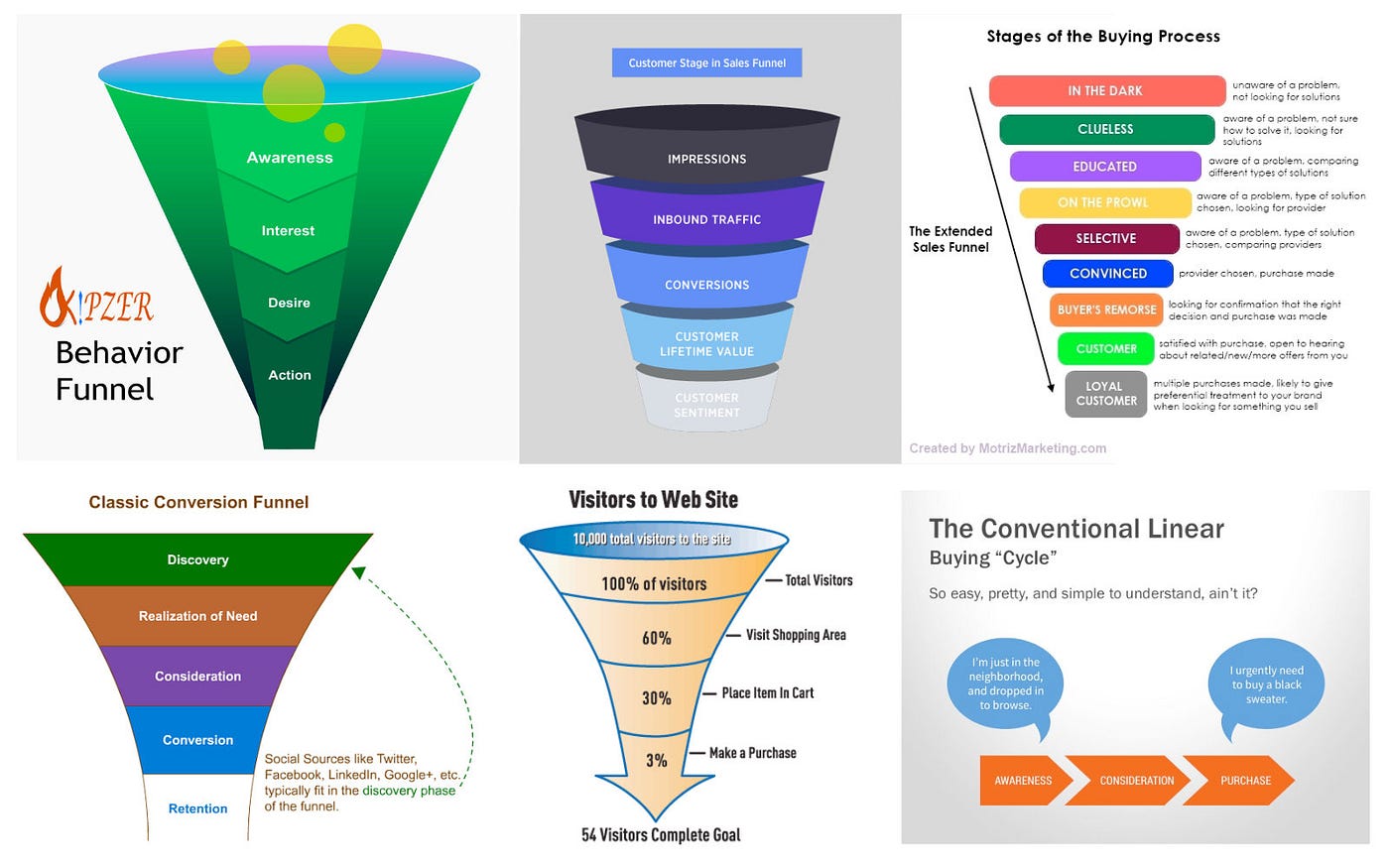
Choosing the right sales funnel helps guide customers to buy your product. A sales funnel shows the steps people take before making a purchase.
Knowing how sales funnels work lets you create better marketing and increase sales.
Definition And Purpose
A sales funnel is a process that leads potential customers from learning about your product to buying it. It helps organize marketing efforts.
The purpose of a sales funnel is to turn visitors into paying customers by guiding them step by step.
Stages Of A Sales Funnel
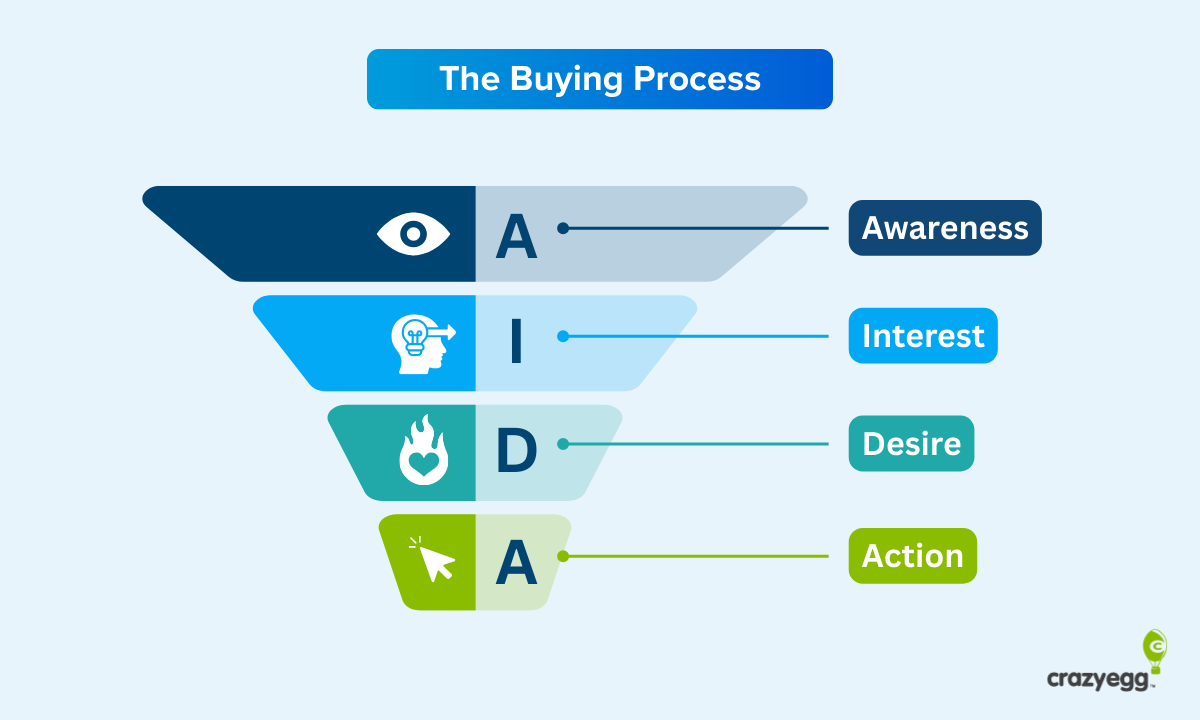
Sales funnels have several stages that show how customers move toward a purchase. Each stage needs different marketing tactics.
- Awareness:The customer learns about your product or service.
- Interest:The customer shows interest and wants to know more.
- Decision:The customer decides if they want to buy.
- Action:The customer makes the purchase.
Identifying Your Business Needs
Choosing the right funnel starts with knowing what your business needs. Every business has different goals and challenges.
Understanding these needs helps you pick a funnel that fits and brings better results.
Analyzing Target Audience
Know who your customers are before choosing a funnel. Think about their age, interests, and problems.
This helps you create a funnel that guides the right people toward buying your product or service.
- Age group and location
- What problems they want to solve
- How they find products or services
- What motivates their purchases
Setting Conversion Goals
Decide what you want your funnel to achieve. This could be sales, sign-ups, or lead collection.
Clear goals help you measure if the funnel is working well for your business.
- Increase product sales
- Get more email subscribers
- Boost event registrations
- Collect customer feedback
Types Of Funnels
Funnels help guide people to take action on your website. Different funnels serve different goals.
Choosing the right funnel type matches your business needs and customer journey.
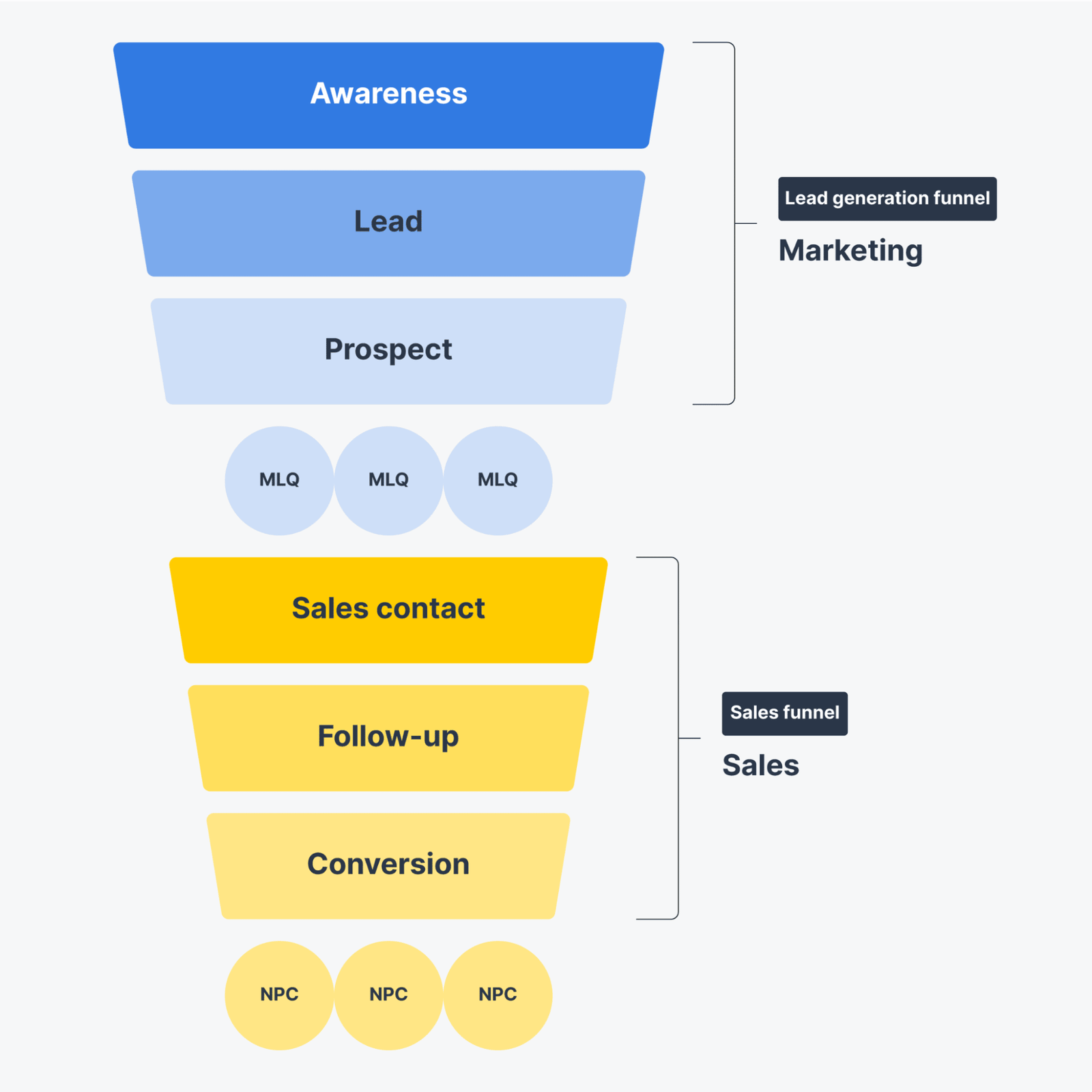
Lead Generation Funnels
Lead generation funnels collect contact information from visitors. They help build your email list.
These funnels offer something valuable like a free guide or checklist in exchange for an email.
- Use a simple sign-up form
- Offer a clear benefit or free resource
- Follow up with email marketing
Sales Funnels
Sales funnels guide visitors to buy a product or service. They show the product benefits clearly.
These funnels often include product pages, order forms, and upsell offers.
- Highlight product features and benefits
- Use clear call-to-action buttons
- Offer limited-time discounts or bonuses
Webinar Funnels
Webinar funnels attract people to attend online seminars. They build trust and educate your audience.
These funnels include registration pages and reminder emails before the webinar.
- Create a strong webinar topic
- Use easy sign-up forms
- Send reminders to attendees
Product Launch Funnels
Product launch funnels prepare customers for a new product release. They build excitement and urgency.
These funnels often include teaser content, early access offers, and countdown timers.
- Share sneak peeks and previews
- Offer early bird discounts
- Use countdown timers to create urgency
Credit: www.crazyegg.com
Choosing The Right Funnel
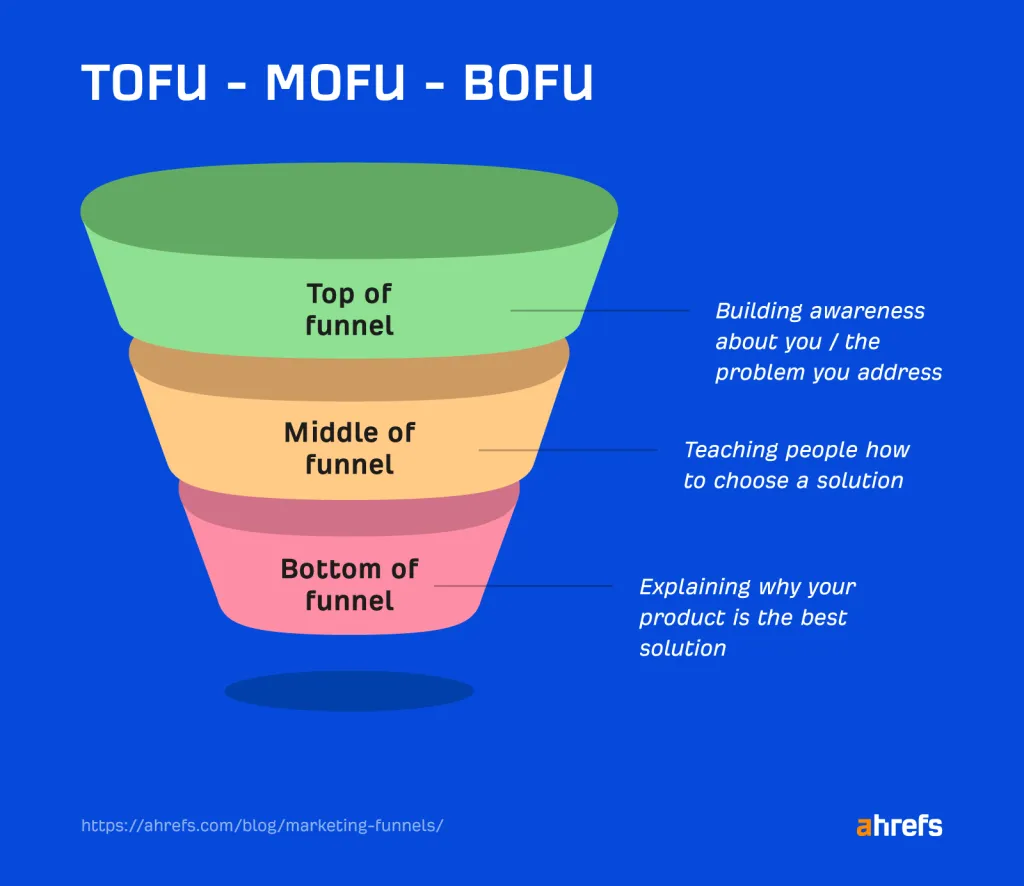
Choosing the right funnel is key to growing your business. A good funnel guides visitors to become customers efficiently.
This guide helps you pick a funnel that fits your needs and resources.
Evaluating Funnel Features
Look at the features each funnel offers. Some funnels include email automation, landing pages, and payment options.
- Easy integration with your website
- Support for multiple traffic sources
- Customizable templates
- Analytics and tracking tools
- Mobile-friendly design
Matching Funnel To Business Goals
Choose a funnel that matches what your business wants to achieve. Different funnels fit different goals.
| Business Goal | Best Funnel Type |
| Lead Generation | Landing Page Funnel |
| Product Sales | Sales Funnel |
| Customer Retention | Membership Funnel |
| Event Registration | Webinar Funnel |
Considering Budget And Resources
Think about how much money and time you can spend on the funnel. Some funnels need more setup or monthly fees.
- Cost of software or tools
- Time to build and manage the funnel
- Skills needed for design and marketing
- Support and training availability
Tools And Platforms
Choosing the right funnel tools and platforms is key to building effective sales funnels. These tools help you create, manage, and optimize funnels for your business.
Understanding the software options and their compatibility with your existing systems can save time and improve results.
Popular Funnel Software
Many funnel software options offer a variety of features. Some focus on ease of use, while others give more control and customization.
- ClickFunnels: Known for its drag-and-drop editor and pre-built funnel templates.
- Kartra: Combines funnel building with email marketing and membership sites.
- Leadpages: Good for landing pages and simple funnels.
- Builderall: Offers an all-in-one marketing platform with funnel tools.
- GrooveFunnels: Includes funnel creation with eCommerce and email marketing.
Integrations And Compatibility
Check if the funnel software works well with your current tools. Integration helps automate tasks and saves effort.
| Integration Type | Examples | Why It Matters |
| Email Marketing | Mailchimp, ActiveCampaign | Send automated emails to leads |
| Payment Processors | Stripe, PayPal | Secure payment handling |
| CRM Systems | Salesforce, HubSpot | Manage customer data easily |
| Webinar Tools | Zoom, GoToWebinar | Host live sessions for leads |
| Analytics | Google Analytics, Facebook Pixel | Track funnel performance |
Credit: reads.alibaba.com
Designing An Effective Funnel
Creating a funnel means guiding visitors step-by-step. Your goal is to turn visitors into customers. Good design makes this process smooth and clear.
Each part of the funnel needs careful thought. This helps keep users interested and moving forward.
Crafting Compelling Content
Content should speak directly to your audience. Use simple words and clear messages. Focus on benefits and solve their problems.
- Write headlines that grab attention
- Keep paragraphs short and clear
- Use images to support your points
- Add calls to action that tell what to do next
Optimizing User Experience
A good funnel is easy to use. Visitors should find what they want fast. Make buttons big and links clear. Avoid clutter on the page.
| Element | Best Practice |
| Loading Speed | Keep pages under 3 seconds |
| Navigation | Use clear menus and buttons |
| Mobile Friendly | Design for all screen sizes |
| Form Fields | Ask only for needed info |
A/b Testing And Iteration
Test different versions of your funnel. Try changing headlines, colors, or buttons. See which version works best by measuring results.
Key elements to test:
- Headline text
- Call to action wording
- Page layout
- Images and videos
Measuring Funnel Success
Measuring funnel success helps you know if your funnel works well. It shows where people drop off or complete actions.
Tracking data lets you improve your funnel and get better results over time.
Key Metrics To Track
Look at important numbers to see how your funnel performs. These numbers show how people move through each step.
- Traffic: Number of visitors to your funnel
- Click-through rate: How many click links or buttons
- Conversion rate: Percentage of visitors who take desired action
- Bounce rate: Visitors who leave without action
- Average time: How long visitors stay in the funnel
Analyzing Conversion Rates
Conversion rates tell you how many visitors complete a goal. This shows how effective your funnel steps are.
Compare rates at each stage to find where people stop or lose interest.
- High drop-off means a problem step
- Low conversion means weak offer or message
- Steady rates show smooth user experience
Adjusting Strategies Based On Data
Use your data to change your funnel and fix weak points. Small changes can improve results a lot.
Test different headlines, buttons, or offers to see what works best for your audience.
- Change content that lowers conversion
- Improve steps with high bounce rates
- Repeat tests to find better methods
Common Funnel Mistakes
Choosing the right funnel is key to business success. Many people make simple mistakes that hurt their results.
Understanding common errors helps you build a better funnel. Avoid these pitfalls to improve your sales process.
Ignoring Customer Journey
Many funnels fail because they do not follow the customer journey. Customers need clear steps from interest to purchase.
Skipping this makes customers confused or lost. They might leave before buying if you do not guide them well.
- Map out your customer’s path
- Offer helpful information at each step
- Make it easy to move from one step to next
Overcomplicating The Process
Too many steps or choices can confuse customers. A simple funnel helps people decide faster and easier.
Complex funnels make visitors leave. Keep your design clear and focused on the main goal.
- Limit the number of steps
- Use clear and simple language
- Avoid too many options at once
Neglecting Follow-up Strategies
Many funnels stop after the first sale or signup. Following up keeps customers interested and builds trust.
Without follow-up, customers forget or lose interest. Use emails or messages to stay connected.
- Send thank you emails
- Offer helpful tips or updates
- Remind customers about new offers
Frequently Asked Questions
What Is The Best Funnel Type For Beginners?
The best funnel type for beginners is a simple sales funnel. It guides customers step-by-step. This funnel helps build trust and converts visitors effectively.
How Do I Choose The Right Funnel For My Business?
Identify your business goals and target audience first. Then, select a funnel that matches your sales process and customer journey. Testing different funnels helps find the best fit.
What Are The Key Elements Of A Successful Funnel?
A successful funnel includes a strong offer, clear call-to-action, engaging content, and follow-up sequences. These elements nurture leads and boost conversions efficiently.
How Can I Optimize My Funnel For Better Results?
Analyze funnel metrics like conversion rates and drop-off points. Use A/B testing to improve headlines, offers, and layouts. Continuously refine for maximum performance.
Conclusion
Choosing the right funnel shapes your business success. Think about your goals first. Consider your audience and what they need. Test different funnels to find what works best. Keep your funnel simple and clear. Track results and adjust as needed.
A good funnel guides customers step by step. Take time to learn and improve. Your efforts will pay off in the end. Start small and grow with confidence.