
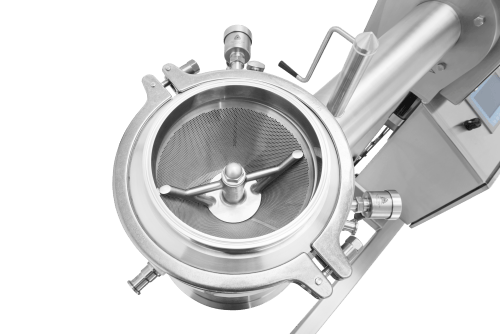
Are you tired of struggling with lumpy sauces or chunky mashed vegetables? A food mill can be your secret weapon for smooth, delicious results every time.
But using it efficiently takes a few simple tricks you might not know yet. You’ll discover easy tips to make your food mill work faster, cleaner, and with less effort. Keep reading to unlock the full potential of your kitchen tool and enjoy perfect textures in your cooking.
Choosing The Right Food Mill
Choosing a food mill helps make cooking easier. It lets you puree fruits and vegetables smoothly.
Pick a food mill that fits your needs. Consider its material, size, and discs.
Material And Durability
Food mills come in different materials. Stainless steel is strong and lasts long. Plastic mills are lighter but less durable. Cast iron mills are heavy and sturdy but need care to avoid rust.
Size And Capacity
Food mills vary in size. Choose a size that matches your cooking habits. Small mills fit small batches. Large mills handle more food at once.
- Small (6-8 inches): Good for small kitchens and quick jobs
- Medium (8-10 inches): Best for regular home cooking
- Large (10+ inches): Ideal for big batches and canning
Interchangeable Discs
Discs control the texture of your food. Many mills include discs with different hole sizes. Switch discs to get coarse or smooth results.
| Disc Type | Use |
| Fine | Purees and smooth sauces |
| Medium | Mashed vegetables and soups |
| Coarse | Chunky textures and salsas |

Credit: www.restaurantsupply.com
Preparing Ingredients Properly
Using a food mill works best when your ingredients are ready. Proper preparation helps the mill work smoothly. It also gives you the best texture and flavor.
Focus on washing, peeling, and chopping your food. These steps make milling easier and faster. They also keep your food clean and safe to eat.
Washing And Peeling
Start by washing your ingredients well. Dirt and pesticides can hide on the surface. Use cool water and scrub gently if needed. Peeling removes tough skins and unwanted parts.
- Rinse fruits and vegetables under running water
- Use a vegetable brush for firm-skinned items
- Peel thick or bitter skins before milling
- Remove seeds and stems to avoid bitterness
Chopping For Optimal Results
Chop ingredients into even pieces. Small chunks fit better in the food mill. This helps the mill work faster and prevents clogging. Avoid very large or irregular pieces.
| Ingredient | Recommended Chop Size | Reason |
|---|---|---|
| Tomatoes | 1 to 2 inches | Prevents clogging and eases milling |
| Potatoes | 1 inch cubes | Ensures even milling and smooth texture |
| Carrots | 1 inch slices | Makes milling faster and easier |
Assembling The Food Mill
Using a food mill starts with putting it together correctly. Proper assembly helps the mill work smoothly and safely.
Follow simple steps to fit all parts tightly. This way, you avoid leaks and get even food texture.
Securing The Parts
First, place the bowl on a stable surface. Attach the handle firmly to keep it steady.
Insert the food mill’s disc into the bottom of the bowl. Make sure it fits snugly without gaps.
- Check that the clamp grips the bowl edge tightly.
- Tighten screws or handles to lock the disc in place.
- Ensure no parts wobble or move during use.
Adjusting The Discs
Food mills come with different discs for fine or coarse textures. Choose the disc that matches your recipe.
Fit the chosen disc securely before starting. Some mills let you adjust the disc height to change the pressure.
- Use a finer disc for smooth purees and sauces.
- Use a coarser disc for chunky textures.
- Adjust the disc to press food evenly without extra force.
Efficient Milling Techniques
Using a food mill saves time and effort in the kitchen. It helps you prepare smooth sauces, purees, and baby food quickly.
To get the best results, use proper milling techniques. These tips will help you use your food mill efficiently.
Maintaining Steady Pressure
Apply steady pressure on the food mill handle. Pressing too hard can cause uneven milling or damage the mill.
Keep your hand firm and use a smooth, consistent force. This helps the food pass evenly through the holes.
- Hold the mill firmly on the bowl
- Press down gently but steadily
- Avoid sudden or heavy force
Rotating For Uniform Texture
Turn the crank evenly to grind food smoothly. Fast or uneven turning can cause lumps or blockages.
Rotate the handle at a steady pace. This gives a consistent texture in your puree or sauce.
- Turn the handle slowly and evenly
- Keep a constant speed during milling
- Stop if food clogs and clear it carefully
Cleaning And Maintenance Tips
Keeping your food mill clean helps it last longer and work well. Regular care stops food bits from building up and causing problems.
Follow simple cleaning and maintenance steps to protect your food mill from damage and rust.
Disassembling For Cleaning
Take apart the food mill before cleaning. This lets you wash all parts thoroughly and reach hidden spots.
- Remove the handle, blade, and sieve carefully.
- Wash each part with warm, soapy water.
- Use a soft brush to clean small holes and crevices.
- Rinse with clean water to remove soap.
- Dry all parts completely before reassembling.
Preventing Rust And Damage
Protect your food mill from rust by drying it well after every use. Avoid leaving it wet or in damp places.
| Action | Tip |
|---|---|
| Drying | Use a towel or air dry in a warm spot |
| Storage | Keep in a dry, cool place away from moisture |
| Material Care | Oil metal parts lightly to prevent rust |
| Avoid | Do not use abrasive cleaners or steel wool |

Credit: www.restaurantsupply.com
Creative Uses For A Food Mill
A food mill is a handy kitchen tool that helps you process fruits and vegetables. It is great for making smooth textures without using electricity.
You can use a food mill for many recipes. It works well for purees, sauces, and baby food. Here are some creative ways to use it efficiently.
Making Smooth Purees
Food mills remove skins and seeds while mashing cooked fruits and vegetables. This makes very smooth purees without lumps.
Use a food mill to puree tomatoes, apples, or cooked squash. The result is perfect for soups or side dishes.
- Cook the food until soft before milling
- Choose the right disk size for texture
- Turn the crank slowly for smooth results
Crafting Homemade Sauces
A food mill helps you make fresh sauces without seeds or skins. It is especially useful for tomato sauces.
After cooking your sauce ingredients, pass them through the mill. This step creates a silky texture that is hard to get otherwise.
- Cook tomatoes or other vegetables well
- Mill in small batches for better control
- Use fine disks for smooth sauces
Preparing Baby Food
Food mills are great for making homemade baby food. They help create soft, easy-to-eat purees without adding water.
You can prepare carrots, peas, potatoes, and fruits safely. The mill removes skins and lumps that babies cannot chew.
- Cook food until very soft
- Use the finest disk for smooth texture
- Make small portions and store properly

Credit: www.restaurantsupply.com
Frequently Asked Questions
What Foods Work Best With A Food Mill?
Soft fruits, cooked vegetables, and mashed potatoes work best. Avoid tough, raw foods to prevent damage and ensure smooth purees.
How Do I Clean A Food Mill Efficiently?
Disassemble the mill and rinse parts immediately after use. Use warm, soapy water and a brush to remove residue. Dry thoroughly to prevent rust.
Can A Food Mill Replace A Blender Or Food Processor?
A food mill produces smoother, chunk-free textures without overheating. It’s ideal for purees and sauces but slower than electric appliances.
What Size Holes Should I Use For Different Recipes?
Use fine holes for smooth purees like baby food. Medium holes suit sauces, while coarse holes work for chunky textures or mashed potatoes.
Conclusion
Using a food mill can save time and effort in the kitchen. Choose the right disc for your task. Keep the mill clean to avoid stuck food. Apply gentle pressure to get smooth results. Practice makes the process faster and easier.
Enjoy fresh, homemade purees and sauces often. These simple tips help you use a food mill well. Try them today and see the difference. Cooking becomes more fun and less messy. A good food mill is a handy kitchen tool.