
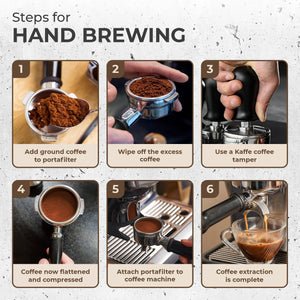
If you want to make the perfect cup of coffee or espresso at home, learning how to use a tamper is a game-changer. You might have the best beans and machine, but without the right tamping technique, your coffee can taste weak or bitter.
Using a tamper correctly helps you control the flavor, strength, and texture of your brew. You’ll discover simple steps to master tamping and unlock the full potential of your coffee. Keep reading—your daily cup is about to get a serious upgrade.
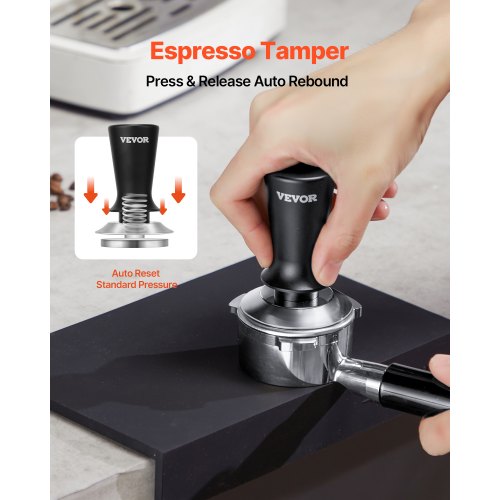
Credit: www.vevor.com
Choosing The Right Tamper
A tamper is a key tool for making coffee or espresso. It helps press coffee grounds evenly. Choosing the right tamper improves your coffee’s flavor and consistency.
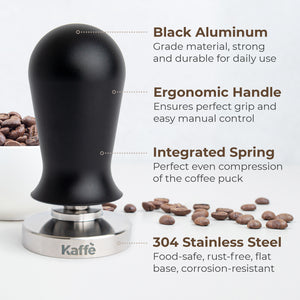
There are many types of tampers. Two important factors to consider are the material and design, and the size. These affect how well you can tamp your coffee grounds.
Material And Design Considerations
The tamper’s material affects its weight and feel. Common materials include stainless steel, aluminum, and wood. The design also impacts comfort and pressure control.
- Stainless steel:Heavy, durable, and easy to clean.
- Aluminum:Lightweight and less expensive but less durable.
- Wood:Comfortable grip but may wear over time.
- Handle shape:Choose one that fits your hand well to reduce strain.
- Base shape:Flat bases provide even pressure; convex bases can offer better coffee puck sealing.
Finding The Right Size
The tamper size must match your portafilter basket. A wrong size can cause uneven tamping and poor coffee taste.
| Portafilter Size (mm) | Recommended Tamper Diameter (mm) |
|---|---|
| 49 | 49 |
| 51 | 51 |
| 53 | 53 |
| 58 | 58 |
Measure your portafilter basket carefully before buying. Some tampers are adjustable to fit multiple sizes.
Credit: kaffeproducts.com
Importance Of Proper Tamping
Using a tamper correctly helps make great coffee or espresso. It presses the coffee grounds evenly in the portafilter.
Proper tamping stops water from flowing too fast or too slow. This creates a better extraction and richer taste.
Achieving Consistent Pressure
Consistent pressure during tamping helps get uniform coffee density. This leads to balanced water flow through the grounds.
- Place the tamper flat on the coffee grounds.
- Push down with firm, even pressure.
- Keep the tamper level and steady.
- Use about 30 pounds of force for best results.
- Check for smooth and even surface after tamping.
Impact On Coffee Flavor
Good tamping affects taste by controlling how water extracts flavors. Uneven tamping can cause bitter or weak coffee.
| Tamping Issue | Effect on Flavor |
|---|---|
| Too light pressure | Under-extraction, sour taste |
| Too hard pressure | Over-extraction, bitter taste |
| Uneven tamping | Channeling, inconsistent flavor |
| Proper tamping | Balanced, rich coffee flavor |
Step-by-step Tamping Process
Using a tamper correctly is key to making good coffee or espresso. It helps create even pressure on the coffee grounds. This process improves the flavor extraction.
Follow these steps to learn how to tamp your coffee grounds properly. Each step will guide you through the process for the best results.
Preparing The Coffee Grounds
Start by grinding fresh coffee beans to a fine consistency. Make sure the coffee basket is clean and dry before adding the grounds. Distribute the grounds evenly to avoid uneven extraction.
- Grind coffee beans just before brewing.
- Fill the portafilter with the ground coffee.
- Distribute grounds evenly with your finger or a leveling tool.
Applying The Correct Pressure
Hold the tamper firmly and apply steady pressure. Aim for about 30 pounds of force. Press straight down to avoid uneven tamping.
| Pressure Level | Effect on Extraction |
|---|---|
| Less than 20 lbs | Under-extraction, weak flavor |
| About 30 lbs | Optimal extraction, balanced taste |
| More than 40 lbs | Over-extraction, bitter taste |
Polishing The Surface
After pressing, twist the tamper slightly to polish the coffee surface. This helps smooth the grounds and remove any loose coffee. A polished surface supports even water flow during brewing.
- Apply downward pressure with the tamper.
- Give a slight twist or spin at the end.
- Lift the tamper straight up to avoid disturbing the coffee bed.

Credit: zeroherocoffee.com
Common Tamping Mistakes
Tamping is a key step in making coffee or espresso. It packs the coffee grounds evenly in the portafilter.
Many beginners make mistakes that affect the flavor of the coffee. Knowing what to avoid can improve your brewing results.
Uneven Pressure
Applying uneven pressure with the tamper causes water to flow through some areas faster. This leads to weak or bitter coffee.
- Use steady, even pressure across the entire surface.
- Keep the tamper level to avoid tilting the puck.
- Practice tamping on dry grounds before brewing.
- Check your tamp by looking at the puck after brewing.
Over-compacting The Grounds
Pressing too hard makes the coffee grounds too dense. This slows water flow and can cause bitter taste or channeling.
| Pressure Level | Effect on Coffee |
|---|---|
| Light Pressure | Water flows quickly, coffee may be weak |
| Moderate Pressure (10-15 kg) | Even extraction and balanced flavor |
| Heavy Pressure | Slow water flow, bitter or over-extracted coffee |
Expert Tips For Better Tamping
Using a tamper correctly can improve your coffee or espresso taste. Good tamping packs the coffee grounds evenly.
Small changes in your tamping method can make a big difference in flavor and extraction.
Practicing Regularly
Practice tamping often to develop a steady hand and consistent pressure. This helps avoid uneven coffee extraction.
- Hold the tamper firmly but comfortably in your hand.
- Place the tamper flat on the coffee grounds in the portafilter.
- Apply even pressure straight down, about 30 pounds of force.
- Check for a smooth, level coffee surface after tamping.
- Repeat practice daily for better muscle memory.
Experimenting With Different Techniques
Try different tamping styles to find what suits your coffee best. Adjust pressure and angle to see the effect on taste.
| Tamping Method | Pressure Level | Effect on Coffee |
|---|---|---|
| Light Tamp | 10-15 lbs | Faster extraction, weaker flavor |
| Firm Tamp | 25-30 lbs | Balanced extraction, good flavor |
| Heavy Tamp | 35-40 lbs | Slower extraction, stronger taste |
| Angled Tamp | Varies | Uneven extraction, inconsistent taste |
Maintaining Your Tamper
A tamper is an important tool for making good coffee or espresso. Taking care of it keeps it working well. Regular maintenance helps avoid damage and ensures a smooth tamp every time.
This guide covers how to clean, store, and know when to replace your tamper. Following these tips will help you get the best results from your coffee setup.
Cleaning And Storage Tips
Clean your tamper after each use to prevent coffee oils and grounds from building up. Use warm water and mild soap, then dry it well. Avoid harsh chemicals that can damage the surface.
Store your tamper in a dry place. Keep it away from moisture to stop rust or mold. Use a dedicated holder or place it on a clean surface to avoid scratches.
- Rinse tamper with warm water after use
- Use mild soap for deeper cleaning
- Dry thoroughly before storing
- Store in a dry, clean place
- Use a holder or soft cloth to protect surface
When To Replace Your Tamper
Replace your tamper if it shows signs of wear that affect performance. Look for cracks, dents, or a loose handle. Damaged tampers can lead to uneven coffee packing.
If your tamper no longer fits your portafilter properly, it is time for a new one. Using the right size and shape helps make better espresso with consistent pressure.
- Cracks or chips on the base
- Loose or wobbly handle
- Uneven or worn flat surface
- Wrong size or shape for your portafilter
Frequently Asked Questions
What Is The Purpose Of A Coffee Tamper?
A coffee tamper evenly compresses ground coffee in the portafilter. This ensures proper extraction and rich espresso flavor. It prevents channeling and improves consistency.
How Much Pressure Should I Use When Tamping?
Apply about 30 pounds of pressure when tamping. Consistent pressure creates a uniform coffee puck. Avoid pressing too hard or too light for best taste.
Can I Use Any Tamper For Espresso?
No, choose a tamper that fits your portafilter size. A well-fitting tamper ensures even compression. Using the wrong size can cause uneven extraction.
How Do I Clean My Coffee Tamper?
Wipe your tamper with a damp cloth after each use. Avoid soaking it in water. Regular cleaning keeps it hygienic and maintains performance.
Conclusion
Using a tamper correctly makes your coffee taste better. Press the coffee grounds evenly and firmly. This helps water flow smoothly through the coffee. Avoid pressing too hard or too soft. Practice a few times to find the right pressure.
A good tamp improves the espresso’s flavor and texture. Enjoy the process and drink your perfect cup. Small steps can make a big difference in taste. Keep tamping, brewing, and savoring your coffee moments.