
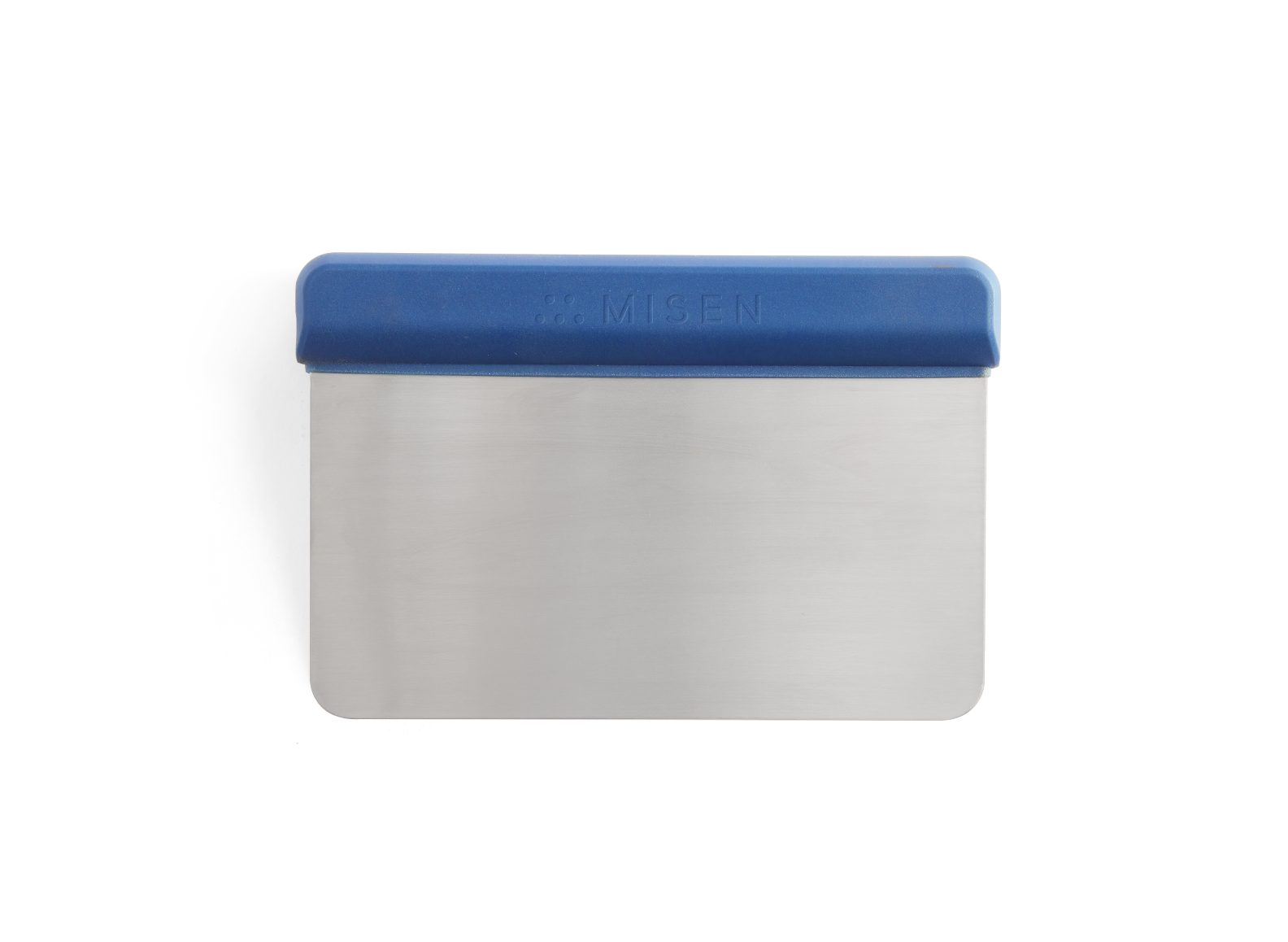
Choosing the right dough scraper can change the way you bake forever. Whether you’re a beginner or a seasoned baker, having the perfect tool in your kitchen makes handling dough easier, faster, and cleaner.
But with so many options out there, how do you know which one fits your needs best? This guide will help you cut through the confusion and find the dough scraper that feels just right for you. Keep reading to discover simple tips that will improve your baking experience from the very first use.
Credit: ca.ooni.com
Types Of Dough Scrapers
Dough scrapers help you work with dough more easily. They come in different materials and shapes. Each type has its own use and benefits.
Knowing the differences helps you pick the right scraper for your baking needs. Here are the main types to consider.
Plastic Scrapers
Plastic scrapers are lightweight and flexible. They work well for cutting and shaping dough. Many bakers like them for their ease of use and low price.
- Easy to clean
- Won’t scratch surfaces
- Can bend to scrape bowls
- May wear out faster than metal
Metal Scrapers
Metal scrapers are strong and durable. They are good for heavy doughs and tough jobs. The sharp edge helps cut dough quickly and cleanly.
| Feature | Plastic Scraper | Metal Scraper |
|---|---|---|
| Durability | Moderate | High |
| Flexibility | High | Low |
| Surface Safety | Safe on non-stick | May scratch surfaces |
| Cleaning | Easy | Easy |
| Price | Low | Moderate |
Silicone Scrapers
Silicone scrapers are soft and heat resistant. They are good for scraping sticky dough and mixing bowls. Silicone handles heat better than plastic.
- Flexible and soft
- Heat resistant
- Good for scraping sticky dough
- Easy to clean

Credit: www.amazon.com
Key Features To Consider
Choosing the right dough scraper helps you work better in the kitchen. It makes handling dough easier and cleaner.
Look at important features before buying to find the best dough scraper for your needs.
Material Quality
Dough scrapers come in different materials. The quality of material affects durability and ease of use.
Stainless steel scrapers last long and clean easily. Plastic scrapers are light and flexible but may wear out faster.
- Stainless steel: strong and easy to clean
- Plastic: flexible and lightweight
- Silicone: soft and gentle on dough
Size And Shape
The size and shape of a dough scraper affect how well it works for different tasks. Choose one that fits your baking style.
A larger scraper covers more area for quick dough cutting. A smaller one gives better control for detailed work.
- Wide scrapers for large dough batches
- Narrow scrapers for precision
- Curved edges help scoop dough
Handle Comfort
A comfortable handle reduces hand fatigue during use. Look for handles that feel good in your hand and offer a good grip.
Some scrapers have soft or textured handles. These types prevent slipping and make working easier.
- Soft grips reduce pressure on hands
- Textured handles prevent slipping
- Ergonomic shapes fit natural hand curves
Benefits Of Using A Dough Scraper
A dough scraper is a simple tool that helps with handling dough. It makes baking easier and cleaner. Many bakers find it very useful in their kitchen.
This tool is small but powerful. It helps you work faster and keeps your workspace neat. Let’s look at the main benefits of using a dough scraper.
Efficient Dough Handling
A dough scraper lets you move and shape dough easily. It helps cut dough into pieces without sticking to your hands. The scraper also lifts dough from surfaces smoothly.
- Quickly divide dough into portions
- Keep dough from sticking to the counter
- Mix ingredients without using extra tools
- Shape dough without tearing it
Versatility In Baking
Dough scrapers work for many baking tasks. They are not only for dough but also for other kitchen jobs. You can use them for chopping, scraping, and cleaning.
| Task | How a Dough Scraper Helps |
| Cutting dough | Divides dough into equal parts |
| Transferring dough | Lifts dough without damage |
| Cleaning surfaces | Scrapes off stuck flour and dough |
| Chopping soft ingredients | Used like a knife for herbs or nuts |
Easy Cleanup
Dough scrapers are easy to clean. Their smooth surface stops dough from sticking too much. You can wash them quickly by hand or in a dishwasher.
Tips for cleaning a dough scraper:
- Rinse immediately after use
- Use warm water and mild soap
- Dry it well to avoid damage
Tips For Selecting The Right Scraper
Choosing the right dough scraper can make baking easier and more fun. This tool helps in cutting, shaping, and moving dough. Picking one that fits your needs is important.
Below are tips to help you select the best dough scraper for your kitchen tasks. Keep your baking style, budget, and product feedback in mind.
Assessing Baking Needs
Think about how often you bake and what types of dough you work with. Different scrapers work better with certain dough textures and sizes.
- Choose a flexible scraper for sticky or soft dough.
- Select a stiff scraper for firm dough and cutting tasks.
- Pick a size that fits your hand comfortably.
- Consider the scraper shape for scraping bowls or surfaces.
Budget Considerations
Price varies by material and brand. Decide how much you want to spend before buying. A good scraper can be affordable and still last long.
| Material | Price Range | Durability |
|---|---|---|
| Plastic | Low | Moderate |
| Stainless Steel | Medium to High | High |
| Silicone | Medium | Good |
Reading Reviews And Recommendations
Check what other bakers say about the scraper. Reviews can show real use and problems you might not expect.
- Look for consistent positive feedback.
- Note any complaints about durability or comfort.
- See if the scraper fits your baking style.
- Consider expert or friend recommendations.
Caring For Your Dough Scraper
Taking care of your dough scraper helps it last longer. Clean and store it right to keep it in good shape.
Simple care routines prevent damage and keep your scraper safe for food use.
Cleaning Techniques
Wash your dough scraper soon after use. This stops dough from hardening and sticking.
- Use warm water and mild soap for cleaning.
- Avoid abrasive sponges that can scratch the surface.
- Dry the scraper completely to stop rust or mold.
- For wooden scrapers, apply a small amount of food-safe oil to protect the wood.
- Do not put wooden scrapers in the dishwasher.
Storage Solutions
Store your dough scraper in a dry, safe place. Proper storage keeps it clean and damage-free.
| Storage Method | Benefits |
| Hanging on a hook | Prevents bending and drying out |
| In a kitchen drawer | Keeps it out of reach of dirt |
| In a utensil holder | Easy to find and access |
| Separate from sharp tools | Avoids scratches and dents |

Credit: www.amazon.com
Common Mistakes To Avoid
Choosing a dough scraper seems easy but many people make mistakes. These errors can affect your baking and comfort.
Knowing what to avoid helps you pick the best tool for your kitchen. Here are common mistakes to watch for.
Choosing The Wrong Material
Materials affect how the scraper works and lasts. Some materials may not be good for your dough or cleaning habits.
- Plastic scrapers can bend too much and may not scrape well.
- Metal scrapers are strong but can scratch bowls and surfaces.
- Silicone scrapers are flexible but may not cut dough easily.
- Wood scrapers feel nice but can absorb moisture and bacteria.
Ignoring Handle Design
A bad handle makes scraping hard and uncomfortable. Some handles are too small or slippery.
| Handle Feature | Why It Matters |
| Ergonomic Shape | Fits hand well for easy use |
| Non-slip Grip | Prevents slipping when hands are wet |
| Size | Too small or big causes hand strain |
| Material | Wood or rubber offers better grip than metal |
Overlooking Versatility
Some scrapers only work for one task. A good dough scraper can do many jobs in the kitchen.
- Scraping dough from bowls and surfaces
- Cutting and dividing dough pieces
- Cleaning flour and bits off counters
- Transferring chopped ingredients
Expert Insights And Recommendations
Choosing the right dough scraper helps you work faster and cleaner. It makes dough handling easier.
Experts suggest picking a scraper that fits your baking style and dough type. Material and size matter.
Professional Bakers’ Favorites
Bakers like dough scrapers that feel sturdy and easy to clean. Sharp edges help cut dough smoothly.
Many prefer scrapers with a comfortable handle or flexible blades. These work well on different surfaces.
- Stainless steel scrapers for durability and sharpness
- Plastic scrapers for flexibility and easy cleaning
- Scrapers with measurements for portion control
- Wide blades to handle large dough batches
Top Brands In The Market
Some brands are known for quality dough scrapers. They offer various sizes and materials.
Look for brands that balance price and quality. They often have good customer feedback.
| Brand | Material | Key Feature |
|---|---|---|
| OXO | Stainless Steel | Comfort grip handle |
| Riverside | Plastic | Flexible blade |
| Wilton | Stainless Steel | Wide blade for large dough |
| KitchenAid | Plastic & Metal | Durable and easy to clean |
Frequently Asked Questions
What Materials Are Best For Dough Scrapers?
The best dough scrapers are made from stainless steel, plastic, or silicone. Stainless steel is durable and easy to clean. Plastic scrapers are lightweight and flexible. Silicone scrapers prevent sticking and are heat-resistant. Choose based on your baking needs and comfort.
How Do I Choose The Right Dough Scraper Size?
Choose a dough scraper size based on your typical dough batch. Larger scrapers handle big batches easily. Smaller scrapers offer more control for precision tasks. A medium size is versatile for most baking needs. Consider your workspace and dough quantity.
Can A Dough Scraper Replace A Knife For Cutting Dough?
Yes, a dough scraper can effectively cut dough. It provides clean, even cuts without sticking. Unlike knives, scrapers also help scoop and transfer dough. This makes them multi-functional tools in baking. Using a dough scraper improves efficiency and dough handling.
How Important Is The Handle Design On A Dough Scraper?
Handle design greatly affects comfort and control. Ergonomic handles reduce hand fatigue during repetitive use. Some scrapers have no handles for easy cleaning. Choose a handle that fits your hand size and grip preference. This enhances your overall baking experience.
Conclusion
Choosing the right dough scraper makes baking easier and more fun. Think about the material, size, and handle comfort. A good scraper helps cut, lift, and clean dough quickly. It saves time and effort in the kitchen. Trust your needs and pick what feels best in your hand.
With the right tool, your baking tasks become smoother and more enjoyable. Happy baking!