
Using a rolling pin might seem simple, but if you’re not careful, it can lead to accidents or uneven dough. You want your baking to be smooth and safe, right?
Knowing a few key tips can make all the difference between a perfect pastry and a kitchen mishap. Keep reading to discover how you can use your rolling pin confidently and protect yourself while creating delicious treats every time.
Choosing The Right Rolling Pin
Using a rolling pin safely starts with picking the right one. The right rolling pin helps you work faster and avoid injury.
Choosing the best rolling pin depends on its material, size, and weight. These factors affect comfort and control.
Material Considerations
Rolling pins come in wood, marble, metal, and silicone. Each material feels different in your hands.
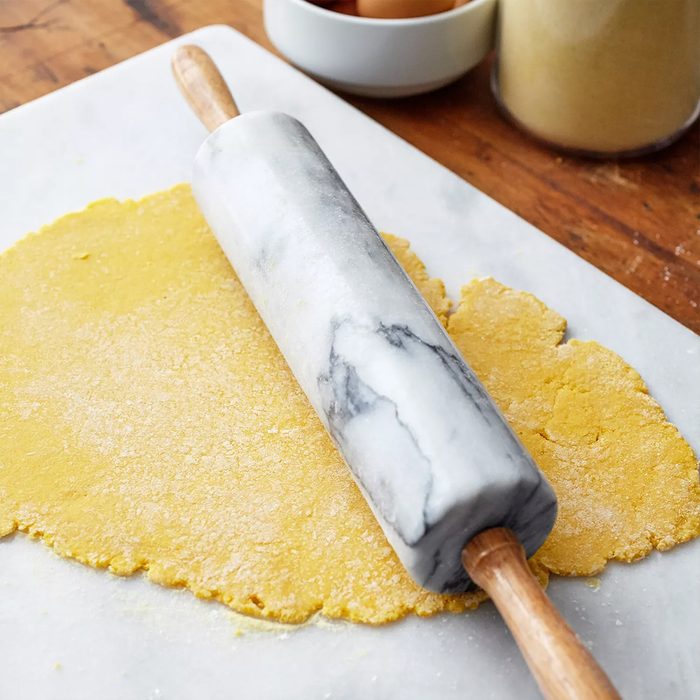
Wood is light and easy to grip. Marble stays cool and helps with sticky dough. Metal is strong but can be heavy. Silicone rolls smoothly and cleans easily.
- Wood: lightweight, natural grip, needs care
- Marble: cool surface, heavier, smooth
- Metal: durable, may be heavy, cold
- Silicone: non-stick, easy clean, flexible
Size And Weight Factors
Size affects how much dough you can roll at once. Large pins cover more area but can be hard to control.
Weight helps press dough evenly. Heavy pins need less force but can tire your arms. Light pins give more control but need more effort.
- Small pins: easy to handle, good for small tasks
- Large pins: cover more dough, harder to control
- Heavy pins: press dough with less effort, may tire arms
- Light pins: easier to move, need more pressure
Preparing Your Workspace
Using a rolling pin safely starts with a good workspace. It helps you work faster and avoid accidents.
Make sure your area is ready before you begin rolling dough or other items.
Clear And Clean Surfaces
Keep your countertop or table clear of clutter. This gives you enough room to roll without hitting anything.
Clean surfaces prevent dough from sticking and stop dirt from mixing into your food.
- Wipe the surface with a damp cloth
- Remove any tools or objects not needed
- Dry the area completely before use
Proper Height And Positioning
Work at a surface that is waist height. This helps you use your strength without straining your back.
Stand straight and place the rolling pin close to your body. It gives you better control and balance.
- Adjust your stool or chair if sitting
- Keep feet flat on the floor
- Position dough near the edge but safe from falling
Safe Handling Techniques
Using a rolling pin safely helps prevent accidents in the kitchen. It also makes rolling dough easier and more even.
Follow simple steps to hold and use the rolling pin the right way. This keeps your hands safe and improves your baking results.
Grip And Control
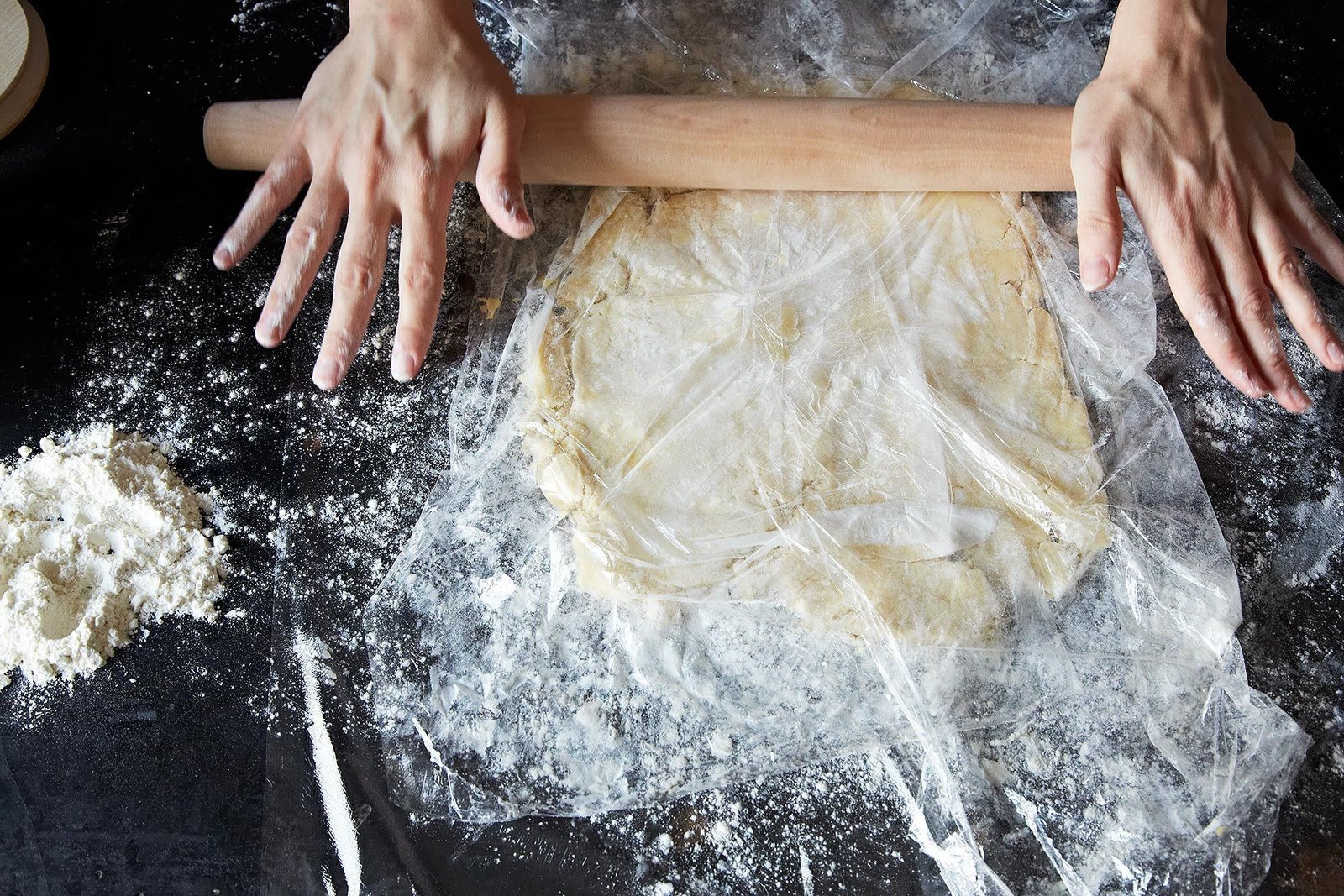
Hold the rolling pin firmly but not too tight. Use both hands on the handles for better control.
Keep your fingers away from the rolling surface to avoid pinching. A steady grip helps you roll dough smoothly.
- Place your hands evenly on both handles
- Keep wrists straight to avoid strain
- Use a gentle but steady grip
- Keep fingers clear of the rolling area
Even Pressure Application
Apply equal pressure on both sides of the rolling pin. This helps the dough spread out evenly without tearing.
Roll slowly and check the dough thickness often. Adjust your pressure to keep the dough flat and smooth.
- Press down gently but firmly
- Roll in small, even strokes
- Lift and turn the dough to keep it uniform
- Watch for thin or thick spots

Credit: lifehacker.com
Preventing Dough Sticking
Rolling dough can be tricky if it sticks to your rolling pin or surface. Sticky dough slows you down and makes shaping hard. Using simple methods helps keep dough smooth and easy to roll.
Two common ways to stop dough from sticking are flour dusting and using parchment paper. Both protect the dough and your tools. Here are tips for each method.
Flour Dusting Tips
Sprinkling flour on the dough and rolling pin helps keep them from sticking. Use just enough flour to coat the surface without drying the dough out.
- Lightly dust the rolling surface before placing the dough.
- Sprinkle a small amount of flour on the rolling pin.
- Turn the dough and add more flour if it starts to stick.
- Use fine flour for an even coating.
- Be careful not to add too much flour; it can make dough tough.
Using Parchment Paper
Parchment paper creates a non-stick layer between the dough and rolling pin. It also keeps surfaces clean and makes cleanup easy.
| Step | Action |
|---|---|
| 1 | Place one sheet of parchment on the work surface. |
| 2 | Put the dough on the parchment paper. |
| 3 | Cover dough with another parchment sheet. |
| 4 | Roll the dough gently through the parchment layers. |
| 5 | Peel off the top parchment and check dough thickness. |
Maintaining Your Rolling Pin
Keeping your rolling pin in good shape helps it last longer. Regular care stops damage and keeps it safe to use.
Simple steps after baking keep your rolling pin clean and ready for the next time.
Cleaning After Use
Clean your rolling pin right after using it. This stops dough or flour from sticking and hardening on the surface.
Use warm water and a soft cloth or sponge. Avoid soaking wooden rolling pins in water to stop cracks and warping.
- Wipe off excess flour or dough first
- Wash gently with warm water and mild soap
- Do not soak or put it in the dishwasher
- Dry it completely with a towel
Storage Tips
Store your rolling pin in a dry place away from heat. This helps avoid damage like cracking or warping.
Keep it in a drawer or hang it on a hook. Make sure it is not crowded or squeezed to keep its shape.
- Store horizontally or hang vertically
- Avoid placing near stoves or ovens
- Keep away from damp areas
- Use a cloth wrap for extra protection
Credit: www.tasteofhome.com
Avoiding Common Mistakes
Using a rolling pin may seem simple, but many people make errors that affect dough quality. Understanding these mistakes helps you roll dough safely and evenly.
This guide covers common issues like over-rolling and uneven dough. Follow these tips to avoid problems and improve your baking results.
Over-rolling Issues
Rolling dough too much can cause it to become tough. Overworking the dough breaks down gluten and removes moisture. This leads to dry, hard baked goods.
- Roll gently and evenly, avoiding heavy pressure.
- Turn the dough often to keep its shape.
- Stop rolling as soon as the dough reaches the right thickness.
- Use flour on the surface to prevent sticking without adding too much.
Uneven Dough Concerns
Uneven dough causes baking problems. Thin spots cook too fast, while thick areas stay raw. This results in inconsistent texture and taste.
| Problem | Cause | Solution |
|---|---|---|
| Thin edges | Uneven pressure on rolling pin | Apply steady, even pressure across the dough |
| Thick center | Not turning dough regularly | Rotate dough every few rolls |
| Sticky surface | Insufficient flour on board | Lightly flour surface and rolling pin |
Injury Prevention Tips
Using a rolling pin is common in many kitchens. It helps shape dough for bread, cookies, and more.
To keep your hands and wrists safe, follow some simple safety tips. These prevent injuries and make baking easier.
Avoiding Wrist Strain
Wrist strain happens if you use the rolling pin with too much force or in the wrong way. Keep your wrists relaxed and straight while rolling.
- Hold the rolling pin with both hands evenly.
- Use your body weight, not just your wrists, to press the dough.
- Take breaks if your wrists start to feel tired.
- Stretch your hands and wrists before and after rolling.
Safe Handling Of Heavy Pins
Heavy rolling pins can cause injuries if not handled carefully. Use the right size and weight for your strength.
| Tip | Reason |
|---|---|
| Choose a rolling pin that fits your hand size | Improves grip and control |
| Lift with your legs, not your back, when moving heavy pins | Prevents back strain |
| Store pins securely to avoid falls | Reduces risk of injury |
| Clean pins properly to keep surfaces smooth | Prevents slipping during use |
Credit: www.theinspirationalnook.com
Frequently Asked Questions
How Do I Hold A Rolling Pin Correctly?
Hold the rolling pin with both hands at the handles. Apply even pressure while rolling. This ensures smooth and consistent dough flattening without strain.
What Surface Is Best For Rolling Dough Safely?
Use a clean, flat surface like a countertop or pastry board. Lightly flour the surface to prevent dough from sticking. Avoid slippery or uneven areas.
How Can I Avoid Dough Sticking To The Rolling Pin?
Dust the rolling pin lightly with flour before rolling. Alternatively, use a silicone rolling pin or wrap it in plastic wrap. This prevents dough from sticking and tearing.
What Safety Tips Prevent Injuries When Using A Rolling Pin?
Keep fingers clear of the rolling area. Roll away from your body with controlled pressure. Clean the rolling pin properly after use to avoid contamination.
Conclusion
Using a rolling pin safely keeps your kitchen tasks smooth. Always hold it firmly and roll gently. Keep your work surface clean and dry. Avoid applying too much pressure to prevent injury. Store your rolling pin where it won’t fall or cause harm.
Small care steps make a big difference in safety. Enjoy baking with confidence and less worry. Safety helps you focus on creating tasty treats. Simple habits protect you and your tools well. Keep these tips in mind every time you bake.
Safe rolling makes cooking more fun and stress-free.