
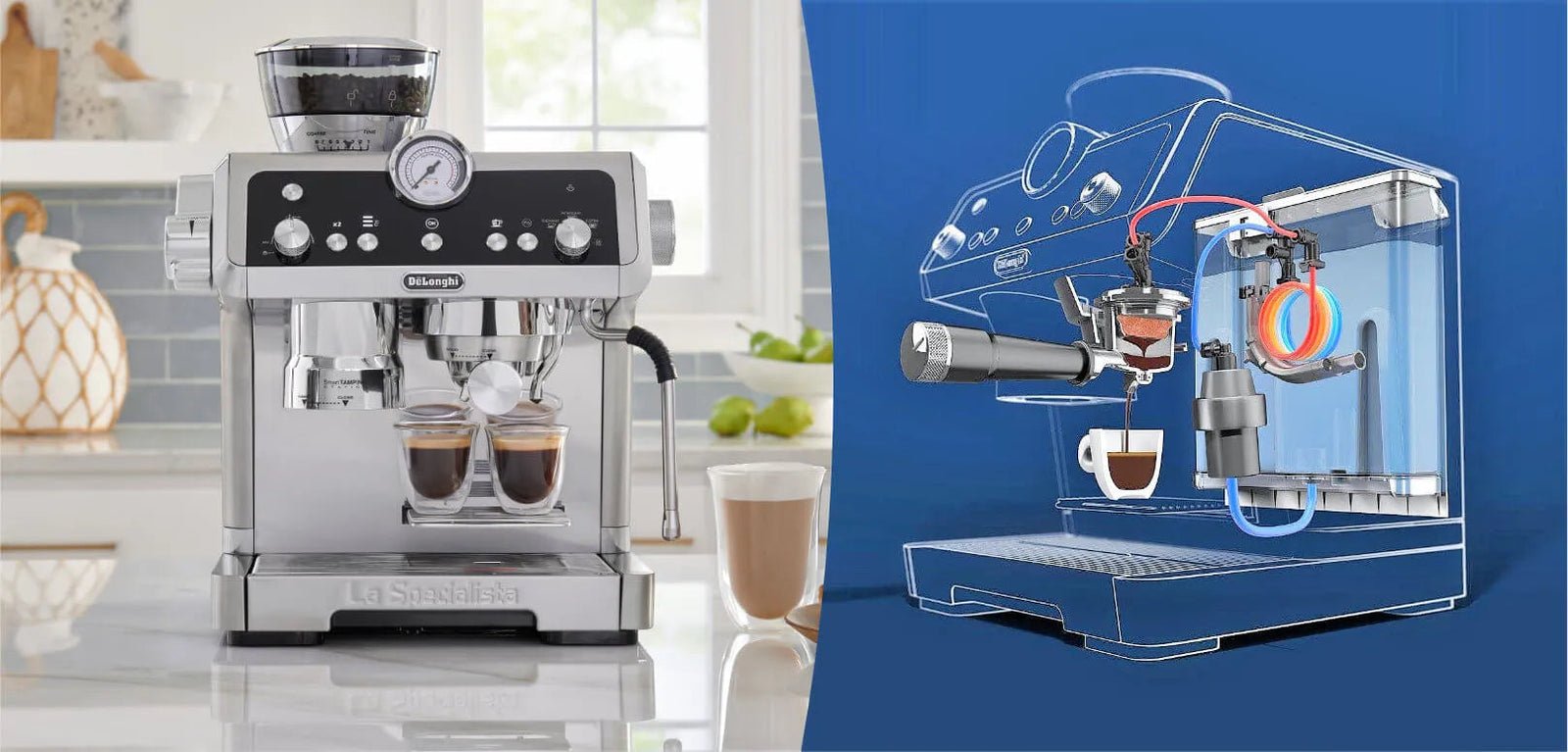
Are you tired of spending money on expensive coffee shop drinks? Imagine waking up to the rich aroma of freshly brewed espresso right in your own kitchen.
Choosing the right espresso machine for your home can transform your mornings and save you time and money. But with so many options out there, how do you find the perfect one that fits your needs and budget? Keep reading, and you’ll discover simple tips to help you pick the ideal espresso machine that makes every cup a delight.
Your perfect espresso experience is just a few steps away.
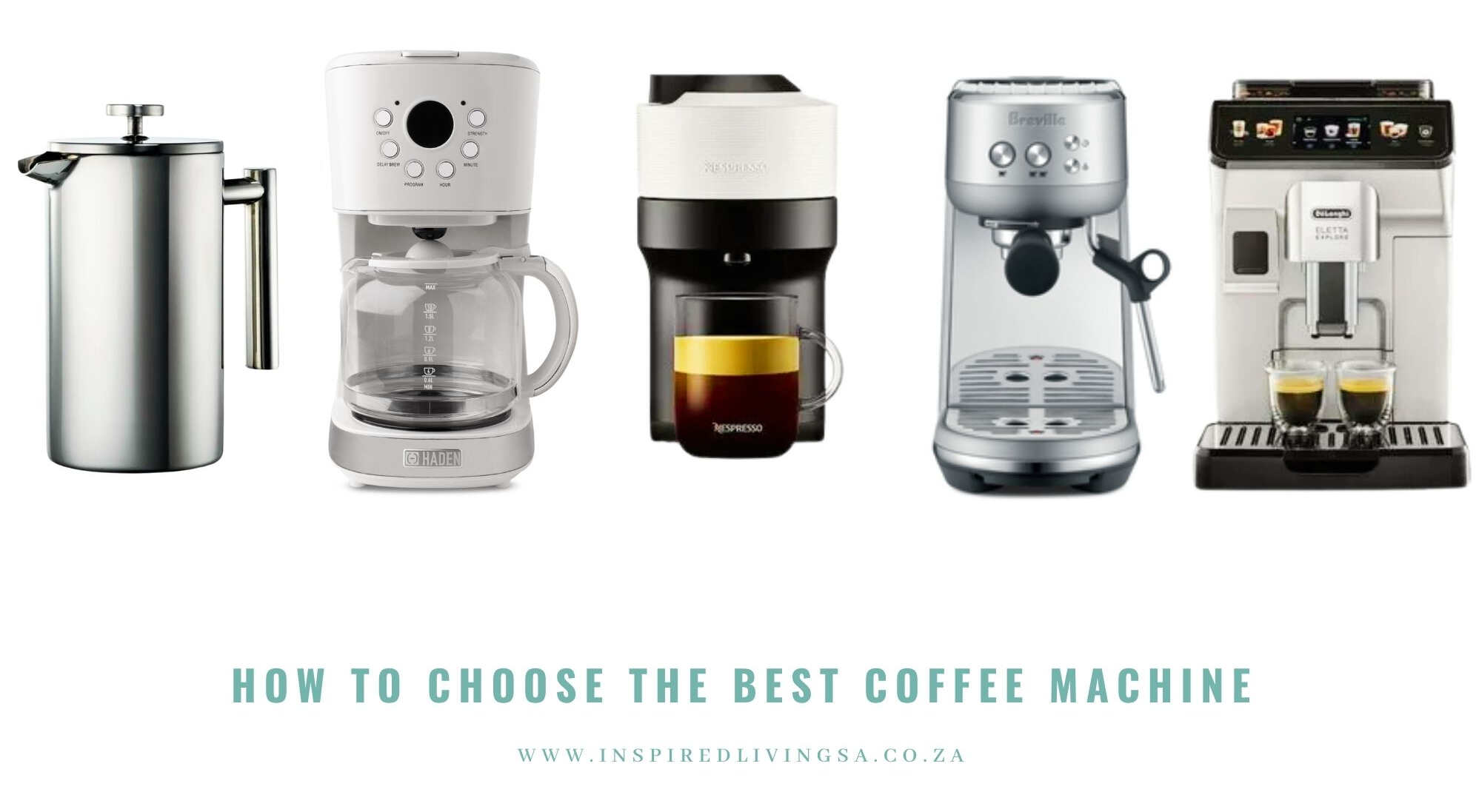
Credit: www.inspiredlivingsa.co.za
Types Of Espresso Machines
Choosing the right espresso machine can make a big difference in your coffee experience. Different machines offer different levels of control and ease.
It is important to understand the types of espresso machines before buying one for your home.
Manual Machines
Manual espresso machines require you to control every step of the process. You grind, tamp, and pull the shot by hand. This gives you full control over the coffee.
These machines need skill and practice. They are best for people who enjoy the art of making espresso.
Semi-automatic Machines
Semi-automatic machines use an electric pump to push water through the coffee. You still grind and tamp the coffee yourself. You start and stop the shot manually.
They offer good control but are easier to use than manual machines. Many home users prefer semi-automatic models.
Automatic Machines
Automatic espresso machines control the water flow and shot time for you. You grind and tamp the coffee, but the machine stops the shot automatically.
This type helps make espresso more consistent. It suits users who want convenience and some control.
Super-automatic Machines
Super-automatic machines do everything for you. They grind, tamp, brew, and clean. You just press a button to get espresso.
These machines are the easiest to use. They are perfect for those who want fast espresso without effort.
Key Features To Consider
Choosing the right espresso machine for your home can make your coffee moments better. Look at important features to find the best fit.
Each feature affects how your machine works and the taste of your espresso. Learn about pressure, boilers, grinders, and water capacity.
Pressure And Pump Types
Pressure pushes hot water through coffee grounds to make espresso. The right pressure means better flavor and crema.
Most home machines use pumps to create pressure. Some pumps are quieter and more consistent than others.
- Vibration pumps are common and affordable but a bit noisy.
- Rotary pumps are quiet and steady but cost more.
- Consistent 9 bars pressure is ideal for good espresso.
Boiler Types
The boiler heats water to brew espresso. Different boilers affect temperature and brew speed.
Single boilers heat water for espresso or steam, but not both at the same time. Dual boilers do both at once.
- Single boiler: simple and budget-friendly, slower steaming.
- Heat exchanger: one boiler, fast switching between brew and steam.
- Dual boiler: two boilers, best for control and speed.
Grinder Options
Fresh coffee needs a good grinder. Some espresso machines have built-in grinders.
Choose between built-in or separate grinders based on space and convenience.
- Burr grinders give even grind size for better taste.
- Blade grinders are cheaper but uneven.
- Built-in grinders save space but may limit quality.
- Separate grinders let you upgrade and control grind size.
Water Reservoir Capacity
The water tank holds the water for brewing. A bigger tank means fewer refills.
Think about how many cups you make each day to pick the right size.
- Small tanks (around 1 liter) suit occasional use.
- Larger tanks (2 liters or more) fit frequent coffee drinkers.
- Some machines allow direct water line connection for no refills.
Budget Considerations
Choosing the right espresso machine depends a lot on your budget. Setting a budget helps narrow down your options. It also ensures you get a good machine without overspending.
Espresso machines come in many price ranges. Each range offers different features and quality. Understanding these differences helps you make the best choice for your home.
Entry-level Machines
Entry-level machines are best for beginners and casual users. They are easy to use and cost less. These machines often have basic features but still make good espresso.
They may lack advanced controls or customization. Most entry-level machines use pods or simple portafilters. They are good for small budgets or occasional use.
- Price range: $100 to $300
- Simple to operate
- Limited settings
- Compact design
- Good for small spaces
Mid-range Options
Mid-range machines offer more features and better build quality. They give more control over brewing settings. These machines are perfect for coffee lovers who want to experiment.
You can find machines with built-in grinders and temperature control here. They cost more but offer better espresso quality. These are good for daily use and small households.
- Price range: $300 to $700
- More control over brewing
- Often include grinders
- Better materials and design
- Suitable for regular use
High-end Models
High-end machines are for serious espresso fans. They have advanced features and precision controls. These machines offer the best espresso quality and durability.
They often include dual boilers, pressure profiling, and customizable settings. High-end models cost the most but provide a professional experience at home. These are ideal for enthusiasts and larger families.
- Price range: $700 and above
- Precision temperature and pressure control
- Durable, high-quality materials
- Advanced features for customization
- Designed for heavy use

Credit: www.coffeeness.de
Space And Size Requirements
Choosing the right espresso machine for your home means thinking about space. Not all machines fit every kitchen.
Knowing your space limits helps you pick a machine that works well for you.
Compact Models
Compact espresso machines are small and fit in tight spaces. They work well for small kitchens.
These models often have fewer parts but still make good espresso.
- Take up less counter space
- Easy to store when not in use
- Good for one or two people
Countertop Space
Measure your countertop before buying an espresso machine. Some machines need more room.
Leave space around the machine for easy use and cleaning.
- Check machine width, depth, and height
- Allow extra space for accessories
- Keep space for water refills and coffee pods
Portability
Portable espresso machines let you make coffee in different places at home. They are light and easy to move.
This is useful if you like coffee in the garden or office.
- Look for lightweight designs
- Choose machines with simple plug-in power
- Consider battery-powered options for outdoor use
Maintenance And Cleaning
Keeping an espresso machine clean is key for great coffee. Proper maintenance makes machines last longer and work better.
Different machines need different cleaning methods. Knowing what to expect helps you pick the right one for home use.
Ease Of Cleaning
Look for machines that have removable parts. These parts should be easy to wash by hand or in a dishwasher.
- Check if the drip tray can be taken out and cleaned.
- See if the portafilter is simple to detach and rinse.
- Consider machines with automatic cleaning cycles.
- Avoid models with many small, hard-to-clean pieces.
Descaling Needs
Descaling removes mineral build-up inside the machine. This keeps water flow smooth and coffee tasty.
| Machine Type | Descaling Frequency | Descaling Method |
| Automatic | Every 2-3 months | Built-in alert and cycle |
| Semi-automatic | Every 1-2 months | Manual with vinegar or solution |
| Manual | Every month | Manual cleaning required |
Replacement Parts Availability
Choose machines with parts that are easy to find. This helps if something breaks or wears out.
Common replacement parts include:
- Filters and gaskets
- Water tanks
- Steam wands
- Portafilters
Brand Reputation And Reviews
Choosing the right espresso machine for home means looking at brand reputation. A trusted brand often delivers better quality and support.
Reviews from users and experts help you understand the machine’s real performance and reliability over time.
Customer Feedback
Customer feedback shows how people feel about the espresso machines after using them. It covers ease of use, durability, and taste quality.
- Check multiple websites for reviews
- Look for patterns in complaints or praise
- Focus on recent reviews to get current quality
- Consider user photos and videos for proof
Expert Reviews
Experts test espresso machines under controlled conditions. They evaluate design, features, and coffee quality.
| Aspect | What Experts Check |
| Build Quality | Material strength and finish |
| Performance | Consistency and taste of espresso |
| Ease of Use | Controls and maintenance |
| Value | Price compared to features |
Brand Reliability
Brand reliability means how well the company supports its products. It includes warranty, customer service, and availability of parts.
Reliable brands often have:
- Long warranty periods
- Easy access to customer support
- Spare parts available for repairs
- Clear user manuals and guides
Additional Accessories
Choosing the right espresso machine for your home is not just about the machine itself. Accessories play a key role in making great coffee. They can help improve taste and ease of use.
These extra tools help you get the most from your espresso setup. Let’s look at some common accessories you might consider.
Milk Frothers
Milk frothers add creamy foam to your espresso drinks. They come in different types, including manual, electric, and steam wand models. Frothing milk well can change a simple espresso into a cappuccino or latte.
- Manual frothers are affordable and easy to use.
- Electric frothers heat and froth milk automatically.
- Steam wands attach to many espresso machines for fresh froth.
Tamper And Portafilter
A tamper presses coffee grounds evenly in the portafilter. This helps water flow through the coffee smoothly. The portafilter holds the coffee grounds and locks into the machine.
| Accessory | Purpose | Material |
|---|---|---|
| Tamper | Compress coffee grounds | Wood, metal, plastic |
| Portafilter | Hold coffee grounds in place | Metal |
Cleaning Tools
Cleaning tools keep your espresso machine working well. They remove coffee oils and residue that build up inside. Regular cleaning improves taste and machine life.
- Brushes to clean the group head and portafilter.
- Cleaning tablets for descaling and removing buildup.
- Microfiber cloths for wiping surfaces and steam wands.
Energy Efficiency
Choosing an energy-efficient espresso machine helps save electricity and reduce bills. It also supports a greener home environment.
Understanding energy use and eco-friendly features can guide you to the best machine for your needs.
Power Consumption
Espresso machines use different amounts of power depending on type and size. Some use more energy while heating water or keeping it warm.
Look for machines with lower wattage or energy-saving modes to cut power use. Turning off the machine when not in use also helps.
- Check the wattage rating before buying
- Choose machines with standby or sleep modes
- Use timers to avoid long idle times
- Turn off the machine after use
Eco-friendly Features
Some espresso machines include features that reduce environmental impact. These can lower energy use and waste.
Features like reusable filters, water-saving options, and recyclable materials support greener choices.
- Reusable coffee filters reduce waste
- Water-saving technology limits water use
- Auto-shutoff prevents energy waste
- Parts made from recyclable materials
Warranty And Support
Choosing the right espresso machine for home use means thinking about warranty and support. These factors help protect your investment.
A good warranty and reliable support can save time and money if your machine has issues.
Warranty Duration
Look for machines with a longer warranty period. A longer warranty shows the maker trusts their product.
Most espresso machines have warranties from one to two years. Some brands offer extended warranties for extra cost.
- One year covers basic repairs and parts
- Two years or more adds more protection
- Extended warranties may cover wear and tear
Customer Support Services
Good customer support helps you solve problems quickly. Check if the brand offers phone, email, or chat support.
Some companies provide online guides, videos, and FAQs to help you fix common issues yourself.
- Phone support for direct help
- Email or chat for detailed questions
- Online resources for quick fixes

Credit: coffeekev.com
Frequently Asked Questions
What Types Of Espresso Machines Suit Home Use Best?
Home espresso machines vary from manual, semi-automatic to fully automatic. Choose based on your skill level, budget, and convenience preference for optimal satisfaction.
How To Choose The Right Espresso Machine Capacity?
Consider how many cups you make daily. Small machines suit single servings, while larger machines fit families or frequent entertaining needs.
What Features Matter Most In Home Espresso Machines?
Look for ease of use, temperature control, built-in grinder, and steam wand. These enhance coffee quality and brewing versatility at home.
How Much Should I Spend On A Home Espresso Machine?
Budget between $100 to $1000+. Higher prices often mean better quality, durability, and advanced features, but good entry-level machines exist too.
Conclusion
Choosing the right espresso machine makes a big difference at home. Think about your space, budget, and how much coffee you drink. Simple machines suit beginners, while advanced ones fit coffee lovers. Remember, ease of use matters for daily brewing.
Take time to compare features before buying. Your perfect espresso machine brings joy every morning. Enjoy fresh coffee made just the way you like it.