
Are you tired of unevenly baked cookies or cakes that don’t rise just right? Choosing the right convection oven can change the way you bake forever.
It’s not just about picking any oven—it’s about finding one that matches your baking style and needs. Imagine pulling out perfectly golden pastries or fluffy breads every time, with less guesswork and more confidence. You’ll discover exactly what to look for when choosing a convection oven, so your baking turns out just the way you want.
Keep reading to unlock the secret to better baking results!
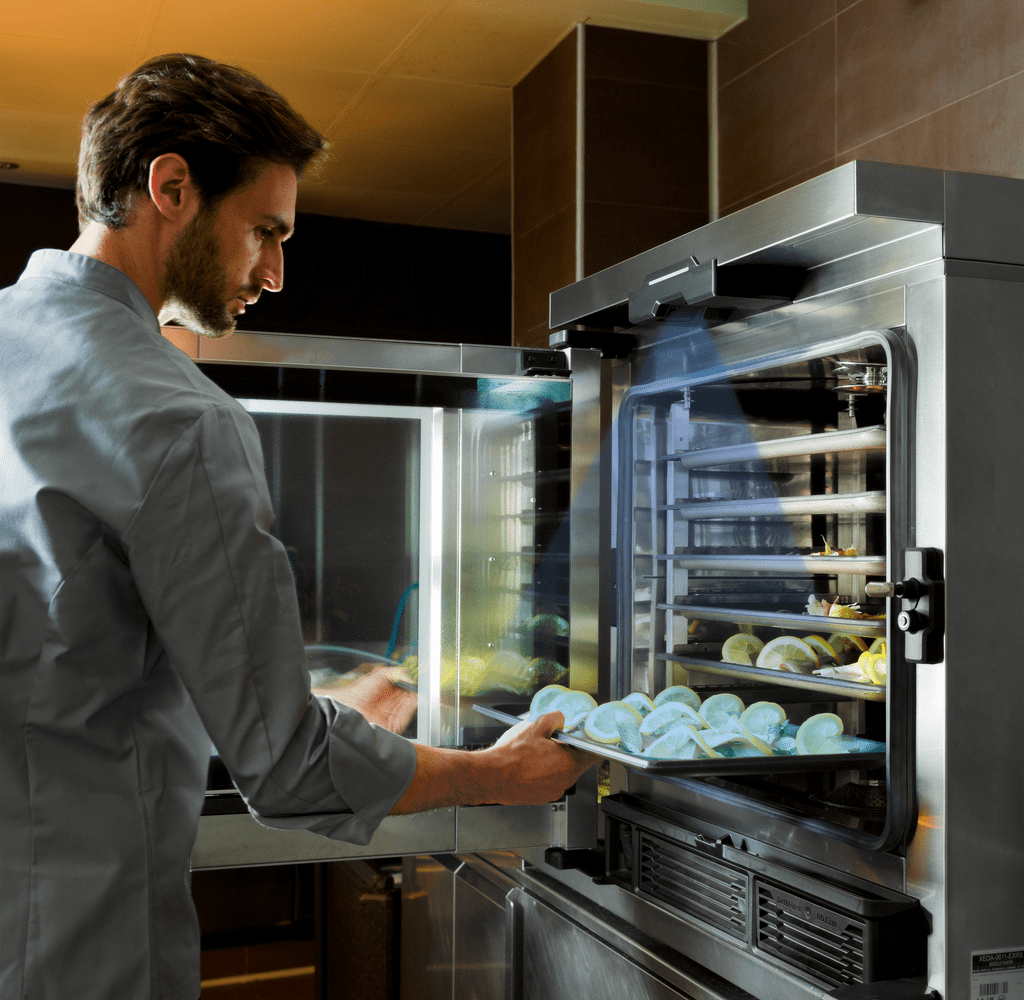
Credit: www.unox.com
Types Of Convection Ovens
Convection ovens use fans to circulate hot air. This helps food cook evenly and faster. There are several types of convection ovens to choose from.
Each type fits different kitchen needs and baking styles. Understanding these types will help you pick the best oven.
Countertop Models
Countertop convection ovens are small and portable. They fit on kitchen counters and are easy to move. These ovens are great for small spaces or quick baking tasks.
- Compact size saves space
- Good for small batches
- Less expensive than built-in ovens
- Easy to clean and maintain
- Limited capacity for large items
Built-in Wall Ovens
Built-in wall ovens are fixed into your kitchen walls. They offer a sleek look and save floor space. These ovens often have more features and larger capacity.
| Feature | Description |
| Size | Large, fits whole family meals |
| Installation | Requires wall space and professional fitting |
| Controls | Advanced options for precise baking |
| Price | Higher than countertop models |
Commercial Ovens
Commercial convection ovens are made for heavy use. They are large and very durable. These ovens work well in bakeries and restaurants.
Key points about commercial ovens:
- High capacity for large batches
- Strong build for daily use
- Often includes multiple racks
- Requires more energy than home ovens
- Usually needs professional installation

Credit: glenindia.com
Key Features To Consider
Choosing the right convection oven for baking is important. The right oven helps you bake evenly and saves energy.
Look at features like size, temperature control, and energy use. These help you pick the best oven for your needs.
Size And Capacity
Think about the space you have in your kitchen. Also, consider how much food you want to bake at once.
Ovens come in small, medium, and large sizes. A bigger oven bakes more but uses more space.
- Small ovens fit small kitchens and bake less food.
- Medium ovens are good for regular home baking.
- Large ovens suit big families or frequent baking.
Temperature Control
Accurate temperature control is key for good baking results. Look for ovens with easy-to-use dials or digital controls.
Some ovens offer precise temperature settings. This helps bake different recipes correctly.
- Manual dials are simple but less precise.
- Digital controls offer exact temperature settings.
- Some models have preset baking modes.
Energy Efficiency
Energy-efficient ovens save electricity and lower bills. Look for models with good insulation and fast heating.
Efficient ovens use less power and bake food quickly. This helps reduce waste and save money.
- Check for energy ratings or labels.
- Ovens with convection fans use heat better.
- Choose ovens with timers to avoid overuse.
Importance Of Fan And Ventilation
Choosing the right convection oven depends a lot on the fan and ventilation system. These parts help cook food evenly and quickly.
A good fan moves hot air around the oven. This stops hot or cold spots and makes baking better.
Fan Speed Settings
Different fan speeds give you control over how your food cooks. You can choose a slow speed for delicate items or a fast speed for crisp crusts.
- Low speed keeps air gentle for cakes and breads.
- Medium speed suits most baking needs.
- High speed helps roast and brown food faster.
Proper Air Circulation
Good air flow inside the oven is key for even baking. Proper vents help air move without letting heat escape.
| Vent Type | Effect on Baking |
| Rear Vent | Circulates air evenly |
| Side Vent | Prevents moisture build-up |
| Top Vent | Helps crisp food surface |

Credit: food52.com
Material And Build Quality
The material and build quality of a convection oven affect its performance. Good quality ovens last longer and cook better.
Choosing the right materials helps you get an oven that stays reliable over time.
Durability Factors
Durability depends on the materials used for the oven’s body and parts. Stainless steel is strong and resists rust.
Some ovens use aluminum, which is light but less durable. Thick walls help keep heat inside.
- Stainless steel resists rust and dents
- Aluminum is lightweight but can wear faster
- Thick walls improve heat retention
- Quality seals prevent heat leaks
Interior Coating Options
The oven’s interior coating affects how easy it is to clean and how food cooks. Non-stick coatings are common.
Some ovens have enamel coatings that resist stains and scratches. Ceramic coatings offer good heat resistance.
- Non-stick coatings make cleaning simple
- Enamel coatings resist stains and scratches
- Ceramic coatings handle high heat well
- Check for coatings free from harmful chemicals
Ease Of Use And Maintenance
Choosing the right convection oven means thinking about how easy it is to use and keep clean. A simple oven saves time and effort in the kitchen.
Good maintenance keeps your oven working well for years. Look for ovens that make cleaning and operation simple.
User-friendly Controls
Look for ovens with clear, easy-to-read buttons or dials. Simple controls help you set the temperature and timer quickly.
Digital displays with intuitive menus make baking easier for beginners and experts. Some ovens have presets for common baking tasks.
- Large buttons or touchscreens
- Clear temperature and time settings
- Pre-programmed baking modes
- Easy to understand instructions
Cleaning And Upkeep
Choose an oven with parts that come apart easily for cleaning. Smooth surfaces and non-stick interiors save scrubbing time.
Self-cleaning or steam-clean features reduce the effort needed to keep your oven fresh. Regular upkeep extends the oven’s life.
- Removable racks and trays
- Non-stick oven walls
- Self-clean or steam-clean options
- Simple access to crumb trays and filters
Budget Considerations
Choosing the right convection oven for baking depends a lot on your budget. You want to find an oven that fits your needs without costing too much.
Understanding price ranges and the value of features helps you make a smart choice. It stops you from spending on things you do not need.
Price Range Overview
Convection ovens come in many price ranges. You can find models under $100 for small ovens. Mid-range ovens usually cost between $100 and $300. High-end ovens can go over $300.
Price depends on size, brand, and extra features. Bigger ovens with more functions tend to cost more. Smaller ovens with basic settings are cheaper but still work well.
- Budget ovens: below $100, basic functions
- Mid-range ovens: $100–$300, better size and features
- High-end ovens: above $300, large and many functions
Cost Vs. Features
More expensive ovens often have useful features. These include digital controls, timers, and multiple cooking modes. These features can make baking easier and more precise.
Cheaper ovens usually have manual controls and fewer options. They are good for simple baking tasks. Think about what features you need before spending more money.
- Digital controls: easier to set exact temperature
- Timers: help avoid overcooking
- Multiple cooking modes: allow baking, roasting, and more
- Manual controls: simple and easy to use
- Size: larger ovens cost more but bake more food
Expert Tips For Optimal Baking
Baking with a convection oven can make your cakes and breads cook evenly. It uses a fan to spread heat around the food.
Knowing how to use your oven right helps you get the best results every time. Here are tips on preheating and rack placement.
Preheating Techniques
Always preheat your convection oven before putting in your baked goods. This makes sure the oven is at the right temperature.
- Turn on the oven and set it to the temperature in your recipe.
- Wait for the oven light or signal that shows it is ready.
- Do not open the door while preheating to keep the heat inside.
- For best results, preheat for at least 10 minutes.
Rack Placement Strategies
Where you place your racks inside the oven changes how your food bakes. The fan moves hot air around, so the position matters.
| Rack Position | Best Use | Effect on Baking |
| Top Rack | Broiling and browning | More direct heat, faster browning |
| Middle Rack | Most baking tasks | Even heat, balanced cooking |
| Bottom Rack | Thicker items and slow cooking | Less direct heat, slower cook |
Common Mistakes To Avoid
Choosing the right convection oven for baking can be tricky. Avoiding common errors helps you get better results.
This guide highlights two mistakes that can affect your baking performance and oven lifespan.
Overloading The Oven
Putting too much food inside the oven blocks air circulation. This causes uneven baking and longer cooking times.
- Do not fill trays edge to edge
- Leave space between items for hot air to flow
- Use fewer racks to avoid crowding
- Check the oven’s capacity before loading
Ignoring Manufacturer Guidelines
Each convection oven has specific rules. Ignoring them can cause damage or poor baking results.
| Guideline | Reason to Follow |
| Use recommended temperature settings | Ensures even baking and prevents burning |
| Follow cleaning instructions | Keeps the oven in good working condition |
| Do not use unauthorized accessories | Avoids damage to oven parts |
| Check power requirements | Prevents electrical issues |
Frequently Asked Questions
What Size Convection Oven Is Best For Baking?
Choose a convection oven size based on your baking needs. Small ovens suit light baking, while larger ones fit multiple trays. Consider your kitchen space and typical batch sizes for efficiency and convenience.
How Does A Convection Oven Improve Baking Results?
A convection oven uses a fan to circulate hot air evenly. This ensures uniform baking, faster cooking, and consistent browning. It prevents hot spots and helps achieve better texture and flavor in baked goods.
Are Convection Ovens Energy Efficient For Baking?
Yes, convection ovens are energy efficient. They cook food faster at lower temperatures, reducing energy use. This efficiency saves time and lowers electricity bills, making them eco-friendly and cost-effective for frequent bakers.
What Features Should I Look For In A Baking Convection Oven?
Look for adjustable temperature control, even heat distribution, and easy-to-clean interiors. Additional features like multiple rack positions and timer settings enhance baking flexibility and convenience. Quality build and reliable brand support are also important.
Conclusion
Choosing the right convection oven helps bake food evenly and quickly. Consider size, features, and your cooking needs. A good oven saves time and improves results. Think about your budget and space too. Simple controls make baking easier for everyone.
Take your time to compare options carefully. The right choice makes baking more fun and less stressful. Happy baking!