
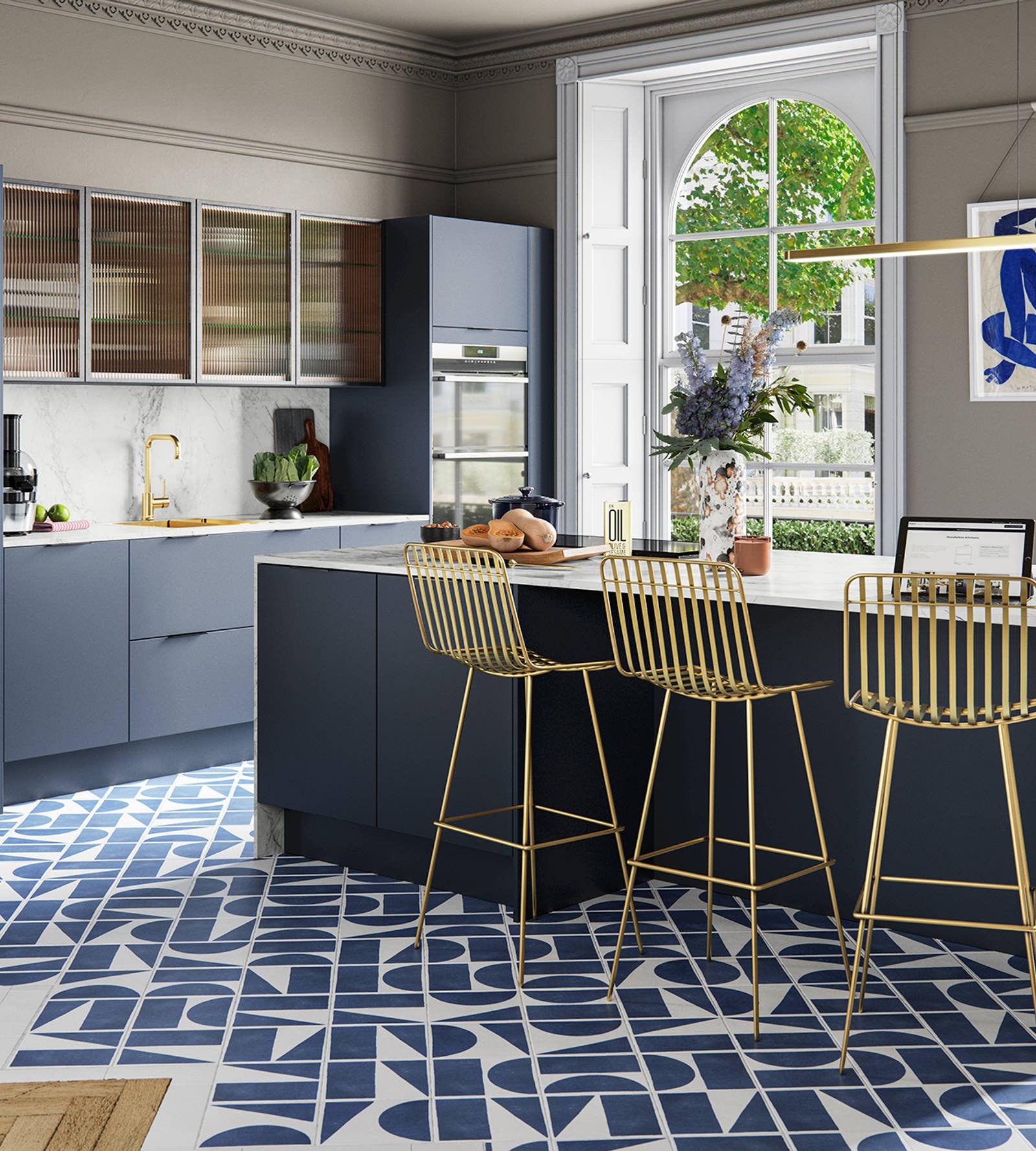
Choosing the right flooring for your kitchen can feel overwhelming. After all, your kitchen is one of the busiest rooms in your home.
You want a floor that looks great, lasts long, and fits your lifestyle. But how do you pick the perfect type from so many options? You’ll discover simple tips that make this decision easier. By the end, you’ll feel confident about selecting kitchen flooring that matches your style, budget, and daily needs.
Keep reading to find the best fit for your kitchen!
Credit: www.edificeinspections.com
Assessing Your Kitchen Needs
Choosing the right kitchen flooring is important. It affects comfort, style, and durability.
Start by thinking about how you use your kitchen every day. This helps find the best flooring type.
Consider Foot Traffic
High foot traffic means your floor needs to be strong and scratch-resistant. Low traffic allows more delicate options.
Think About Moisture And Spills
Kitchens often have spills and moisture. Choose flooring that can handle water without damage.
Evaluate Comfort And Warmth
You spend a lot of time standing in the kitchen. Flooring should feel comfortable under your feet and keep the room warm.
- Soft flooring like cork or vinyl adds comfort
- Hard floors like tile may feel cold
- Use rugs to add warmth and softness
Match Your Kitchen Style
Your flooring should fit your kitchen’s look. Think about color, texture, and design.
| Flooring Type | Style | Durability |
| Hardwood | Classic, warm | Moderate |
| Tile | Modern, clean | High |
| Vinyl | Varied, versatile | High |
| Cork | Natural, soft | Moderate |
Popular Flooring Options
Choosing the right kitchen flooring affects style and function. Many materials suit different needs and budgets.
This guide covers popular kitchen floors and their features. Learn about tile, wood, laminate, and vinyl floors.
Tile Floors
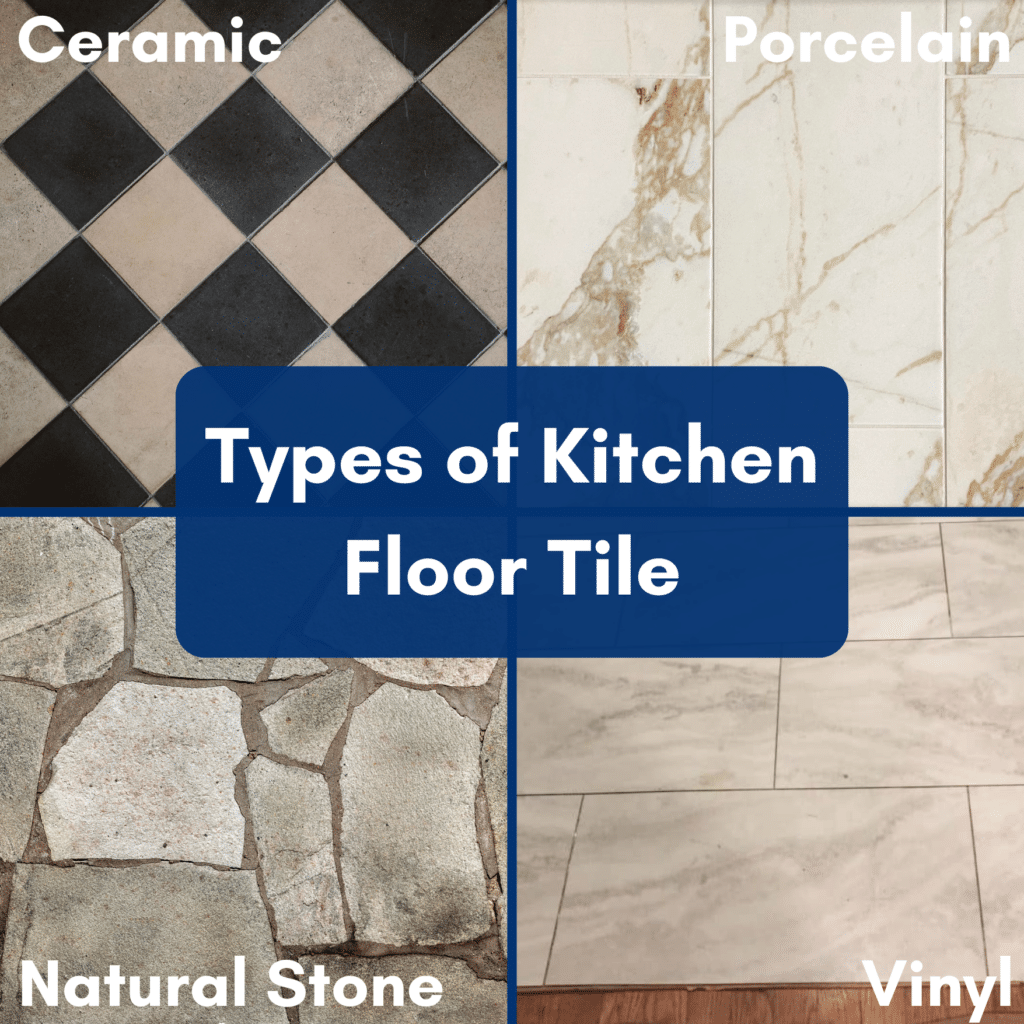
Tile floors are strong and water-resistant. They come in ceramic, porcelain, and natural stone types.
- Easy to clean and maintain
- Cool surface, good for warm climates
- Can be slippery when wet
- Available in many colors and patterns
Wood Floors
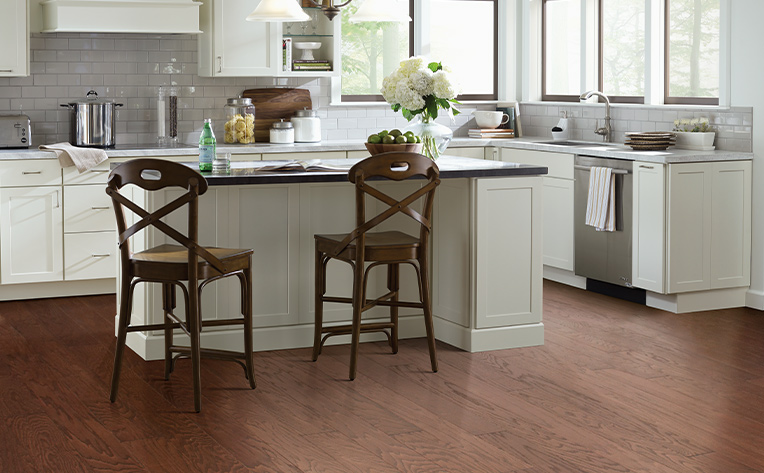
Wood floors add warmth and beauty. They require care to avoid water damage and scratches.
| Type | Durability | Maintenance | Cost |
| Solid Hardwood | High | Regular refinishing | Expensive |
| Engineered Wood | Medium | Less refinishing | Moderate |
Laminate Floors
Laminate floors imitate wood or stone. They resist scratches and stains well.
- Easy to install with click-lock design
- More affordable than wood or tile
- Not good with standing water
- Limited refinishing options
Vinyl Floors
Vinyl floors are waterproof and soft underfoot. They come in sheets, tiles, or planks.
| Vinyl Type | Comfort | Water Resistance | Cost |
|---|---|---|---|
| Sheet Vinyl | High | Excellent | Low |
| Vinyl Tiles | Medium | Excellent | Moderate |
| Luxury Vinyl Plank | High | Excellent | Moderate to High |
Durability And Maintenance
Choosing the right kitchen flooring means thinking about how it will hold up over time. Durability and ease of maintenance are key factors.
Some floors resist damage better, while others need careful cleaning to stay looking good. Knowing these differences helps you pick the best type.
Wear And Tear
Kitchen floors face heavy use. They must handle spills, drops, and constant foot traffic. Some materials resist scratches and dents better than others.
- Tile and stone are very strong and resist dents well.
- Vinyl offers good resistance to scratches and dents.
- Hardwood can scratch but can be refinished to look new.
- Laminates vary, but cheaper versions may wear quickly.
Cleaning Requirements
Different flooring types need different cleaning methods. Some require special care to avoid damage, while others are easy to clean with simple tools.
| Flooring Type | Cleaning Tips | Maintenance Frequency |
| Tile | Use mild detergent and mop regularly | Weekly |
| Vinyl | Wipe with damp cloth, avoid harsh chemicals | Weekly |
| Hardwood | Sweep daily, use wood cleaner occasionally | Daily sweeping, monthly cleaning |
| Laminates | Dry mop and avoid excess water | Weekly |
Credit: www.flooringamerica.com
Budget Considerations
Choosing kitchen flooring means thinking about costs. Your budget guides the type of flooring you can afford.
Spend time comparing prices and features to find the best fit for your money.
Cost-effective Choices
Some flooring types give you good looks without a big price tag. These options save money upfront.
- Vinyl flooring is affordable and easy to install.
- Laminates mimic wood but cost less.
- Ceramic tiles offer durability at a low price.
- Sheet vinyl can cover large areas quickly and cheaply.
Long-term Investment
Some floors cost more but last longer. They need less repair and keep your kitchen looking good.
| Floor Type | Average Cost per Sq Ft | Life Expectancy (Years) | Maintenance Needs |
| Hardwood | $5 – $10 | 20 – 100 | Moderate |
| Natural Stone | $7 – $15 | 50 – 100+ | Low to Moderate |
| Porcelain Tile | $3 – $10 | 25 – 50 | Low |
| Luxury Vinyl | $2 – $7 | 10 – 20 | Low |
Aesthetic Appeal
Choosing the right kitchen flooring is important for how your kitchen looks. The floor sets the tone for the entire space.
Focus on color and texture to create a welcoming and stylish kitchen. These details help your floor fit with your design.
Color And Texture
Colors can make your kitchen feel warm or cool. Light colors open up small spaces. Dark colors add richness and depth.
Texture adds interest and can hide dirt or scratches. Smooth floors feel modern. Textured floors give a cozy look.
- Light colors brighten the kitchen
- Dark colors create contrast
- Smooth texture is easy to clean
- Textured surfaces add character
Matching Kitchen Decor
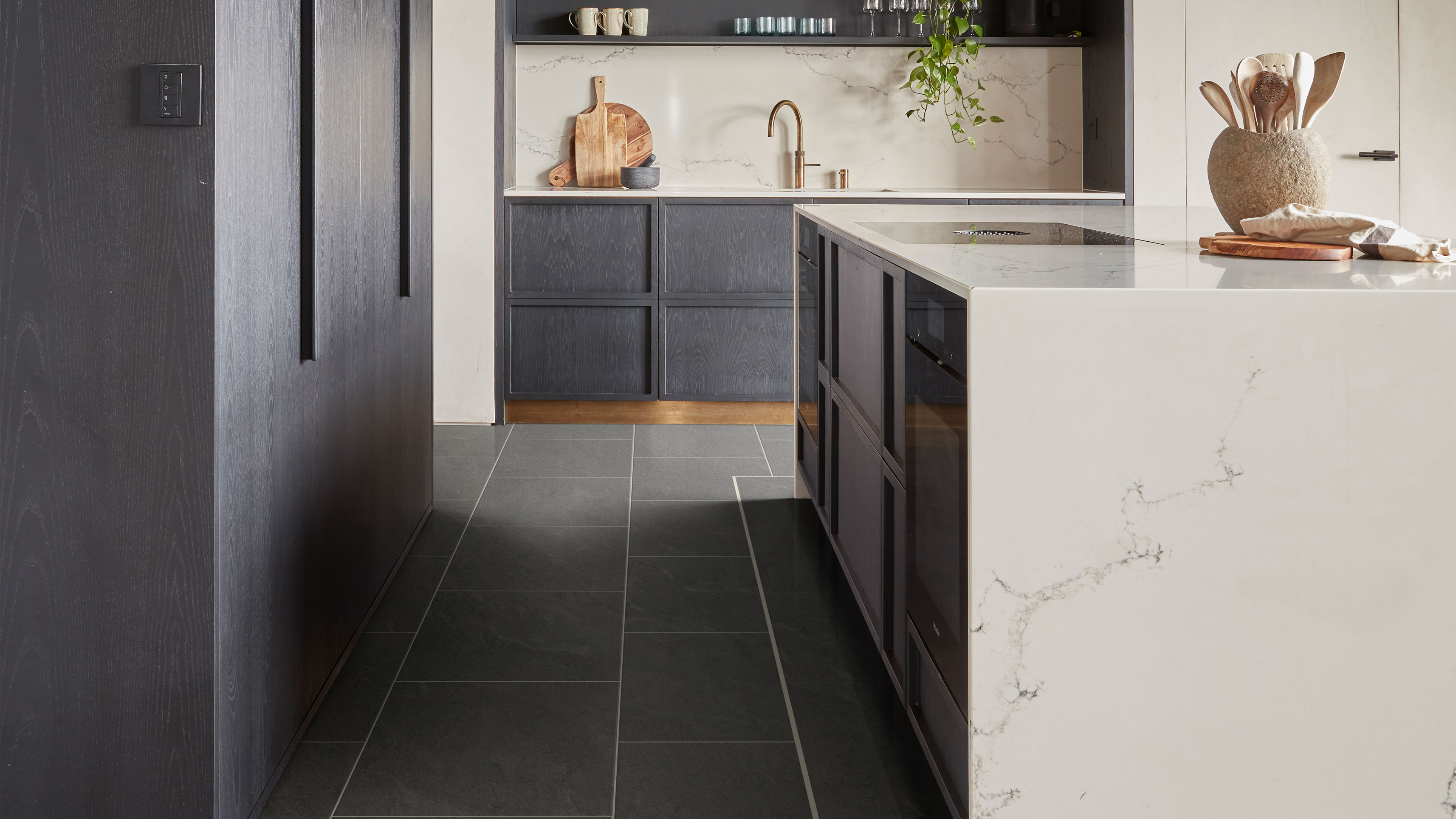
Flooring should match your kitchen style. Traditional kitchens suit wood or stone floors. Modern kitchens work well with tiles or polished concrete.
Think about your cabinets, walls, and countertops. Choose flooring that blends well and supports the room’s look.
- Wood floors pair with warm cabinets
- Stone floors fit rustic designs
- Tiles match colorful backsplashes
- Concrete suits minimalist kitchens
Safety And Comfort
Choosing the right kitchen flooring helps keep your family safe. It also makes cooking and cleaning easier. Focus on flooring that feels good and prevents slips.
Comfort and safety are key when picking kitchen floors. A good floor supports your feet and stops accidents.
Slip Resistance
Slippery floors cause many kitchen falls. Choose flooring with good grip to avoid accidents. Look for materials that stay safe when wet.
Textured surfaces and matte finishes improve slip resistance. Avoid smooth, shiny floors in busy kitchens. Check product ratings for slip resistance before buying.
- Cork and rubber floors offer natural grip
- Textured tiles reduce slipping
- Matte finish wood or vinyl improves traction
- Use non-slip mats in front of sinks
Underfoot Comfort
Standing long hours in the kitchen can tire your feet. Soft flooring reduces foot and leg pain. Choose materials that cushion your steps.
Comfortable floors make cooking more pleasant. Flooring like cork and rubber absorb shock and feel warm underfoot.
- Cork floors are soft and warm
- Rubber offers cushion and support
- Vinyl has some padding and is easy to clean
- Anti-fatigue mats can add comfort on hard floors
Sustainability Options
Choosing sustainable kitchen flooring helps protect the environment. It also supports healthier living spaces.
Many flooring types now use eco-friendly materials and recyclable options. These choices reduce waste and conserve resources.
Eco-friendly Materials
Eco-friendly flooring comes from natural and renewable sources. Bamboo and cork are popular examples. They grow quickly and are easy to replenish.
- Bamboo: Durable and fast-growing grass
- Cork: Made from tree bark, soft and warm
- Linoleum: Made from natural oils and resins
- Reclaimed wood: Uses old wood to reduce waste
Recyclable Choices
Recyclable flooring materials help lower landfill waste. Many vinyl and tile floors can be recycled after use. Some brands offer take-back programs for recycling.
| Flooring Type | Recyclability | Environmental Benefit |
| Vinyl | Yes, with special facilities | Reduces landfill waste |
| Ceramic Tile | Yes, can be crushed and reused | Supports material reuse |
| Linoleum | Yes, biodegradable | Breaks down naturally |
| Rubber | Yes, from recycled tires | Uses recycled materials |
Credit: www.homesandgardens.com
Expert Advice And Recommendations
Choosing the right kitchen flooring is important for comfort and style. It affects how your kitchen looks and how easy it is to clean.
Experts suggest considering durability, maintenance, and budget when picking flooring. This guide helps you make a smart choice.
Consider Durability And Wear
Kitchen floors get a lot of foot traffic and spills. Choose materials that resist scratches and water damage. This keeps floors looking good longer.
- Porcelain tiles resist stains and scratches
- Vinyl flooring is water-resistant and soft underfoot
- Hardwood needs sealing to protect from water
- Laminates offer good wear but can swell if wet
Ease Of Maintenance
Cleaning kitchen floors should be simple. Some materials need special care, while others require just a quick wipe.
| Floor Type | Cleaning Needs | Maintenance Tips |
| Tile | Regular sweeping and mopping | Seal grout yearly |
| Vinyl | Simple sweeping and damp mopping | Avoid abrasive cleaners |
| Hardwood | Vacuum and dry mop | Refinish every few years |
| Laminate | Dry mop or vacuum | Wipe spills immediately |
Match Your Kitchen Style
Flooring should fit your kitchen’s look. Consider colors, patterns, and textures that complement your cabinets and walls.
Tip:Use samples of flooring in your kitchen before buying. See how light and space affect the color and texture.
Budget And Longevity
Set a budget but think about how long the floor will last. Spending more now can save money on repairs later.
- Compare prices of materials and installation
- Check warranty and expected lifespan
- Plan for future maintenance costs
Frequently Asked Questions
What Is The Best Kitchen Flooring For Durability?
Durability is key in kitchens. Porcelain tiles, vinyl, and hardwood are top durable options. They resist moisture, scratches, and heavy foot traffic well. Choose materials that fit your lifestyle and maintenance preferences for long-lasting kitchen floors.
How To Choose Kitchen Flooring For Easy Cleaning?
For easy cleaning, select smooth surfaces like vinyl, laminate, or tile. These materials resist stains and spills. Avoid porous floors like untreated wood. Easy-to-clean flooring saves time and keeps your kitchen hygienic with minimal effort.
Which Kitchen Flooring Suits A Budget-friendly Remodel?
Vinyl and laminate flooring are budget-friendly choices. They mimic expensive materials at lower costs and are simple to install. These options offer durability and style without breaking the bank, perfect for affordable kitchen upgrades.
Can Kitchen Flooring Improve Home Resale Value?
Yes, quality kitchen flooring boosts resale value. Hardwood and tile are popular with buyers for their look and durability. Well-maintained floors create a positive impression, making your home more attractive on the market.
Conclusion
Choosing the right kitchen flooring takes careful thought and planning. Consider durability, style, and ease of cleaning. Think about how much time you spend in the kitchen daily. Choose a floor that fits your budget and matches your home’s look.
Remember, good flooring makes cooking and cleaning easier. Take your time to compare options before deciding. Your perfect kitchen floor is waiting.