
Are you tired of struggling with messy, uneven pizza slices? Choosing the right pizza cutter can make a huge difference in your pizza experience.
But with so many options out there, how do you find the perfect one for your kitchen? You’ll discover simple, practical tips to pick a pizza cutter that fits your needs and makes every slice smooth and easy. Keep reading to learn how to upgrade your pizza game instantly!
Types Of Pizza Cutters
Pizza cutters come in different styles to suit your cutting needs. Choosing the right type helps you slice pizza quickly and cleanly.
Each cutter style works best for different pizza sizes and crust types. Learn about the common types to find your match.
Wheel Cutters
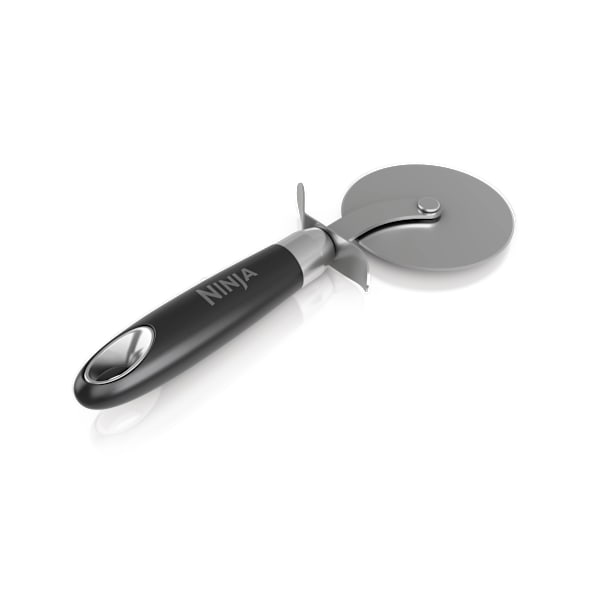
Wheel cutters have a sharp circular blade that rolls through the pizza. They are easy to use and good for thin or thick crusts.
- Blade rotates smoothly for clean cuts
- Handle offers good control and grip
- Compact and easy to store
- Can cut straight lines or curves
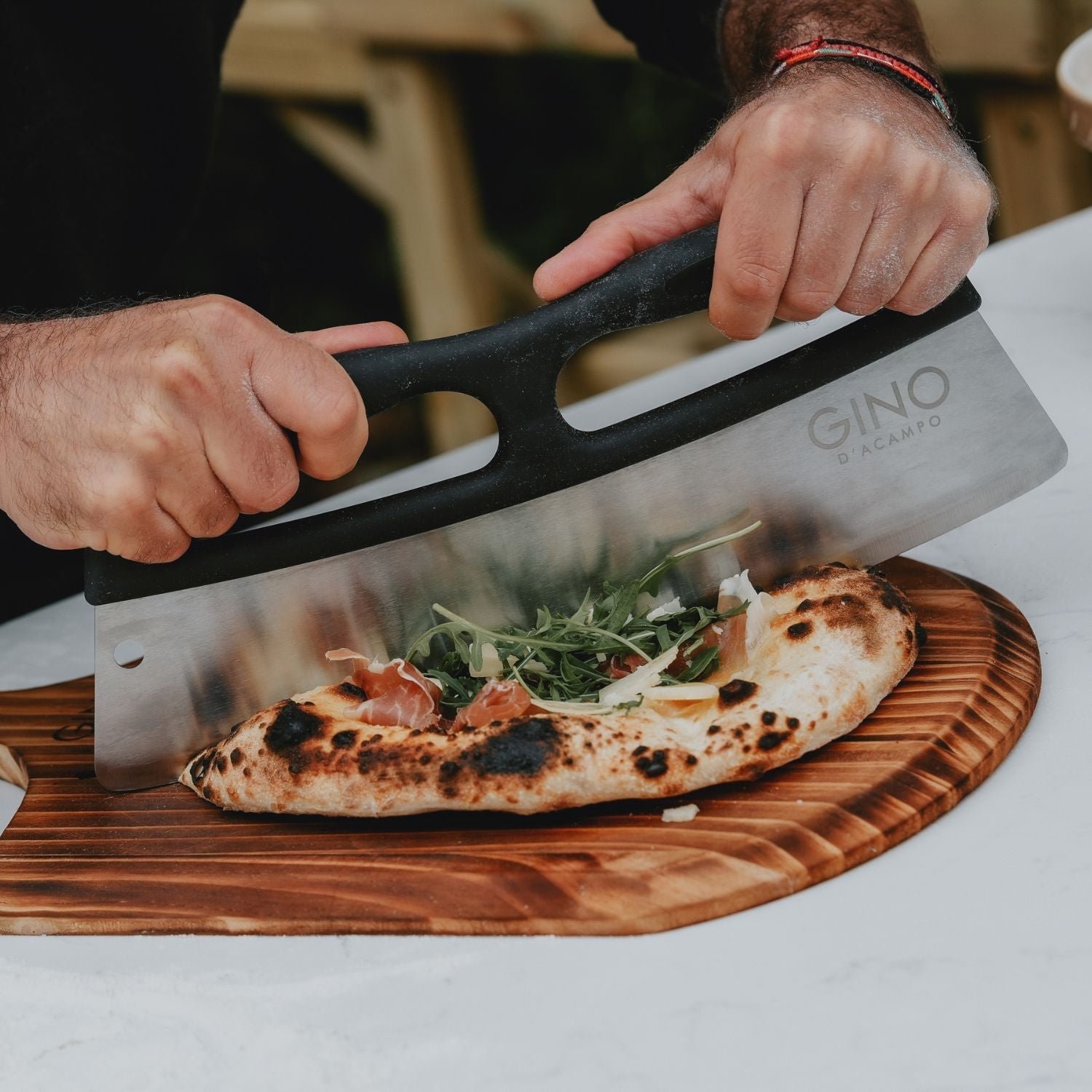
Mezzaluna Blades
Mezzaluna blades are curved knives that rock back and forth to cut pizza. They work well for soft or thick crusts.
| Feature | Details |
| Blade Shape | Curved, crescent-shaped |
| Cutting Style | Rocking motion |
| Best for | Soft, thick, or stuffed crusts |
| Handle | Usually two handles, one on each side |
Scissor Style
Scissor style cutters look like scissors with sharp blades to cut pizza slices. They combine cutting and serving in one tool.
- Easy to use with one hand
- Can cut thick or thin crusts
- Some models have a spatula to lift slices
- Good for precise cuts
Material Considerations
Choosing the right material is important for a pizza cutter. It affects how long the tool lasts and how easy it is to use.
Look closely at the blade and handle materials. These parts face the most wear and tear during use.
Stainless Steel Blades
Stainless steel blades are strong and resist rust. They stay sharp longer and cut through pizza cleanly. This material also cleans easily and is safe for food contact.
Plastic Vs. Metal Handles
- Plastic Handles:Lightweight and often cheaper. They can be comfortable but may break over time.
- Metal Handles:More durable and sturdy. They offer better grip but can be heavier.
- Comfort:Choose a handle that fits well in your hand for safe cutting.
Non-stick Coatings
| Coating Type | Benefits | Considerations |
| Teflon | Prevents dough from sticking | Can wear off with heavy use |
| Silicone | Easy to clean and smooth | May chip if scratched |
| Ceramic | Scratch resistant and sharp | Can be brittle and break |
Size And Diameter
Choosing the right size and diameter is key for a good pizza cutter. The size affects how easy it is to cut and handle the pizza.
A cutter that is too small or too large can make slicing difficult. Let’s look at the blade diameter and handle length to help you pick the best one.
Blade Diameter
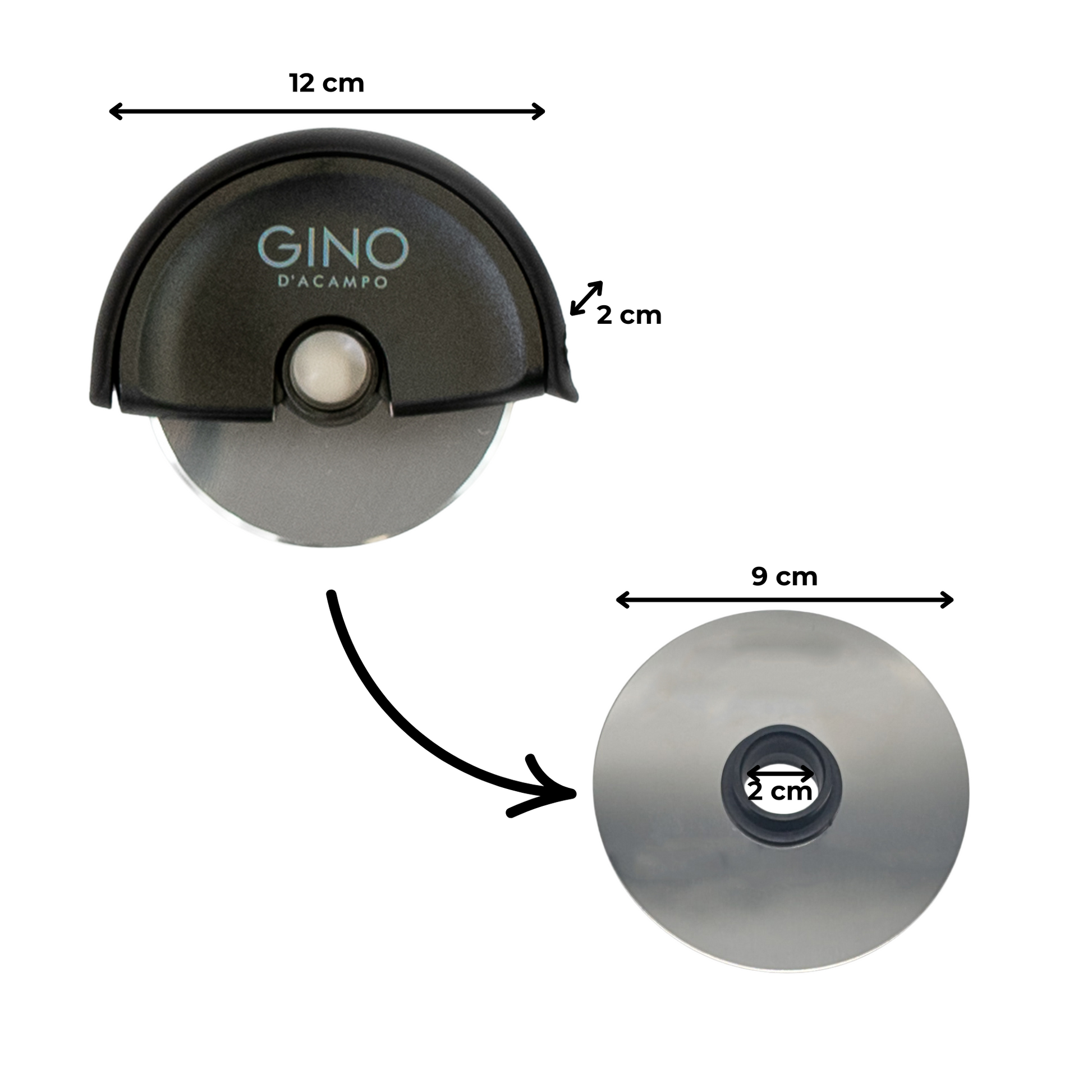
The blade diameter is the size of the round cutting wheel. A larger blade cuts through big pizzas easily.
Smaller blades are good for thin crust or small pizzas. They give more control but take longer to cut.
- Large blades (3.5 to 4 inches) cut thick crusts fast
- Medium blades (2.5 to 3.5 inches) work for most pizzas
- Small blades (under 2.5 inches) suit thin or small pizzas
Handle Length
The handle length affects comfort and control while cutting. A longer handle gives more leverage for pressing down.
Short handles are easier to store but may tire your hand faster. Pick a handle length that feels good when you hold it.
- Long handles (5 to 7 inches) offer better grip and power
- Medium handles (3 to 5 inches) balance comfort and size
- Short handles (under 3 inches) save space but need more effort
Credit: ninjakitchen.co.uk
Ergonomics And Comfort
Choosing a pizza cutter with good ergonomics helps you cut pizza easily. Comfort reduces hand strain during use.
Look at grip design and weight balance to find a comfortable cutter. These features make slicing safer and smoother.
Grip Design
A comfortable grip fits well in your hand. It should feel secure without slipping, even when your hands are wet.
- Choose handles with soft, non-slip materials like rubber or silicone
- Look for shapes that match your hand size and natural grip
- Avoid thin or hard handles that can cause discomfort or blisters
- Check if the handle has enough length to hold firmly
Weight Balance
Weight balance affects how easy you can control the cutter. A well-balanced tool cuts with less effort.
| Weight Feature | Benefit |
| Lightweight | Easy to handle and reduces hand fatigue |
| Even balance between blade and handle | Provides smooth cutting motion and control |
| Too heavy | Can tire your hand quickly and cause discomfort |
| Too light | Needs more force to cut, reducing comfort |
Safety Features
Choosing a pizza cutter with good safety features helps prevent accidents in the kitchen. Safety should be a key factor when picking your tool.
Safe designs protect your fingers and keep the blade covered when not in use. This makes cutting easier and safer.
Blade Guards
Blade guards cover the sharp edge of the pizza cutter. They protect your fingers from cuts when you hold or store the cutter.
Guards also keep the blade clean and prevent damage. Some guards are removable, while others are fixed to the cutter.
- Protects fingers from accidental cuts
- Keeps blade clean and sharp
- Makes storage safer and easier
- May be removable or built-in
Locking Mechanisms
Locking mechanisms keep the blade in a closed or safe position. This stops the cutter from opening by mistake.
Locks add extra security when storing the cutter. They help avoid injuries and keep the blade covered.
- Prevents blade from moving unexpectedly
- Enhances safety during storage
- Easy to lock and unlock
- Common in foldable or retractable cutters

Credit: www.yahoo.com
Maintenance And Cleaning
Keeping your pizza cutter clean helps it last longer. Proper care stops rust and keeps it sharp.
Understanding how to clean your cutter makes the job easier and safer. Let’s look at two key points.
Dishwasher Safe Options
Some pizza cutters can go in the dishwasher. This saves time and ensures good cleaning.
Look for cutters labeled as dishwasher safe. This means they can handle strong water pressure and heat.
- Stainless steel cutters often fit well in dishwashers
- Plastic handles must be heat-resistant
- Avoid dishwasher if label says hand wash only
- Dishwasher safe cutters reduce cleaning effort
Ease Of Disassembly
Pizza cutters that come apart are easier to clean. You can reach hidden spots where food gets stuck.
Check if your cutter has screws or snaps. These let you take the parts apart for washing.
- Removable blade helps clean edges well
- Disassemble handle if it traps crumbs
- Wash parts separately to avoid rust
- Put back parts tightly for safe use
Budget-friendly Choices
Choosing a pizza cutter on a budget does not mean you must sacrifice quality. Many affordable options work well for everyday use.
Knowing what to look for helps you find a cutter that cuts smoothly without costing too much.
Affordable Options
Look for pizza cutters made with durable plastic and stainless steel blades. These usually cost less but last long.
Simple designs without extra features often have a lower price but still do the job well.
- Plastic handle with stainless steel blade
- Small wheel cutters with a simple grip
- Manual cutters without complex parts
Value For Money
Focus on cutters that balance cost and durability. A cheaper cutter that breaks fast is not a good value.
Check for easy cleaning and comfortable handles to get the most use from your pizza cutter.
- Stainless steel blade resists rust and stays sharp
- Ergonomic handle improves cutting comfort
- Dishwasher safe models save cleaning time
- Simple parts reduce chances of breaking
Credit: ginopizzaovens.com
Expert Recommendations
Choosing the right pizza cutter can improve your slicing experience. Experts suggest looking for sharp blades and comfortable handles.
Good tools make pizza preparation easier and cleaner. Here are tips from professionals and top brands to help you pick the best cutter.
Professional Chef Picks
Chefs prefer pizza cutters that combine sharpness with durability. They also value designs that reduce hand fatigue.
- Look for stainless steel blades that stay sharp over time
- Choose a handle with a non-slip grip
- Consider a cutter with a protective guard for safety
- Opt for a size that fits your hand comfortably
Top-rated Brands
Leading brands offer pizza cutters tested for quality and ease of use. They provide details on materials and design features.
| Brand | Blade Material | Handle Type | Price Range |
| SlicePro | Stainless Steel | Ergonomic Rubber | $$ |
| PizzaMaster | Carbon Steel | Plastic with Grip | $ |
| ChefLine | Stainless Steel | Wooden | $$$ |
Frequently Asked Questions
What Features Make A Pizza Cutter Effective?
An effective pizza cutter has a sharp, durable blade and a comfortable handle. It should be easy to maneuver and clean. Stainless steel blades resist rust, while ergonomic handles reduce hand strain. These features ensure smooth, precise cutting and a better pizza experience.
How To Choose The Right Pizza Cutter Size?
Choose a pizza cutter size based on your pizza size and storage space. Larger blades work well for big pizzas, while smaller ones are better for personal slices. Consider handle length for comfort and control. The right size ensures efficient and easy cutting.
Why Is Blade Material Important In Pizza Cutters?
Blade material affects sharpness, durability, and rust resistance. Stainless steel blades are common for their strength and ease of cleaning. High-carbon steel blades stay sharper longer but need more care. Choosing the right material improves cutting performance and tool longevity.
Can Pizza Cutter Handle Design Impact Usability?
Yes, handle design impacts grip, comfort, and control. Ergonomic handles reduce hand fatigue during use. Non-slip materials improve safety, especially with greasy hands. A well-designed handle makes cutting easier and more enjoyable, enhancing overall usability.
Conclusion
Choosing the right pizza cutter makes slicing easier and faster. Think about blade size, handle comfort, and material. A sharp blade cuts through crust without tearing. A sturdy handle gives better control and safety. Picking the right cutter saves time and effort in the kitchen.
Enjoy your pizza with clean, even slices every time. Simple tools can improve your cooking experience. Keep these tips in mind for your next pizza night. Your perfect slice is just a cutter away.