
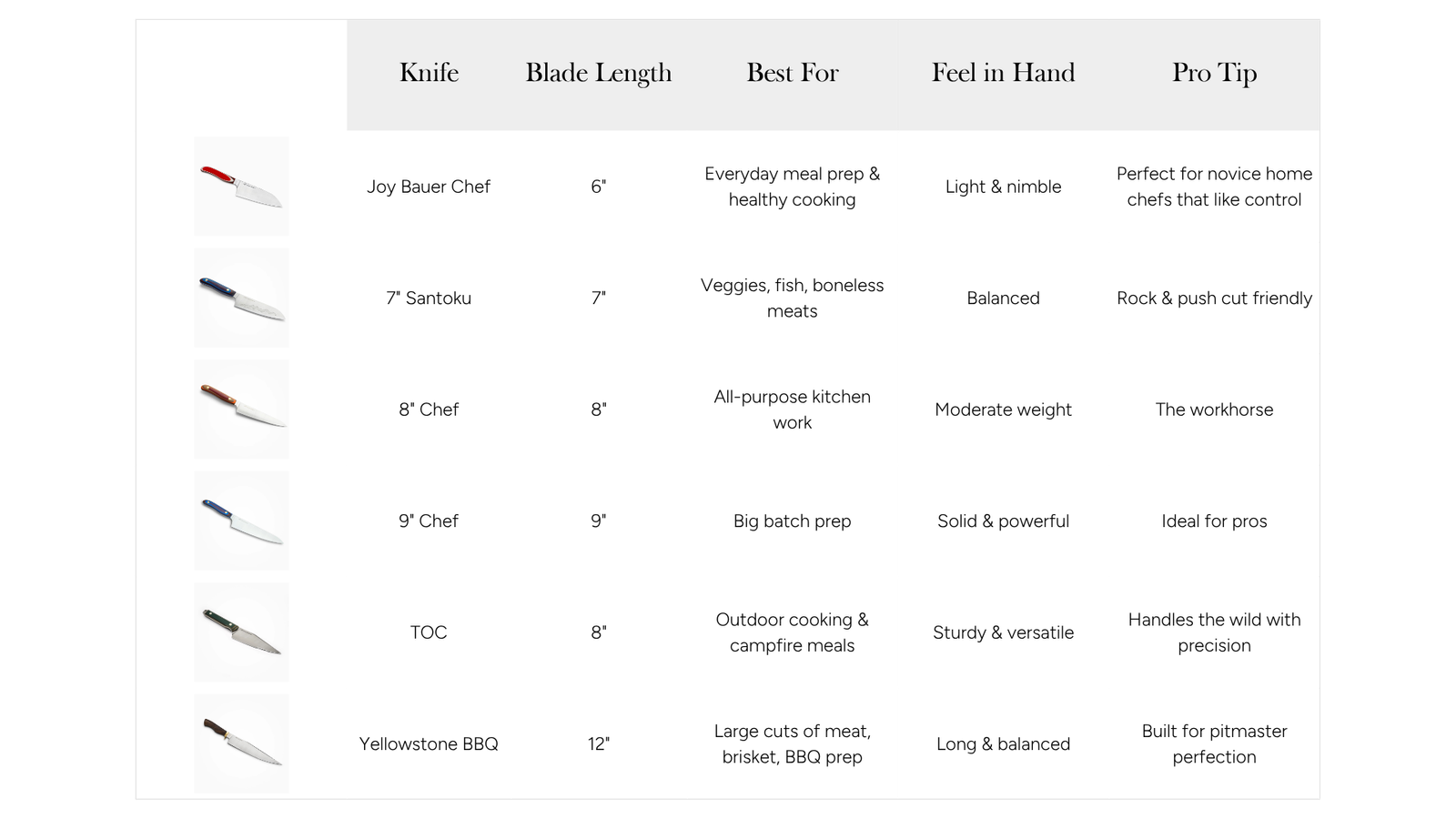
Choosing the right chef knife can change the way you cook forever. Imagine slicing through vegetables and meat with ease, feeling confident and in control.
But with so many options out there, how do you find the perfect one for your kitchen? This guide will help you understand what to look for, so you can pick a knife that feels just right in your hand and makes every meal preparation smoother.
Keep reading to discover simple tips that will help you make a smart choice and elevate your cooking experience.

Credit: www.yahoo.com
Blade Material
Choosing the right blade material is key for a good chef knife. It affects sharpness, durability, and care.
Different materials offer unique benefits and drawbacks. Understanding them helps you pick the best knife.
Stainless Steel Vs Carbon Steel
Stainless steel blades resist rust and stains. They need less maintenance and stay looking clean.
Carbon steel blades are sharper and easier to sharpen. They can rust if not dried and oiled properly.
- Stainless steel: low rust risk, needs less care
- Carbon steel: sharper edge, more maintenance needed
- Carbon steel can develop a patina that protects the blade
- Stainless steel blades are often heavier
Ceramic Options
Ceramic blades are very sharp and stay sharp longer. They do not rust or corrode.
Ceramic knives are light but can chip or break if dropped. They need careful handling.
- Very sharp and maintain edge for a long time
- Resistant to rust and stains
- Fragile and can chip if dropped
- Not suitable for cutting hard bones or frozen food
Blade Length
Blade length is an important factor when choosing a chef knife. It affects how you handle the knife and what tasks you can do.
Different blade lengths suit different kitchen jobs and personal preferences. Knowing the right size helps you work better.
Standard Sizes
Chef knives come in common sizes. These usually range from small to large blades. Each size serves different needs.
- 6-inch blades are good for small tasks and control.
- 8-inch blades are the most popular and versatile size.
- 10-inch blades are suited for big jobs and large ingredients.
Choosing The Right Length
Pick a blade length that feels comfortable in your hand. The knife should be easy to control and not too heavy.
Consider what you cook most. Smaller blades work well for precision tasks. Larger blades cut bigger items faster.
- Use a 6-inch blade for small vegetables and fruits.
- Use an 8-inch blade for everyday chopping and slicing.
- Use a 10-inch blade for large meats and big vegetables.
Handle Design
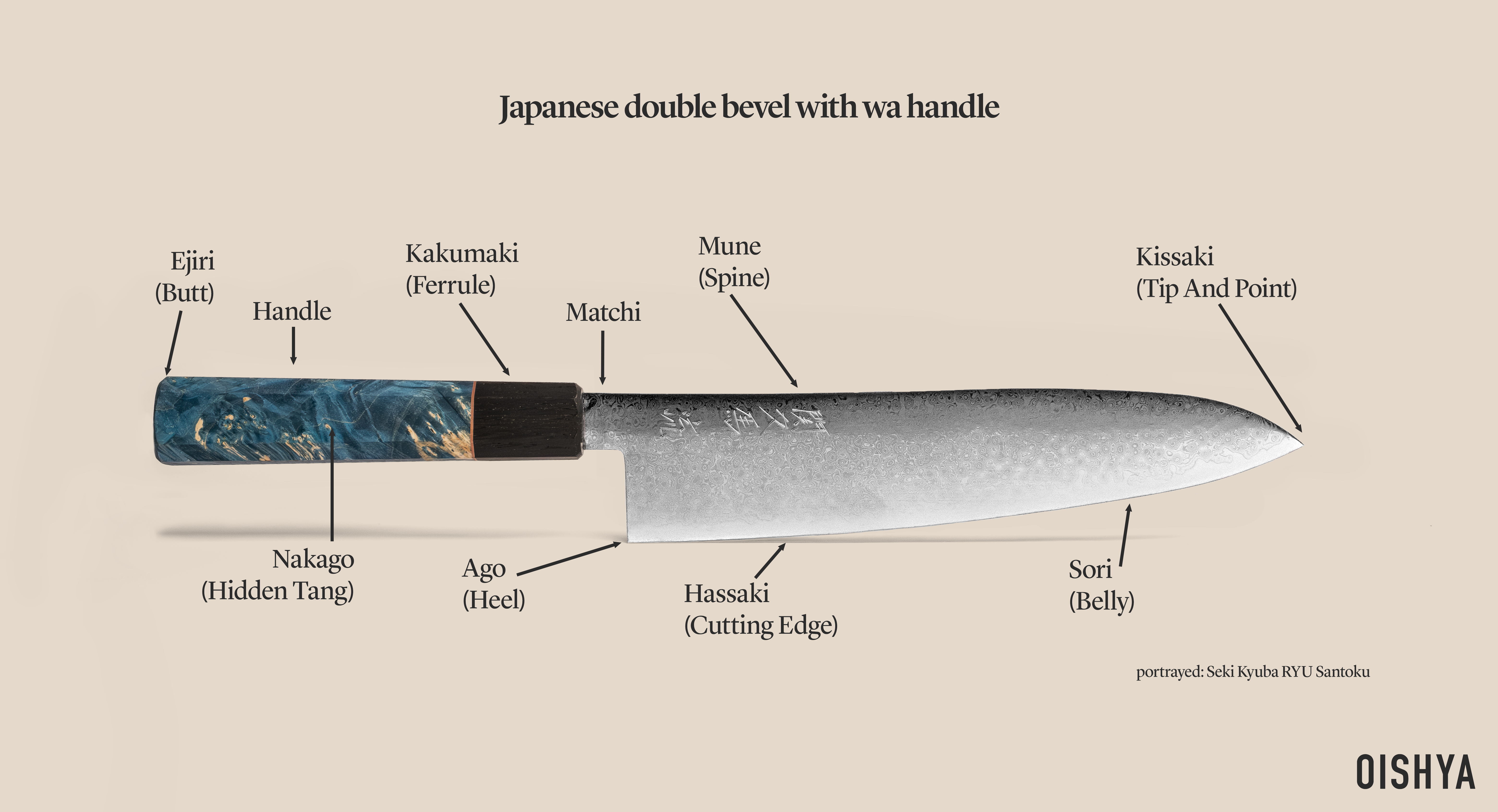
The handle of a chef knife plays a big role in how easy it is to use. A good handle helps you work safely and comfortably.
Choosing the right handle design can make cutting food easier and reduce hand tiredness.
Comfort And Grip
A comfortable handle fits well in your hand. It should not feel too big or too small. A good grip stops the knife from slipping.
Look for handles with smooth edges and a shape that matches your hand size. Some handles have textured surfaces for better grip.
- Choose a handle shape that fits your hand
- Check for a non-slip surface
- Test the knife in your hand if possible
Material Choices
Knife handles come in different materials. Each material has benefits and drawbacks. Pick one that feels good and lasts long.
Wood handles are classic and warm but need care. Plastic handles are easy to clean and strong. Metal handles are durable but can be slippery.
- Wood: comfortable, natural feel, needs maintenance
- Plastic: affordable, easy to clean, may wear over time
- Metal: very strong, sleek look, can be slippery
- Composite: mix of materials, offers good grip and durability
Credit: oishya.com
Weight And Balance
Choosing the right chef knife depends a lot on weight and balance. These factors affect your comfort and cutting control.
A knife that feels right in your hand helps you work faster and safer in the kitchen.
Finding The Right Weight
Knife weight changes how much effort you use cutting food. A heavy knife can cut through thick items easily. A light knife gives more control for fine work.
- Heavy knives suit tough tasks like chopping bones.
- Light knives fit delicate tasks like slicing herbs.
- Medium weight knives work for most kitchen jobs.
- Try holding different weights to find your comfort zone.
Testing Balance
Balance means how weight spreads between the blade and handle. A well-balanced knife feels steady and easy to guide.
| Balance Type | Description | How It Feels |
| Blade-Heavy | More weight on the blade side | Good for chopping but tires wrist faster |
| Handle-Heavy | More weight on the handle side | Easier to control but less cutting power |
| Perfectly Balanced | Weight centered near the handle-blade junction | Comfortable for long use and precise cuts |
Edge Design
The edge design of a chef knife affects how it cuts and stays sharp. Choosing the right edge helps you work efficiently in the kitchen.
Two common edge types are straight and serrated. Each type has its own uses and care needs.
Straight Vs Serrated
Straight edges are smooth and sharp, ideal for clean cuts. Serrated edges have small teeth, good for slicing through tough surfaces.
- Straight edges work well for chopping vegetables and meats.
- Serrated edges are best for cutting bread and soft fruits with skin.
- Straight edges need regular sharpening to stay sharp.
- Serrated edges stay sharp longer but are harder to sharpen.
Edge Retention
Edge retention means how long a knife stays sharp. Good edge retention saves time and effort in the kitchen.
| Edge Type | Sharpness Duration | Sharpening Ease |
| Straight | Short to Medium | Easy |
| Serrated | Long | Difficult |
Brand Reputation
Choosing a chef knife starts with trusting the brand. A brand’s reputation shows its experience and quality.
Good brands often use better materials and have strong customer support. This helps you get value for your money.
Trusted Brands
Look for brands with a long history in knife making. They often have proven designs and skilled craftsmanship.
- Brands with awards for quality and design
- Manufacturers using high-grade steel
- Companies offering warranties on their knives
- Brands recommended by professional chefs
Customer Reviews
Customer reviews give real feedback about the knife’s performance and durability. Check both positive and negative comments.
| Review Aspect | What to Look For |
| Sharpness | Long-lasting sharp edge |
| Comfort | Easy grip and balance |
| Durability | Resistance to rust and chipping |
| Value | Good quality for the price |
| Customer Service | Helpful and responsive support |
Budget Considerations
Choosing the right chef knife means thinking about your budget. A good knife can cost more but lasts longer.
Spend wisely to find a balance between price and quality. This helps you get the best value.
Balancing Quality And Cost
Not all expensive knives are the best for your needs. Look for good materials and sharpness at a fair price.
- Check the blade material for durability
- Consider handle comfort and grip
- Read reviews to see real user experiences
- Avoid very cheap knives that dull quickly
- Buy from trusted brands or stores
Long-term Investment
A chef knife is a tool you use daily. Spending more now can save money later on replacements.
| Cost Range | Expected Quality | Maintenance Needed |
| Under $30 | Low | High |
| $30 – $100 | Medium | Medium |
| Over $100 | High | Low to Medium |
Maintenance And Care
Taking good care of your chef knife keeps it sharp and safe to use. Regular maintenance helps the blade last longer.
Cleaning, sharpening, and storing your knife properly are key parts of its care. These steps protect the blade and handle.
Sharpening Techniques
Keep your chef knife sharp for easy cutting and safety. Dull knives can slip and cause accidents.
Use a sharpening stone or a honing rod to maintain the blade’s edge. Sharpen slowly and evenly for best results.
- Hold the knife at a 15-20 degree angle to the sharpener
- Move the blade across the stone in a smooth motion
- Use light pressure to avoid damaging the edge
- Sharpen both sides equally for a balanced edge
- Hone regularly to keep the blade aligned
Storage Tips
Store your chef knife in a safe place to protect the blade and prevent injuries. Avoid tossing it in a drawer.
Use a knife block, magnetic strip, or blade guard. These options keep the knife dry and sharp.
- Keep knives separate to avoid dulling the edges
- Dry knives completely before storage to prevent rust
- Place knives where children cannot reach them
- Regularly clean storage areas to avoid dirt buildup

Credit: www.t-fal.com
Frequently Asked Questions
What Size Chef Knife Suits Most Kitchen Tasks?
An 8-inch chef knife is versatile for most kitchen jobs. It offers a good balance of control and cutting surface. Beginners and professionals alike find it comfortable for chopping, slicing, and dicing.
How To Choose The Best Blade Material For Chef Knives?
High-carbon stainless steel blades are ideal for durability and sharpness. They resist rust and maintain an edge longer. This material balances ease of maintenance with professional-quality performance.
Why Is Handle Comfort Important In A Chef Knife?
A comfortable handle ensures safe, precise cuts and reduces hand fatigue. Materials like wood, plastic, or composite should feel secure. Proper grip enhances control and cooking efficiency.
Should I Prefer A Full Tang Or Partial Tang Knife?
Full tang knives offer better balance and durability. The blade extends through the handle, increasing strength. This design is preferred for long-lasting, reliable chef knives.
Conclusion
Choosing the right chef knife makes cooking easier and safer. Think about blade size, weight, and handle comfort. A good knife feels balanced in your hand. Sharpness matters for clean, smooth cuts every time. Take your time to test different knives if possible.
A well-chosen knife stays with you for years. Enjoy the cooking experience with the right tool. Simple steps lead to better meals and less effort. Remember, the best knife fits your needs and style.