
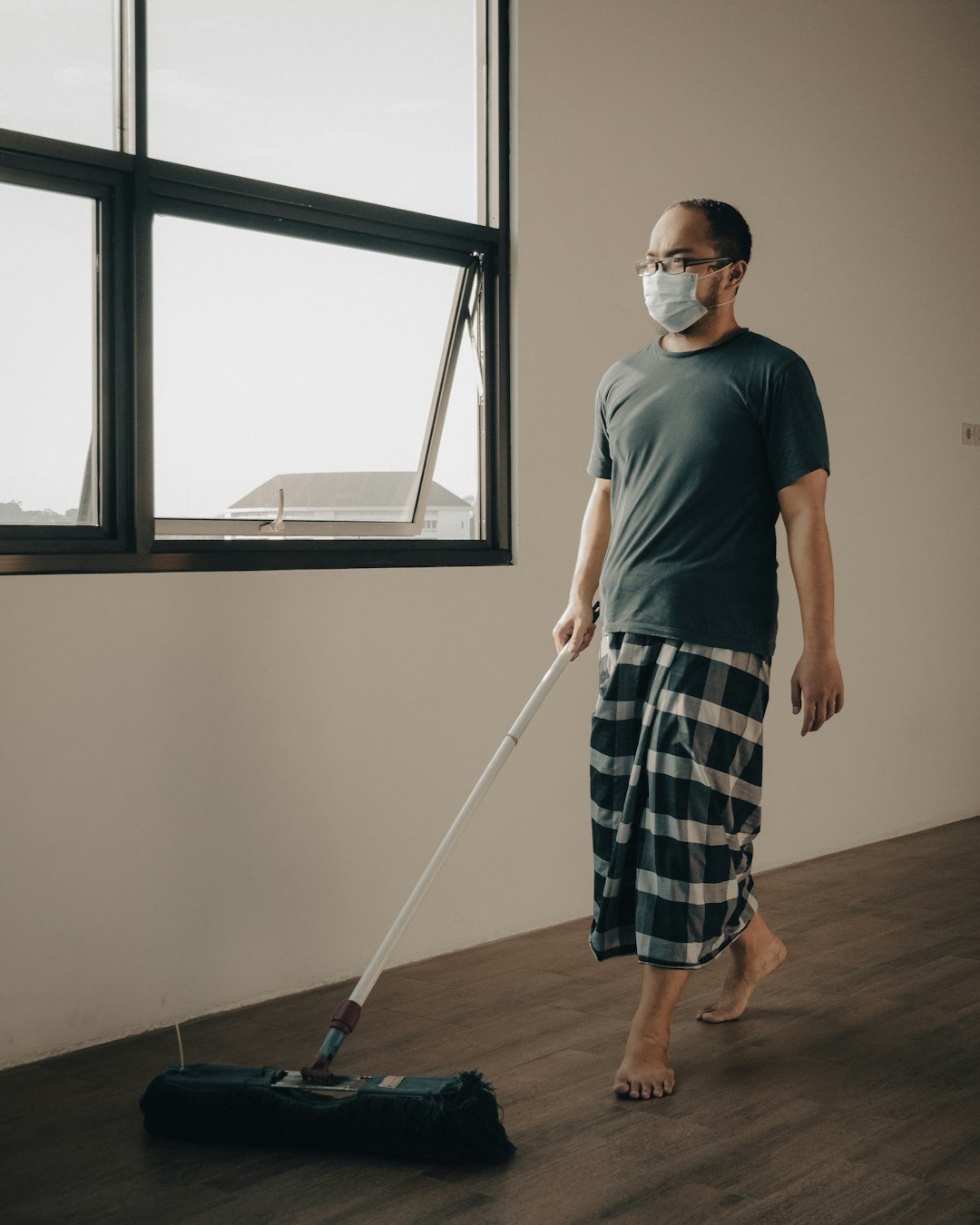
Choosing the right mop for your floors can make cleaning faster, easier, and even enjoyable. But with so many options out there, how do you know which one fits your needs best?
Whether you have hardwood, tile, or laminate floors, picking the perfect mop can save you time and effort while keeping your floors spotless. You’ll discover simple tips to help you choose the mop that works for you—so you can spend less time cleaning and more time enjoying your home.
Keep reading to find out how to make your floors shine like never before.

Credit: www.telegraph.co.uk
Types Of Mops
Choosing the right mop helps keep floors clean and safe. Different mops work best for different floor types and cleaning needs.
Here are some common mop types to consider for your cleaning tasks.
String Mops
String mops have long, cotton strands that absorb water well. They are good for cleaning large areas with water or cleaning solutions.
These mops can be twisted to wring out water, but they take longer to dry.
Flat Mops
Flat mops have a flat rectangular head with a washable cloth pad. They are easy to use and ideal for smooth floors like tile or wood.
- Lightweight and easy to maneuver
- Pads can be removed and washed
- Good for quick cleanups and dusting
Sponge Mops
Sponge mops have a foam or cellulose head. They absorb liquid quickly and are good for spills and sticky messes.
| Feature | Benefit |
| Absorbent head | Soaks up spills fast |
| Built-in wringer | Easy to remove water |
| Soft surface | Safe on delicate floors |
Steam Mops
Steam mops use hot steam to clean and sanitize floors without chemicals. They work well on sealed hard floors.
- Kills germs and bacteria
- Dries floors quickly
- Requires electricity to work
- Good for allergy sufferers
Floor Surface Considerations
Choosing the right mop depends on the floor surface you have. Different floors need different care to stay clean and safe.
Understanding your floor type helps you pick a mop that cleans well without causing damage.
Hardwood Floors
Hardwood floors are delicate and can get scratched or warped easily. Use a mop that is gentle and does not soak the wood.
A microfiber mop or a flat mop with a damp cloth works best. Avoid heavy or wet mops that leave too much water.
- Choose mops with soft, non-abrasive heads
- Use only a little water or cleaning solution
- Dry the floor quickly after mopping
Tile And Grout
Tile floors are strong but grout lines can trap dirt. A mop that can reach into grout is important.
Consider mops with scrubby pads or brushes. These help clean grout better than soft cloths.
- Choose mops with scrubbing ability
- Look for removable and washable mop heads
- Use cleaning solutions safe for grout
Laminate Surfaces
Laminate floors resist water but can swell if soaked. Use a mop that is damp, not wet.
Flat mops or microfiber mops work well. Avoid steam mops that may damage the laminate coating.
- Use mops that control moisture
- Choose soft mop heads to prevent scratches
- Do not use harsh chemicals or abrasive tools
Vinyl Flooring
Vinyl floors are durable and water-resistant. You can use a variety of mops safely on them.
Microfiber mops, sponge mops, or steam mops work well. Avoid mops with rough scrubbers that can damage the surface.
- Choose mops that are gentle but effective
- Use cleaning solutions safe for vinyl
- Avoid abrasive pads or brushes
Material And Durability
Choosing the right mop depends on the material used and how long it lasts. These factors affect cleaning power and cost-effectiveness.
Different mop materials suit various floor types and cleaning needs. Durability helps avoid frequent replacements.
Microfiber Benefits
Microfiber mops clean floors with tiny fibers that trap dirt well. They work without harsh chemicals and dry quickly.
- Pick up fine dust and hair easily
- Use less water for faster drying
- Reduce streaks and smudges
- Machine washable and reusable
Cotton Vs. Synthetic
| Material | Pros | Cons |
|---|---|---|
| Cotton | Absorbs water well, soft on floors | Dries slowly, can smell if not dried properly |
| Synthetic | Dries faster, resists mold and mildew | May not absorb as much water |
Synthetic blends often combine the best traits of both materials. Choose based on your cleaning habits and floor type.
Longevity And Wear
Durability depends on the mop head and handle quality. Strong materials resist tearing and bending.
- Check if mop heads are replaceable to save money.
- Look for rust-resistant or sturdy handles.
- Read reviews about wear after repeated use.
- Consider how often you mop to choose a durable model.
:max_bytes(150000):strip_icc()/SPR-should-you-mop-with-hot-or-cold-water-11785902-8034a4fa718143caa9fb087a9d1cf7f7.jpg)
Credit: www.thespruce.com
Ease Of Use And Maneuverability
Choosing the right mop makes cleaning floors easier. A mop that moves well saves time and effort.
Focus on how light the mop is and how it fits your hands. Also, check if it turns easily around corners.
Weight And Size
A light mop is easier to carry and use for long times. Big mops cover more floor but can be hard to move.
Choose a mop size that fits your cleaning area and strength. Small spaces need smaller mops for good control.
Handle Length And Grip
The handle should be long enough to avoid bending. This keeps your back comfortable during cleaning.
A good grip stops your hands from slipping. Look for handles with soft, non-slip materials for better hold.
Swivel Head Advantages
A mop with a swivel head turns easily. This helps reach corners and tight spaces without extra effort.
Swivel heads make cleaning faster by allowing smooth movements. They reduce the need to move your feet a lot.
Cleaning Efficiency
Choosing the right mop affects how well you clean your floors. Efficient cleaning saves time and effort. It also keeps floors looking fresh and hygienic.
Focus on key factors like absorbency, dirt removal, and drying speed. These qualities help you pick a mop that suits your needs.
Absorbency Levels
A mop’s absorbency tells how much liquid it can hold. High absorbency mops clean spills faster. They reduce the need to wring often. Cotton and microfiber mops usually absorb well.
- Cotton mops hold a lot of water but take time to dry.
- Microfiber mops absorb liquids quickly and dry faster.
- Sponge mops soak up spills but may need frequent rinsing.
Dirt And Stain Removal
Removing dirt and stains needs a mop with strong cleaning ability. A mop with a good scrubbing surface can lift stuck dirt. Some mops come with textured pads or extra fibers for this.
| Mop Type | Best For | Cleaning Strength |
| Microfiber | Dust and light stains | High |
| String Mop | Heavy dirt and mud | Medium |
| Sponge Mop | Wet spills and stains | Low to Medium |
Quick Dry Features
Quick drying mops prevent water damage and slippery floors. They help floors dry faster after cleaning. Look for mops with breathable fibers or flat designs.
- Choose microfiber or flat mops.
- Avoid thick cotton mops that stay wet long.
- Use wringers to remove extra water.
- Clean floors in well-ventilated areas.
Maintenance And Care
Choosing the right mop for floors is important. Proper care helps your mop last longer. It keeps your floors clean and safe.
Learn how to wash, dry, and store your mop. Also, find out about replacement parts to keep it working well.
Washing And Drying
Wash your mop head after each use. This removes dirt and germs. Use warm water and mild detergent for cleaning.
Dry the mop completely before storing. Hang it in a well-ventilated area. This stops mold and bad smells from forming.
- Rinse mop head with clean water
- Use gentle soap or detergent
- Spin or squeeze out excess water
- Hang mop to air dry fully
Storage Solutions
Store your mop in a dry, cool place. Avoid leaving it on the floor or in damp spots. This keeps it clean and ready to use.
Use hooks or holders to keep the mop off the ground. This helps the mop dry faster and prevents damage to the handle.
- Hang mop on a wall hook
- Use a mop holder or rack
- Keep away from direct sunlight
- Store separate from cleaning chemicals
Replacement Parts
Check your mop for worn or broken parts often. Replace mop heads, handles, or connectors as needed. This keeps cleaning effective.
Choose replacement parts that fit your mop model. Some mop brands offer extra heads or handles that are easy to swap.
- Replace mop heads when fibers are worn out
- Fix or replace broken handles promptly
- Use original parts for best fit
- Keep spare parts handy for quick swaps
Budget And Cost-effectiveness
Choosing the right mop means thinking about your budget. You want a mop that cleans well and lasts long.
Spending wisely helps you save money over time. It is important to balance cost and quality.
Initial Investment
The first cost of a mop includes the mop head, handle, and any extra parts. Some mops cost more but may work better.
Think about how often you need to buy replacements. A low price might mean you replace parts more often.
Long-term Savings
A mop that lasts longer can save you money. Durable materials and easy-to-clean parts reduce future costs.
Reusable mop heads lower trash waste and replacement needs. This can add up to big savings.
- Choose washable mop heads
- Look for sturdy handles and frames
- Pick mops with easy-to-find replacement parts
Comparing Brands
Different brands offer different prices and features. Some brands focus on low cost, others on durability.
Read reviews and compare prices to find the best value. Sometimes paying a bit more means better quality.
| Brand | Price Range | Durability | Replacement Cost |
|---|---|---|---|
| Brand A | Low | Medium | Low |
| Brand B | Medium | High | Medium |
| Brand C | High | Very High | Low |
Eco-friendly Options
Choosing an eco-friendly mop helps protect the environment. It also keeps your home safe from harmful chemicals.
There are many green mop options made with natural materials. You can choose mops that reduce waste and use less plastic.
Sustainable Materials
Sustainable mop materials come from natural sources. These materials break down easily and do not harm nature.
Look for mops made from bamboo, cotton, or recycled plastic. These materials last long and reduce pollution.
- Bamboo: fast-growing and strong
- Cotton: soft and biodegradable
- Recycled plastic: reuses waste materials
Reusable Vs. Disposable
Reusable mops reduce waste because you can wash and use them many times. Disposable mops create more trash.
Choose reusable mop heads that are easy to clean. This choice saves money and helps the planet.
- Reusable mop heads last longer
- Disposable mop heads add to landfill waste
- Reusable options lower your carbon footprint
Environmental Impact
Eco-friendly mops reduce water and chemical use. They help keep water sources clean and safe for animals.
Choosing green mops lowers pollution and saves resources. It supports a healthier planet for future generations.
:strip_icc()/bhg-swiffer-sweep-mop-deluxe-stephanie-osmanski-02-36c66d6d99684fe6ad2d686c186d20d7.jpeg)
Credit: www.bhg.com
Frequently Asked Questions
What Type Of Mop Is Best For Hardwood Floors?
A microfiber mop is ideal for hardwood floors. It cleans gently without scratching and absorbs dirt effectively. Avoid overly wet mops to prevent water damage. Microfiber mops keep hardwood shiny and well-maintained with minimal effort.
How Do I Choose A Mop For Tile Floors?
For tile floors, a sponge or microfiber mop works best. These mops can clean grout lines and remove dirt effectively. Choose one with a wringer to control moisture, preventing slippery surfaces and protecting the tiles.
Are Steam Mops Safe For All Floor Types?
Steam mops are great for sealed hard floors like tile and vinyl. Avoid using them on unsealed wood or laminate, as moisture can cause damage. Always check manufacturer guidelines before using a steam mop to ensure floor safety.
What Mop Is Easiest To Maintain And Clean?
Microfiber mops are the easiest to maintain. They are machine washable and dry quickly. Microfiber resists bacteria buildup, making it hygienic and long-lasting. Regular cleaning ensures optimal performance and extends mop lifespan.
Conclusion
Choosing the right mop makes floor cleaning easier and faster. Think about your floor type and cleaning needs first. Consider mop size, material, and handle length for comfort. A good mop saves time and keeps floors shiny. Remember to clean and dry your mop regularly.
A simple, well-chosen mop helps maintain a fresh home. Small steps lead to big results in floor care. Now, you are ready to pick the best mop for your floors.