
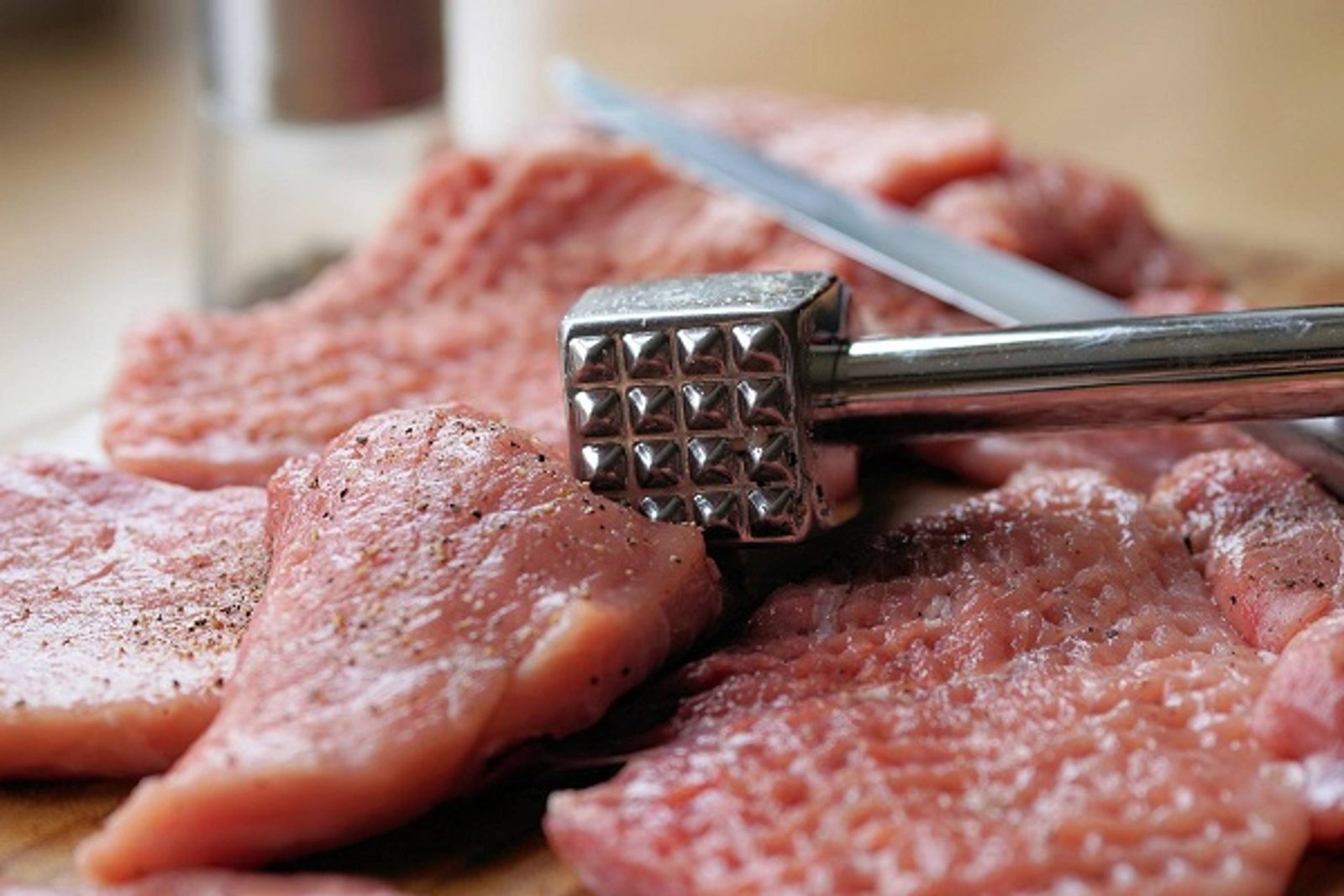
Are you tired of chewing tough, chewy meat that ruins your meal? Using a meat tenderizer can change everything.
With the right tips, you can transform even the toughest cuts into juicy, flavorful dishes that melt in your mouth. You’ll discover simple yet powerful ways to get the best results from your meat tenderizer. Keep reading to unlock secrets that will make your cooking easier and your meals unforgettable.
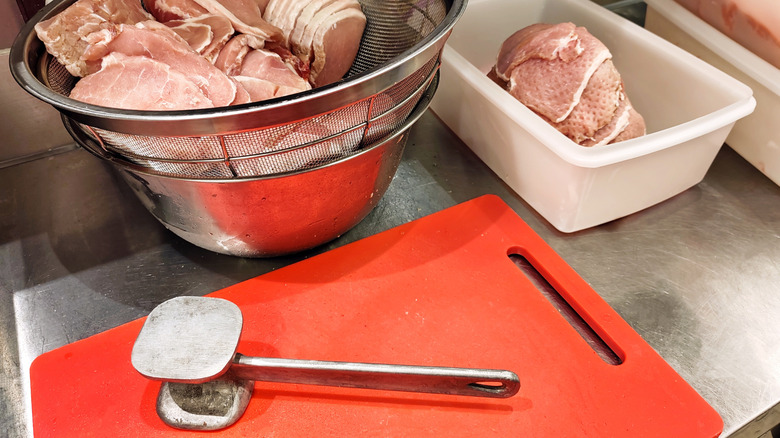
Credit: www.thetakeout.com
Choosing The Right Meat Tenderizer
Using a meat tenderizer helps make meat soft and easier to cook. Picking the right tool makes the job easier and better.
There are many kinds of meat tenderizers. Knowing their types, materials, and sizes helps you choose well.
Types Of Meat Tenderizers
Meat tenderizers come in different types. Each type works differently to soften meat.
- Blade tenderizers cut small holes in the meat.
- Mallets have flat or spiked heads to pound the meat.
- Needle tenderizers use many thin needles to break fibers.
- Rolling tenderizers have textured rollers to press the meat.
Material Considerations
Meat tenderizers are made from different materials. The material affects durability and ease of cleaning.
- Stainless steel is strong and easy to clean.
- Wood is lightweight but can absorb juices.
- Plastic is affordable but may not last long.
- Aluminum is light but may dent easily.
Size And Weight Factors
The size and weight of the tenderizer affect how comfortable it is to use. Choose one that fits your hand well.
Lighter tenderizers cause less arm fatigue. Larger heads cover more meat with fewer strikes.
- Small and light for quick, precise tenderizing.
- Heavy and large for tough meat and larger cuts.
- Balance weight for control and comfort.
Preparing The Meat
Preparing meat correctly helps the tenderizer work better. It makes the meat softer and tastier. Good preparation starts before you use the tenderizer.
Follow simple steps to get the best results. This includes picking the right meat, cleaning it well, and using marinades if needed.
Selecting The Right Cut
Choose meat cuts that benefit most from tenderizing. Tough cuts have more connective tissue. These cuts become softer after using a tenderizer.
Examples of good cuts for tenderizing include chuck, round, and flank steak. Avoid very thin cuts that can break easily.
- Chuck steak
- Round steak
- Flank steak
- Brisket
- Skirt steak
Trimming And Cleaning
Trim off excess fat and silver skin before tenderizing. These parts can stop the tenderizer from working well. Clean the meat by rinsing it with cold water.
Pat the meat dry with paper towels. Dry meat helps the tenderizer make even marks and softens the meat better.
- Remove thick fat layers
- Cut off silver skin
- Rinse with cold water
- Pat dry with paper towels
Marinating Basics
Marinating adds flavor and helps tenderize the meat. Use acidic ingredients like lemon juice or vinegar. These acids break down tough fibers.
Keep the meat in the marinade for at least 30 minutes. Do not marinate too long or the meat can become mushy.
- Use lemon juice, vinegar, or yogurt
- Include herbs and spices for taste
- Marinate for 30 minutes to 2 hours
- Keep meat refrigerated while marinating
Techniques For Tenderizing
Tenderizing meat makes it softer and easier to chew. There are many ways to do this using tools and ingredients.
Each technique breaks down tough fibers in the meat. Choose a method that fits the type of meat you have.
Using A Mallet
A meat mallet is a tool with a flat or textured side. It helps to physically break down muscle fibers by pounding the meat.
Place the meat on a clean surface and gently pound it. Avoid hitting too hard to keep the meat from tearing.
- Use the flat side for even thickness
- Use the textured side to break tough fibers
- Cover meat with plastic wrap to avoid splatter
Tenderizing With A Blade
This method uses a tool with small blades or needles to cut into the meat. It helps the marinade soak in better and breaks muscle fibers.
Press the blade tool evenly across the meat surface. This creates tiny cuts that soften the meat.
- Use a meat tenderizer with multiple blades
- Do not press too deep to avoid losing juices
- Works well for thicker cuts of meat
Chemical Tenderizing Methods
Chemical tenderizers use enzymes or acids to break down meat fibers. Common ingredients include pineapple, papaya, or vinegar.
Apply the tenderizer to the meat and let it sit for a short time. Too long can make the meat mushy.
- Pineapple contains bromelain enzyme
- Papaya contains papain enzyme
- Vinegar and lemon juice use acid to soften meat
- Rinse meat after marinating to remove excess acid
Credit: www.hellofresh.com
Timing And Temperature Tips
Using a meat tenderizer properly can improve the texture of your meat. Paying attention to timing and temperature helps get the best results.
These tips focus on how long to tenderize and the right temperature for tenderizing meat.
Optimal Tenderizing Times
Do not tenderize meat for too long. Over-tenderizing can make meat mushy. The right time depends on the cut and thickness.
Thin cuts need less time, while thicker cuts may need more. Use gentle pressure to avoid tearing the meat.
- Thin cuts: 30 seconds to 1 minute
- Thicker cuts: 2 to 3 minutes
- Use light, even strokes
- Stop if meat starts breaking apart
Temperature Considerations
Meat is easier to tenderize when it is cold but not frozen. Cold meat holds its shape better during tenderizing.
Allow meat to rest at room temperature for about 15 minutes before tenderizing. Avoid using warm or hot meat as it can tear.
- Keep meat chilled before tenderizing
- Do not tenderize frozen meat
- Let meat sit at room temp for 10-15 minutes
- Tenderize on a cool surface
Cooking Methods For Tender Meat
Using a meat tenderizer can improve texture before cooking. Different cooking methods help keep meat juicy and soft.
Learn how grilling, braising, and roasting work well with tenderized meat for the best results.
Grilling For Juiciness
Grilling tenderized meat helps seal in juices quickly. Use high heat for a short time to keep meat moist.
- Preheat the grill to high heat
- Cook meat for 3 to 5 minutes per side
- Let meat rest for a few minutes after grilling
- Avoid pressing meat to keep juices inside
Braising Techniques
Braising breaks down tougher fibers in meat. It uses low heat and moisture to keep meat tender and flavorful.
| Tip | Details |
|---|---|
| Use a heavy pot | Helps keep even heat and moisture |
| Add enough liquid | Cover at least half the meat |
| Cook low and slow | Simmer for 1 to 3 hours |
| Check meat regularly | Test for tenderness before serving |
Roasting Tips
Roasting tenderized meat works well for larger cuts. Use moderate heat to cook evenly without drying out.
Try these tips for roasting:
- Preheat oven to 350°F (175°C)
- Season meat before roasting
- Place meat on a rack for airflow
- Use a meat thermometer to check doneness
- Rest meat for 10 minutes before slicing
Common Mistakes To Avoid
Using a meat tenderizer can improve your dish’s texture. Some errors can ruin your meat instead. Avoid these common mistakes for better results.
This guide covers over-tenderizing, picking the wrong meat, and skipping resting time. Each can affect flavor and texture.
Over-tenderizing
Be careful not to pound meat too much. Over-tenderizing breaks down the fibers too far. This can make meat mushy and less tasty.
- Use gentle, even strokes when pounding.
- Stop as soon as the meat is thinner and softer.
- Check thickness often to avoid damage.
- Choose the right tool for your meat type.
Improper Meat Selection
Not all meats need tenderizing. Some cuts are naturally tender and can be damaged by pounding.
| Meat Type | Need for Tenderizing |
| Ribeye | No, tender cut |
| Chuck | Yes, tough cut |
| Sirloin | Sometimes, depending on thickness |
| Flank | Yes, very tough |
Ignoring Resting Time
Resting lets juices settle after pounding. Skipping this step can dry out the meat during cooking.
Tips for resting:
- Wrap meat loosely in foil.
- Rest at room temperature for 10 minutes.
- Do not skip this step before cooking.
Expert Tips For Best Results
Using a meat tenderizer can make your dishes softer and tastier. It breaks down the fibers in the meat. This helps the meat cook evenly and absorb flavors better.
Follow simple tips to get the best texture and flavor from your meat tenderizing process. These tips focus on flavors, resting time, and the tools you use.
Pairing With Flavors
Tenderizing meat opens it up to soak in flavors. Use marinades or rubs that match the meat’s taste. Acidic ingredients help soften the meat further.
- Use citrus juice like lemon or lime for chicken and fish.
- Add vinegar or yogurt to beef marinades.
- Include herbs and spices like garlic, rosemary, or black pepper.
- Let the meat sit in the marinade for at least 30 minutes.
Resting For Juiciness
After tenderizing and cooking, rest the meat before cutting. This helps the juices settle inside the meat. Resting keeps the meat moist and tasty.
| Resting Time | Meat Type |
| 5 minutes | Fish and seafood |
| 10 minutes | Poultry |
| 15 minutes | Steak and chops |
| 20 minutes | Roasts and large cuts |
Using The Right Tools
Choose the best tenderizer tool for your cooking style. Different tools work better for different meat cuts and textures.
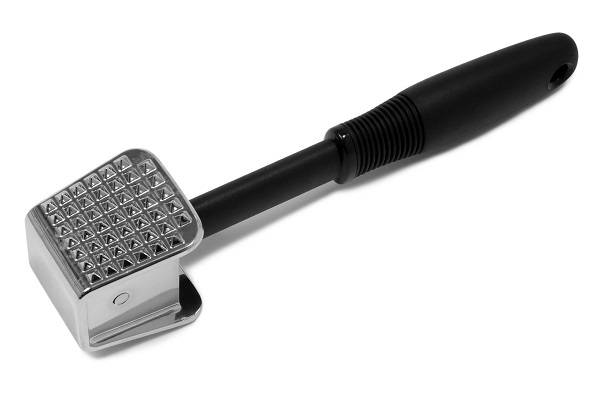
- Manual mallet:Good for steaks and chops. Flat side for flattening, textured side for tenderizing.
- Needle or blade tenderizer:Pierces meat to break fibers. Use for thicker cuts.
- Electric tenderizer:Useful for large amounts of meat. Saves time and effort.
Credit: www.hellofresh.com
Frequently Asked Questions
What Is The Best Way To Use A Meat Tenderizer?
Use a meat tenderizer by gently pounding the meat evenly. Avoid over-tenderizing to keep texture. Focus on tough cuts for best results.
How Does A Meat Tenderizer Improve Meat Quality?
A meat tenderizer breaks down muscle fibers, making meat softer. It helps meat cook evenly and absorb marinades better, enhancing flavor.
Can I Use A Meat Tenderizer On All Meat Types?
Meat tenderizers work best on tougher cuts like beef or pork. They are not ideal for delicate meats like fish or chicken breast.
How Often Should I Clean My Meat Tenderizer?
Clean your meat tenderizer after every use with warm, soapy water. Dry it thoroughly to prevent rust and maintain hygiene.
Conclusion
Using a meat tenderizer can make your meals softer and tastier. Remember to use gentle, even pressure for best results. Avoid over-tenderizing to keep the meat’s texture right. Clean your tool well to keep it safe and ready. With these tips, cooking meat becomes easier and more enjoyable.
Try these simple steps and enjoy juicier, more flavorful dishes every time. Practice a little, and you will see the difference. Cooking meat can be fun and rewarding with the right approach.