

Are you tired of spending too much time picking leaves off your herbs? Using a herb stripper can save you precious minutes in the kitchen and make cooking more enjoyable.
But if you’re not sure how to use it right, you might miss out on its full benefits. You’ll discover simple tips that make herb stripping faster, easier, and less messy. Keep reading to learn how to get the most from your herb stripper and bring fresh flavors to your meals without the hassle.
Choosing The Right Herb Stripper
Using an herb stripper can save you time when preparing fresh herbs. Picking the right one makes the task easier and faster.
There are many types of herb strippers available. Knowing what to look for helps you choose the best tool for your kitchen.
Material And Durability
Herb strippers come in different materials like plastic, metal, or silicone. Choose one that feels strong and lasts long.
Metal strippers are sturdy but may be heavier. Plastic ones are light but can break easily. Silicone offers flexibility and grip.
- Metal: durable and long-lasting
- Plastic: lightweight but less sturdy
- Silicone: flexible and easy to grip
Size And Hole Options
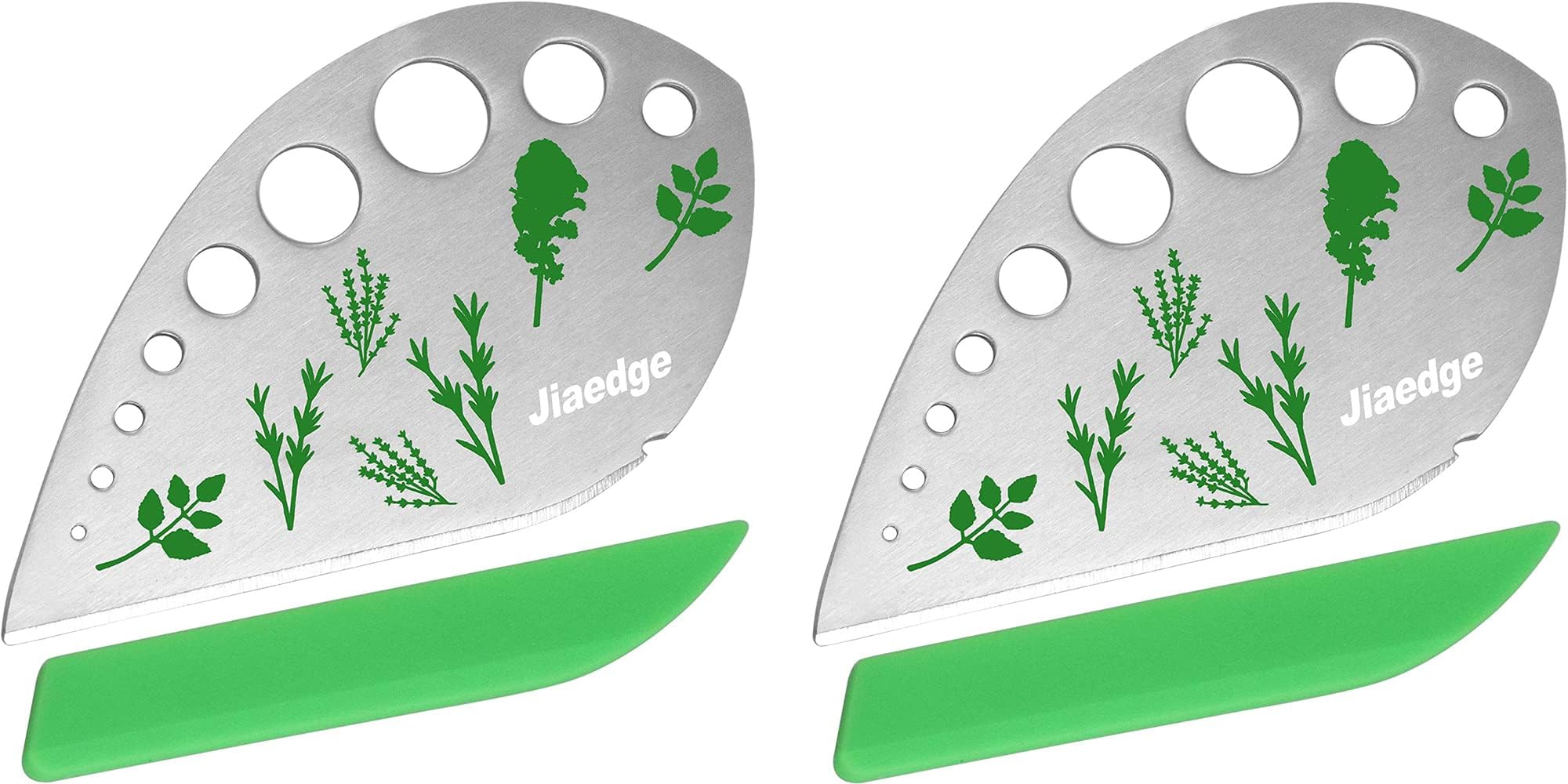
Look for an herb stripper with multiple hole sizes. Different herbs have different stem thicknesses.
Having several hole options lets you strip many types of herbs easily. Check if the holes fit the herbs you use most.
- Small holes for thin herbs like thyme
- Medium holes for herbs like parsley
- Large holes for thick herbs like rosemary
Ease Of Cleaning
Choose an herb stripper that is easy to clean. Herbs can leave small bits and dirt in the tool.
Tools without many grooves or parts are simpler to wash. Some are dishwasher safe for quick cleaning.
- Simple design with fewer parts
- Dishwasher safe materials
- Easy to rinse by hand
Comfort And Grip
Choose a stripper with a comfortable handle or grip. You will use it many times while cooking.
Look for non-slip materials or soft grips. This helps prevent hand strain and slips during use.
- Soft rubber or silicone grips
- Ergonomic shapes
- Non-slip surfaces
Preparation Before Stripping
Preparing herbs properly makes stripping easier and cleaner. It helps keep the herbs fresh and flavorful.
Good preparation saves time and reduces waste when using a herb stripper.
Washing Herbs
Wash herbs gently to remove dirt and bugs. Use cold water to keep them fresh and crisp.
Do not soak herbs for a long time. Quick rinses work best to protect their flavor.
- Fill a bowl with cold water
- Submerge herbs and swirl gently
- Lift herbs out and drain the water
- Repeat if water is dirty
Drying Techniques
Dry herbs carefully before stripping to avoid soggy leaves. Excess water can make stripping messy.
Use paper towels or a salad spinner to remove water. Let herbs air dry if time allows.
- Place herbs on a clean towel and pat dry
- Use a salad spinner to spin off water
- Spread herbs out to air dry for 10-15 minutes
- Make sure herbs are mostly dry before stripping
Proper Stripping Techniques
Using a herb stripper helps remove leaves quickly from stems. Proper technique makes the process easier and faster.
Good stripping saves time and keeps herbs fresh. Let’s look at how to hold the tool and work at a steady pace.
Grip And Positioning
Hold the herb stripper with a firm but comfortable grip. Use your dominant hand to control the tool.
Place the herb stem into the right-sized hole. Position the tool near the base of the leaves for best results.
- Keep your fingers away from the blade or edges
- Hold the stem steady with your other hand
- Align the stem so leaves can slide off smoothly
Speed And Consistency
Move the herb stripper down the stem in one smooth motion. Keep the speed steady for clean stripping.
Work with even pressure to avoid tearing the leaves. Consistency helps keep leaves whole and fresh.
- Start slow to get a feel for the tool
- Increase speed as you gain confidence
- Repeat the motion evenly along the stem

Credit: invisioneng.net
Safety Tips
Using a herb stripper is quick and easy. But you should always think about safety first. This helps you avoid accidents and work smoothly.
Follow simple rules to keep your hands safe and keep the tool in good shape.
Avoiding Injuries
Herb strippers have sharp edges or small holes. These can hurt your fingers if you are not careful. Always pay attention when using the tool.
Hold the tool firmly and pull herbs gently. Do not force the herbs through the holes. Keep your fingers away from sharp parts.
- Use slow, steady movements to avoid slips
- Keep fingers clear of cutting edges
- Work on a stable surface to maintain control
- Store the tool safely after use
Cleaning The Tool Safely
Cleaning the herb stripper keeps it working well and stops bacteria build-up. Be careful when washing to avoid cuts.
Use warm water and mild soap. Avoid scrubbing too hard near sharp edges. Dry the tool completely before storing it.
- Wash gently with a soft brush or cloth
- Do not soak the tool for too long
- Wear gloves if edges feel sharp
- Store in a dry place to prevent rust
Maximizing Efficiency
Using a herb stripper can save time in the kitchen. It helps remove leaves from stems quickly. This tool works best when you use smart methods.
Learning how to use it well will reduce effort and waste. Focus on two main ideas: batch processing and minimizing waste.
Batch Processing
Process herbs in large amounts instead of one by one. This saves time and energy. Group similar herbs together before stripping.
- Sort herbs by type and size
- Strip one bunch fully before moving to the next
- Use a large bowl to catch leaves
- Work over a clean surface for easy cleanup
- Rinse herbs after stripping to remove dirt
Minimizing Waste
Keep as many leaves as possible when using the herb stripper. Avoid pressing too hard to prevent damage. Save stems for stock or compost.
| Tip | How It Helps |
| Use correct hole size | Leaves come off cleanly, less waste |
| Strip gently | Prevents bruising and leaf loss |
| Collect stems separately | Use for flavoring or compost |
| Clean tool often | Stops buildup that wastes herbs |

Credit: www.youtube.com
Maintenance And Storage
Proper care keeps your herb stripper working well for a long time. Cleaning and storing it right can prevent damage.
Follow simple steps to maintain your tool and store it safely after use.
Regular Cleaning
Clean your herb stripper after each use to remove stuck herbs and dirt. This stops buildup and keeps it sharp.
- Rinse the stripper under warm water immediately after use.
- Use a soft brush to clean small holes and blades gently.
- Avoid harsh detergents that can damage the material.
- Dry the tool completely with a towel to prevent rust.
- Check for any stuck leaves and remove them carefully.
Storage Tips
Store your herb stripper in a dry, cool place away from moisture. Proper storage keeps it ready for your next use.
| Storage Tip | Reason |
| Keep in a kitchen drawer | Protects from dust and damage |
| Use a small container or pouch | Prevents loss and keeps it clean |
| Store away from direct sunlight | Prevents material from weakening |
| Do not place under heavy items | Avoids bending or breaking |
| Check for dryness before storing | Stops mold and rust growth |
Common Mistakes To Avoid
Using a herb stripper can save time when preparing herbs. Many people make simple mistakes that slow them down.
Learn the common mistakes to avoid for better results and less waste.
Forcing The Herbs Through The Wrong Hole Size
Herb strippers have different hole sizes for stems. Using the wrong size can tear or break the herbs.
Choose the hole that fits the stem thickness. Do not push hard to avoid damage.
Stripping Too Many Stems At Once
Trying to strip too many stems at once can jam the tool. This makes the process slower and frustrating.
Work with a few stems at a time for smooth and easy stripping.
Not Cleaning The Herb Stripper Regularly
Old herb pieces can stick inside the stripper. This causes herbs to get stuck or damaged.
Clean the tool after each use to keep it working well and to avoid contamination.
Ignoring The Stem Direction
Pulling stems in the wrong direction can tear leaves. Always strip in the natural growth direction.
This keeps the leaves whole and prevents waste.
Using The Herb Stripper On Wet Herbs
Wet herbs can slip and clog the stripper. This makes the process harder and messier.
Dry herbs before stripping to get clean and easy results.
Credit: soilssolutions.com
Frequently Asked Questions
What Is The Best Way To Use A Herb Stripper?
Use the herb stripper by inserting the stem through the hole. Pull it gently to remove leaves quickly. This method saves time and prevents leaf damage.
Can A Herb Stripper Work On All Herb Types?
Yes, herb strippers work well on most herbs like rosemary, thyme, and parsley. Adjust hole size if needed for thicker stems.
How Do You Clean A Herb Stripper Effectively?
Clean your herb stripper with warm soapy water after each use. Use a brush to remove stuck herb bits and dry thoroughly to prevent rust.
Why Should I Use A Herb Stripper In Cooking?
A herb stripper speeds up leaf removal, saving prep time. It keeps leaves intact, enhancing the flavor and presentation of your dishes.
Conclusion
Using a herb stripper saves time and effort in the kitchen. It makes removing leaves quick and simple. You can prepare herbs faster for cooking or garnishing. Keep your tool clean after each use for best results. With regular practice, stripping herbs becomes easier and more natural.
Try different herb types to see how well the stripper works. Enjoy fresh herbs without the hassle of manual stripping. This small tool adds convenience to your cooking routine. Give it a try and notice the difference today.