
Are you tired of spending too much time chopping vegetables and herbs? A food chopper can be your best kitchen helper, saving you effort and speeding up meal prep.
But are you really getting the most out of yours? You’ll discover simple tips that make using your food chopper easier, safer, and more efficient. Keep reading to unlock secrets that will transform your cooking experience and help you enjoy fresh, perfectly chopped ingredients every time.

Credit: www.cuisinart.com
Choosing The Right Food Chopper
Food choppers make cooking faster by cutting vegetables and fruits quickly. Picking the right chopper helps you save time and effort in the kitchen.
There are different types of food choppers. You need to know which one fits your needs and kitchen space.
Manual Vs. Electric Choppers
Manual choppers work by pulling a cord or pressing a handle. They do not use electricity and are easy to clean.
Electric choppers run on power and chop food faster. They are good for chopping large amounts of food.
- Manual choppers are portable and quiet
- Electric choppers save time for big tasks
- Manual choppers are usually cheaper
- Electric choppers need a power source
Key Features To Look For
Look for sharp blades that cut evenly and stay sharp longer. A sturdy container helps keep food inside while chopping.
Choose a chopper that is easy to clean and store. Safety features like a locking lid are important to avoid accidents.
- Sharp, durable blades
- Strong, spill-proof container
- Easy to clean parts
- Compact size for storage
- Safety locks or covers
Top Brands To Consider
Some brands are known for making reliable food choppers. They offer good quality and long-lasting products.
Look for brands with positive reviews and good customer service. This helps ensure you get value for your money.
- Cuisinart – well-known for electric models
- OXO – offers user-friendly manual choppers
- KitchenAid – trusted for kitchen tools
- Mueller – popular for affordable electric choppers
- Prepworks – known for compact designs
Preparing Ingredients For Chopping
Using a food chopper saves time in the kitchen. Preparing ingredients correctly helps the chopper work well. Clean and cut items carefully before chopping.
This guide covers washing, cutting, and common mistakes. Follow these tips for safe and easy chopping.
Best Practices For Washing
Wash all fruits and vegetables thoroughly to remove dirt and germs. Use cold water and rub gently. Some foods may need soaking or scrubbing.
- Rinse under running water for at least 30 seconds
- Use a vegetable brush for firm skins like potatoes
- Soak leafy greens in a bowl of water to remove sand
- Dry with a clean towel before chopping
Optimal Cutting Techniques
Cut ingredients into sizes that fit easily into the chopper. Uniform pieces help the blades chop evenly. Avoid very large or thick pieces.
| Ingredient | Recommended Cut Size | Reason |
|---|---|---|
| Onions | Quartered or halved | Fits chopper bowl and chops evenly |
| Carrots | Cut into 1-inch pieces | Prevents jamming and uneven cuts |
| Bell Peppers | Large chunks without seeds | Easy to process and avoid seeds |
Avoiding Common Mistakes
Some errors can damage your food chopper or make chopping harder. Avoid these to keep your tool safe and your food well prepared.
- Do not overload the chopper bowl with too much food
- Do not chop very hard items like bones or frozen food
- Cut food into smaller pieces before placing in the chopper
- Keep blades clean and sharp for best results
- Do not use the chopper for liquids or wet mixtures
Techniques For Efficient Chopping
Using a food chopper saves time and effort in the kitchen. Good techniques help you chop food quickly and evenly.
These tips will improve your chopping results and make the process smoother.
Layering For Even Chops
Place food in the chopper bowl evenly. Avoid piling food unevenly or too high.
Layering food flat helps the blades cut all pieces the same way. This creates uniform sizes.
- Spread food in a single layer
- Don’t overfill the container
- Cut large pieces into smaller chunks before chopping
Timing And Pulsing Tips
Use short pulses instead of long runs to control chopping. This helps avoid over-processing food.
Check the food between pulses to see if it is the right size. Stop when you reach the desired texture.
- Pulse for 1-2 seconds at a time
- Pause and check after each pulse
- Repeat until food is chopped evenly
Maintaining Consistent Sizes
Consistent food size cooks evenly and looks better. Use steady chopping and avoid mixing very large and small pieces.
Cut food into similar sizes before placing it in the chopper. This helps the blades cut more uniformly.
- Trim large pieces before chopping
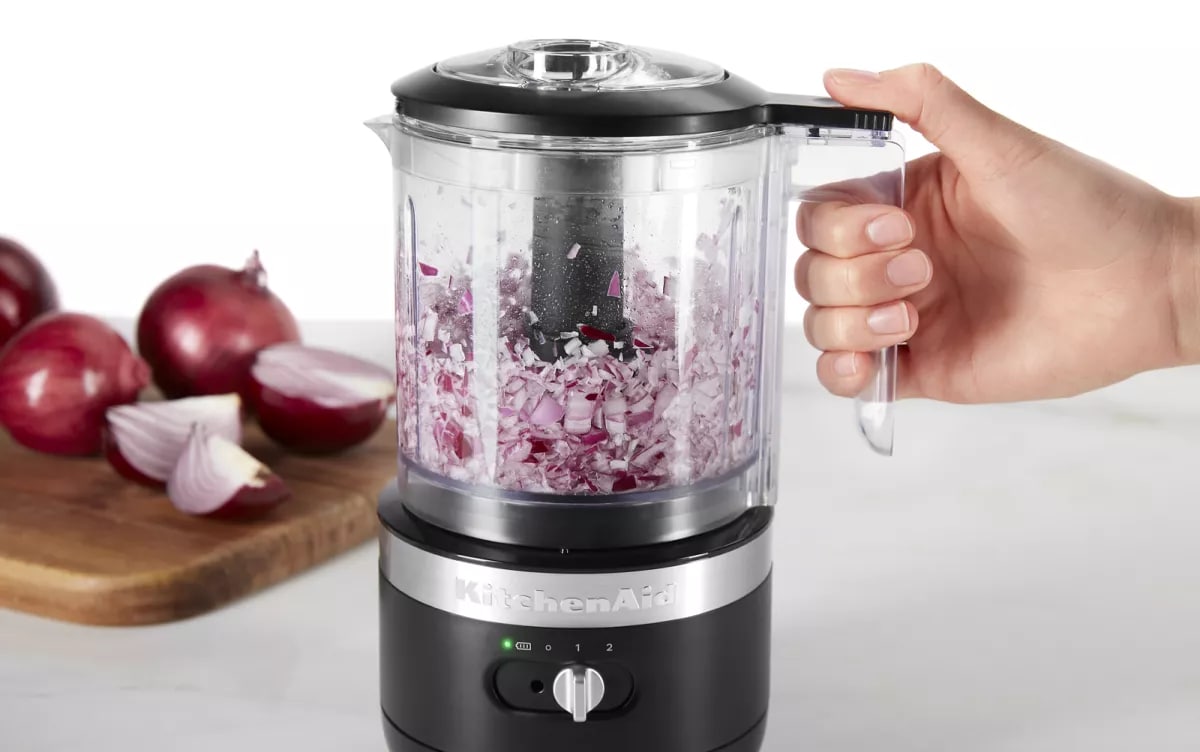
- Use the same pulse length for all food
- Stop and stir if pieces stick together
Credit: www.kitchenaid.ca
Maintaining And Cleaning Your Chopper
Keeping your food chopper clean and well maintained helps it work better. You can avoid damage and keep it safe to use.
Regular care also makes your chopper last longer. Let’s look at how to clean and store it properly.
Safe Cleaning Methods
Always unplug your chopper before cleaning. Remove all parts that can come off, like blades and containers.
Wash the removable parts with warm soapy water. Use a soft brush to clean small areas carefully.
- Do not soak the motor base in water
- Wipe the motor base with a damp cloth
- Dry all parts completely before reassembling
Preventing Blade Dullness
Sharp blades make chopping easier and safer. Avoid cutting very hard items that can damage the blades.
Clean blades gently to keep them sharp. Avoid using rough materials or harsh chemicals on blades.
- Use the chopper only for vegetables, fruits, and soft nuts
- Hand wash blades carefully, do not use a dishwasher
- Dry blades immediately to prevent rust
Storing For Longevity
Store your food chopper in a dry place. Keep all parts together to avoid losing anything.
Cover the blades or store them in a safe container. This prevents injury and protects the blades from damage.
- Keep the chopper away from heat and moisture
- Store blades separately if possible, in a protective case
- Make sure the chopper is fully dry before storing
Creative Uses For A Food Chopper
A food chopper is a handy kitchen tool. It does more than just chop vegetables. You can use it in many creative ways to save time and add flavor.
Here are some ideas to help you get the most out of your food chopper beyond the usual tasks.
Beyond Vegetables: Nuts And Herbs
Use your food chopper to chop nuts for baking or salads. It can also finely chop fresh herbs to add to dishes or garnishes. Chopping herbs this way keeps their flavor fresh and bright.
- Chop almonds, walnuts, or pecans for desserts or toppings
- Mince fresh basil, parsley, cilantro, or mint quickly
- Mix chopped herbs into butter or cream cheese for spreads
Crafting Homemade Sauces
A food chopper can blend ingredients for sauces. You can make fresh pesto, salsa, or salad dressings fast. The chopper helps mix herbs, nuts, oils, and spices evenly.
| Sauce | Main Ingredients | Tips |
| Pesto | Basil, pine nuts, garlic, olive oil | Chop nuts first for better texture |
| Salsa | Tomatoes, onion, cilantro, lime | Use pulse mode for chunkier salsa |
| Salad Dressing | Olive oil, vinegar, mustard, herbs | Blend until smooth for best flavor |
Innovative Meal Prep Ideas
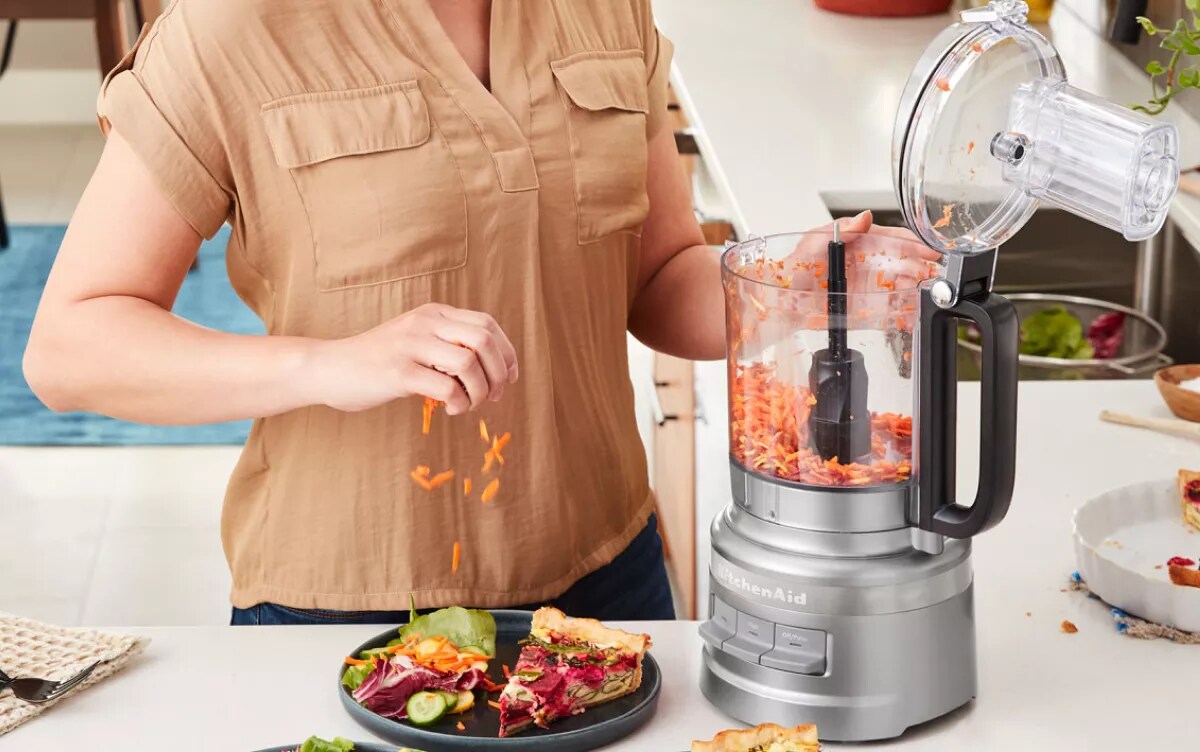
Food choppers can speed up meal prep. Chop ingredients for soups, stews, or meatballs in minutes. You can also use it to prepare breadcrumbs or shred cheese.
- Chop onions, garlic, and peppers for quick cooking
- Grind stale bread into breadcrumbs for coating
- Shred cheese for tacos or salads
- Mix ground meat with spices for meatballs or patties
Credit: www.kitchenaid.com
Troubleshooting Common Issues
Food choppers save time in the kitchen but can face some common problems. Knowing how to fix these issues keeps your chopper working well.
This guide covers dealing with jams, fixing uneven chops, and knowing when to replace parts.
Dealing With Jams And Sticking
Jams happen when food pieces get stuck between the blades or container. This stops the chopper from working smoothly.
- Turn off and unplug the chopper before cleaning.
- Open the container and remove any stuck food gently.
- Check for hard pieces like seeds or stems that block the blades.
- Clean blades and container after each use to avoid build-up.
- Do not overload the chopper; cut large items into smaller pieces first.
Fixing Uneven Chops
Uneven chopping makes food pieces different sizes. This can affect cooking time and texture.
| Cause | Fix |
|---|---|
| Overfilled container | Chop smaller amounts at a time. |
| Dull blades | Sharpen or replace blades. |
| Improper chopping time | Pulse in short bursts instead of long runs. |
| Uneven food pieces | Cut food into similar sizes before chopping. |
When To Replace Parts
Replacing parts keeps your food chopper safe and effective. Watch for signs that parts need changing.
- Blades become dull, bent, or damaged.
- Container cracks or leaks.
- Lid locking mechanism stops working.
- Motor sounds unusual or loses power.
- Seals or gaskets wear out and cause leaks.
Frequently Asked Questions
How Do I Safely Use A Food Chopper?
Always read the manual before use. Keep fingers away from blades. Use the lid securely. Chop small pieces for even results.
What Foods Work Best In A Food Chopper?
Vegetables, fruits, nuts, and herbs chop well. Avoid overly hard items like whole ice cubes or bones.
How Do I Clean My Food Chopper Effectively?
Disassemble parts after use. Wash blades carefully with warm, soapy water. Dry all pieces thoroughly before reassembling.
Can A Food Chopper Replace A Food Processor?
A food chopper is smaller and simpler. It’s ideal for quick chopping but lacks processing versatility.
Conclusion
A food chopper saves time and effort in the kitchen. It helps you cut vegetables and fruits quickly and evenly. Always use it carefully to avoid accidents. Clean it right after use to keep it working well. Practice with small amounts first to get comfortable.
Enjoy cooking with less mess and less stress. Your meals will look better and taste fresher. A good food chopper makes cooking easier every day. Try these tips to get the best results. Cooking can be simple and fun.