
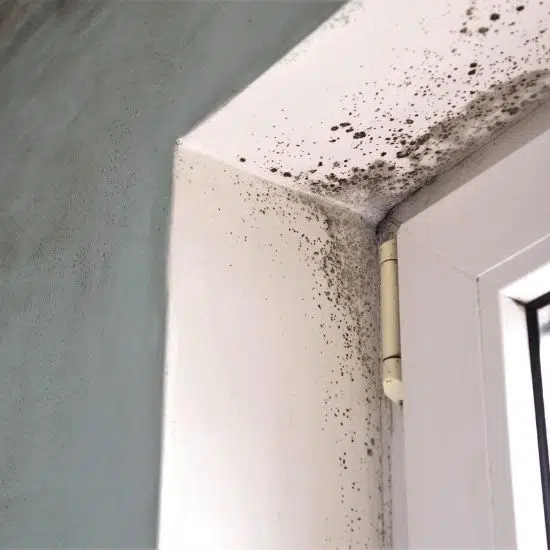
Is your ceiling showing dark spots that just won’t go away? That’s mold, and it can be more than just an eyesore.
Mold on your ceiling can affect your health and damage your home if left unchecked. But don’t worry—you can clean it up safely and effectively. You’ll learn simple, step-by-step ways to get rid of ceiling mold for good. Keep reading to protect your home and breathe easier starting today.

Credit: www.asaprestoration247.com
Identifying Mold On Ceilings
Mold on ceilings can cause health problems and damage your home. It grows in damp, dark places. Recognizing mold early helps you clean it fast.
This guide helps you spot mold and understand what causes it. You will learn common signs of mold and where it usually comes from.
Common Signs Of Mold
Mold shows up in different ways on ceilings. Look for these signs to find mold early.
- Dark spots or patches that look fuzzy or slimy
- Musty or damp smell in the room
- Peeling or bubbling paint or wallpaper
- Water stains or discoloration on the ceiling
- Allergy symptoms like sneezing or coughing indoors
Causes And Sources
Mold grows where moisture stays for a long time. Understanding the causes helps stop mold from coming back.
| Cause | Description | How to Prevent |
| Leaky Roof | Water seeps through damaged roofing materials | Fix leaks and check roof regularly |
| Poor Ventilation | Air does not flow well, causing dampness | Use fans and open windows |
| High Humidity | Moist air encourages mold growth | Use dehumidifiers to lower moisture |
| Condensation | Water forms on cold ceiling surfaces | Insulate ceilings and pipes |

Credit: www.moldremovalexpress.com
Preparing For Mold Removal
Cleaning ceiling mold needs careful preparation. This helps keep you safe and removes mold properly.
Before starting, gather the right tools and take safety steps. This makes the job easier and safer.
Safety Gear And Precautions
Wear safety gear to protect your skin, eyes, and lungs from mold spores. Mold can cause allergies or breathing problems.
Use a mask, gloves, and goggles. Also, open windows to keep air flowing and reduce mold exposure.
- Wear an N95 mask or respirator
- Put on rubber or latex gloves
- Use safety goggles to protect eyes
- Wear long sleeves and pants
- Ventilate the room well
Gathering Necessary Supplies
Collect all supplies before you start cleaning. This saves time and helps the process go smoothly.
Use cleaning products that remove mold safely. Have tools ready to reach and scrub the ceiling.
- Plastic bags for moldy materials
- Spray bottle with water or mold cleaner
- Soft brush or sponge for scrubbing
- Bucket with warm water and detergent
- Step ladder to reach the ceiling
- Rags or towels for drying
Effective Cleaning Solutions
Ceiling mold can cause health issues and damage your home. Cleaning it safely is important.
There are natural and commercial options to remove mold. Choose what works best for you.
Natural Remedies
Natural remedies use common household items to clean mold without harsh chemicals.
- White vinegar: Spray directly on mold and let sit for one hour before wiping.
- Baking soda: Mix with water to form paste, apply, then scrub gently.
- Tea tree oil: Add a few drops to water, spray, and wipe after 30 minutes.
- Hydrogen peroxide: Use 3% solution, spray on mold, wait 10 minutes, then clean.
Commercial Products
Commercial products are made to kill mold quickly and prevent its return.
| Product Type | Use Instructions | Safety Tips |
| Bleach-based cleaners | Dilute with water, apply to mold, rinse after 15 minutes | Wear gloves and ensure good ventilation |
| Anti-mold sprays | Spray on affected area, wait as directed, wipe clean | Follow label directions carefully |
| Foam cleaners | Apply foam to mold, let sit, scrub if needed, rinse | Avoid contact with skin and eyes |
Step-by-step Cleaning Process
Ceiling mold can cause health problems and damage your home. Cleaning it quickly and safely is important.
This guide shows how to clean ceiling mold with simple steps. Follow each part carefully for best results.
Initial Surface Cleaning
Start by removing loose mold and dirt from the ceiling. This helps the cleaner work better.
Use a soft brush or cloth to gently wipe the moldy area. Avoid scrubbing too hard to not spread mold spores.
- Wear gloves and a mask to protect yourself
- Use a dry brush or cloth for wiping
- Work in small sections for better control
- Dispose of used materials carefully
Deep Cleaning Techniques
After surface cleaning, apply a mold cleaner to kill mold spores deeply. Use a solution that is safe for ceilings.
Common cleaners include diluted bleach or commercial mold removers. Always follow the product instructions.
- Mix one cup of bleach with one gallon of water
- Apply the solution with a spray bottle or sponge
- Let it sit for 10 to 15 minutes
- Rinse the area with clean water
- Use a clean cloth to wipe the surface dry
Drying And Ventilation
Dry the ceiling fully to stop mold from returning. Moisture helps mold grow fast.
Improve ventilation by opening windows or using fans. This lowers humidity in the room.
- Use a dehumidifier if the room is damp
- Run fans to increase air flow
- Keep windows open during and after cleaning
- Check the ceiling for damp spots regularly
Preventing Future Mold Growth
Cleaning ceiling mold is important, but stopping it from coming back is better. Mold grows in damp, dark places. You can prevent future mold by keeping your ceiling dry and clean.
Good air flow and regular checks help stop mold growth. Follow simple steps to protect your home and health.
Improving Ventilation
Ventilation helps remove moisture from the air. Moist air makes mold grow on your ceiling. Open windows and doors to let fresh air in.
Use fans or vents in rooms where moisture builds up. Bathrooms and kitchens need good airflow to stay dry.
- Open windows daily to let air circulate
- Use exhaust fans in bathrooms and kitchens
- Keep vents clean and unblocked
- Use a dehumidifier if your home is very humid
Regular Maintenance Tips
Check your ceiling often for signs of mold or moisture. Early action stops mold from spreading. Clean small spots quickly using mild soap and water.
Fix leaks in the roof or pipes right away. Dry wet areas fast to keep mold away. Keep your home dry and clean to avoid mold problems.
- Inspect ceilings monthly for mold or water stains
- Repair leaks and water damage immediately
- Wipe down damp areas to keep them dry
- Keep gutters clean to prevent water buildup

Credit: www.familyhandyman.com
When To Call Professionals
Ceiling mold can be a tricky problem to handle. Sometimes, cleaning it yourself is fine. Other times, you need expert help.
Knowing when to call professionals can protect your health and your home. This guide explains when to get help and why it matters.
Identifying Severe Cases
Not all mold problems are easy to fix. Some signs show that the issue is serious and needs expert care.
- Mold covers a large area, more than 10 square feet.
- Ceiling shows water damage or leaks.
- Strong mold smell lasts even after cleaning.
- Family members have allergy or breathing problems.
- Repeated mold growth happens after cleaning.
- Mold is black or dark green and looks fuzzy.
If you see these signs, professionals can safely assess and remove the mold.
Cost And Benefits Of Professional Help
Hiring mold removal experts costs more than DIY cleaning. But it brings important benefits for your home and health.
| Factor | DIY Cleaning | Professional Help |
| Cost | Low to moderate | Moderate to high |
| Safety | Risk of exposure | Proper protective gear |
| Effectiveness | May miss mold | Thorough removal |
| Time | Several hours | Faster cleanup |
| Long-term results | Possible regrowth | Less chance of return |
Professionals use special tools and cleaners. They find hidden mold and fix causes like leaks. This stops mold from coming back.
Frequently Asked Questions
How Do I Remove Mold From The Ceiling Safely?
To remove ceiling mold safely, wear gloves and a mask. Use a mixture of water and detergent or a mold cleaner. Gently scrub the area, rinse, and dry thoroughly to prevent mold from returning. Ensure proper ventilation during the process.
What Household Products Kill Ceiling Mold Effectively?
Household products like white vinegar, hydrogen peroxide, and baking soda effectively kill ceiling mold. Vinegar disrupts mold growth, hydrogen peroxide disinfects, and baking soda absorbs moisture. Always test a small area first and use these products with proper ventilation.
Can Ceiling Mold Cause Health Problems?
Yes, ceiling mold can cause health issues like allergies, respiratory problems, and skin irritation. People with asthma or weakened immune systems are more vulnerable. Removing mold promptly and controlling moisture helps reduce health risks.
How Can I Prevent Mold From Returning On Ceilings?
To prevent mold, control humidity levels below 60% and fix leaks immediately. Use exhaust fans in bathrooms and kitchens. Regularly clean ceilings and improve ventilation. These steps reduce moisture, stopping mold growth effectively.
Conclusion
Cleaning ceiling mold protects your home and health. Act quickly to stop mold growth. Use safe cleaning products and wear gloves. Keep your ceiling dry and well-ventilated. Check for leaks or moisture sources often. Regular cleaning helps prevent mold from returning.
A clean ceiling keeps your space fresh and safe. Small efforts make a big difference over time. Stay consistent and watch your home stay mold-free.