
Your kitchen exhaust hood works hard to keep your cooking area fresh and smoke-free. But over time, grease and grime build up, making it less effective and even risky.
If you’ve been wondering how to clean your kitchen exhaust hood quickly and safely, you’re in the right place. You’ll discover simple steps that save you time and protect your home. Keep reading to learn how to make your kitchen hood spotless and working like new again.
Preparation And Safety
Cleaning your kitchen exhaust hood keeps your kitchen safe and fresh. Proper preparation and safety help avoid accidents and make cleaning easier.
Follow these steps to prepare well and protect yourself during the cleaning process.
Gather Necessary Supplies
Collect all cleaning tools and products before you start. This saves time and ensures you have everything needed.
- Dish soap or degreaser
- Hot water
- Scrubbing sponge or brush
- Cleaning cloths or rags
- Protective gloves
- Step ladder or sturdy stool
- Trash bag for debris
Ensure Proper Ventilation
Good airflow helps remove strong smells and fumes from cleaning products. Open windows and doors before you begin.
| Area | Ventilation Tips |
|---|---|
| Kitchen Window | Open wide to allow fresh air |
| Exhaust Fan | Turn on to increase air flow |
| Doors | Keep open to create cross-ventilation |
Safety Precautions
Protect yourself from injuries and exposure to harmful chemicals by following these safety rules.
- Wear gloves to protect your hands
- Use eye protection if splashing is possible
- Turn off power to the exhaust hood before cleaning
- Do not mix cleaning chemicals
- Use a stable ladder or stool for reaching high areas
- Dispose of grease and debris safely

Credit: vattimalaysia.com
Initial Cleaning Steps
Cleaning a kitchen exhaust hood keeps your kitchen safe and fresh. Start by preparing your tools and cleaning space.
Wear gloves and have cleaning supplies ready. This helps remove grease and dirt easily.
Remove Filters
Turn off the power to the exhaust hood before removing filters. This ensures safety during cleaning.
Take out the filters carefully. These parts catch most grease and need thorough cleaning.
- Lift the filters gently from their slots
- Place them in a sink or large basin
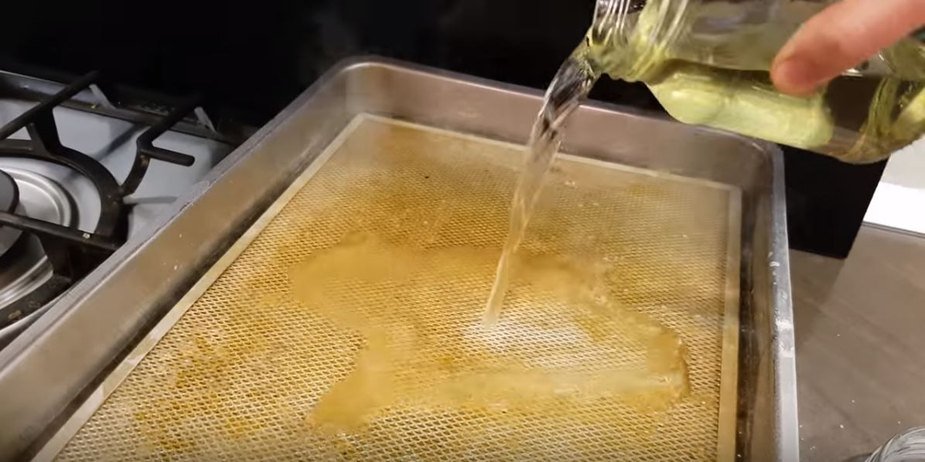
- Use hot water and degreaser to soak filters
- Scrub with a soft brush to remove stuck grease
- Rinse filters well and let them dry
Dispose Of Loose Debris
Check the exhaust hood for any loose dirt or grease flakes. Removing debris stops buildup and fire risks.
Use a cloth or paper towels to wipe away loose debris carefully. Dispose of it in a trash bag.
- Wipe inside and outside surfaces of the hood
- Collect grease flakes and dust carefully
- Seal the trash bag tightly
- Clean your tools after use
Deep Cleaning The Hood
Cleaning your kitchen exhaust hood helps remove grease and dirt. Deep cleaning keeps your kitchen safe and fresh.
Focus on both the outside and inside parts. This guide shows how to clean each area properly.
Cleaning The Exterior
Start by wiping the hood’s outside surface. Use warm, soapy water and a soft cloth.
Remove grease and fingerprints to make it shine. Avoid harsh chemicals that can damage the finish.
- Turn off the power before cleaning
- Use mild detergent and water
- Wipe with a soft cloth or sponge
- Dry with a clean towel to avoid streaks
- Clean regularly to prevent buildup
Cleaning The Interior
Remove the filters before cleaning inside the hood. Soak filters in hot, soapy water to loosen grease.
Scrub the interior walls and fan blades gently with a degreaser. Rinse well to remove all cleaning agents.
- Unplug the hood for safety
- Take out and soak filters in hot water
- Use a degreaser on the inside surfaces
- Scrub with a soft brush or cloth
- Rinse and dry all parts before reassembly

Credit: www.reddit.com
Cleaning And Degreasing Filters
Kitchen exhaust hood filters catch grease and dirt while you cook. Cleaning them often helps keep your kitchen safe and fresh.
Proper cleaning removes grease build-up. This keeps the hood working well and prevents fire risks.
Soak Filters In Cleaning Solution
Fill a large container with hot water. Add a strong degreasing cleaner to the water. Mix it well to make the solution.
Place the filters in the solution. Let them soak for 15 to 30 minutes. This loosens the grease stuck on the filters.
- Use hot water for better cleaning
- Choose a cleaner made for kitchen grease
- Soak filters long enough to break down grease
Scrub And Rinse Thoroughly
After soaking, use a soft brush to scrub the filters. Focus on areas with heavy grease. Be careful not to damage the filter.
Rinse the filters with clean water. Make sure all cleaner and grease are washed away. Let the filters dry completely before reinstalling.
- Use gentle scrubbing tools
- Rinse with warm water to remove all soap
- Dry filters fully to prevent rust
Reassembling And Final Touches
After cleaning your kitchen exhaust hood, it is time to put everything back. Proper reassembly keeps your hood working well.
Final touches make your kitchen exhaust hood look clean and shiny again. Follow these simple steps.
Dry And Reinstall Filters
Make sure the filters are completely dry before putting them back. Moisture can cause rust or damage.
Place the filters carefully in their original slots. Secure them tightly to avoid any gaps.
- Use a clean towel to dry filters well
- Check for any damage before reinstalling
- Insert filters the same way you removed them
- Lock or clip filters securely in place
Polish For A Sparkling Finish
Wipe the hood surface with a soft cloth to remove streaks. Use a gentle cleaner suitable for metal surfaces.
Polishing gives your exhaust hood a fresh and bright look. It also helps protect the surface from stains.
- Use microfiber cloths for polishing
- Apply a small amount of polish or cleaner
- Buff in circular motions until shiny
- Clean handles and buttons carefully

Credit: www.express.co.uk
Regular Maintenance Tips
Keeping your kitchen exhaust hood clean helps it work well and lasts longer.
Regular cleaning removes grease and dust that build up over time.
Weekly Cleaning Routine
Clean the surface and filters every week to stop grease from piling up.
- Turn off power before cleaning
- Remove and soak filters in hot soapy water
- Scrub filters gently with a brush
- Wipe hood exterior with a mild cleaner
- Dry filters completely before reinstalling
Monthly Deep Clean
Do a deep clean once a month to clear hidden grease and dirt.
| Task | Details |
| Remove Filters | Take out all filters and clean thoroughly |
| Clean Fan Blades | Use degreaser and a cloth to clean blades carefully |
| Wipe Interior | Clean inside hood with a grease-cutting solution |
| Check Lights | Make sure lights work and replace if needed |
| Reassemble | Put all parts back only after they are fully dry |
Frequently Asked Questions
How Often Should I Clean My Kitchen Exhaust Hood?
Clean your kitchen exhaust hood every 1 to 3 months. Frequent cleaning prevents grease buildup and fire hazards. If you cook daily or fry often, clean it more frequently. Regular cleaning ensures efficient ventilation and extends your hood’s lifespan.
What Materials Do I Need To Clean The Exhaust Hood?
Use warm water, degreaser or dish soap, a soft cloth, sponge, and a brush. Avoid abrasive cleaners that damage surfaces. For tough grease, use a baking soda paste. Proper tools help clean without scratching or harming your hood.
Can I Clean The Exhaust Hood Filters Myself?
Yes, most filters are removable and dishwasher-safe. Soak filters in hot soapy water if hand-washing. Clean filters remove grease and improve airflow. Regularly cleaning filters keeps your kitchen safe and your hood working efficiently.
Is It Safe To Use Chemical Cleaners On Exhaust Hoods?
Use mild, non-toxic cleaners to avoid damaging the hood. Harsh chemicals can corrode metal parts and harm your health. Always follow manufacturer instructions for cleaning products. Natural alternatives like vinegar and baking soda are effective and safe.
Conclusion
Keeping your kitchen exhaust hood clean helps your kitchen stay safe and fresh. Regular cleaning stops grease buildup and bad smells. It also makes your hood work better and last longer. Use simple tools and safe cleaners for easy cleaning.
Set a schedule to clean often. Clean hoods protect your home from fire risks. Small efforts lead to big benefits. A clean kitchen feels nicer and works well. Start today, and keep your kitchen safe and clean.