
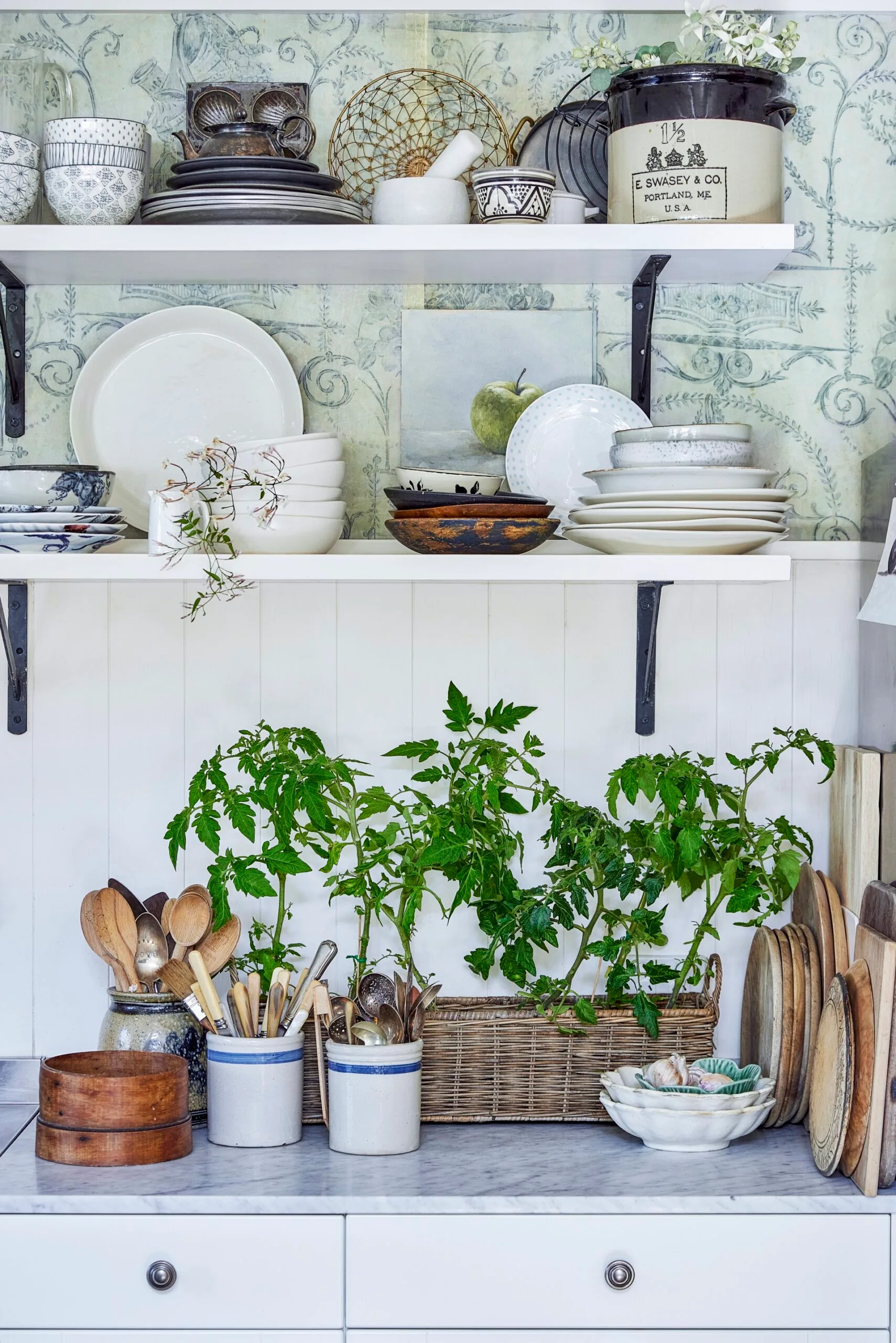
Imagine stepping into your kitchen and instantly feeling a fresh, vibrant energy. Adding plants to your kitchen isn’t just about decoration—it can transform the whole space, making it more inviting and alive.
You might think decorating with plants is tricky or time-consuming, but it’s easier than you expect. You’ll discover simple, effective ways to bring greenery into your kitchen that fit your style and routine. Ready to turn your kitchen into a lively, refreshing spot?
Let’s dive in and explore how to decorate with kitchen plants the right way.

Credit: www.youtube.com
Choosing The Right Plants
Adding plants to your kitchen brings life and color to the space. Picking the right plants helps them grow well and look great.
Think about light, space, and care needs before choosing plants. This guide helps you find the best plants for your kitchen.
Best Plants For Low Light
Many kitchens have areas with little sunlight. Choose plants that do well in low light to keep your kitchen green and fresh.
Plants that grow in low light need less care and can survive in shady corners or away from windows.
- Snake Plant (Sansevieria)
- ZZ Plant (Zamioculcas zamiifolia)
- Pothos (Epipremnum aureum)
- Spider Plant (Chlorophytum comosum)
- Philodendron
Herbs For Sunny Windowsills
Sunny windowsills are perfect for growing herbs. They add fresh flavors for cooking and smell nice in your kitchen.
Herbs need bright light to grow healthy and strong. Choose herbs that you often use in your meals.
- Basil
- Rosemary
- Thyme
- Mint
- Parsley
Air-purifying Options
Some kitchen plants clean the air by removing toxins. They make your kitchen healthier and fresher.
Choose air-purifying plants that are easy to care for and fit your kitchen style.
- Peace Lily (Spathiphyllum)
- English Ivy (Hedera helix)
- Bamboo Palm (Chamaedorea seifrizii)
- Rubber Plant (Ficus elastica)
- Aloe Vera
Creative Placement Ideas
Plants add life and freshness to your kitchen space. Choosing the right spot can make them stand out.
Here are some creative ways to place kitchen plants to brighten your cooking area.
Hanging Planters
Hanging planters save counter space and create a natural decor look. Use hooks or ceiling mounts to hang them.
- Place near a window for good light
- Use macrame hangers for a stylish touch
- Choose trailing plants like pothos or ivy
- Group several small planters together
Window Ledges And Sills
Window ledges make perfect spots for plants that need sunlight. Herbs and succulents work well here.
| Plant Type | Light Needs | Care Tips |
| Basil | Bright light | Water regularly, avoid cold drafts |
| Aloe Vera | Direct sunlight | Water sparingly, well-drained soil |
| Mint | Indirect light | Keep soil moist, trim often |
Countertop Arrangements
Plants on the countertop add color and freshness near your cooking tools. Choose pots that match your kitchen style.
Try this simple arrangement:
- Place a small herb pot near the stove for easy access
- Use a decorative tray to hold multiple plants
- Mix plant heights and types for visual interest
- Keep plants away from water spills to avoid damage
Incorporating Vertical Gardens
Vertical gardens are a great way to add plants to your kitchen. They save space and bring fresh air inside.
Using vertical gardens lets you grow herbs, small vegetables, or decorative plants. This makes your kitchen lively and green.
Wall-mounted Planters
Wall-mounted planters are perfect for kitchens with limited counter space. They keep plants within reach for cooking and decoration.
You can choose different sizes and styles to fit your kitchen walls. Use materials like wood, metal, or plastic for durability.
- Place herbs like basil and parsley for easy access
- Use small pots or pockets to hold multiple plants
- Mount near windows for better sunlight
Diy Vertical Garden Projects
Creating your own vertical garden can be fun and affordable. Use simple materials to build a unique plant display.
Old pallets, shoe organizers, or hanging shoe racks make good bases. Add soil and plants to bring them to life.
- Recycle wooden pallets by adding pots or planting directly
- Hang shoe organizers on walls for small plant pockets
- Use sturdy hooks to secure hanging plant holders
Space-saving Tips
Save kitchen space by choosing vertical garden options that fit your area. Look for slim or stackable designs.
Keep plants off counters to free room for cooking. Use corners or spots above cabinets for extra green space.
- Use narrow shelves to hold several plants vertically
- Hang plants from ceiling hooks to save floor and counter space
- Group plants to create a green wall without clutter
Using Planters As Decor
Adding plants to your kitchen brings life and freshness. Planters can also serve as stylish decor pieces.
Choosing the right pots helps blend plants with your kitchen design. This makes your space look more inviting.
Choosing Stylish Pots
Select pots that fit your kitchen’s style. Look for shapes and materials that add charm and interest.
Ceramic, terracotta, and metal pots work well in kitchens. Their styles range from rustic to modern.
- Ceramic pots offer a smooth, colorful finish
- Terracotta pots provide a warm, earthy look
- Metal pots add a sleek, industrial touch
- Wooden pots bring natural warmth
Coordinating Colors And Textures
Match planter colors with your kitchen palette. This creates a balanced and pleasing look.
Mix textures like smooth, rough, and glossy to add depth. This makes your kitchen plants more interesting.
- Use neutral pots for a calm, subtle effect
- Bright pots can add a pop of color
- Glossy pots reflect light and brighten space
- Matte pots provide a soft, understated feel
Mixing And Matching Styles
Combine different planter styles for a creative look. This adds character without cluttering your kitchen.
Try pairing vintage pots with modern ones. Use different sizes and shapes for visual interest.
- Pair tall pots with short ones
- Mix round and square shapes
- Use pots with different patterns
- Balance colors across the group
Caring For Your Kitchen Plants
Kitchen plants brighten your space and improve air quality. They need simple care to grow healthy and strong.
Knowing how to water, feed, and check your plants helps keep them happy. Small changes make a big difference.
Watering And Feeding Tips
Water kitchen plants regularly but avoid overwatering. Most plants like soil to dry a bit before watering again.
Use a balanced fertilizer every few weeks during the growing season. This helps plants get the nutrients they need.
- Check soil moisture with your finger before watering
- Water until it drains from the pot’s bottom
- Feed plants with a liquid fertilizer diluted to half strength
- Reduce feeding in winter when growth slows down
Managing Humidity Levels
Many kitchen plants like moderate humidity. Dry air can cause leaves to brown or drop.
Increase humidity by misting plants or placing a tray of water nearby. Grouping plants also helps keep the air moist.
- Spray leaves lightly with water once a day
- Use a shallow tray filled with pebbles and water under pots
- Keep plants away from heaters or vents that dry air
- Cluster plants together to create a humid microclimate
Recognizing Plant Health Signs
Look at leaves and stems to check plant health. Yellow or brown leaves show stress or care problems.
Spotting issues early helps fix problems quickly. Healthy plants have bright green leaves and firm stems.
- Yellow leaves may mean overwatering or poor light
- Brown leaf tips often show low humidity or underwatering
- Wilting leaves can signal root problems or lack of water
- Check for pests like small bugs or sticky residue on leaves
:max_bytes(150000):strip_icc()/open-kitchen-shelving-wood-wall-103130722-ee07c5de3d67424a94b1582e0eb4188a-07283f2a7eb744e9ac74735e8ce04bef.jpg)
Credit: www.realsimple.com
Incorporating Edible Plants
Adding edible plants to your kitchen decor brings fresh flavors and natural beauty.
These plants can grow in small pots and add life to your cooking space.
Growing Herbs And Spices
Herbs and spices are easy to grow indoors and brighten your kitchen.
- Basil thrives on sunny windowsills and smells great.
- Mint grows well in pots and adds fresh taste to drinks.
- Rosemary needs good light and can be clipped for meals.
- Thyme grows slowly but is perfect for many recipes.
Edible Flowers And Greens
Edible flowers and greens add color and nutrition to your dishes.
| Plant | Light Needs | Use |
| Chive Blossoms | Full Sun | Garnish salads and soups |
| Calendula | Partial Shade | Salads and teas |
| Spinach | Partial Shade | Cooked or raw greens |
| Arugula | Full Sun | Salads and sandwiches |
Harvesting And Using In Cooking
Pick your plants carefully to keep them growing strong.
- Use scissors to cut herbs early in the day.
- Harvest flowers before they fully open for best taste.
- Wash greens gently to remove dirt and bugs.
- Add fresh plants to salads, soups, or as garnishes.
- Store extras in the fridge to keep them fresh longer.

Credit: www.reddit.com
Frequently Asked Questions
What Are The Best Kitchen Plants For Decoration?
Herbs like basil, mint, and rosemary are great kitchen plants. They add greenery and fresh scents. Small succulents and spider plants also work well for decoration.
How To Place Kitchen Plants For Best Effect?
Place kitchen plants near windows for sunlight. Use hanging pots or shelves to save counter space. Group plants for a lush, cohesive look.
Can Kitchen Plants Improve Air Quality?
Yes, kitchen plants like aloe vera and spider plants purify air. They absorb toxins and release oxygen, making your kitchen healthier.
How Often Should Kitchen Plants Be Watered?
Water kitchen plants once or twice a week. Check soil moisture before watering. Avoid overwatering to prevent root rot.
Conclusion
Adding plants to your kitchen brings life and freshness. They brighten the space and improve air quality. Choose easy-care plants that fit your style and kitchen size. Small pots on windowsills or hanging plants work well. Don’t forget to water and give them enough light.
Greenery makes cooking more enjoyable and inviting. Start with one or two plants and see how they change your kitchen. Simple steps create a warm and natural kitchen atmosphere. Enjoy the calm and beauty plants bring every day.