
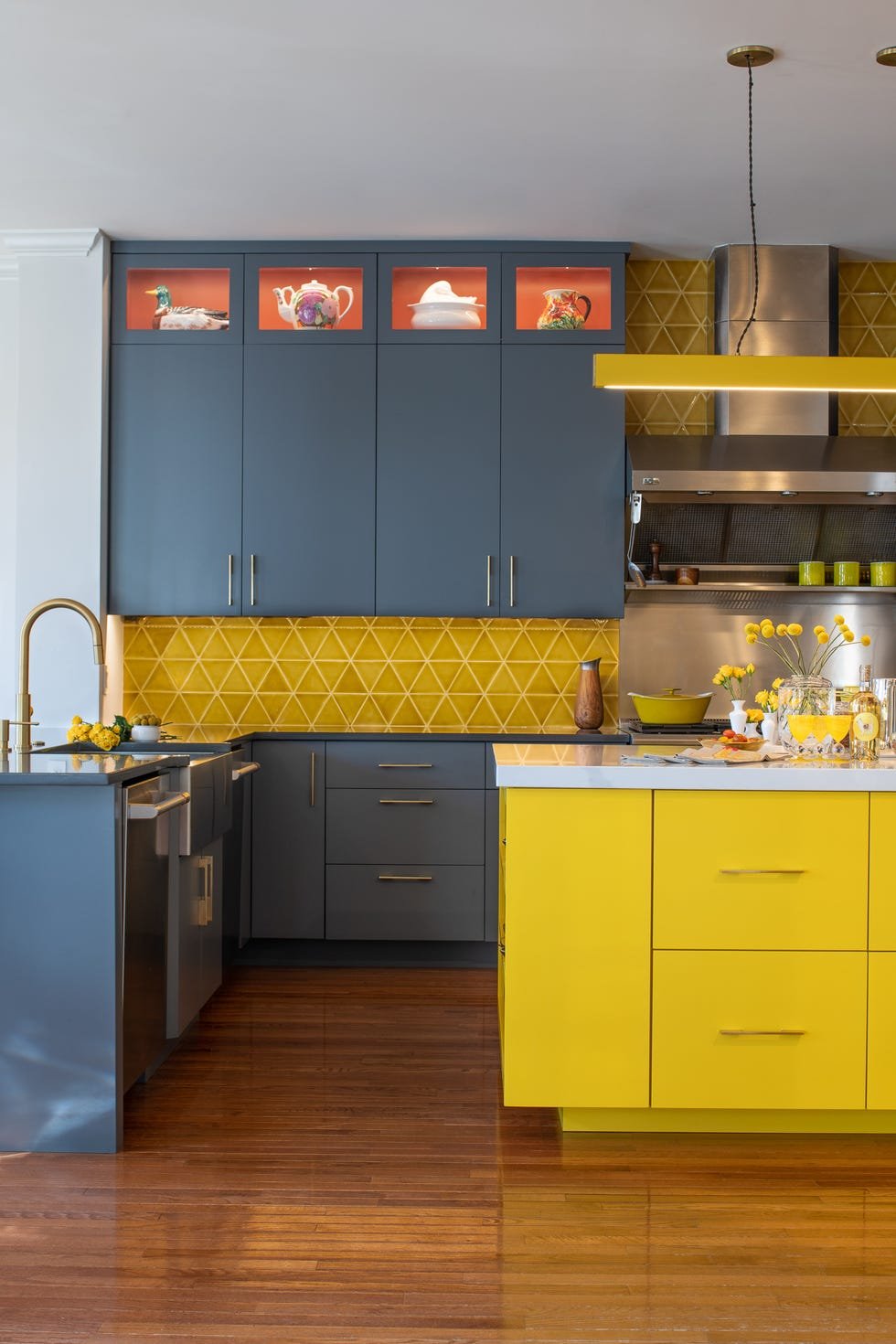
Are you ready to transform your kitchen into a space that feels fresh, inviting, and truly yours? Choosing the right color palette can make all the difference.
The colors you pick don’t just set the mood—they can make your kitchen look bigger, brighter, and more modern. Whether you want calm and cozy or bold and vibrant, the perfect palette is waiting for you. Keep reading to discover easy tips that will help you create a stunning kitchen color scheme that matches your style and brings your space to life.
Your dream kitchen is closer than you think!

Credit: www.houselogic.com
Choosing The Right Base Color
The base color sets the mood for your kitchen. It creates the main background for other colors.
Picking the right base color helps your kitchen feel cozy and inviting. It also makes decorating easier.
Neutral Shades For Versatility
Neutral colors like white, beige, and gray work with many styles. They keep the kitchen looking clean and fresh.
These colors give you freedom to add bright or dark accents later. Neutrals also make small spaces look bigger.
- White makes the kitchen bright and airy
- Beige adds warmth without overwhelming
- Gray creates a modern and calm atmosphere
Bold Hues For Impact
Strong colors like navy, emerald, or deep red bring energy to your kitchen. They make a big statement.
Bold hues work well in large kitchens or with lots of natural light. Use them as the main color or on cabinets.
- Navy blue adds depth and elegance
- Emerald green feels fresh and natural
- Deep red gives a warm and cozy look
Pastels For Softness
Soft colors like mint, blush, and light blue create a gentle, calming kitchen space. They feel fresh and modern.
Pastels work well in small kitchens or open layouts. They pair nicely with white or wood tones for balance.
- Mint green adds a cool, refreshing touch
- Blush pink brings warmth without boldness
- Light blue creates a peaceful environment

Credit: georgeconstructions.com
Incorporating Accent Colors
Accent colors can bring life to a modern kitchen. They add personality and style.
Choosing the right accent colors helps create a balanced and inviting space.
Creating Contrast With Dark Accents
Dark accents add depth and drama to a kitchen color palette. Use them to highlight features.
- Black cabinet handles create a sharp look.
- Dark countertops provide a strong base.
- Navy blue walls add calm contrast.
- Charcoal tiles ground lighter colors.
Using Metallics For A Modern Touch
Metallic finishes add shine and elegance. They catch the eye without overpowering the room.
| Metallic Type | Common Uses |
| Brushed Nickel | Faucets and cabinet pulls |
| Matte Gold | Light fixtures and accents |
| Stainless Steel | Appliances and hardware |
| Copper | Sinks and decorative items |
Adding Pops Of Vibrant Colors
Bright colors energize a kitchen and create focal points. Use them sparingly for best effect.
Try these ideas to add vibrant accents:
- Red bar stools for a bold statement
- Yellow backsplash tiles for warmth
- Turquoise small appliances for a fresh look
- Orange kitchen towels to brighten counters
Trendy Color Combinations
Choosing the right colors can change the feel of a modern kitchen. Colors set the mood and style.
Here are some popular color combos to inspire your kitchen design. Each style works well for different tastes.
Monochromatic Schemes
Monochromatic schemes use different shades of one color. This creates a calm and sleek look.
For example, shades of gray or blue can make your kitchen feel modern and clean.
Complementary Pairings
Complementary colors sit opposite each other on the color wheel. They create bold and lively spaces.
- Blue and orange add energy and warmth.
- Green and red bring a festive and fresh feel.
- Yellow and purple offer a unique and bright contrast.
Analogous Blends
Analogous colors are next to each other on the wheel. They make smooth, harmonious designs.
| Color 1 | Color 2 | Color 3 |
| Blue | Teal | Green |
| Red | Orange | Yellow |
| Purple | Magenta | Pink |
:max_bytes(150000):strip_icc()/GettyImages-1648288633-b274a52a3b414606b8837cf39b4e70be.jpg)
Credit: www.thespruce.com
Influence Of Lighting On Colors
Lighting changes how colors look in a kitchen. It can make colors seem brighter or duller. Choosing the right lighting helps your color palette look its best.
Both natural and artificial lights affect colors differently. Understanding their effects helps you pick colors that stay beautiful all day.
Natural Light Considerations
Natural light changes throughout the day. Morning light is cool and blue. Afternoon light is warm and yellow. This shift can change how your kitchen colors appear.
- North-facing windows give soft, cool light all day.
- South-facing windows offer bright, warm light at noon.
- East-facing windows bring bright morning light.
- West-facing windows have warm, strong light in the evening.
Artificial Lighting Effects
Artificial lights come in many types. Each type changes color tones in different ways. You can use bulbs to highlight or soften kitchen colors.
| Light Type | Color Temperature | Effect on Colors |
| Incandescent | 2700K (Warm) | Makes colors look warmer and softer |
| Fluorescent | 4000K (Neutral) | Shows colors more true but can be harsh |
| LED | 2700K–5000K (Variable) | Can be adjusted to enhance color tones |
| Halogen | 3000K (Warm) | Bright and crisp, enhances reds and oranges |
Incorporating Texture With Color
Using texture with color adds depth to modern kitchens. It makes spaces feel warm and inviting.
Mixing textures helps colors stand out and creates visual interest. It also breaks up flat surfaces.
Painted Finishes
Painted finishes can add subtle texture to kitchen walls or cabinets. Matte and satin finishes show texture differently.
Using textured paint or layering colors can create a unique look. This adds character without heavy materials.
- Matte paint hides imperfections and feels soft
- Satin paint reflects light for a smooth look
- Textured paint adds a tactile surface
- Layered colors create depth and interest
Textured Backsplashes
Backsplashes with texture add color and dimension. Tiles with patterns or raised surfaces create a lively backdrop.
Materials like stone, brick, or 3D tiles offer both texture and color. They can become a kitchen’s focal point.
- Stone backsplashes add natural texture and earth tones
- Brick offers rustic texture with warm colors
- 3D tiles create shadow and highlight effects
- Glass tiles reflect light and add shine
Colored Cabinetry
Colored cabinets bring bold color and texture to kitchens. Matte or glossy finishes affect how texture shows.
Wood grain texture remains visible with colored stains. Painted cabinets can have smooth or textured surfaces.
- Matte cabinets feel soft and hide scratches
- Glossy cabinets reflect light and look sleek
- Wood grain adds natural texture under stain
- Beadboard or paneling add visual texture
Personalizing Your Space
Choosing the right colors for your kitchen can make it feel unique. Your kitchen should show who you are.
Personalizing your kitchen color palette helps create a space you enjoy every day.
Reflecting Personal Style
Pick colors that match your personality and taste. This makes your kitchen feel like your own space.
Think about colors that make you happy and calm. Use these as a base for your palette.
Incorporating Trends Mindfully
Trends can inspire your kitchen colors, but do not follow them blindly. Choose what fits your style.
Try adding trendy colors in small ways, like in accessories or wall art. This keeps your kitchen fresh.
- Use popular colors for small accents
- Keep main colors timeless
- Update trends easily with paint or decor
Balancing Functionality And Aesthetics
Your kitchen colors should look good and work well. Bright colors can hide dirt and stains better.
Choose colors that make the kitchen feel open and clean. Think about light and how it changes colors.
- Use lighter colors to make the space feel bigger
- Dark colors hide marks but can make rooms smaller
- Mix colors to balance beauty and ease of cleaning
Frequently Asked Questions
What Are The Best Color Palettes For Modern Kitchens?
Modern kitchens thrive on neutral tones like gray, white, and beige. Adding bold accents such as navy or emerald green creates depth. Combining matte and glossy finishes enhances visual interest and keeps the space fresh and stylish.
How Do I Choose Colors For A Small Kitchen?
Light colors like soft whites and pastels make small kitchens feel larger. Use darker shades sparingly as accents to avoid overcrowding. Reflective surfaces and good lighting complement color choices, enhancing openness and brightness.
Can I Mix Warm And Cool Colors In Kitchen Design?
Yes, mixing warm and cool tones adds balance and character. Pair warm wood tones with cool grays or blues for contrast. This approach creates a harmonious, inviting kitchen that feels both cozy and modern.
What Colors Boost Kitchen Lighting And Mood?
Bright whites and soft yellows reflect light and uplift mood. Cool blues and greens create calmness, ideal for relaxing spaces. Proper lighting combined with these colors enhances ambiance and functionality.
Conclusion
Choosing the right colors brings life to your kitchen space. Soft tones create calm and warmth, while bright shades add energy. Mixing neutrals with bold colors gives balance and style. Remember, your kitchen reflects your taste and mood. Experiment with palettes that suit your home and personality.
Small changes can refresh your kitchen’s look quickly. Enjoy the process of making a space you love. Your perfect kitchen color palette is within reach.