
Are you tired of unevenly mashed potatoes or chunky baby food? Using a food masher the right way can make all the difference in your cooking.
Whether you’re preparing comfort food or healthy meals for your family, mastering simple tips can save you time and effort. You’ll discover easy tricks to get smooth, perfect results every time. Keep reading to unlock the secrets that will make your food mash like a pro!
Credit: www.foodnetwork.com
Choosing The Right Food Masher
Picking the right food masher makes cooking easier. It helps you mash foods smoothly and quickly.
Knowing about different mashers helps you choose one that fits your needs and style.
Types Of Mashers
Food mashers come in many styles. Each type works best for certain foods and textures.
- Potato masher with a zigzag or wave plate for smooth mashing
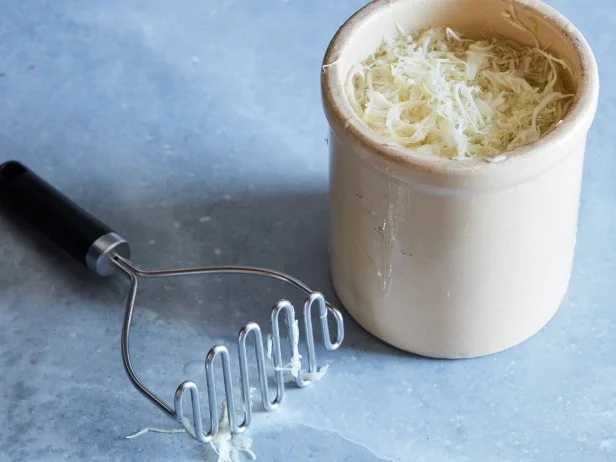
- Wire masher with loops for fluffy and light mash
- Ricer masher that pushes food through small holes for fine texture
- Handheld paddle masher for quick and easy use
Material Considerations
Materials affect how long the masher lasts and how easy it is to clean. Some materials resist rust better.
- Stainless steel is strong and rust-resistant
- Plastic mashers are light and easy to handle
- Wood handles offer a comfortable grip but need care
- Silicone parts prevent scratching pots and pans
Size And Grip
Size matters for comfort and control. A good grip helps you mash without slipping or strain.
- Choose a size that fits your hand well
- Look for handles with soft or textured grips
- Long handles keep your hands away from hot food
- Heavy mashers may tire your hand faster
Preparing Ingredients
Using a food masher well starts with good preparation. Properly prepared ingredients mash easier.
Take time to get ingredients ready for the best texture and flavor in your dish.
Cooking Techniques
Cook ingredients until soft but not too mushy. This helps the masher work better.
- Boil potatoes until a fork slides in easily
- Steam vegetables to keep nutrients and flavor
- Simmer fruits gently for smooth mashing
Optimal Texture For Mashing
Ingredients must be soft but still hold shape to mash well. Too hard or too soft can spoil texture.
| Texture | Effect on Mashing |
| Too Hard | Needs more effort, lumps form |
| Perfectly Soft | Easy to mash, smooth texture |
| Too Soft | Becomes watery, loses shape |
Avoiding Common Mistakes
Many people make errors when preparing for mashing. Fix these to save time and get better results.
- Don’t mash cold ingredients. Warm them first.
- Cut food into similar sizes for even cooking.
- Drain excess water before mashing to avoid sogginess.
- Use the right masher type for your food texture.
Proper Mashing Techniques
A food masher helps prepare smooth, creamy textures in many dishes. Using the right technique makes mashing easier and improves results.
Focus on hand placement, motion, and consistency for the best mashed food. These tips guide you to mash efficiently and evenly.
Hand Placement And Pressure
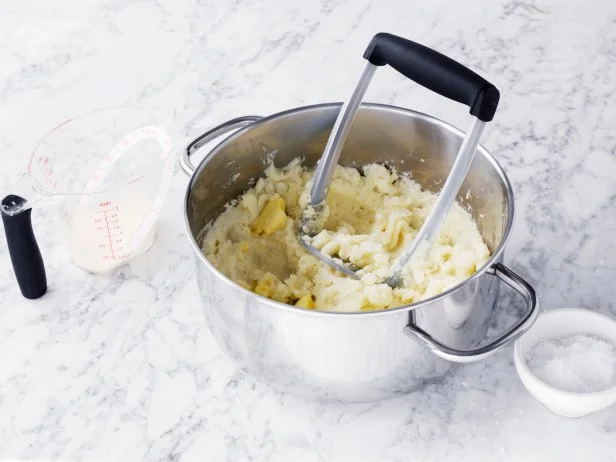
Hold the masher firmly with both hands for control. Place one hand on the handle and the other near the base to guide pressure.
- Keep your wrists straight to avoid strain.
- Apply steady, even pressure to break down food.
- Adjust grip if the food is tough or soft.
Circular And Up-down Motions
Use circular motions to mash food gently and evenly. Combine with up-and-down presses to break larger pieces quickly.
| Motion Type | Purpose |
|---|---|
| Circular | Distributes pressure evenly for smooth texture |
| Up-and-Down | Breaks apart bigger chunks faster |
Adjusting For Desired Consistency
Check the texture often while mashing. Stop when you reach the smoothness you want.
- For chunky mash, use light pressure and fewer strokes.
- For smooth mash, press firmly and mash longer.
- Add liquids slowly to help reach the right texture.
Credit: www.kitchenaid.com
Creative Uses Beyond Potatoes
A food masher is not just for potatoes. It can help you prepare many other foods easily.
Try using your masher for vegetables, fruits, and even baby food. It makes cooking faster and simpler.
Mashing Vegetables
Soft cooked vegetables like carrots, peas, and squash mash well. This adds variety to meals and helps mix flavors.
- Cook vegetables until soft
- Use the masher to crush them gently
- Add herbs or spices for taste
- Mix with a little butter or oil
- Serve as a side dish or mix in soups
Making Fruit Purees
Use a masher to make fresh fruit purees. This is perfect for desserts or adding to yogurt and cereals.
| Fruit | Best for Puree | Notes |
| Bananas | Very ripe | Soft texture, no cooking needed |
| Peaches | Ripe and peeled | Sweet and juicy |
| Mangoes | Ripe | Rich flavor |
| Cooked Apples | Softened | Add cinnamon for taste |
Crafting Baby Food
Mash fruits and vegetables to make fresh baby food. This allows you to control ingredients and freshness.
Tips for making baby food with a masher:
- Steam or boil food until soft
- Mash to a smooth or chunky texture
- Mix different foods for variety
- Store in small portions for convenience
Cleaning And Maintenance
Keeping your food masher clean helps it last longer and work better. Dirt and food bits can build up if you do not clean it well. Proper care also stops bad smells and stains.
Regular maintenance can prevent damage and keep your masher safe to use. Follow simple tips to clean and store your tool properly.
Safe Cleaning Practices
Clean your food masher right after use. Warm water and soap remove food stuck on the tool. Avoid harsh chemicals that can damage the surface.
- Rinse with warm water immediately after mashing food.
- Use a soft brush or sponge to remove food pieces.
- Wash with mild dish soap and warm water.
- Dry completely with a clean towel to stop bacteria.
Preventing Rust And Wear
Rust can form if your masher stays wet for too long. Keep metal parts dry and avoid long soaking. Check your masher often for signs of wear or rust spots.
| Cause | Prevention |
| Water left on metal | Dry immediately after washing |
| Soaking in water | Do not soak for more than 5 minutes |
| Scratches or dents | Handle carefully and avoid dropping |
| Harsh cleaners | Use gentle soap only |
Storing Your Masher
Store your food masher in a dry place to avoid rust and damage. Keep it separate from sharp tools to protect its surface. A well-stored masher stays clean and ready to use.
- Place your masher in a dry drawer or cupboard.
- Use hooks or holders to keep it off wet surfaces.
- Avoid stacking heavy items on top of your masher.
- Check storage spots often for moisture or dirt.
Credit: www.foodnetwork.com
Frequently Asked Questions
What Foods Work Best With A Food Masher?
Foods like potatoes, avocados, cooked vegetables, and fruits mash well. Soft, cooked textures are ideal for even mashing and smooth results.
How Do I Clean A Food Masher Properly?
Wash with warm soapy water immediately after use. Use a brush to reach crevices and dry thoroughly to prevent rust.
Can I Use A Food Masher For Baby Food?
Yes, food mashers are excellent for making smooth, homemade baby food. They help control texture and avoid additives.
What Materials Are Best For A Durable Food Masher?
Stainless steel and sturdy silicone are durable, rust-resistant, and easy to clean. Avoid plastic mashers that may break or stain.
Conclusion
Using a food masher makes cooking easier and faster. It helps create smooth textures in many dishes. Choose the right masher for your needs. Clean it well after every use to keep it working. Practice makes your mashing skills better over time.
Small tips can make a big difference in results. Enjoy cooking with your food masher every day. Simple tools can bring great meals to life. Keep these tips in mind for best results.