
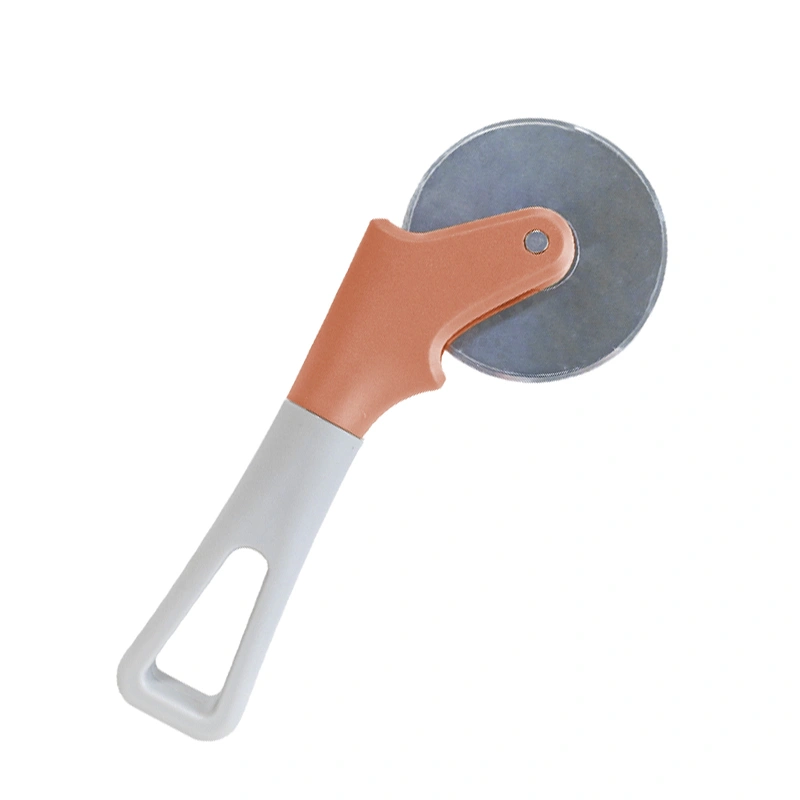
Your pizza cutter is your trusty kitchen companion, slicing through cheesy, gooey pizza with ease. But have you ever noticed it getting dull or sticky?
If you want your cutter to work like new every time, you need to know how to maintain it properly. You’ll discover simple, effective tips to keep your pizza cutter sharp, clean, and ready for action. Keep reading, and you’ll never struggle with a dull blade or messy handle again.
Your perfect pizza slice is just a few easy steps away.
Choosing The Right Pizza Cutter
Picking the right pizza cutter helps you slice pizza easily. It also keeps your cutter safe and sharp.
Look for a cutter that fits your hand and cuts through crust well. This makes pizza cutting fast and clean.
Consider The Blade Material
Blade material affects how sharp and long-lasting your cutter is. Stainless steel is a good choice.
Stainless steel resists rust and stays sharp for a long time. Avoid cheap metals that dull quickly.
Choose The Right Blade Size
Blade size changes how you cut pizza. Larger blades work well for big pizzas.
Smaller blades give more control for thin or personal pizzas. Pick size based on your pizza size.
Look For A Comfortable Handle
A good handle makes cutting easier and safer. It should fit well in your hand.
Handles made of plastic or wood offer a good grip. Avoid slippery or hard handles for better control.
Check For Easy Cleaning
Choose a pizza cutter that is easy to clean. Some cutters can go in the dishwasher.
Cutters with removable blades or simple designs clean faster. Avoid cutters with many small parts.
Credit: www.msn.com
Regular Cleaning Techniques
Keeping your pizza cutter clean is important for safety and taste. Dirt and food bits can build up over time. Regular cleaning stops this from happening.
Use the right methods and cleaning agents to keep your cutter sharp and safe to use. Let’s look at two main ways to clean it.
Hand Washing Vs. Dishwasher
Hand washing your pizza cutter lets you clean it carefully. You can reach all corners and avoid damage. Dishwashers are quick but can be rough on the blade.
- Hand wash with warm water and mild soap
- Use a soft sponge or cloth to avoid scratches
- Rinse well to remove soap residue
- Dry immediately to stop rust
- Dishwasher can cause dull blades over time
- Place cutter securely in dishwasher to avoid damage
- Use dishwasher only if manufacturer allows
Using Safe Cleaning Agents
Choose cleaning agents that do not harm your pizza cutter. Harsh chemicals can damage the blade and handle. Natural or mild cleaners are best for regular use.
| Cleaning Agent | Safe for Cutter | Notes |
| Mild dish soap | Yes | Effective and gentle |
| White vinegar | Yes | Helps remove stains |
| Bleach | No | Can corrode metal |
| Abrasive cleaners | No | May scratch blade |
Sharpening Methods
Keeping your pizza cutter sharp makes slicing easy and safe. Dull blades can tear the dough or cause accidents.
There are simple tools and machines you can use to sharpen your pizza cutter blade. Choose what fits you best.
Manual Sharpening Tools
Manual tools let you sharpen your pizza cutter by hand. They are easy to use and cost little.
Sharpening stones and handheld sharpeners are common options. Use light, even strokes to avoid damage.
- Sharpening stone: Wet the stone and slide the blade across it at a small angle.
- Handheld sharpener: Pull the blade through the slot several times with gentle pressure.
- Metal file: Use a fine-toothed file to smooth the blade edge carefully.
Electric Sharpening Options
Electric sharpeners save time and effort. They are good for frequent sharpening needs.
These devices use rotating wheels or belts to grind the blade edge. Keep the blade steady during use.
- Electric knife sharpener: Has slots with abrasive wheels to sharpen quickly.
- Rotary tool with a grinding bit: Use a low speed and steady hand for precision.

Credit: www.amazon.com
Proper Storage Solutions
Keeping your pizza cutter in good shape needs the right storage. Proper storage stops damage and keeps it sharp.
Learn how to store your pizza cutter to avoid rust and keep it safe in your kitchen.
Avoiding Moisture And Rust
Moisture causes rust on the blade. Dry your pizza cutter after washing it. Use a clean towel to wipe it completely dry.
- Do not leave it wet or in a damp sink
- Store in a dry place with good air flow
- Apply a small amount of food-safe oil on the blade sometimes
- Use a protective cover to keep moisture away
Storage In Kitchen Drawers
Kitchen drawers are common storage spots. Use drawer organizers to keep the cutter safe and avoid dulling the blade.
| Storage Tip | Benefit |
| Use a blade guard or sheath | Protects blade and fingers |
| Place in a separate compartment | Prevents scratches and damage |
| Keep away from heavy utensils | Avoids bending or breaking |
| Ensure drawer is dry | Stops rust and corrosion |
Handling Tips For Longevity
Taking good care of your pizza cutter helps it last longer. Proper handling keeps the blade sharp and safe.
Simple habits can protect your cutter from damage. Use it carefully to enjoy it for many years.
Safe Handling Practices
Hold the pizza cutter firmly by the handle. Avoid putting too much pressure on the blade.
Clean the cutter gently after each use. Use warm water and mild soap to avoid rust and dullness.
- Grip the handle tightly while cutting
- Cut with smooth, even strokes
- Wash by hand, not in the dishwasher
- Dry completely to stop rust
Avoiding Hard Surfaces
Do not use the pizza cutter on very hard surfaces like stone or glass. These surfaces can dull or chip the blade.
Use a wooden or plastic cutting board. These materials protect the blade and keep it sharp longer.
- Cut only on soft surfaces like wood or plastic
- Never press hard against stone or metal
- Store the cutter away from sharp or heavy objects
- Use a blade cover to avoid damage
Signs Of Wear And Replacement
Keeping your pizza cutter sharp and clean is important. Over time, the blade wears out. You need to watch for signs of wear.
Knowing when to replace your cutter helps you cut pizzas easily and safely. Let’s look at how to spot dull blades and when to get a new cutter.
Identifying Dull Blades
A dull blade will not cut pizza well. It can tear the crust instead of slicing it cleanly. You might feel more pressure is needed when cutting.
Look closely at the blade edge. If it looks rounded or chipped, the blade is dull. Food may stick to the blade more than usual.
- The blade feels blunt when cutting
- Pizza crust tears or drags
- Visible chips or rounded edges on the blade
- Food sticks to the cutter blade
- More pressure needed to cut through pizza
When To Replace Your Cutter
Replace your pizza cutter if sharpening does not help. A blade with deep chips or rust should be changed. A loose handle or broken parts are signs to buy a new one.
Using a worn cutter can be unsafe. It can slip and cause injury. A new cutter will make cutting faster and easier.
- Blade is chipped or cracked
- Rust cannot be removed
- Handle is loose or broken
- Sharpening does not improve cutting
- Blade is bent or warped

Credit: latinafy.com
Frequently Asked Questions
How Often Should I Clean My Pizza Cutter?
Clean your pizza cutter after every use. Immediate cleaning prevents food residue buildup and reduces rust risk. Use warm, soapy water and dry thoroughly for best results.
Can I Put My Pizza Cutter In The Dishwasher?
Most pizza cutters are dishwasher safe, but hand washing is gentler. Hand washing preserves sharpness and extends cutter life. Always check manufacturer instructions before using a dishwasher.
How Do I Sharpen A Dull Pizza Cutter Blade?
Use a sharpening stone or a specialized pizza cutter sharpener. Sharpening regularly maintains cutting efficiency and safety. Be gentle to avoid damaging the blade edge.
What’s The Best Way To Store A Pizza Cutter?
Store your pizza cutter in a dry, clean place. Use blade covers or holders to protect the edge and prevent accidents. Proper storage prolongs tool lifespan.
Conclusion
Keeping your pizza cutter clean and sharp helps it last longer. Wash it right after use to avoid stuck cheese or sauce. Dry it well to stop rust from forming. Sharpen the blade regularly for easy slicing. Store it safely to protect the edge and your hands.
Simple care makes every pizza cut smooth and quick. Small habits keep your tool ready for the next pizza night. Take a little time to care for it, and it will serve you well.