
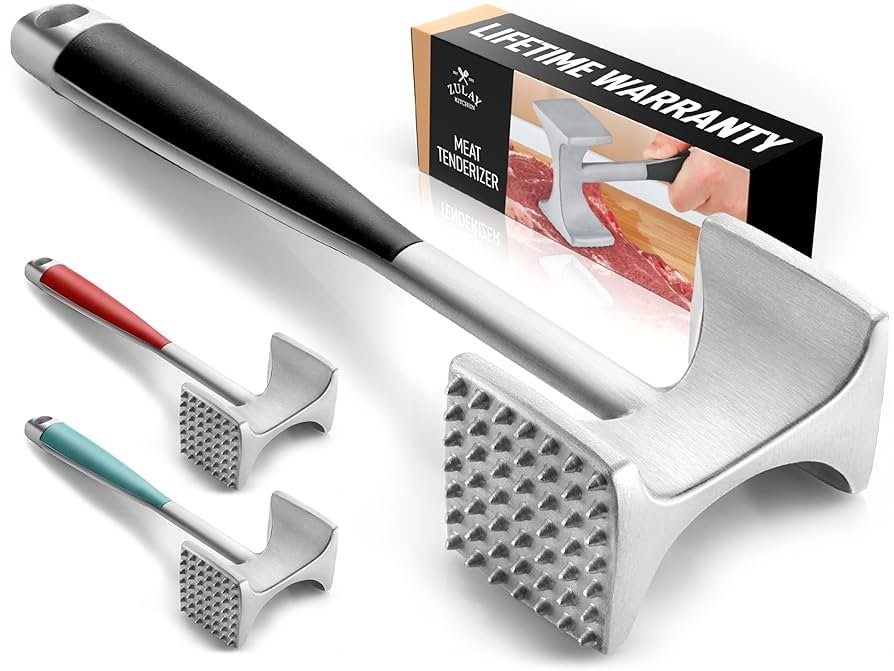
Choosing the right meat tenderizer hammer can change the way you cook and enjoy your meals. If you’ve ever struggled with tough, chewy meat, you know how frustrating it can be.
But the good news is, the right tool can make your meat softer, juicier, and more flavorful. You’ll discover simple tips to pick the perfect meat tenderizer hammer that fits your needs and kitchen style. Keep reading, and you’ll learn how to turn every cut of meat into a delicious, tender masterpiece.
Credit: gorillagrip.com
Types Of Meat Tenderizer Hammers
Meat tenderizer hammers come in different styles. Each type works differently to soften meat fibers.
Choosing the right hammer helps you prepare meat with the texture you want. Here are the main types you can find.
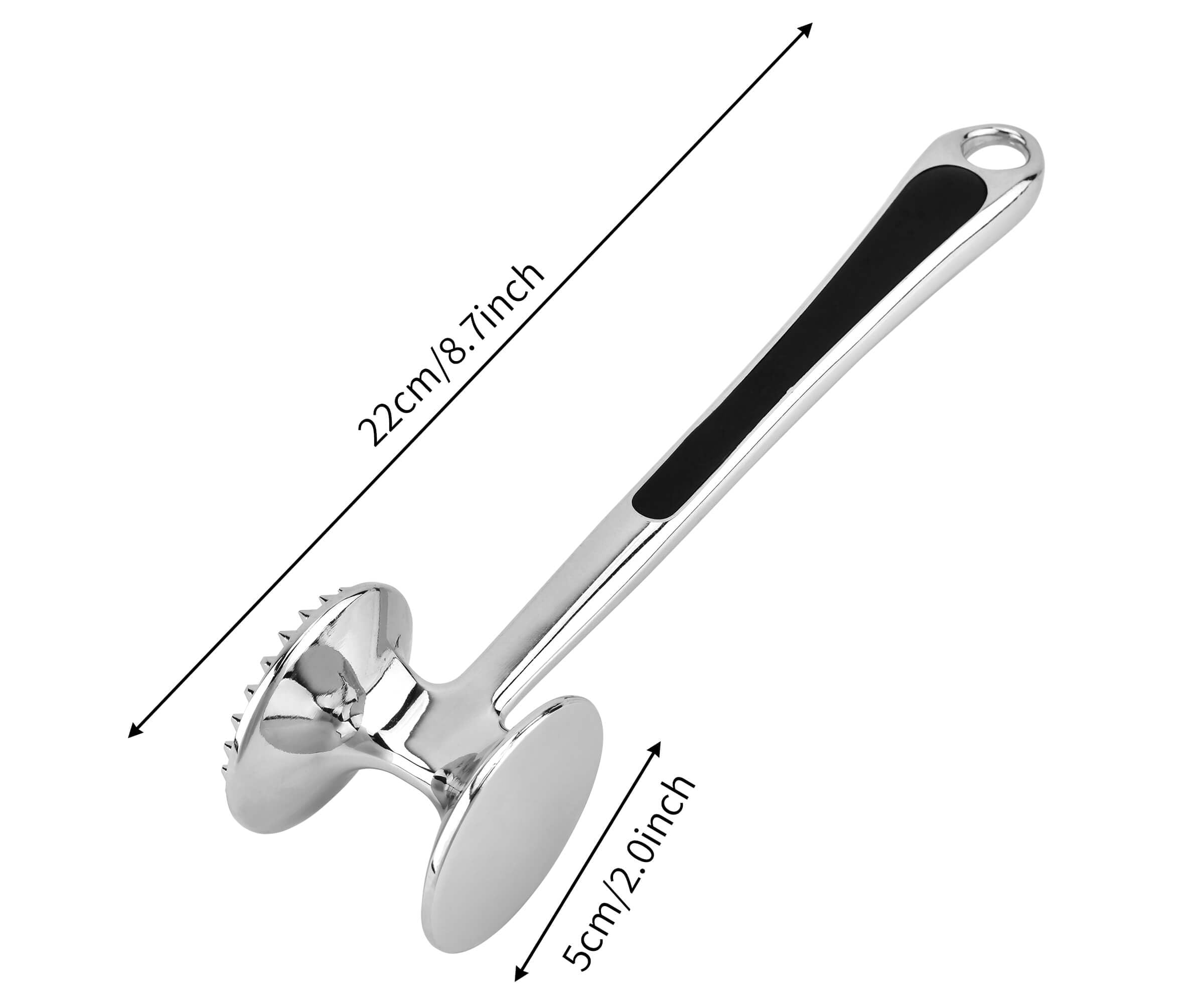
Flat-surfaced Hammers
Flat-surfaced hammers have smooth heads. They press the meat evenly to break muscle fibers gently.
This type is good for delicate cuts. It helps keep the meat’s shape while making it tender.
Textured-surfaced Hammers
Textured hammers have small points or ridges on the head. They tear the meat fibers more deeply than flat hammers.
- They create small holes in the meat.
- They help marinades soak in faster.
- They are best for tougher cuts like flank or round steak.
Combination Hammers
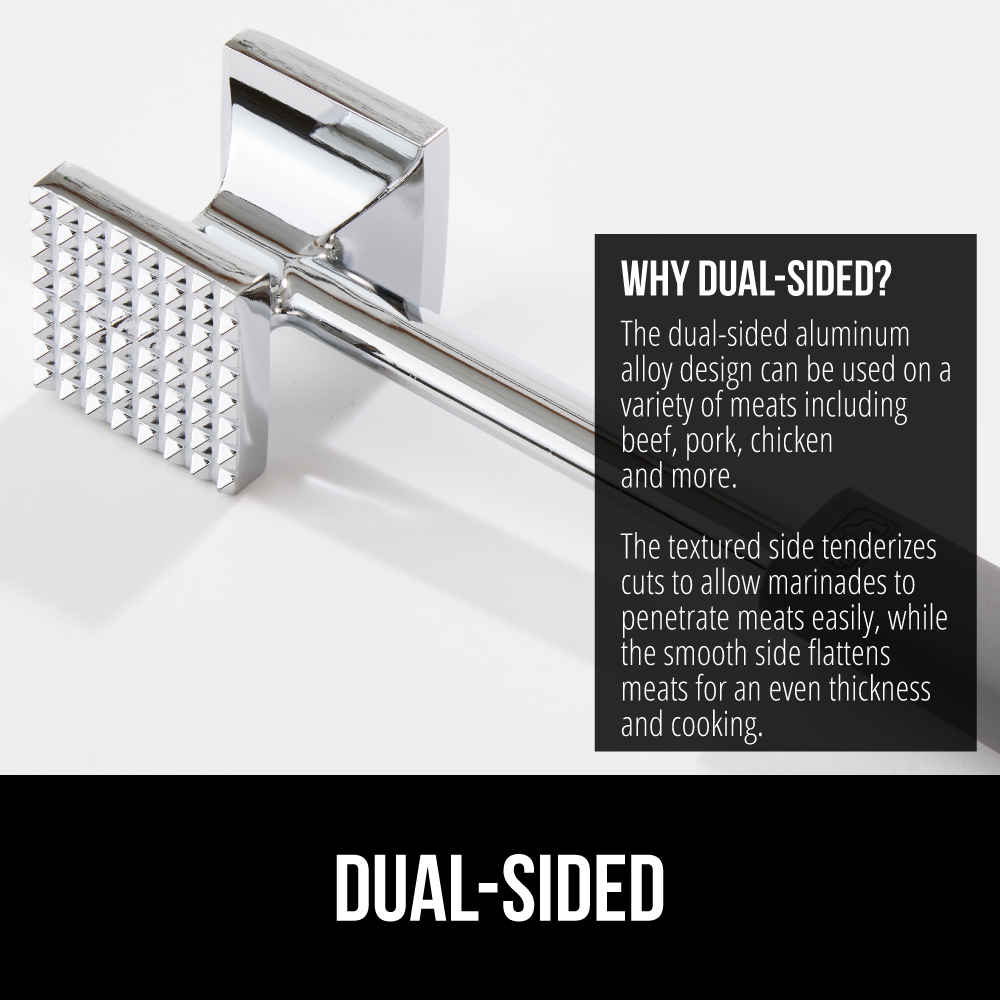
Combination hammers have one flat side and one textured side. You can choose how to tenderize the meat.
| Side | Purpose |
| Flat Side | Presses meat evenly |
| Textured Side | Tears meat fibers deeply |
Credit: www.walmart.com
Material Considerations
Choosing the right material for a meat tenderizer hammer affects its performance and durability. Different materials offer unique benefits and drawbacks.
Understanding these materials helps you select a tool that fits your cooking needs and budget.
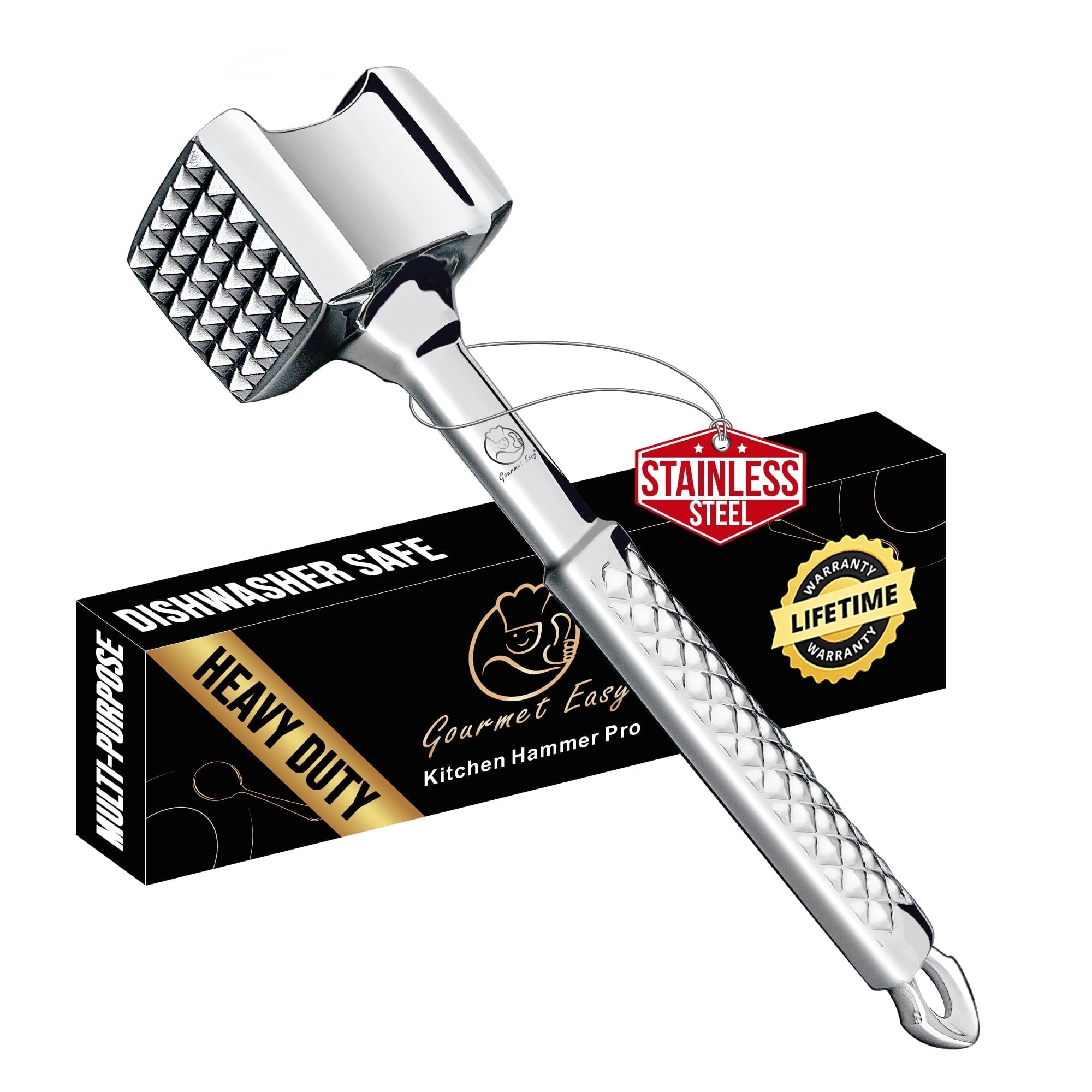
Stainless Steel
Stainless steel is strong and long-lasting. It resists rust and corrosion, making it easy to clean. This material is heavy, which helps tenderize meat quickly with less effort.
One downside is that stainless steel hammers can be noisy and may damage delicate meat if used too hard. They are a good choice for frequent use and tough cuts of meat.
Aluminum
Aluminum meat tenderizers are lightweight and easy to handle. They do not rust but can dent or scratch more easily than stainless steel. This material cools down quickly, which can help keep meat fresh.
- Lightweight and comfortable to use
- Resists rust and corrosion
- Can dent or scratch with heavy use
- Good for light to medium tenderizing tasks
Plastic
Plastic tenderizer hammers are affordable and very light. They usually have textured faces but lack the weight to tenderize tough meat well. Plastic is easy to clean but may wear out faster than metal options.
| Material | Weight | Durability | Rust Resistance | Best Use |
| Stainless Steel | Heavy | High | Yes | Tough cuts, frequent use |
| Aluminum | Light | Medium | Yes | Everyday use, lighter tenderizing |
| Plastic | Very Light | Low | Yes | Soft meat, occasional use |
Weight And Balance
Choosing the right meat tenderizer hammer depends a lot on weight and balance. These factors affect how easy and effective the tool is to use.
A well-balanced hammer helps you apply force evenly. The right weight makes tenderizing meat less tiring.
Lightweight Options
Lightweight tenderizer hammers are easier to handle and control. They work well for quick tasks and thin cuts of meat.
These hammers reduce hand fatigue during use. They balance speed with enough weight to tenderize meat properly.
- Usually weigh less than 1 pound
- Made from materials like aluminum or plastic
- Good for small kitchens or light use
- Allow better wrist movement and precision
Heavy-duty Choices
Heavy-duty meat tenderizer hammers add more force with less effort. They are useful for thick or tough cuts of meat.
These hammers often have a balanced design that prevents strain. Their weight helps break down meat fibers more quickly.
- Typically weigh over 1.5 pounds
- Made from steel or cast iron
- Best for frequent use or large pieces of meat
- Require more wrist strength but improve efficiency
Handle Design Features
The handle of a meat tenderizer hammer is very important. It affects how easy and safe it is to use.
Good design helps you hold the hammer firmly and use it without pain or slipping.
Ergonomic Handles
Ergonomic handles fit the shape of your hand. They reduce strain during use.
This design helps you work longer without feeling tired or sore in your wrist.
- Curved shape matches hand contours
- Soft materials cushion the grip
- Lightweight handles make hammer easier to lift
Non-slip Grips
Non-slip grips prevent the hammer from sliding out of your hand. They keep your grip safe even if your hands are wet.
These grips often use rubber or textured surfaces to improve hold.
- Rubber coating adds friction and comfort
- Textured patterns stop slipping
- Some handles have raised bumps for extra grip
Durability And Maintenance
Choosing a meat tenderizer hammer that lasts long saves money. Proper care helps keep it working well.
Look for strong materials and easy cleaning options. This makes your tool safe and ready to use.
Dishwasher Safe Models
Some meat tenderizer hammers can go in the dishwasher. This feature makes cleaning quick and simple.
Stainless steel and some plastic models often are dishwasher safe. Check the product label before washing.
- Look for dishwasher-safe marks on the handle or head
- Use the top rack to avoid heat damage
- Avoid models with wooden handles in dishwashers
Manual Cleaning Tips
Cleaning by hand helps protect delicate parts. It also removes stuck food better than machines.
Use warm water, mild soap, and a soft brush. Dry the hammer completely to prevent rust or damage.
- Wash soon after use to stop food from hardening
- Scrub between the tenderizer’s teeth carefully
- Dry with a towel and air dry before storing
- Oil wooden handles occasionally to stop cracking
Price Range Considerations
Choosing the right meat tenderizer hammer depends on your budget. Prices vary based on materials, brand, and design.
Knowing your price range helps you find a tool that fits your needs without overspending.
Budget-friendly Options
Budget-friendly meat tenderizers usually cost less than $20. They are good for occasional use or beginners.
These options often use plastic or simple metal handles. The hammers may be lighter and less durable.
- Made with basic materials like aluminum or plastic
- Lightweight and easy to use
- Good for small kitchen tasks
- May wear out faster with heavy use
Premium Models
Premium meat tenderizers cost $30 and above. They are built to last and offer better comfort and control.
These models often have stainless steel heads and ergonomic handles. They deliver strong, consistent results.
- Made with durable materials like stainless steel
- Ergonomic handles for better grip
- Heavier weight for more power
- Designed for frequent use and long life
Expert Tips For Choosing
Choosing the right meat tenderizer hammer can make your cooking easier and your meat tastier. It helps break down tough fibers and makes meat softer.
This guide gives expert tips to help you pick the best tenderizer for your kitchen needs.
Assessing Your Needs
Think about how often you will use the meat tenderizer. Also, consider the types of meat you cook most.
- Choose a hammer with a comfortable handle for long use.
- Look for a weight that suits your strength.
- Pick a size that fits your kitchen space.
- Decide between a single or double-sided head based on the meat texture.
Testing Before Buying
Try the hammer before you buy it. Check how it feels in your hand and how easy it is to use.
| Test Area | What to Check | Reason |
| Handle Grip | Comfort and slip resistance | Prevents hand fatigue and accidents |
| Hammer Weight | Balance and heaviness | Makes tenderizing easier without extra effort |
| Head Texture | Sharpness and pattern | Affects how well it tenderizes meat |
| Material Quality | Durability and rust resistance | Ensures long-lasting use |
Credit: www.amazon.com
Popular Brands And Recommendations
Choosing the right meat tenderizer hammer can make cooking easier. Many brands offer different designs and features. It is important to find one that fits your needs and budget.
This guide reviews popular brands and what users say about them. You will see key points to consider before buying your meat tenderizer hammer.
Top Rated Brands
Some brands are known for their quality and durability. These brands have models that suit both beginners and experienced cooks. They often use strong materials like stainless steel or heavy-duty plastic.
- OXO Good Grips: Known for a comfortable handle and strong metal head.
- Jaccard: Offers models with multiple blades for quick tenderizing.
- Weston: Heavy hammers with textured surfaces to break meat fibers well.
- Vremi: Lightweight and budget-friendly with a solid steel head.
- KitchenAid: Durable design with a comfortable grip and balanced weight.
User Reviews
Users share their experience about how these hammers perform in real kitchens. Many reviews mention ease of use, cleaning, and how well the hammer tenderizes meat.
| Brand | Pros | Cons | User Rating (out of 5) |
|---|---|---|---|
| OXO Good Grips | Comfortable grip, durable | Heavier than some models | 4.7 |
| Jaccard | Fast tenderizing, efficient | Blades need careful cleaning | 4.5 |
| Weston | Strong impact, textured surface | Bulky size | 4.3 |
| Vremi | Affordable, lightweight | Smaller head size | 4.0 |
| KitchenAid | Good balance, easy to clean | Price is higher | 4.4 |
Frequently Asked Questions
What Is A Meat Tenderizer Hammer Used For?
A meat tenderizer hammer breaks down tough muscle fibers in meat. It makes meat softer, easier to cook, and more flavorful. Using the right hammer improves texture and helps marinades penetrate better.
How To Choose The Best Meat Tenderizer Hammer?
Look for a hammer with a comfortable grip and durable material. Consider weight, size, and dual-sided heads for versatility. Stainless steel or heavy-duty plastic models often offer long-lasting performance.
Can A Meat Tenderizer Hammer Damage Meat?
Using excessive force or the wrong side can damage meat. Gentle, even pounding avoids tearing or over-flattening. Always use the textured side to tenderize and the flat side for pounding.
What Materials Are Meat Tenderizer Hammers Made From?
Common materials include stainless steel, aluminum, and heavy plastic. Metal hammers provide weight and durability. Plastic models are lightweight and easier to clean but less heavy for pounding.
Conclusion
Choosing the right meat tenderizer hammer makes cooking easier and tastier. Think about the handle, weight, and material before buying. A good hammer helps break meat fibers quickly and evenly. It saves time and improves texture for any recipe. Keep your needs and budget in mind during selection.
This simple tool can make a big difference in your kitchen. Start tenderizing meat with confidence and enjoy better meals every time.