
Are you tired of guessing which microwave oven will truly fit your cooking needs? Choosing the right microwave can make your kitchen tasks faster, easier, and even more enjoyable.
But with so many options out there, how do you know which one is perfect for you? This guide will help you cut through the confusion and find a microwave that matches your cooking style, space, and budget. Keep reading, and you’ll soon be confident in making a choice that transforms the way you cook every day.
Credit: www.kitchenaid.com
Types Of Microwave Ovens
Microwave ovens come in various styles to fit different kitchen setups. Choosing the right one depends on your space and cooking needs.
Knowing the types helps you pick a microwave that works best for your home and lifestyle.
Countertop Models
Countertop microwaves are the most common and easy to install. You just place them on any flat surface in your kitchen.
- Affordable and portable
- Available in many sizes and power levels
- Easy to clean and maintain
- Does not require installation
Over-the-range Options
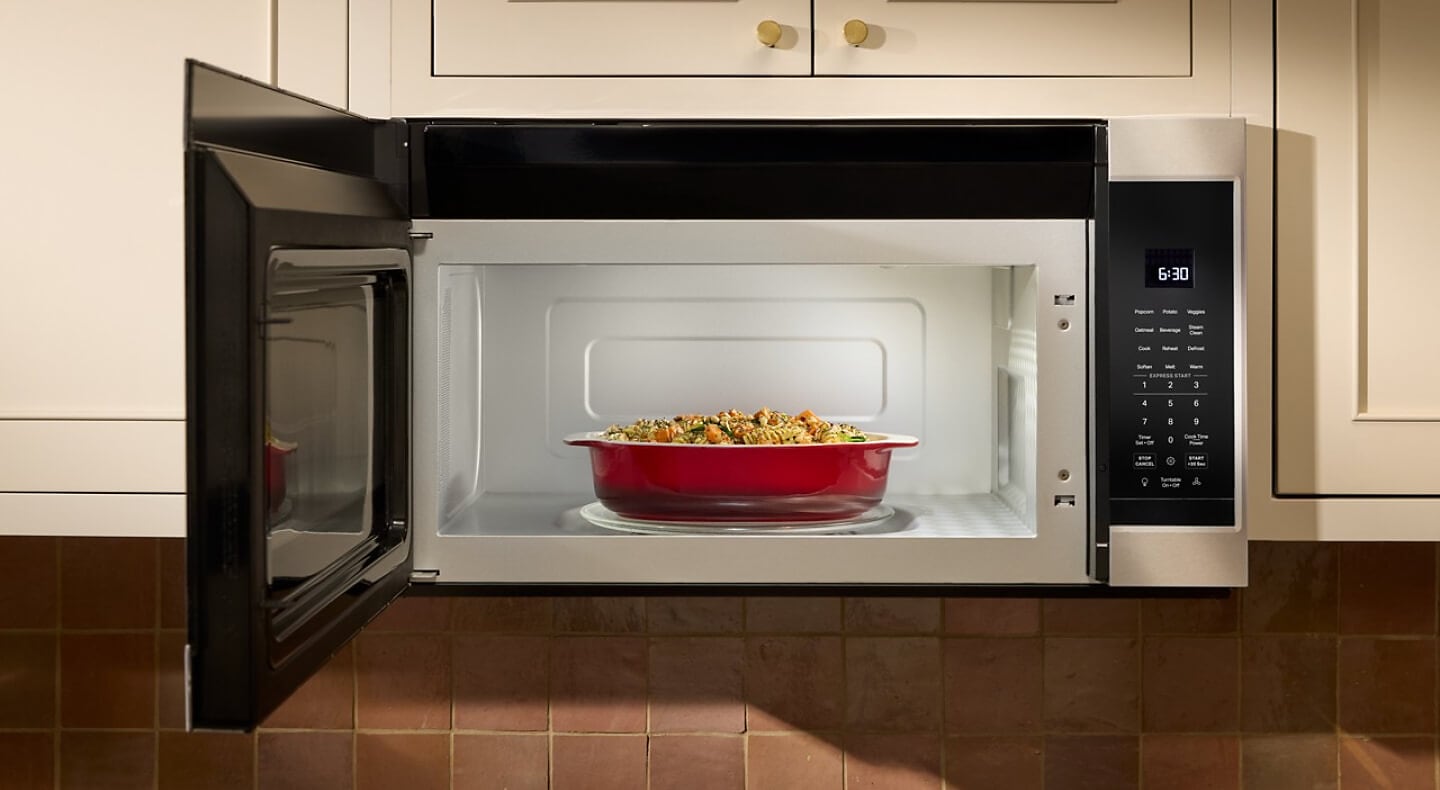
These microwaves fit above your stove. They save counter space and often include a built-in vent.
| Feature | Details |
|---|---|
| Space Saving | Frees up countertop room |
| Ventilation | Includes exhaust fan and light |
| Installation | Requires mounting above stove |
| Size | Usually larger than countertop models |
Built-in Designs
Built-in microwaves are installed into kitchen cabinets. They offer a sleek, integrated look.
These models save space and blend well with other appliances.
- Custom fit for your kitchen
- Cleaner look without cords showing
- Often more powerful and larger
- May cost more and require professional installation
Drawer Microwave Ovens
Drawer microwaves slide out like a drawer. They install under counters or in kitchen islands.
This style offers easy access and saves space in busy kitchens.
Key Features To Consider
Choosing the right microwave oven helps you cook food quickly and evenly. Look for features that fit your cooking style and kitchen space.
Understanding key features can save time and avoid disappointment later. This guide covers important aspects to check before buying.
Wattage And Power Levels
Wattage shows how strong the microwave is. Higher wattage means faster cooking. Different power levels let you cook various foods properly.
- Low power for defrosting and soft cooking
- Medium power for gentle cooking and reheating
- High power for boiling and quick cooking
Pre-set Cooking Programs
Pre-set programs help cook food types with one press. These programs save time and reduce guesswork for cooking times and power.
- Popcorn setting for perfect popping
- Pizza and vegetable presets for balanced cooking
- Defrost options based on weight or time
Sensor Cooking Technology
Sensor cooking detects moisture and adjusts time and power. This stops overcooking and keeps food moist and tasty.
| Feature | Benefit |
| Moisture Sensor | Adjusts cooking time automatically |
| Temperature Sensor | Prevents overheating |
| Weight Sensor | Customizes defrost and cooking |
Turntable Vs. Flatbed
Turntable microwaves rotate food on a plate. Flatbed microwaves use a flat surface and move waves evenly.
| Type | Advantages | Disadvantages |
|---|---|---|
| Turntable | Even cooking for most foods, easy to clean | Limits large or odd-shaped dishes |
| Flatbed | More space, fits bigger dishes | Can be pricier, cleaning may be harder |
Size And Capacity
Choosing the right microwave oven depends a lot on its size and capacity. These factors affect how well it fits in your kitchen and meets your cooking needs.
Consider both the inside space for cooking and the outside dimensions for placement. Also, think about how many people you usually cook for.
Interior Space Requirements
Microwave ovens come with different interior sizes. A larger interior lets you cook bigger dishes or multiple plates at once. A smaller one saves energy and fits small meals.
- Check the cubic feet or liters to know the cooking space.
- Look for turntable size to fit your pots and plates.
- Think about the types of food you cook most often.
Exterior Dimensions
The outside size of the microwave affects where you can put it. Measure your counter or shelf space before buying.
| Dimension | Typical Range |
| Width | 17 to 24 inches (43 to 61 cm) |
| Height | 10 to 14 inches (25 to 36 cm) |
| Depth | 12 to 20 inches (30 to 51 cm) |
Make sure there is extra space around the microwave for ventilation and easy door opening.
Family Size Considerations
Think about how many people you cook for regularly. Larger families need bigger microwaves with more power.
- Small family or single: 0.5 to 0.8 cubic feet capacity.
- Medium family (3-4 people): 0.9 to 1.2 cubic feet.
- Large family (5 or more): Over 1.2 cubic feet.
Credit: kenstar.in
Energy Efficiency
Choosing an energy-efficient microwave oven helps save electricity. It also lowers your monthly power bill.
Energy-efficient models use less power while cooking food quickly and evenly.
Energy Star Ratings
Energy Star ratings show if a microwave is energy efficient. Microwaves with this label meet strict power use rules.
Choosing a microwave with an Energy Star rating means it uses less electricity without losing performance.
- Look for the blue Energy Star label on the box or product.
- Energy Star microwaves save about 10% energy compared to standard models.
- These models help reduce your carbon footprint over time.
Power Consumption
Power consumption tells how much electricity a microwave uses. It is measured in watts (W).
Lower wattage microwaves use less energy but may cook food slower. Higher wattage means faster cooking but more power use.
| Wattage | Energy Use | Cooking Speed |
|---|---|---|
| 600-800 W | Low | Slower |
| 900-1100 W | Medium | Faster |
| 1200 W and above | High | Fastest |
Choose a wattage that fits your cooking needs and energy goals.
Safety Features
Microwave ovens come with safety features to protect your family. These features help prevent accidents and injuries.
Understanding these safety functions helps you pick the right microwave for your kitchen.
Child Lock Functions
Child lock functions stop children from using the microwave without help. This stops burns and other accidents.
- Prevents microwave operation by locking buttons
- Stops changes in cooking settings during use
- Easy to activate and deactivate by adults
- Reduces risk of children starting the microwave alone
Auto Shut-off
Auto shut-off turns the microwave off after cooking ends. This saves energy and prevents overheating.
| Benefit | Explanation |
| Energy saving | Stops power use once cooking is done |
| Fire prevention | Turns off microwave if it runs too long |
| Food safety | Prevents food from burning or drying out |
| User convenience | Microwave stops automatically without manual action |
Design And Aesthetics
The design of a microwave oven affects your kitchen’s look. A good design fits your style and space.
Think about how the microwave will match your other appliances and kitchen decor.
Color And Finish Options
Microwaves come in many colors and finishes. Choose one that blends well with your kitchen theme.
Popular finishes include stainless steel, black, white, and sometimes bright colors for a bold look.
- Stainless steel looks modern and fits most kitchens
- Black and white are classic and simple
- Bright colors add a fun, unique touch
- Matte finishes hide fingerprints better than glossy ones
Control Panel And Display
The control panel should be easy to use and read. Clear buttons and a bright display help with cooking.
Look for microwaves with simple controls. Touchpads and digital displays are common and user-friendly.
- Large buttons make it easier to choose settings
- Digital displays show time and cooking modes clearly
- Some have backlit panels for use in low light
- Voice control or smart features add convenience
Budget And Price Range
Choosing the right microwave oven depends a lot on your budget. You want to find one that fits your price range and needs. This guide looks at different price categories to help you decide.
Microwave ovens come in many types and prices. Knowing what each price range offers can save you money and get you the features you want.
Affordable Options
Affordable microwaves usually cost less than $100. They cover basic cooking and reheating. These models work well for simple tasks and small kitchens.
- Compact size fits small spaces
- Simple controls and settings
- Lower power levels, suitable for reheating
- Limited extra features
Mid-range Choices
Mid-range microwaves cost between $100 and $300. They offer more power and features. These models suit families and those who cook often.
| Feature | Affordable | Mid-Range |
| Power (Watts) | 600-900 | 900-1200 |
| Preset Cooking Modes | Few | Many |
| Sensor Cooking | No | Yes |
| Size Options | Small | Medium to Large |
| Price Range | Under $100 | $100-$300 |
Premium Models
Premium microwaves cost above $300. They have high power and many advanced features. These models fit busy kitchens and people who cook complex meals.
- Smart sensor cooking for perfect results
- Convection and grilling options
- Large capacity for big dishes
- Touchscreen controls and presets
- Sleek design with durable materials
Brand Reputation
Choosing a microwave oven with a strong brand reputation helps ensure quality and reliability. Trusted brands often provide better customer support and longer-lasting products.
Brand reputation is important because it reflects the experiences of many buyers over time. A good reputation means the brand meets customer expectations consistently.
Top Brands To Consider
Some brands are known for making durable and efficient microwave ovens. These brands often invest in safety features and advanced technology.
- Panasonic: Known for inverter technology and even cooking.
- Samsung: Offers stylish designs with smart features.
- LG: Focuses on energy efficiency and easy controls.
- Sharp: Provides reliable models with various sizes.
- Whirlpool: Known for user-friendly microwave ovens.
Customer Reviews And Ratings
Reading customer reviews helps you learn about real experiences. Ratings show how well a microwave performs over time.
Look for patterns in reviews. Positive feedback on cooking power and durability is a good sign. Watch out for repeated complaints about parts or service.
- Check ratings on trusted retail websites.
- Read both positive and negative reviews.
- Focus on comments about ease of use and cleaning.
- See if customers mention good warranty service.
Additional Accessories
Choosing the right microwave oven includes thinking about useful accessories. These items can help you cook better and keep your kitchen tidy.
Accessories like stands, trims, covers, and steamers make microwave use easier and safer. They also protect your food and microwave from messes.
Microwave Stands And Trims
Microwave stands raise the oven to a good height. This saves counter space and keeps your kitchen organized.
Trims help fit the microwave into your kitchen style. They cover gaps and make the microwave look built-in and neat.
- Stands provide extra storage below the microwave
- Trims create a clean, finished look
- Both protect surfaces from heat and spills
Covers And Steamers
Microwave covers keep food from splattering inside the oven. They help keep the microwave clean and reduce cleaning time.
Steamers cook food using steam. They keep vegetables fresh and healthy by locking in moisture and nutrients.
- Covers stop food splashes and spills
- Steamers cook food evenly and quickly
- Both accessories improve cooking results
Credit: www.kitchenaid.com
Installation And Maintenance
Choosing the right microwave oven means knowing how to install and maintain it well. Proper setup ensures safety and good performance.
Regular care keeps the microwave working longer and avoids common problems. Here are some helpful tips for installation and cleaning.
Diy Installation Tips
Installing your microwave oven yourself can save time and money. Follow these guidelines for a safe and correct setup.
- Choose a flat, stable surface near a power outlet.
- Keep the microwave away from heat sources and water.
- Ensure enough space around the oven for ventilation.
- Use the included mounting kit if installing above a stove.
- Check that the power cord is not damaged or pinched.
- Plug the microwave into a grounded outlet only.
Cleaning And Care
Clean your microwave regularly to prevent odors and stains. Proper care also helps avoid damage to its parts.
| Cleaning Task | Recommended Frequency | Method |
| Interior Wipe | After each use | Use a damp cloth with mild soap |
| Turntable Cleaning | Weekly | Remove and wash with warm water |
| Exterior Surface | Weekly | Wipe with a soft cloth and gentle cleaner |
| Vent Check | Monthly | Remove dust with a vacuum or brush |
| Door Seal | Monthly | Clean gently with a damp cloth |
Frequently Asked Questions
What Size Microwave Oven Is Best For Cooking?
Choose a microwave size based on your kitchen space and cooking needs. A 1. 0 to 1. 5 cubic feet oven suits most families. Larger ovens fit bigger dishes but take more space. Compact models work well for small kitchens or light use.
How To Pick Microwave Power For Efficient Cooking?
Microwave power ranges from 600 to 1200 watts. Higher wattage cooks food faster and evenly. For regular cooking, 900 to 1000 watts is ideal. Lower power microwaves are slower and best for reheating or defrosting.
What Features Matter When Choosing A Microwave Oven?
Look for features like preset cooking modes, sensor cooking, and easy controls. A turntable ensures even heating. Child safety locks and easy-to-clean interiors add convenience. Consider your cooking style to select the right features.
Are Convection Microwave Ovens Better For Cooking?
Convection microwaves combine microwave and fan heating for crispy results. They bake, roast, and grill besides reheating. This versatility suits those wanting multi-functional cooking in one appliance. However, they cost more than standard models.
Conclusion
Choosing the right microwave makes cooking easier and faster. Think about size, power, and features you need. A good microwave fits your kitchen and your meals. Don’t forget to check energy use and safety. Take your time to compare models before buying.
This helps you find the best match for your home. Cooking will become more fun and less stressful. Enjoy meals made quickly with the right microwave oven.