
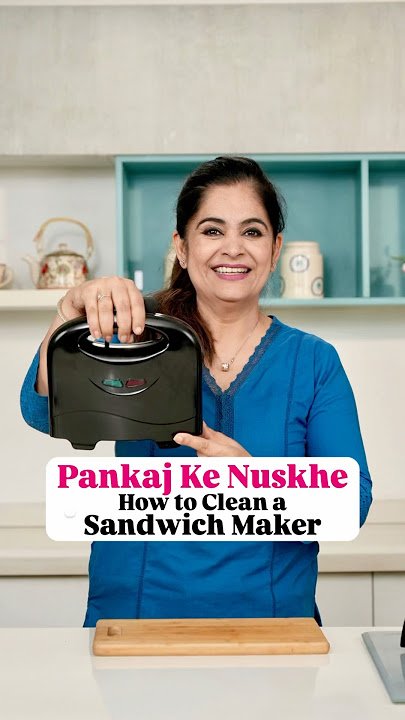
You love making quick, tasty sandwiches with your sandwich maker, but cleaning it afterward can feel like a hassle. What if you could clean your sandwich maker easily, without scrubbing for hours or worrying about damaging it?
In this guide, you’ll discover simple, effective steps to keep your sandwich maker spotless and working perfectly every time. Stick with me, and say goodbye to sticky messes and stubborn crumbs for good!
Gather Your Cleaning Supplies
Cleaning a sandwich maker keeps it working well and safe to use. You need the right supplies to clean it properly.
Gather all your cleaning tools before you start. This makes the process easier and faster.
Soft Cloth Or Sponge
A soft cloth or sponge helps remove crumbs and grease. Choose one that will not scratch the sandwich maker’s surface.
Use a damp cloth or sponge for gentle cleaning. Avoid rough scrubbing to protect the non-stick coating.
Mild Dish Soap
Mild dish soap removes grease and food residue. Use a small amount mixed with water for cleaning.
Strong detergents can damage the sandwich maker. Stick to gentle soaps to keep it safe.
Soft-bristled Brush
A soft-bristled brush cleans tight spots and ridges. It helps remove stuck-on crumbs without scratching.
- Use the brush for corners and grooves
- Do not use metal brushes
- Clean the brush after use
Paper Towels Or Dry Cloth
Paper towels or a dry cloth help dry the sandwich maker after cleaning. This stops rust and mold from forming.
Use a dry cloth to wipe off any leftover water. Make sure the appliance is fully dry before storing.
Plastic Or Wooden Scraper
A plastic or wooden scraper removes stuck food gently. Avoid metal tools that can damage the surface.
Use the scraper carefully to avoid scratching. It helps clean hard-to-reach areas without harm.
Credit: www.youtube.com
Unplug And Cool Down
Cleaning a sandwich maker starts with safety. Always unplug the device after use.
Let the sandwich maker cool down before you touch or clean it. This prevents burns and damage.
Why Unplugging Matters
Unplugging stops the flow of electricity. This keeps you safe from shocks during cleaning.
- Unplug immediately after you finish using the sandwich maker.
- Do not try to clean while it is still plugged in.
- Check the plug and cord for any damage before cleaning.
Cooling Down The Sandwich Maker
Wait until the sandwich maker is cool enough to handle. This usually takes 15 to 30 minutes.
| Cooling Time | Purpose |
| 0-15 minutes | Device is very hot, do not touch |
| 15-30 minutes | Device cools down, safe to clean exterior |
| More than 30 minutes | Device is safe to clean all parts |
Remove Removable Parts
Cleaning a sandwich maker is easier when you remove its parts. This helps you reach every corner and clean better.
Many sandwich makers have plates and trays that you can take off. Removing them first makes the cleaning process safe and simple.
Detach Plates
Most sandwich makers have removable plates. Detaching them helps avoid damage to the non-stick surface and cleans crumbs well.
- Unplug the sandwich maker and let it cool completely.
- Find the release button or latch on the side or bottom.
- Press or slide the latch to unlock the plates.
- Gently lift the plates away from the machine.
- Wash the plates with warm soapy water or wipe with a damp cloth.
Remove Drip Tray
The drip tray collects excess oil and crumbs. Removing it keeps the sandwich maker clean and prevents buildup.
| Steps to Remove Drip Tray | Tips |
|---|---|
| Locate the drip tray at the bottom or front. | Check the user manual if unsure. |
| Slide or pull the tray gently outwards. | Do not force it to avoid breaking. |
| Empty any collected crumbs or oil. | Dispose of waste in the trash. |
| Wash the tray with warm soapy water. | Dry fully before reinserting. |
| Slide the tray back into place until it clicks. | Ensure it fits securely to avoid leaks. |
Clean The Plates
Cleaning the plates of your sandwich maker keeps it working well. It also stops old food from mixing with new sandwiches.
Follow simple steps to clean the plates safely and easily after each use.
Use A Damp Cloth
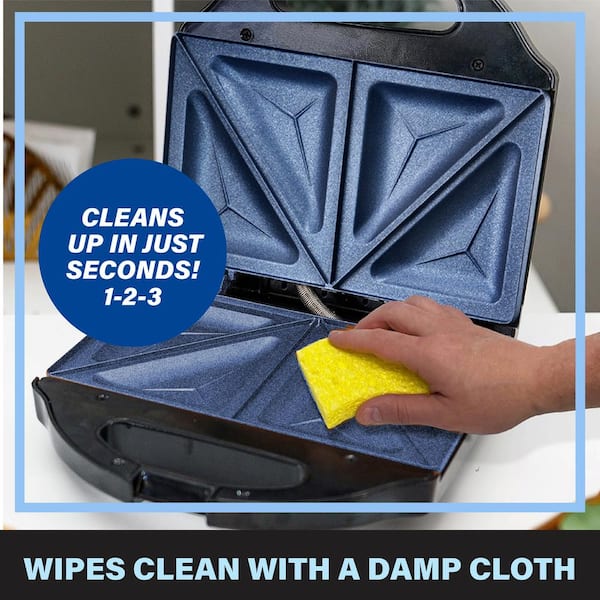
After unplugging the sandwich maker, let it cool down. Use a soft, damp cloth to wipe the plates gently.
This removes crumbs and light grease without damaging the non-stick surface.
Apply Mild Detergent
If the plates have sticky spots, add a small amount of mild detergent to the damp cloth. Wipe the plates carefully to clean.
Rinse the cloth with water and wipe again to remove any soap left on the plates.
Tackle Stubborn Residue
For tough, stuck-on food, use a soft brush or a wooden spatula to scrape gently. Do not use metal tools that can scratch the plates.
Warm water with a little detergent can help loosen the residue before wiping again with a cloth.
Clean The Exterior
Keeping your sandwich maker clean helps it last longer. The exterior can get dirty from food splashes and dust.
Cleaning the outside is simple and safe if you follow the right steps. Avoid damaging any parts.
Wipe With A Soft Cloth
Use a soft, dry cloth to wipe the sandwich maker’s outside. This removes dust and light stains.
If there are sticky spots, dampen the cloth slightly with water. Do not soak the cloth or the appliance.
- Choose a soft microfiber cloth
- Wipe gently in circular motions
- Use minimal water if needed
- Dry with a clean cloth afterward
Avoid Water Near Electrical Parts
Never pour water or spray liquid on the sandwich maker. Water near electrical parts can cause damage or shock.
Keep the plug, power cord, and control buttons dry at all times. Use a damp cloth only on the outer case.
- Unplug the sandwich maker before cleaning
- Keep water away from power cord and plug
- Do not immerse the appliance in water
- Clean with care around buttons and switches

Credit: shopsavvy.com
Clean Non-removable Plates
Cleaning sandwich maker plates that do not come out can be tricky. You must be careful to avoid damage and keep them hygienic.
Use the right tools and methods to clean without removing the plates. This guide helps you do it safely and effectively.
Use A Damp Sponge
Start cleaning by unplugging the sandwich maker and letting it cool. Then, use a soft damp sponge to wipe the plates gently.
- Moisten the sponge with warm water only
- Wring out excess water to avoid drips
- Gently wipe the plates to remove crumbs and grease
- Repeat if needed but avoid soaking the plates
Avoid Scratching The Surface
Do not use metal or abrasive tools. Scratches can damage the plates and make cleaning harder next time.
| Do | Don’t |
|---|---|
| Use soft cloth or sponge | Use steel wool or sharp scrapers |
| Clean gently in small circles | Scrub hard or use abrasive powders |
| Dry plates with a soft towel | Leave plates wet or dirty |
Dry And Reassemble
After cleaning your sandwich maker, drying all parts is important. Moisture can cause damage or rust. Taking time to dry ensures your appliance lasts longer.
Once dry, reassembling the sandwich maker correctly helps it work well. Follow simple steps to put everything back in place safely.
Ensure All Parts Are Dry
Use a clean towel or cloth to dry all removable parts. Pay special attention to the plates and drip tray. Air drying for a few minutes helps remove hidden moisture.
- Wipe sandwich plates carefully with a dry cloth
- Dry the drip tray completely
- Check the outer surface for water drops
- Leave parts to air dry if needed
Reattach Plates And Drip Tray
After drying, place the plates back into the sandwich maker. Then, slide the drip tray into its slot. Make sure each part fits securely to avoid problems during use.
| Part | How to Reattach |
| Sandwich Plates | Align with clips and press gently until locked |
| Drip Tray | Slide into bottom slot until it stops |
Regular Maintenance Tips
Keeping your sandwich maker clean helps it last longer. It also keeps your food tasting fresh and safe.
Regular care stops dirt and grease from building up. This guide shows simple ways to maintain your sandwich maker.
Preventive Measures
Prevent damage by using your sandwich maker properly. Avoid scratches and burns by following these tips.
- Always unplug the device before cleaning.
- Use wooden or plastic utensils to avoid scratching.
- Do not use harsh chemicals or abrasive pads.
- Clean spills immediately after cooking.
- Store the sandwich maker in a dry place.
Schedule Regular Cleaning
Set a cleaning routine to keep your sandwich maker working well. Clean it after every use and deep clean weekly.
| Cleaning Task | Frequency | Method |
| Wipe plates with damp cloth | After each use | Use warm water and mild soap |
| Remove crumbs and residues | After each use | Use soft brush or cloth |
| Deep clean plates | Once a week | Use non-abrasive sponge and mild detergent |
| Clean outer surface | Weekly | Wipe with damp cloth |
| Check power cord and plug | Monthly | Inspect for damage |
Credit: www.homedepot.com
Frequently Asked Questions
How Do I Safely Clean A Sandwich Maker?
Unplug the sandwich maker and let it cool completely. Use a damp cloth or sponge to wipe the plates. Avoid abrasive cleaners or metal utensils to prevent damage. For stubborn residue, use a soft brush or mild soapy water carefully.
Can I Use Water To Clean A Sandwich Maker?
Yes, but avoid submerging the appliance in water. Use a damp cloth or sponge with mild soap to clean the plates. Ensure no water enters the electrical parts. Wipe dry with a clean cloth before storing.
How Often Should I Clean My Sandwich Maker?
Clean the sandwich maker after every use to prevent buildup. Regular cleaning keeps it hygienic and maintains performance. Wipe plates immediately after cooling for easier residue removal. Deep clean monthly for thorough maintenance.
What’s The Best Method To Remove Stuck-on Food?
Use a soft brush or wooden spatula to gently scrape off stuck food. Avoid metal tools that can damage non-stick surfaces. For tough spots, apply warm soapy water and let it soak briefly before wiping.
Conclusion
Cleaning your sandwich maker keeps it working well and safe to use. Wipe it after every use to stop buildup. Use a soft cloth and mild soap to avoid damage. Never soak the whole appliance in water. Take care of small parts like removable plates carefully.
Regular cleaning saves time and makes your sandwiches taste better. Keep your sandwich maker fresh and ready anytime. Simple steps make a big difference. Easy to follow, easy to do. Your sandwich maker will thank you!