

Are you ready to add a burst of fresh flavor to your dishes with just a simple tool? A zester is your secret weapon for brightening up meals, desserts, and drinks.
But are you using it to its full potential? With the right tips, you can easily unlock the zest’s vibrant oils and aromas without any hassle or mess. Keep reading to discover how you can master your zester and transform your cooking with ease.
Your taste buds will thank you.
Credit: www.thislittlepigwenttomarket.com.au
Choosing The Right Zester
A zester is a handy tool for adding fresh zest to your recipes. Picking the right one makes your cooking easier.
There are many types of zesters. Knowing their differences helps you find the best fit for your kitchen.
Consider The Blade Type
Zesters have different blade styles. Some have sharp holes, while others have fine teeth for grating.
Choose a blade type based on the texture you want. Fine blades create delicate zest. Larger holes make coarser zest.
Look At The Handle Comfort
A comfortable handle helps you use the zester longer without strain. Look for soft grips or ergonomic shapes.
Handles made from rubber or silicone provide good grip. Metal handles can be slippery if wet.
Choose The Right Size
Zesters come in various sizes. Small ones are easy to control but cover less surface. Large ones speed up zesting.
Pick a size that matches your usual cooking needs. A medium size works well for most tasks.
Material Matters
Most zesters are made of stainless steel. This metal resists rust and stays sharp for a long time.
Plastic parts can make zesters lighter. Check if they feel sturdy and easy to clean.
Check For Easy Cleaning
Zesting can be messy. Choose a zester that is easy to wash by hand or in the dishwasher.
Some zesters have non-stick coatings or removable parts. These features help keep the tool clean.
Preparing The Citrus Fruit
Using a zester well starts with preparing the citrus fruit properly. Clean and dry fruit lets you get the best zest without any unwanted flavors or slips.
Taking time to wash and dry the fruit makes zesting easier and safer. Below are useful tips to help you prepare citrus fruit for zesting.
Washing Techniques
Before zesting, wash the citrus fruit to remove dirt, wax, and pesticides. Use cool water and gentle scrubbing to keep the peel fresh.
- Rinse the fruit under cool running water.
- Use a soft brush or cloth to clean the skin gently.
- Avoid soaps or detergents to keep the zest pure.
- Rinse again to wash away any loosened particles.
Drying Methods
Drying the citrus fruit after washing helps prevent slipping while zesting. A dry surface also makes zesting cleaner and easier.
| Drying Method | How to Do It | Benefits |
| Air Dry | Place fruit on a clean towel for 10–15 minutes. | Hands-free, gentle drying. |
| Towel Dry | Pat fruit gently with a clean, dry cloth or paper towel. | Quick and effective drying. |
| Spin Dry | Use a salad spinner lined with a towel to remove water. | Removes water quickly without bruising. |
Mastering Zesting Techniques
Zesting adds fresh flavor to many dishes using citrus peels. It is important to learn the right way to use a zester.
Good zesting brings out the oils without the bitter white part. This guide helps you improve your zesting skills.
Proper Grip And Angle
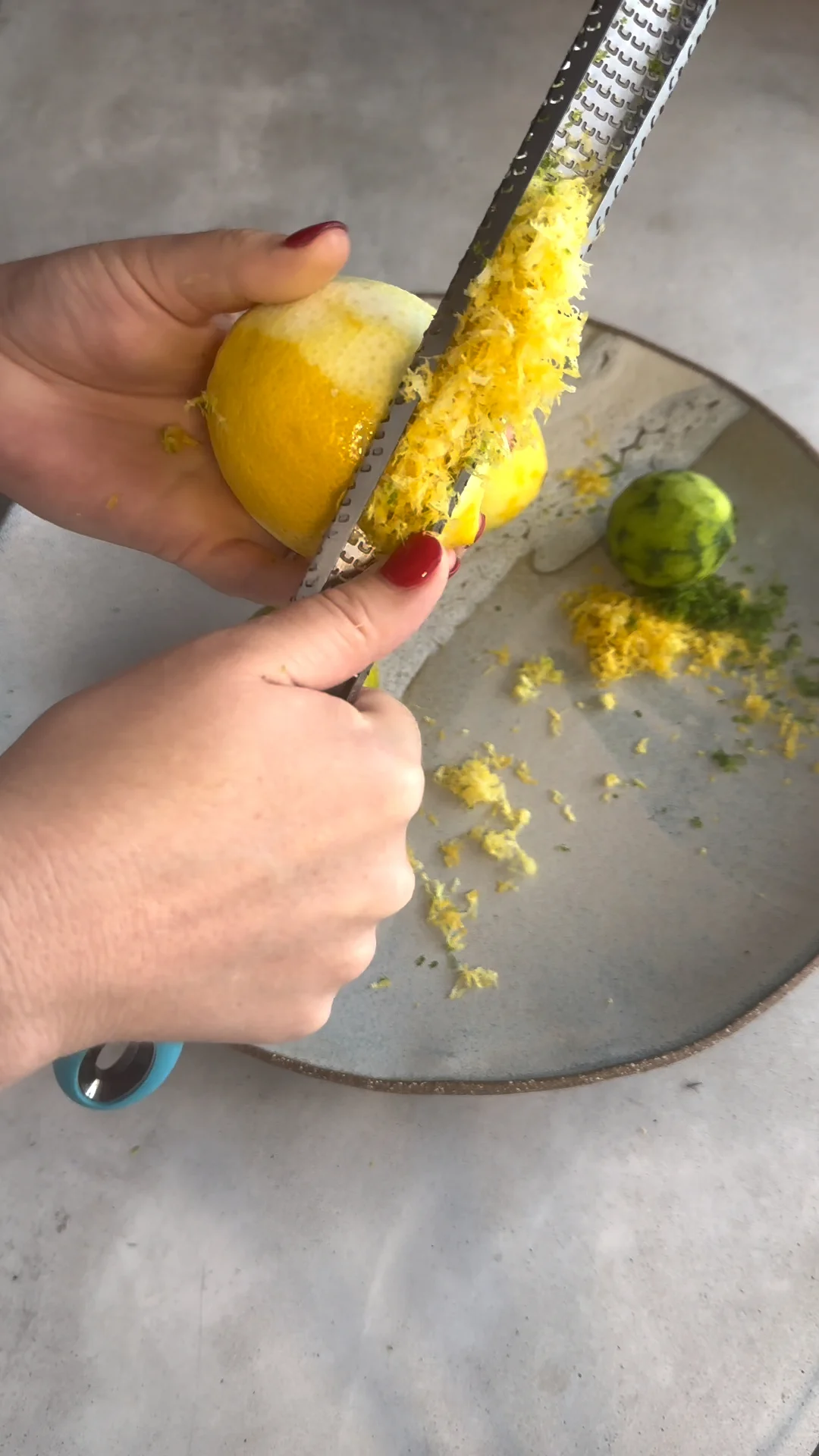
Hold the zester firmly with your dominant hand. Keep your fingers away from the sharp edges to avoid cuts.
Angle the zester slightly against the fruit’s skin. This helps you remove only the colored zest, not the bitter pith.
- Grip the handle firmly but comfortably
- Hold the fruit steady with your other hand
- Keep the zester at about a 30-degree angle
- Move the zester down the fruit in one direction
Consistent Pressure
Apply even pressure while zesting to get thin, uniform strips. Too much force can dig into the white pith.
Light pressure helps release the oils from the zest. Keep your movements smooth and steady for best results.
- Press gently but firmly on the fruit
- Use steady strokes without stopping
- Adjust pressure if zest looks too thick or white
- Practice to find the right balance
Avoiding The Pith
Using a zester is great for adding fresh flavor to dishes. But the pith, the white part under the peel, tastes bitter.
Avoiding the pith helps keep your zest bright and tasty. Learn how to spot and steer clear of it.
Identifying The Pith
The pith is the white, spongy layer beneath the colored skin of citrus fruits. It looks soft and thick.
When you zest, you want only the thin colored outer layer. The pith has a dull color and feels rough.
- Look for the bright, shiny peel on the fruit’s surface
- Notice the white layer under the peel – this is the pith
- The pith is thicker near the fruit’s ends and under the peel
Techniques To Steer Clear
Hold the zester lightly and use gentle pressure. Only scrape the outer peel’s surface.
Use short strokes to control how much peel you remove. Stop if you see white parts.
- Rotate the fruit slowly as you zest
- Apply light pressure to avoid cutting too deep
- Check the zest often for any white pith bits
- Use a fine zester to get thin strips of peel
Maximizing Zest Flavor
Zest adds bright, fresh flavors to dishes. Using it well can lift your cooking.
Knowing how to use and store zest helps keep its strong aroma and taste.
Using Fresh Zest
Fresh zest has the best flavor. Use it soon after grating for the strongest taste.
- Zest only the outer colorful layer, avoiding the bitter white pith.
- Grate zest directly over your dish to catch all the oils.
- Add zest near the end of cooking to keep its bright flavor.
- Use a microplane or fine grater for thin, even zest strips.
Storing Zest For Later
Save extra zest by storing it properly. This keeps flavor for future use.
| Storage Method | How to Store | Storage Time |
| Refrigerator | Wrap in plastic wrap or airtight container | 1–2 days |
| Freezer | Freeze in a small sealed bag or container | Up to 3 months |
| Drying | Spread on paper, air dry, then store in jar | Several weeks |

Credit: www.delish.com
Zesting Beyond Citrus
A zester is not just for lemons and oranges. It can add flavor to many other foods. Using a zester in new ways can bring fresh tastes to your dishes.
Try zesting spices and fruits to explore different flavors. It is easy and adds a nice touch to your cooking and baking.
Using With Spices
You can zest spices like cinnamon sticks and nutmeg to add fresh aroma. Zesting spices releases their oils and enhances dishes without grinding.
- Zest cinnamon sticks for baking and hot drinks.
- Use fresh nutmeg zest to top desserts or coffee.
- Try zesting dried ginger for a spicy kick.
- Grate star anise for a subtle licorice flavor.
Zesting Other Fruits
You can zest fruits beyond citrus. Pineapple, apples, and melons work well. The zest adds bright, fresh flavors to many recipes.
| Fruit | Best Uses |
| Pineapple | Salads, desserts, drinks |
| Apple | Baked goods, oatmeal, yogurt |
| Watermelon | Salsas, cocktails, sorbets |
| Cucumber | Salads, smoothies, dips |
Cleaning And Maintaining Your Zester
A zester is a handy kitchen tool that needs regular care. Keeping it clean helps it work well and last longer.
Proper cleaning and storage prevent rust and keep the blades sharp. Follow these simple tips to maintain your zester.
Proper Cleaning Techniques
Clean your zester right after use to stop food from drying on the blades. Use warm water and mild soap for washing.
- Rinse the zester under running water to remove loose bits.
- Use a small brush or toothbrush to clean between the blades carefully.
- Avoid using steel wool or harsh scrubbers that can damage the surface.
- Dry the zester immediately with a soft cloth to stop rust.
- For tough residue, soak the zester in warm soapy water for a few minutes before scrubbing.
Storage Tips
Store your zester in a dry place to keep it in good shape. Proper storage also protects the sharp edges.
| Storage Method | Benefits |
| Hanging on a hook | Keeps it dry and easy to find |
| In a drawer with blade cover | Protects blades and prevents accidents |
| Inside a utensil holder | Organizes tools and keeps them handy |
| Avoid stacking with heavy items | Prevents damage to the blades |

Credit: www.delish.com
Frequently Asked Questions
What Is The Best Way To Hold A Zester?
Hold the zester firmly with your dominant hand. Use your other hand to stabilize the fruit or vegetable. This grip ensures safety and control while zesting, helping you get fine, even zest without slipping or injury.
How Do You Clean A Zester Properly?
Rinse the zester immediately after use under warm water. Use a small brush to remove zest stuck in holes. Dry it thoroughly to prevent rust and maintain sharpness for future use.
Can You Zest Frozen Fruits With A Zester?
Yes, but zesting frozen fruits is harder. Thaw the fruit slightly for easier zesting. Frozen skin is tough and can damage the zester or produce uneven zest.
What Fruits Are Ideal For Using A Zester?
Citrus fruits like lemons, limes, and oranges are perfect. Their thin, aromatic skin adds flavor without bitterness. Avoid zesting the white pith, as it tastes bitter.
Conclusion
Using a zester adds fresh flavor to many dishes. Practice your technique to zest safely and evenly. Clean your zester after each use to keep it sharp. Try zesting citrus, cheese, or spices for variety. Small efforts bring big taste to your cooking.
Keep these tips in mind for easy zesting. Enjoy the bright, fresh touch a zester gives.