
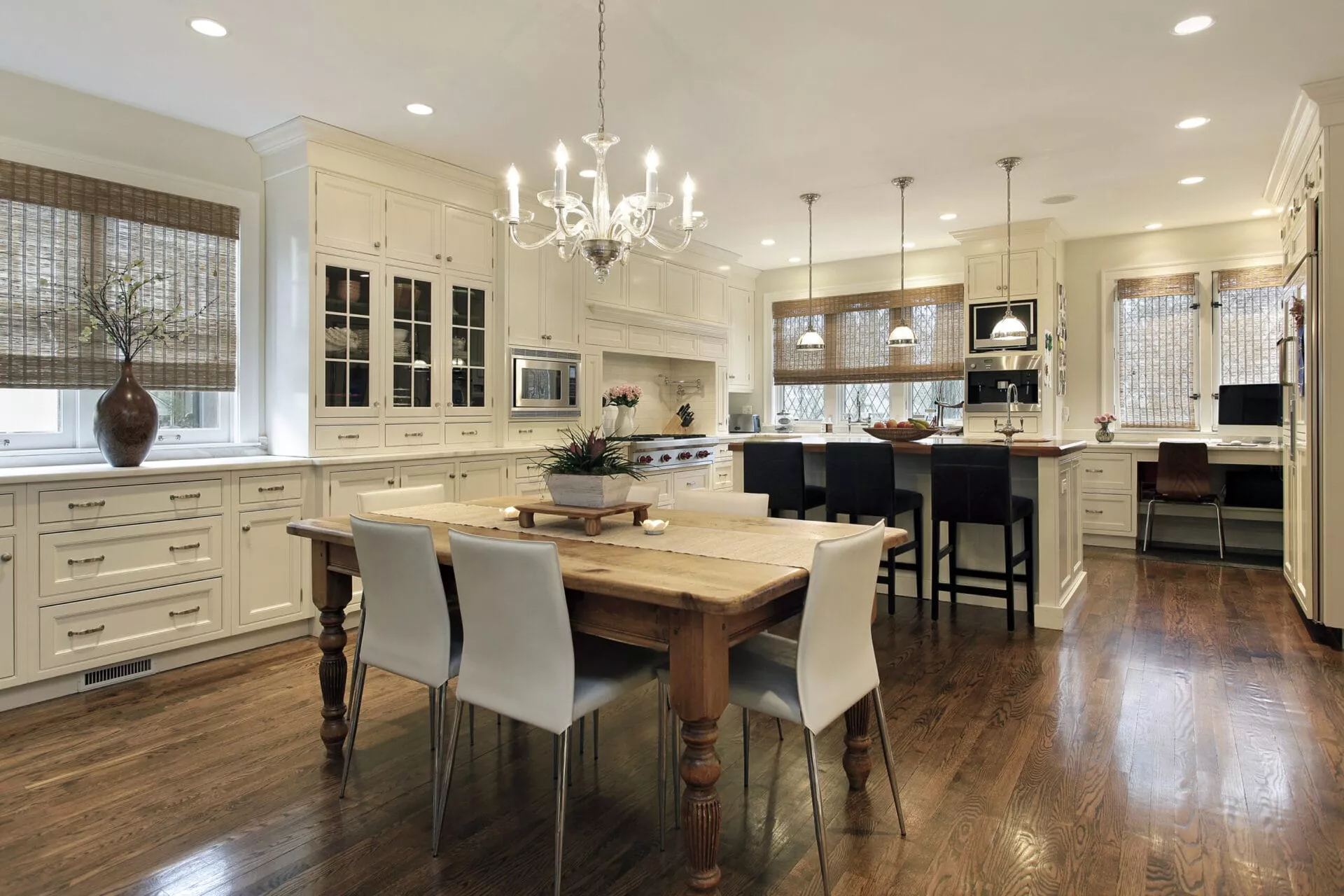
Your kitchen is more than just a place to cook—it’s where memories are made, conversations flow, and comfort fills the air. The right lighting can transform this space, setting the perfect mood for every moment.
But choosing kitchen lighting for ambiance can feel overwhelming. What styles work best? How do you balance brightness with warmth? You’ll discover simple, effective tips to help you pick lighting that not only brightens your kitchen but also creates a welcoming, cozy atmosphere you’ll love.
Keep reading, and unlock the secret to a kitchen that feels just right every time you step inside.
Importance Of Kitchen Lighting
Good kitchen lighting helps you cook safely and comfortably. It also makes the space feel warm and welcoming.
Choosing the right lighting can change the mood in your kitchen. It highlights areas where you work and where you relax.
Enhancing Visibility
Bright lighting helps you see what you are doing. It reduces mistakes and accidents while preparing food.
Creating Ambiance
Lighting sets the mood for your kitchen. Soft lights create a cozy feel. Bright lights make it lively and energetic.
- Use dimmable lights to control brightness
- Mix warm and cool light tones
- Add under-cabinet lights for tasks
- Include overhead lights for overall brightness
Energy Efficiency
Efficient lighting lowers energy bills. LED bulbs use less power and last longer than other bulbs.
| Lighting Type | Energy Use | Average Lifespan |
| Incandescent | High | 1,000 hours |
| Fluorescent | Medium | 8,000 hours |
| LED | Low | 25,000 hours |
Safety Considerations
Proper lighting reduces slips and cuts. Bright light in cooking and cleaning zones keeps you safe.
Tip:Place lights above the stove and sink. These spots need the most attention.

Credit: www.magnet.co.uk
Types Of Kitchen Lighting
Lighting plays a key role in setting the mood in your kitchen. Different types of lighting serve different purposes. Choosing the right mix of lights helps create a warm and functional space.
Understanding the main types of kitchen lighting will guide you in picking the best options. These include ambient, task, and accent lighting.
Ambient Lighting
Ambient lighting provides overall illumination. It lights up the entire kitchen evenly. This type of lighting creates a comfortable level of brightness without glare.
- Ceiling-mounted fixtures
- Recessed lights
- Flush mount lights
- LED panel lights
Task Lighting
Task lighting focuses light on specific work areas. It helps you see clearly while cooking, chopping, or reading recipes. Good task lighting reduces eye strain and improves safety.
| Area | Lighting Type | Common Fixtures |
| Countertops | Focused | Under-cabinet lights |
| Kitchen island | Bright and direct | Pendant lights |
| Sink area | Bright and shadow-free | Track lighting |
Accent Lighting
Accent lighting highlights design features. It adds depth and style to your kitchen. You can use it to show off art, plants, or textured walls.
Popular accent lighting options include:
- Strip lights under cabinets
- Spotlights on shelves
- Toe-kick lighting below cabinets
Selecting The Right Fixtures
Choosing the right kitchen lighting fixtures sets the room’s mood. Fixtures should match the kitchen’s style and size.
Good fixtures balance brightness and ambiance. They should also highlight key kitchen areas.
Chandeliers And Pendants
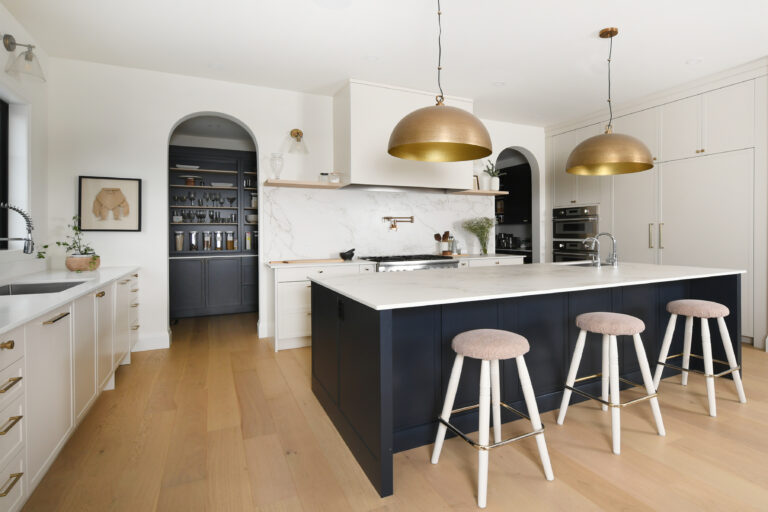
Chandeliers add a stylish touch and create a focal point. Pendants work well over islands or dining areas.
Choose fixtures with dimmable bulbs to control light levels. Pick sizes that fit the room without crowding it.
- Use chandeliers for elegance and charm
- Pendants highlight specific areas
- Consider glass or metal materials
- Match fixture style to kitchen decor
Recessed Lighting
Recessed lights are great for even, unobtrusive lighting. They fit flush with the ceiling and save space.
Place them to avoid shadows on work surfaces. Use warm bulbs to create a cozy ambiance.
- Space evenly for balanced light
- Use adjustable trims for focused light
- Combine with other fixtures for layers
- Choose LED bulbs for energy savings
Under-cabinet Lights
Under-cabinet lights brighten countertops and workspaces. They help with food preparation and add ambiance.
Pick low-profile fixtures that do not glare. LED strips or puck lights work well for this purpose.
- Install to reduce shadows on counters
- Choose warm light to match kitchen tone
- Use dimmable options for mood control
- Hide wires for a clean look
Choosing Bulbs For Ambiance
Lighting sets the mood in your kitchen. The right bulbs create a warm and inviting space.
Choosing the right bulb type and color temperature helps you get the ambiance you want.
Led Vs. Incandescent
LED bulbs save energy and last longer than incandescent bulbs. They come in many colors.
Incandescent bulbs offer warm light but use more power and burn out faster.
- LED bulbs: energy-efficient, longer life, various color options
- Incandescent bulbs: warm light, higher energy use, shorter lifespan
Color Temperature Considerations
Color temperature affects how warm or cool the light feels. It is measured in Kelvins (K).
Lower Kelvin numbers give soft, warm light. Higher numbers create bright, cool light.
| Color Temperature (Kelvin) | Light Feel | Best Use in Kitchen |
|---|---|---|
| 2700K – 3000K | Warm, cozy | Dining areas, ambient lighting |
| 3500K – 4100K | Neutral, bright | General kitchen lighting |
| 5000K – 6500K | Cool, daylight | Task lighting, workspaces |
Layering Light For Effect
Good kitchen lighting creates a warm and inviting atmosphere. Layering light helps you add depth and style to your space.
Using different types of light together makes the kitchen look balanced and comfortable for all activities.
Combining Different Light Sources
Mixing ambient, task, and accent lighting adds interest and function. Each light type serves a special purpose in the kitchen.
- Ambient light fills the room with general brightness.
- Task light focuses on work areas like counters and sinks.
- Accent light highlights features such as art or cabinets.
Balancing Light Levels
Keep light levels even to avoid glare and shadows. Balance bright and soft lights for a cozy feel.
| Light Type | Purpose | Recommended Brightness |
| Ambient | General lighting | 300-400 lumens per square meter |
| Task | Focused work light | 500-700 lumens per work area |
| Accent | Decorative highlights | 100-300 lumens |

Credit: www.magnet.co.uk
Smart Lighting Solutions
Choosing the right kitchen lighting can change the mood of your space. Smart lighting helps you control brightness and color easily.
With smart systems, you can set the perfect ambiance for cooking, dining, or relaxing in your kitchen.
Dimmable Options
Dimmable lights let you adjust the brightness to fit any mood or task. You can make the kitchen bright for cooking or soft for dinner.
- Use LED bulbs that work well with dimmers
- Choose dimmers compatible with your smart system
- Set preset brightness levels for different activities
- Control dimming from your phone or voice assistant
Automated Lighting Systems
Automated lighting saves time and energy. Lights turn on and off based on your presence or time of day.
| Feature | Benefit |
| Motion Sensors | Lights turn on when you enter the kitchen |
| Scheduling | Set lights to follow your daily routine |
| Voice Control | Hands-free lighting adjustments |
| Remote Access | Control lights from anywhere using an app |
Avoiding Common Mistakes
Choosing the right kitchen lighting helps create the perfect mood. Many people make simple errors that affect the ambiance.
Learn about common mistakes to avoid for better kitchen lighting and a cozy atmosphere.
Over-illumination
Too much light can make your kitchen feel harsh and cold. Bright lights are good for tasks but not for ambiance.
Balance bright and soft lighting to avoid a washed-out look. Use layers of light for a warm feel.
- Use lower watt bulbs in fixtures meant for mood lighting
- Combine overhead lights with under-cabinet lights
- Choose warm white lights instead of cool white
Neglecting Dimmer Switches
Not using dimmer switches limits your control over the kitchen’s mood. Dimmers help adjust light levels easily.
Install dimmers to change lighting from bright for cooking to soft for dining or relaxing.
- Choose dimmers compatible with your bulbs
- Use dimmers on overhead and accent lights
- Adjust light levels to fit different times of day
Credit: decorcabinets.com
Consulting With Lighting Professionals
Choosing the right kitchen lighting can change the feel of your space. Lighting professionals help you find the best options for your needs.
They bring experience to create the perfect ambiance. Working with experts saves time and avoids costly mistakes.
When To Seek Expert Advice
Experts can guide you if your kitchen lighting plan feels confusing. Consider talking to a professional if:
- You want layered lighting for different moods.
- Your kitchen has unusual shapes or sizes.
- You need energy-efficient and code-compliant solutions.
- You plan to install smart lighting systems.
- You feel unsure about fixture placement and styles.
Questions To Ask A Lighting Consultant
| Question | Purpose |
| What lighting style fits my kitchen design? | Match lighting with your kitchen’s look. |
| How many light layers should I have? | Balance ambient, task, and accent lighting. |
| What bulb types work best for ambiance? | Choose bulbs with the right color and brightness. |
| Can you suggest energy-saving options? | Save on electricity without losing quality. |
| What is the best placement for fixtures? | Ensure even light and reduce shadows. |
| Do I need special wiring or controls? | Plan for dimmers, timers, or smart features. |
Frequently Asked Questions
What Type Of Lighting Creates The Best Kitchen Ambiance?
Soft, warm LED lights create a cozy kitchen ambiance. Use dimmable fixtures to adjust brightness for different moods. Layer lighting with task and accent lights for balance and depth.
How Do I Choose Lighting For Kitchen Tasks?
Select bright, focused task lighting for cooking and prep areas. Under-cabinet LED strips work well. Ensure even light distribution to avoid shadows and improve visibility.
Can Kitchen Lighting Improve Room Aesthetics?
Yes, stylish fixtures enhance kitchen design and ambiance. Pendant lights add charm over islands. Combining various light sources highlights textures and colors effectively.
What Are Energy-efficient Lighting Options For Kitchens?
LED bulbs are energy-efficient and long-lasting. They use less electricity and produce less heat. Choose LED fixtures with adjustable color temperatures for versatility.
Conclusion
Choosing the right kitchen lighting sets the perfect mood. Soft lights create warmth for cozy meals. Bright lights help with cooking tasks. Mixing different lights adds depth and style. Dimmer switches give control over brightness. Think about how you use your kitchen daily.
Small changes make a big difference in ambiance. Your kitchen can feel inviting and practical. Take time to pick lights that suit your space. Enjoy a kitchen that looks good and feels right.