
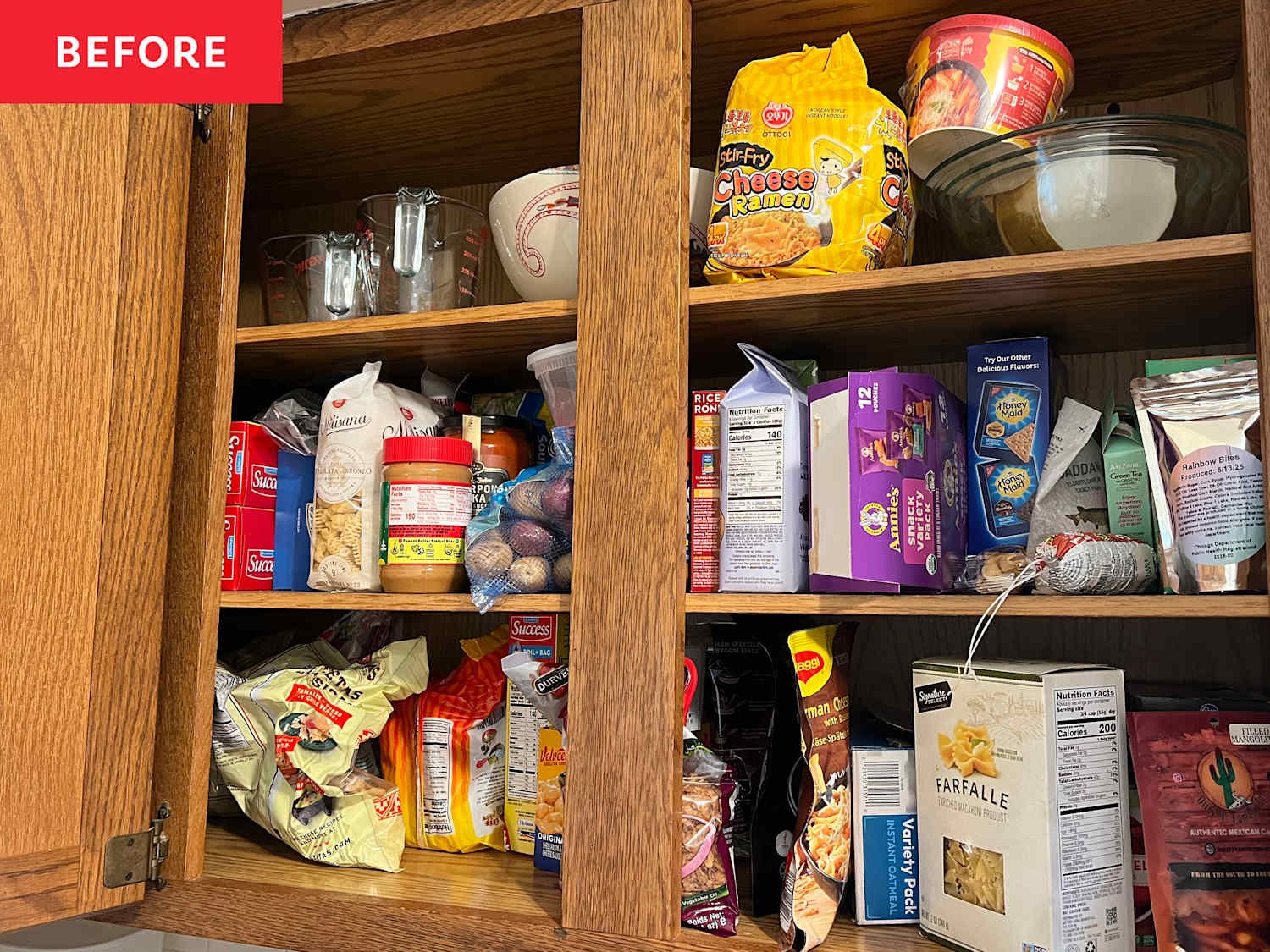
Are your cabinets a constant source of frustration? Finding what you need should be easy, but clutter often stands in the way.
Choosing the right cabinet organizers can change that. Imagine opening your cabinets and instantly spotting everything you need—no more digging or mess. You’ll discover simple, practical tips to help you pick organizers that fit your space and lifestyle perfectly. Keep reading, and transform your cabinets into a neat, stress-free zone you’ll love.
Assessing Your Storage Needs
Choosing the right cabinet organizers starts with knowing what you need to store. Assessing your storage needs helps you pick the best solutions.
Look at the types of items you want to organize. Think about their size, shape, and how often you use them.
Identify What You Store
Make a list of all items stored in your cabinets. This includes dishes, cleaning supplies, or food items.
Knowing what you keep helps you find organizers that fit those items well.
Measure Your Cabinet Space
Measure the width, height, and depth of your cabinets. This will guide you in choosing organizers that fit perfectly.
Keep in mind any pipes, shelves, or other obstacles inside the cabinet.
Consider How You Use Your Items
Think about how often you use each item. Items used daily should be easy to reach.
Less used items can be stored in harder-to-reach places with larger or bulkier organizers.
Evaluate Item Sizes And Shapes
Look at the size and shape of your stored items. Tall bottles need different organizers than small plates.
- Use tall organizers for bottles and jars
- Flat organizers work for plates and trays
- Adjustable organizers fit mixed items
Plan For Future Storage Needs
Think about any new items you might add soon. Choose organizers that can grow with your needs.
Flexible organizers save space and money in the long run.
Types Of Cabinet Organizers
Choosing the right cabinet organizers helps keep your kitchen tidy. Different types serve different needs. Understanding them makes your choice easier.
Below are common types of cabinet organizers. Each type offers unique benefits for storage and access.
Pull-out Shelves
Pull-out shelves slide out smoothly to give easy access to items in deep cabinets. They reduce the need to bend or reach far. These shelves are great for pots, pans, and appliances.
Lazy Susans
Lazy Susans are rotating trays that fit inside corner cabinets. They make it simple to reach items stored in the back. Use them for spices, jars, or small containers.
Drawer Dividers
Drawer dividers keep utensils and small items organized. They separate different types of tools and stop clutter. You can adjust or remove dividers as needed.
- Separate spoons, forks, and knives
- Organize cooking tools like peelers and scissors
- Keep small gadgets in place
Tiered Shelving
Tiered shelving adds multiple levels inside a cabinet. It helps stack items without hiding anything behind. This setup works well for canned goods and baking ingredients.
| Type | Best Use | Benefit |
| Pull-Out Shelves | Deep cabinets | Easy access to heavy items |
| Lazy Susans | Corner spaces | Reach items in the back |
| Drawer Dividers | Utensil drawers | Keep small items tidy |
| Tiered Shelving | Pantry cabinets | Organize stacked items |
Measuring Your Space
Choosing the right cabinet organizers starts with knowing your space well. Accurate measurements help find organizers that fit perfectly.
Take your time to measure carefully. This ensures you avoid buying items that are too big or too small.
Height And Width
Measure the height and width inside your cabinet. Use a tape measure for best results. Record these numbers before shopping.
- Measure from the bottom to the top inside the cabinet for height.
- Measure the left to right inside the cabinet for width.
- Note any obstacles like pipes or shelves that reduce space.
- Double-check your numbers for accuracy.
Depth Considerations
Depth is the space from the front to the back inside your cabinet. It affects how deep your organizer can be.
| Depth Size | Organizers to Consider | Notes |
|---|---|---|
| Less than 12 inches | Shallow trays, small baskets | Avoid deep pull-outs |
| 12 to 18 inches | Standard shelves, pull-out drawers | Most common cabinet depth |
| More than 18 inches | Deep bins, tiered racks | Use organizers that maximize vertical space |
Material And Durability
Choosing the right cabinet organizer depends a lot on its material. The material affects the strength and how long it lasts. Good durability means the organizer will hold up over time.
This guide looks at common materials used for cabinet organizers. It helps you decide which one fits your needs best.
Wood Vs. Metal
Wood and metal are popular choices for cabinet organizers. Each has its own benefits and drawbacks in terms of strength and appearance.
| Material | Durability | Appearance | Care |
| Wood | Strong but can warp if wet | Warm and classic look | Needs occasional polishing |
| Metal | Very strong and rust-resistant | Modern and sleek | Easy to clean with cloth |
Wood organizers add a natural feel. Metal organizers hold up well in moist areas like kitchens.
Plastic Options
Plastic organizers come in many styles and colors. They are lightweight and resist moisture well.
- Easy to clean with soap and water
- Less strong than wood or metal
- Good for light storage needs
- Affordable and widely available
Choose plastic for simple, low-weight organizing. Avoid heavy items as plastic may crack under pressure.
Aesthetic And Style
Choosing the right cabinet organizers is not just about function. Style and looks also matter a lot. The right design can make your kitchen or bathroom feel more inviting.
Focus on how the organizer fits with your room’s overall look. This helps create a neat and pleasant space.
Color Coordination
Pick cabinet organizers in colors that match or complement your cabinets. This makes the space look balanced and neat.
Use soft or neutral colors for a calm feel. Bright colors add energy but use them carefully.
- Match colors with cabinet doors or shelves
- Use contrasting colors to highlight organizers
- Choose colors that hide dirt and stains
Matching Home Decor
Make sure your cabinet organizers fit the style of your home. Rustic, modern, or classic styles need different types of organizers.
Look at materials and shapes that match your furniture and decor items. This creates a smooth and stylish look.
- Use wood or wicker for rustic homes
- Choose sleek metal or glass for modern looks
- Pick classic designs for traditional decor
- Consider the shape and size to fit your space

Credit: www.cliqstudios.com
Budget-friendly Choices
Choosing cabinet organizers on a budget does not mean low quality. You can find many affordable options that keep your kitchen tidy.
This guide focuses on brands that offer good value and on DIY ideas that save money.
Affordable Brands
Several brands offer cabinet organizers that combine quality and low prices. These are great for those who want durable products without spending too much.
- Simple designs that fit most cabinets
- Made from sturdy materials like plastic or metal
- Easy to install without tools
- Available in many stores and online
| Brand | Price Range | Material | Features |
| OrganizeIt | $10 – $25 | Plastic | Stackable trays, adjustable shelves |
| KitchenEase | $15 – $30 | Metal | Sliding racks, wire baskets |
| StoreSmart | $8 – $20 | Wood & Plastic | Drawer dividers, lazy susans |
Diy Solutions
DIY cabinet organizers can be very budget-friendly. You can use simple materials and create custom storage to fit your needs.
- Use cardboard or wood to make dividers
- Repurpose small boxes for drawer storage
- Install tension rods for hanging items
- Create stackable shelves from wooden planks
DIY Tip:Paint or cover your DIY organizers with contact paper to match your kitchen style.
Installation Tips
Installing cabinet organizers can help keep your space tidy. Follow some simple tips for easy setup.
Good installation makes your organizers last longer and work better. Prepare well before you start.
Tools Required
Gathering the right tools helps you install cabinet organizers quickly. This saves time and effort.
- Measuring tape for accurate dimensions
- Pencil or marker to mark spots
- Drill with drill bits for holes
- Screwdriver to secure screws
- Level to keep organizers straight
- Safety goggles to protect your eyes
Step-by-step Process
Follow these steps to install cabinet organizers correctly. Take your time for the best results.
- Clear out the cabinet to have enough space.
- Measure the cabinet’s width, height, and depth.
- Mark where the organizer will be placed.
- Check the level to ensure the organizer will be straight.
- Drill holes at the marked spots carefully.
- Attach the organizer with screws using a screwdriver.
- Double-check the level and adjust if needed.
- Put back items inside the cabinet neatly.

Credit: www.primecabinetry.com
Maximizing Space Efficiency
Choosing the right cabinet organizers helps you save space. It makes your kitchen or office neat and easy to use.
Good organizers use every inch of your cabinet well. This guide shows simple ways to make the most of your space.
Vertical Storage
Vertical storage uses the height of your cabinet. It keeps items stacked without wasting space.
Use shelves, racks, or stackable bins to add layers. This helps you store more items in a small area.
- Add tiered shelves for plates or spices
- Use hanging racks for lids or mugs
- Stack containers to save floor space
- Install hooks to hang tools or utensils
Utilizing Corners
Corners are often empty or hard to reach. Proper organizers make corners useful and easy to access.
Corner shelves, lazy Susans, or pull-out trays help you use this space well. They keep things visible and within reach.
- Install a lazy Susan for round storage
- Use pull-out trays for deep corners
- Place corner shelves to hold small items
- Choose rotating racks to save effort
Maintenance And Care
Keeping your cabinet organizers clean and well-maintained helps them last longer.
Proper care prevents damage and keeps your kitchen looking neat and tidy.
Cleaning Tips
Regular cleaning removes dust, crumbs, and spills from your cabinet organizers.
- Use a soft cloth with mild soap and water for cleaning.
- Dry the organizers completely to avoid moisture damage.
- Avoid harsh chemicals that can damage surfaces.
- Clean spills immediately to prevent stains.
- Remove items before cleaning to reach all areas.
Longevity Practices
Good habits extend the life of your cabinet organizers and keep them working well.
| Practice | Benefit |
| Do not overload shelves or drawers | Prevents breakage and warping |
| Check and tighten screws regularly | Keeps organizers stable and secure |
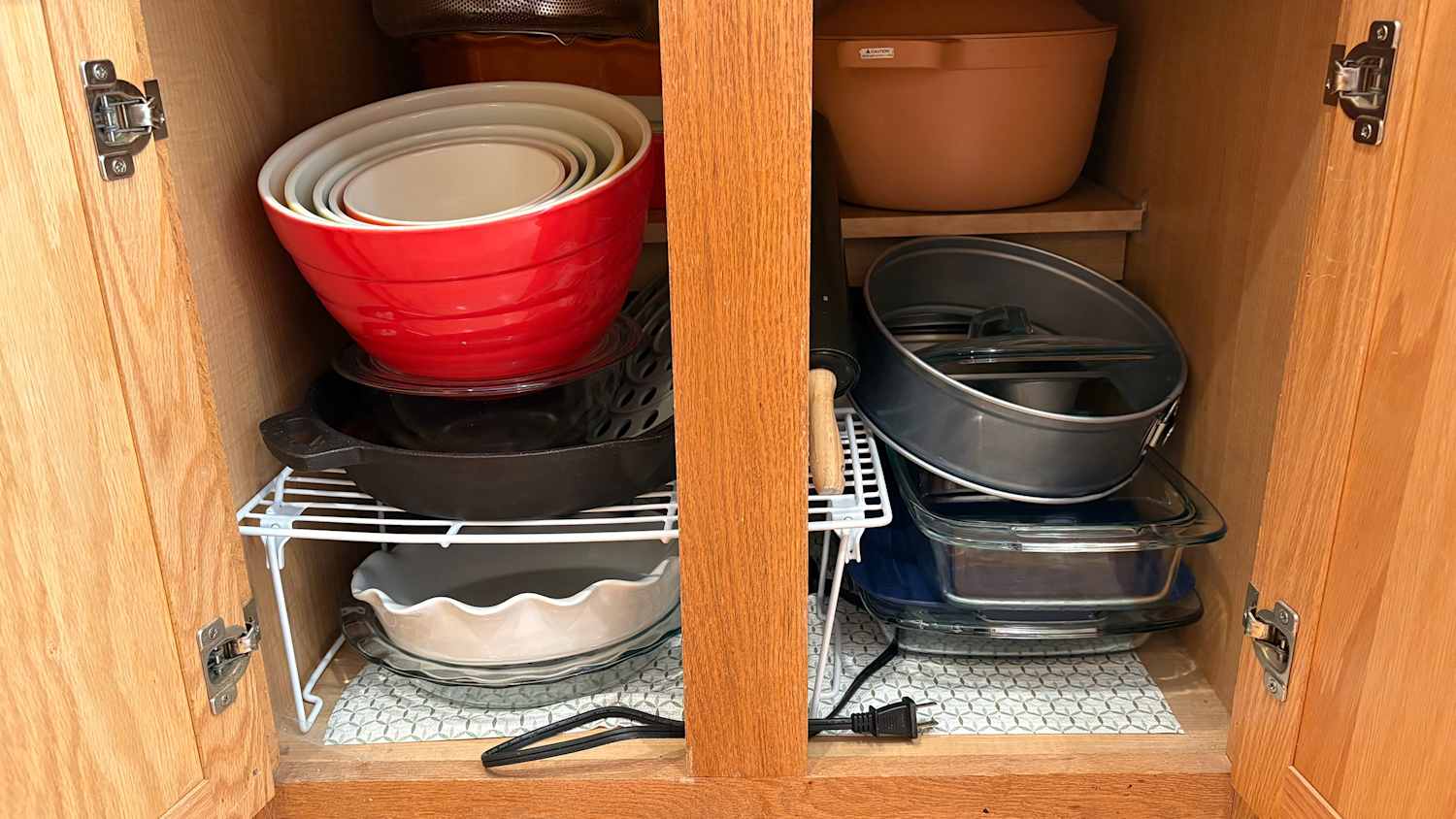
| Use liners to protect surfaces | Stops scratches and stains |
| Keep organizers dry and ventilated | Reduces mold and mildew growth |
Credit: www.apartmenttherapy.com
Frequently Asked Questions
What Are The Best Materials For Cabinet Organizers?
The best materials include bamboo, metal, and durable plastic. Bamboo is eco-friendly and sturdy. Metal offers strength and longevity. Plastic is lightweight and versatile. Choose based on your kitchen style and durability needs for optimal organization.
How To Measure Cabinets Before Buying Organizers?
Measure cabinet width, height, and depth accurately. Use a tape measure and note all dimensions. Consider door clearance and internal shelves. Proper measurement ensures organizers fit perfectly and maximize storage space without clutter.
Which Cabinet Organizers Save The Most Kitchen Space?
Pull-out shelves, stackable bins, and lazy Susans save space effectively. They optimize vertical and corner areas. These organizers keep items accessible and reduce clutter. Choose based on cabinet layout and storage needs for best results.
Can Cabinet Organizers Improve Kitchen Safety?
Yes, organizers prevent clutter and accidental spills. They keep sharp objects secure and easy to find. Proper storage reduces risk of injury and enhances kitchen efficiency. Organizers create a safer cooking environment for everyone.
Conclusion
Choosing the right cabinet organizers can save space and reduce clutter. Think about your needs and the types of items you store. Measure your cabinets carefully before buying. Select organizers that fit well and are easy to use. Simple designs often work best for daily access.
Organizers help keep your kitchen neat and items easy to find. Start small and add more as needed. A well-organized cabinet makes cooking and cleaning faster. Take time to plan, and enjoy a tidier home.