
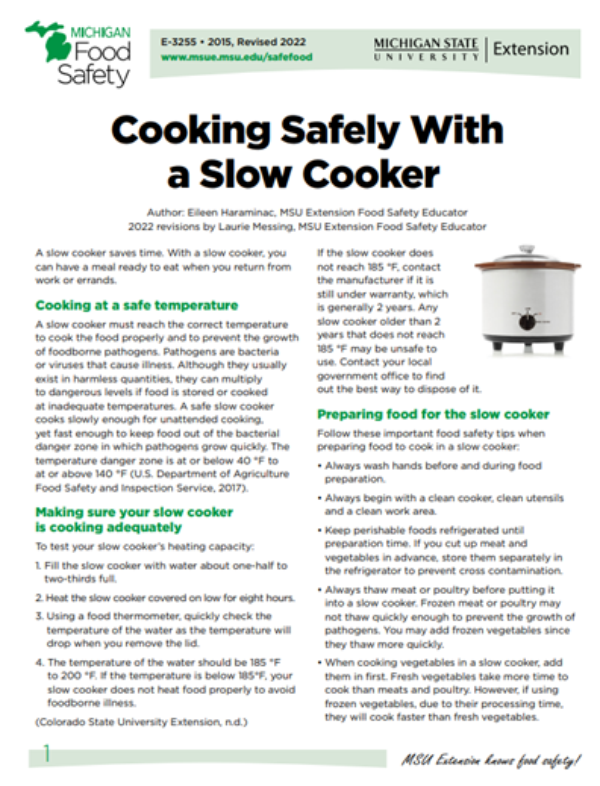
You rely on your slow cooker to make mealtime easy and delicious. But are you giving it the care it needs to keep working perfectly?
Knowing how to maintain a slow cooker can save you time, money, and frustration. You’ll discover simple steps to keep your slow cooker clean, safe, and ready for your next meal. Keep reading to unlock the secrets that will extend your appliance’s life and make every dish turn out just right.
Choosing The Right Slow Cooker
Selecting the right slow cooker helps you cook meals easily and safely.
Think about how many people you will cook for and the types of dishes you like.
Size And Capacity Considerations
Slow cookers come in different sizes. Choose one that fits your needs.
- Small cookers hold 1 to 3 quarts. Good for singles or couples.
- Medium cookers hold 4 to 6 quarts. Fit families of 3 to 5 people.
- Large cookers hold 7 quarts or more. Ideal for big families or parties.
Material And Features
| Material | Advantages | Considerations |
|---|---|---|
| Ceramic | Even heating and easy to clean. | Fragile and can chip if dropped. |
| Metal (Stainless Steel) | Durable and often dishwasher safe. | May heat unevenly without a ceramic insert. |
| Features | Programmable timers and temperature settings. | Can add convenience but may cost more. |
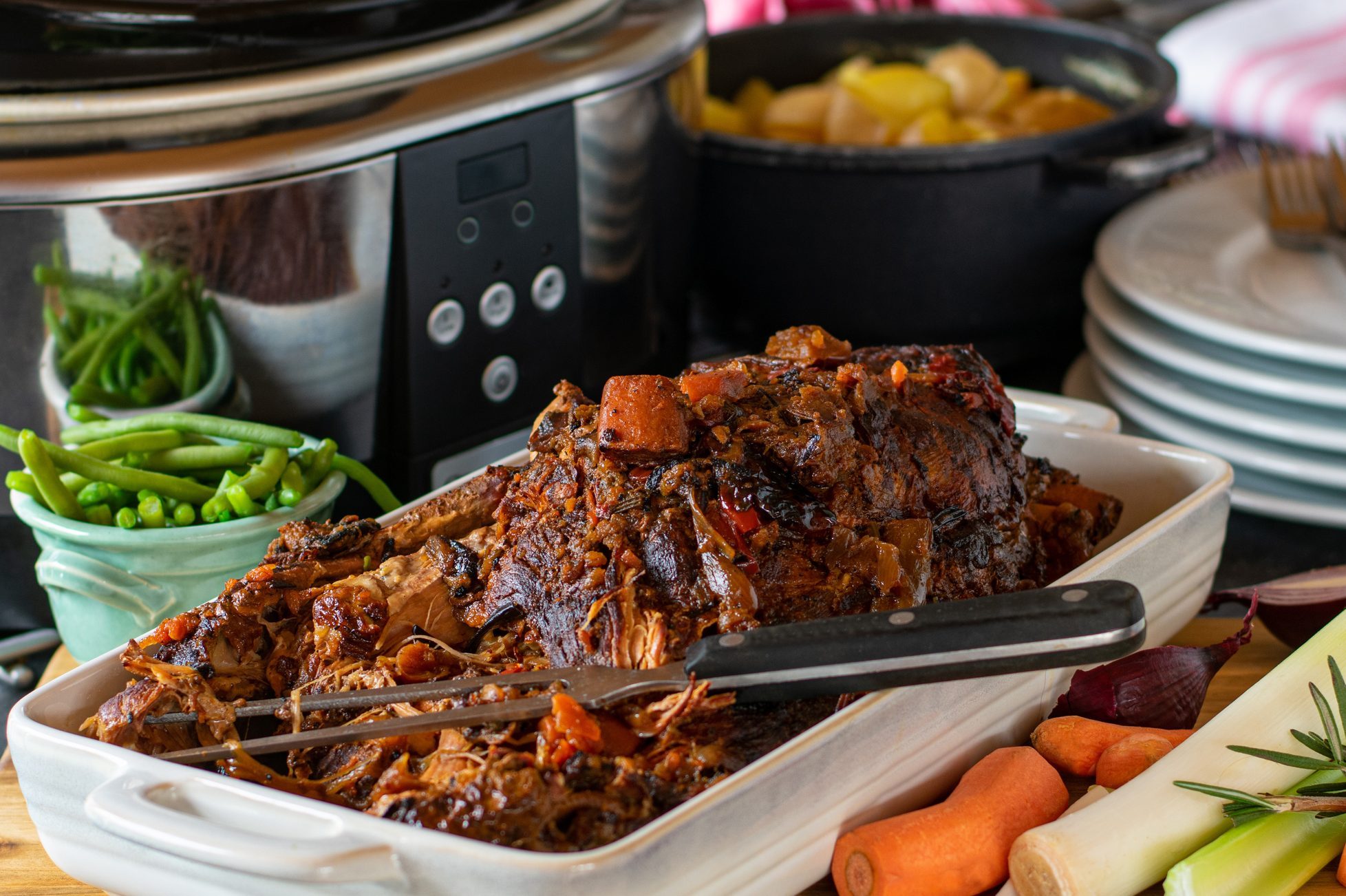
Credit: www.tasteofhome.com
Cleaning Techniques
Keeping your slow cooker clean is important for safety and taste. Dirt and food leftovers can cause bad smells and affect cooking.
Use simple cleaning methods every day and deeper cleaning when needed. This helps your slow cooker last longer.
Daily Cleaning Routine
After each use, clean your slow cooker to remove food and grease. This stops bacteria and keeps the cooker ready for the next meal.
- Unplug the slow cooker and let it cool down.
- Remove the lid and the crock pot insert carefully.
- Wash the lid and insert with warm, soapy water.
- Use a soft sponge to avoid scratches.
- Dry all parts completely before reassembling.
- Wipe the outer base with a damp cloth only.
Deep Cleaning Methods
Deep cleaning removes tough stains and smells. Do this once a month or if the slow cooker smells bad.
| Cleaning Item | Method | Tips |
|---|---|---|
| Crock Pot Insert | Soak in warm water with baking soda for 30 minutes | Use a soft brush to scrub gently |
| Lid | Wash with vinegar and water mix | Rinse well to avoid vinegar smell |
| Slow Cooker Base | Wipe with cloth dampened with mild soap solution | Avoid water inside electrical parts |
Proper Storage Tips
Storing your slow cooker correctly keeps it in good shape. It also saves space and makes it easy to use next time.
Learn how to store the cooker safely and organize its accessories to keep everything neat and ready.
Storing The Cooker Safely
Always clean the slow cooker before storing it. Make sure it is dry to avoid mold and bad smells. Keep the lid separate or upside down on the pot to save space.
- Wash the pot and lid with warm, soapy water
- Dry all parts completely with a soft cloth
- Store in a cool, dry place away from direct sunlight
- Keep the power cord wrapped loosely to avoid damage
Organizing Accessories
Keep all slow cooker accessories in one place. This makes it easier to find them and prevents loss or damage.
| Accessory | Storage Tip |
| Measuring cups | Store in a small container or drawer |
| Serving spoons | Hang on a kitchen hook or keep in a utensil holder |
| Lid rests | Keep inside the slow cooker or in the same cupboard |
| Cookbook | Place on a bookshelf or kitchen counter stand |
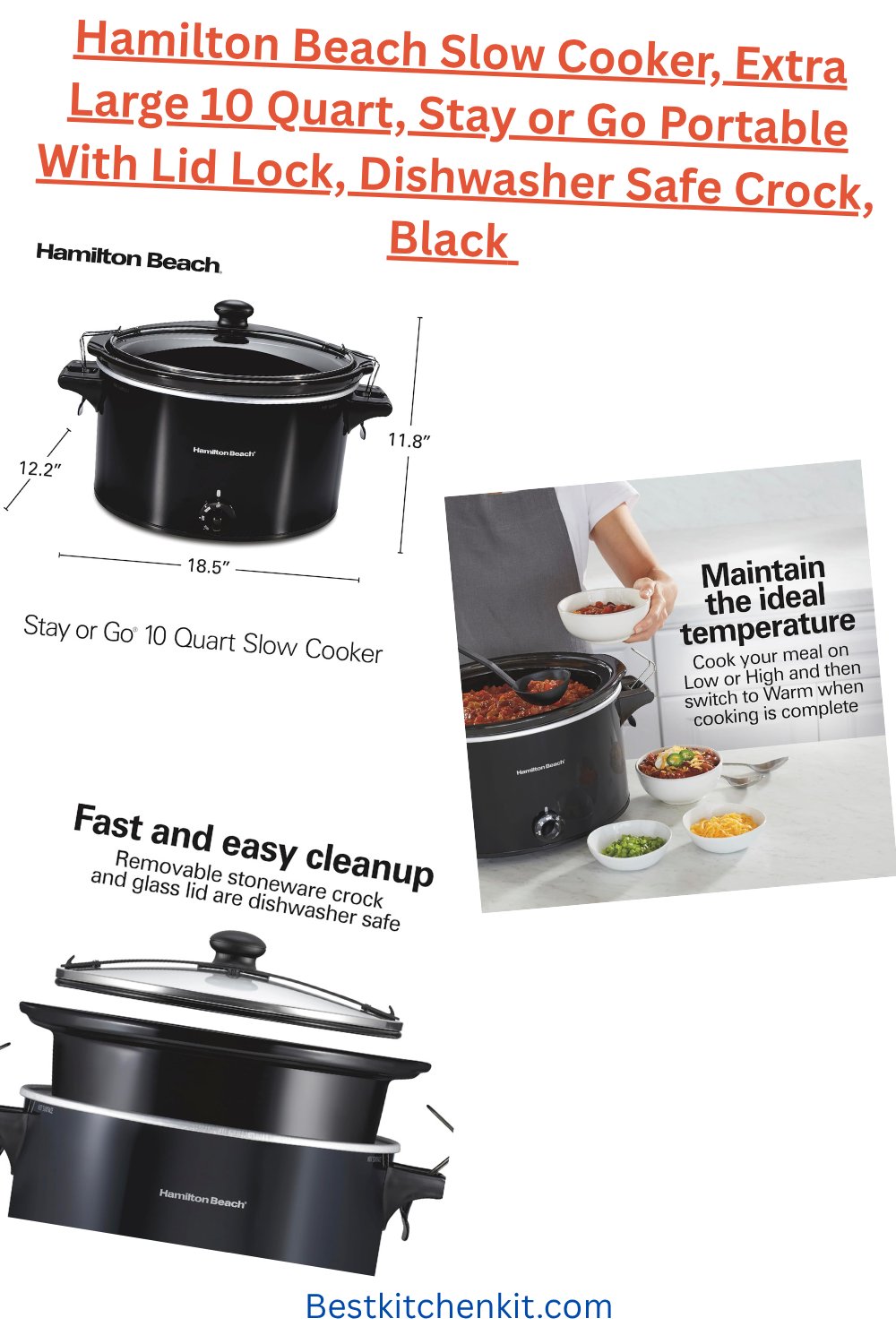
Credit: x.com
Regular Maintenance Practices
Keeping your slow cooker in good condition helps it last longer. Regular care makes sure it works safely and well.
Follow simple maintenance steps to avoid problems and keep your slow cooker cooking perfectly every time.
Inspecting For Damage
Check your slow cooker often for cracks, chips, or broken parts. Look at the lid, pot, and heating base carefully.
- Examine the ceramic pot for cracks or chips.
- Look at the glass lid for any breaks or scratches.
- Inspect the power cord for frayed wires or damage.
- Check the heating base for signs of wear or loose parts.
- Make sure the control knobs and buttons work smoothly.
Replacing Worn Parts
Replace parts that show damage or wear to keep your slow cooker safe and efficient. Use parts made for your model.
| Part | Signs It Needs Replacing | How Often to Check |
| Ceramic Pot | Cracks, chips, or stains | Every 3 months |
| Glass Lid | Cracks or cloudiness | Every 3 months |
| Power Cord | Frays, cuts, or loose connection | Monthly |
| Heating Base | Unusual noises or smells | Every 6 months |
Cooking Tips For Longevity
Maintaining your slow cooker properly helps it last longer. Simple cooking tips keep it working well.
Use the right ingredients and avoid common mistakes to protect your appliance. This guide covers two key tips.
Preventing Overflows
Overflows can cause messes and damage the slow cooker. Follow these tips to stop spills during cooking.
- Do not fill the slow cooker above two-thirds full.
- Use a lid that fits tightly to keep steam inside.
- Check liquid amounts; add less water or broth if needed.
- Stir ingredients gently to prevent bubbling over.
- Use a slow cooker liner to catch minor spills.
Avoiding High Acidity Foods
High acidity foods can wear out the slow cooker’s surface. Avoid these foods or use special care.
| High Acidity Foods | Effect on Slow Cooker |
| Tomatoes | May corrode the pot’s surface over time |
| Citrus fruits (lemons, oranges) | Can damage seals and metal parts |
| Vinegar | May dull the finish and cause rust spots |
| Wine or alcohol | Can break down coatings and seals |

Credit: smartslowcooker.com
Energy Efficiency Tips
Using a slow cooker can save energy compared to traditional ovens. Small changes help reduce power use.
Focus on settings and timing to get the most from your slow cooker. These tips keep meals tasty and energy smart.
Using The Right Settings
Choose settings that match your recipe and cooking time. Low and high settings use different energy amounts.
- Use low setting for longer cooking to save power
- High setting cooks faster but uses more energy
- Warm setting keeps food ready without extra cooking
- Avoid opening the lid often to keep heat inside
- Match settings to recipe instructions for best results
Timing Your Meals
Plan your cooking time to avoid running the slow cooker longer than needed. Proper timing cuts energy use.
| Meal Type | Recommended Cook Time | Setting |
| Stew | 6-8 hours | Low |
| Chicken | 3-4 hours | High |
| Vegetables | 2-3 hours | Low |
| Soups | 4-6 hours | Low |
Troubleshooting Common Issues
Slow cookers make meal prep simple, but sometimes they do not work as expected. Common problems include heating issues or lid problems.
This guide helps you find easy fixes to keep your slow cooker running well. Follow these tips to solve heating and lid troubles.
Fixing Heating Problems
If your slow cooker is not heating, check the power source first. Make sure the outlet works by testing with another device.
- Inspect the power cord for any damage or loose connections.
- Clean the heating base to remove any dirt or food buildup.
- Check if the cooking pot sits properly on the heating element.
- Test with a different slow cooker pot if available.
- Consult the user manual for reset or fuse replacement instructions.
If heating still fails, contact a professional for repair or replacement advice.
Addressing Lid Issues
| Problem | Cause | Solution |
|---|---|---|
| Lid won’t fit properly | Warped or damaged lid | Check for cracks; replace the lid if needed |
| Steam escaping from lid | Lid not sealed well | Make sure lid sits flat and tight |
| Lid rattles during cooking | Loose or missing lid handle | Tighten or replace the handle |
| Condensation drips outside | Lid is tilted or lifted | Keep lid level and avoid lifting too often |
Frequently Asked Questions
How Often Should I Clean My Slow Cooker?
Clean your slow cooker after every use to prevent residue buildup. Use warm, soapy water for the removable parts and wipe the exterior with a damp cloth. Regular cleaning maintains hygiene and ensures your slow cooker works efficiently.
Can I Use Abrasive Cleaners On Slow Cooker Inserts?
Avoid abrasive cleaners as they can damage the slow cooker’s surface. Use gentle dish soap and a soft sponge instead. This preserves the non-stick coating and extends the life of your slow cooker insert.
How Do I Prevent Food From Sticking In A Slow Cooker?
To prevent sticking, lightly grease the slow cooker insert before adding ingredients. Stir occasionally if the recipe allows. Also, avoid cooking on high heat for extended periods to reduce food sticking.
Is It Safe To Leave A Slow Cooker On Overnight?
Yes, slow cookers are designed for long cooking times, including overnight. However, ensure it is placed on a heat-resistant surface and away from flammable materials for safety.
Conclusion
Keeping your slow cooker clean helps it last longer and work better. Wipe the pot and lid after each use to avoid stains. Check the cord and buttons regularly for any damage. Use gentle soap and avoid harsh scrubbing to protect the surface.
Store the slow cooker in a dry place to prevent rust. Small care steps make a big difference in your slow cooker’s life. Enjoy tasty meals with a well-maintained slow cooker every time. Simple habits keep your kitchen tool safe and ready to use.