
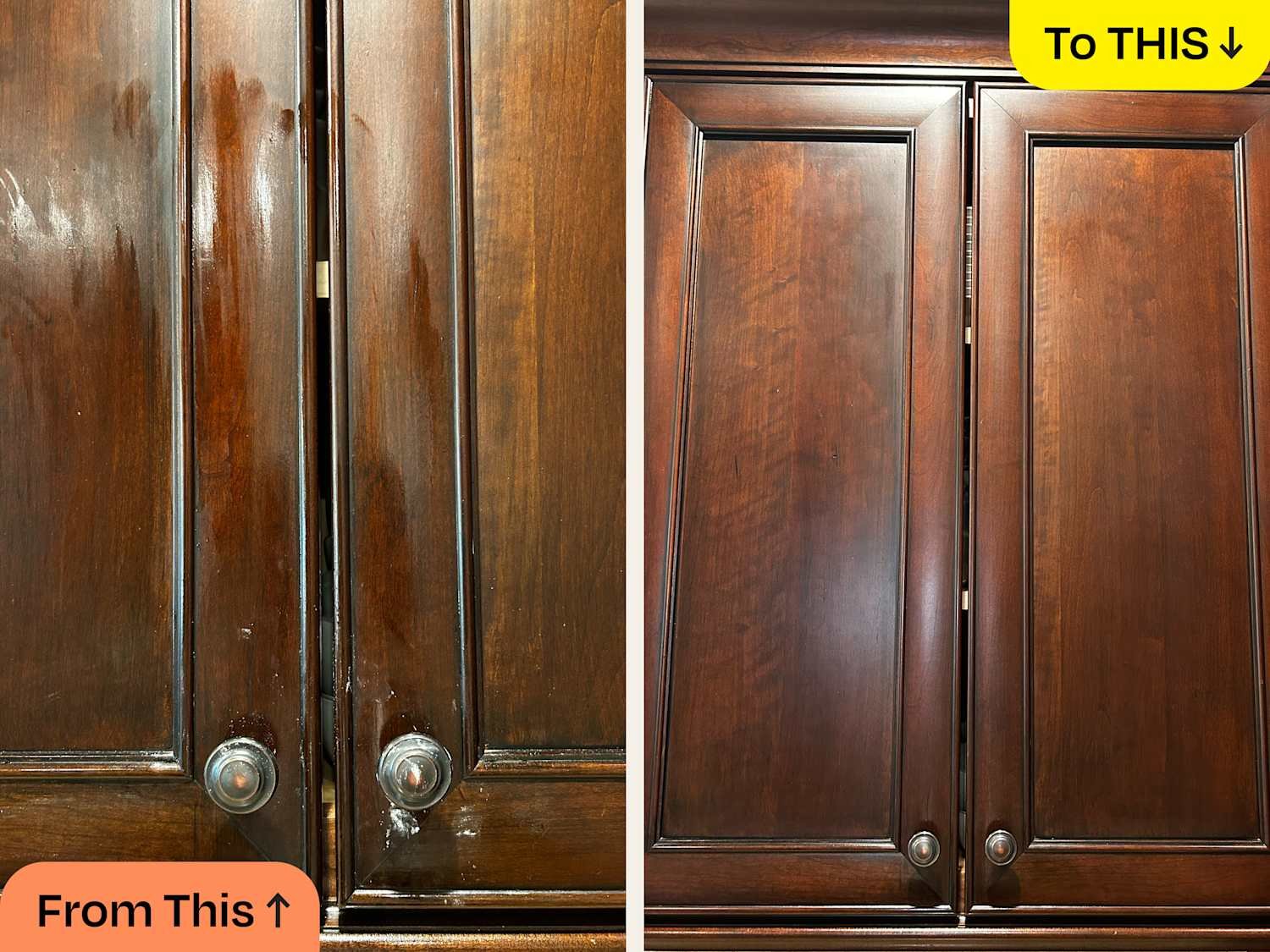
Are your kitchen cabinets covered in stubborn grease that just won’t come off? You’re not alone.
Greasy cabinets can make your whole kitchen look messy, even if everything else is spotless. But don’t worry—you don’t need expensive cleaners or hours of scrubbing to fix this. You’ll discover simple and effective ways to clean your greasy kitchen cabinets quickly.
By the end, your cabinets will look fresh and spotless, making your kitchen a place you’ll love to spend time in. Keep reading to learn the easy steps that anyone can follow!
Gather Necessary Supplies
Cleaning greasy kitchen cabinets is easier when you have the right supplies. You will save time and effort by preparing everything first.
Start by gathering cleaning solutions and tools. This helps you work quickly and clean well.
Cleaning Solutions
Use gentle cleaning solutions to remove grease without harming your cabinets. Avoid harsh chemicals that can damage the finish.
Common homemade cleaners work well and are safe. You can mix simple ingredients found at home.
- Warm water with mild dish soap
- White vinegar diluted with water
- Baking soda paste for tough spots
- Commercial kitchen degreaser (optional)
Tools And Materials
Having the right tools helps you clean cabinets effectively. Soft tools protect the cabinet surface from scratches.
Gather these items before you start cleaning for a smooth process.
- Soft microfiber cloths
- Non-abrasive sponge
- Spray bottle for cleaning solutions
- Bucket for warm water
- Old toothbrush for corners
- Dry towels to wipe cabinets dry
Preparation Steps
Cleaning greasy kitchen cabinets starts with good preparation. Taking time to prepare helps protect your kitchen and makes cleaning easier.
Follow these steps to clear the area and protect surfaces before you begin cleaning.
Clear The Area
Remove all items from the cabinets and countertops. This clears space and prevents damage to your belongings.
- Take out dishes, glasses, and food containers.
- Move small appliances away from the cabinets.
- Clear countertops near the cabinets.
- Set items on a clean surface or table.
Protect Surrounding Surfaces
Protect walls, floors, and countertops from cleaning solutions and drips.
| Surface | Protection Method |
|---|---|
| Floor | Place old towels or plastic sheets |
| Countertops | Cover with newspaper or cloth |
| Walls | Use painter’s tape and plastic wrap |
Homemade Cleaning Solutions
Cleaning greasy kitchen cabinets can be simple with the right homemade solutions. These natural mixtures remove grime without harsh chemicals.
Below are two easy and effective recipes you can make at home. They help keep your cabinets clean and fresh.
Vinegar And Water Mix
This mix uses vinegar’s natural grease-cutting power. It is safe for most cabinet surfaces and easy to prepare.
- Mix equal parts white vinegar and warm water in a spray bottle.
- Spray the solution on greasy areas of the cabinets.
- Let it sit for 5 minutes to break down the grease.
- Wipe clean with a soft cloth or sponge.
- Dry the cabinets with a clean towel to prevent streaks.
Baking Soda Paste
Baking soda is a gentle abrasive that removes tough grease. It works well on stubborn spots without scratching.
| Ingredient | Amount |
|---|---|
| Baking Soda | 3 tablespoons |
| Water | 1 tablespoon |
Mix these ingredients to form a thick paste. Apply it on greasy areas and gently scrub with a sponge. Rinse with a damp cloth and dry.
:max_bytes(150000):strip_icc()/SPR-how-pro-cleaners-clean-a-sink-11781060-6d7babfdf0074ca79564864a6c7325dd.jpg)
Credit: www.thespruce.com
Commercial Cleaners
Greasy kitchen cabinets need strong cleaning products to remove oil and dirt. Commercial cleaners offer powerful solutions for tough kitchen messes.
Using the right commercial cleaner can make your cabinets look fresh and clean without damage.
Selecting The Right Product
Choose commercial cleaners that are safe for kitchen surfaces. Look for products that remove grease but do not harm paint or wood finishes.
- Check if the cleaner is labeled safe for wood or laminate.
- Pick a degreaser designed for kitchen use.
- Avoid harsh chemicals like bleach or ammonia.
- Test the cleaner on a small hidden area first.
- Consider eco-friendly options for safer ingredients.
Safety Considerations
| Safety Tip | Description |
| Wear Gloves | Protect skin from irritation and chemicals. |
| Ventilate Area | Open windows or use fans to avoid fumes. |
| Read Labels | Follow instructions and warnings on the product. |
| Keep Away from Children | Store cleaners out of reach to prevent accidents. |
| Use Proper Tools | Use soft cloths or sponges to avoid damage. |
Cleaning Process
Greasy kitchen cabinets can make your kitchen look dirty and dull. Cleaning them regularly keeps your space fresh and neat.
This guide explains the best way to clean greasy cabinets with simple steps.
Applying The Solution
Start by mixing a cleaning solution of warm water and mild dish soap. Use a soft cloth or sponge to apply the solution to your cabinets. Avoid harsh chemicals that can damage the surface.
- Mix 1 cup of warm water with a few drops of dish soap.
- Dip a soft cloth or sponge into the solution.
- Wring out excess liquid to avoid soaking the wood.
- Gently wipe the cabinet surfaces with the damp cloth.
Scrubbing Techniques
Use gentle scrubbing to remove grease without scratching. A soft-bristle brush works well for corners and edges. Avoid steel wool or abrasive pads.
- Apply the cleaning solution to the greasy areas.
- Use a soft sponge or cloth for flat surfaces.
- Scrub lightly with a soft brush on crevices.
- Wipe off loosened grease with a clean cloth.
- Repeat if grease remains stubborn.
Rinsing And Drying
Rinsing removes leftover soap and dirt. Use a clean damp cloth to wipe the cabinets. Drying quickly prevents water damage and streaks.
| Rinsing Tips | Drying Tips |
|---|---|
| Use a cloth dampened with plain water | Dry with a soft, dry towel immediately |
| Wipe all cleaned surfaces carefully | Avoid leaving water on wood surfaces |
| Check corners and handles for residue | Open cabinet doors to air dry if possible |
Handling Stubborn Grease
Greasy kitchen cabinets can be hard to clean. Stubborn grease needs special care to remove it safely.
Using the right products and methods helps keep your cabinets looking fresh without damage.
Using Mineral Spirits
Mineral spirits are strong solvents that dissolve tough grease well. Use them carefully to protect your cabinet finish.
- Test a small hidden area first to check for damage.
- Apply a small amount on a soft cloth, not directly on wood.
- Gently rub the greasy spot until the grease loosens.
- Wipe the area with a clean damp cloth to remove residue.
- Let the cabinet dry fully before touching or applying polish.
Alternative Methods
If you prefer gentler options, try these alternative methods. They use common household items and work well on light to medium grease.
| Method | How to Use | Notes |
|---|---|---|
| Baking Soda Paste | Mix baking soda with water into a paste. Apply and scrub gently. | Good for mild grease. Avoid on delicate finishes. |
| Vinegar Solution | Mix equal parts vinegar and water. Spray and wipe clean. | Effective and natural. Test first on wood. |
| Dish Soap and Warm Water | Use mild dish soap with warm water. Wipe grease with cloth. | Safe for most finishes. Repeat as needed. |
| Commercial Degreaser | Follow product instructions carefully for safe use. | Check for wood-safe label before applying. |
Maintaining Clean Cabinets
Keeping kitchen cabinets clean helps them last longer. Grease and dirt can build up fast in busy kitchens.
Regular care stops grease from becoming hard to remove. It also keeps your kitchen looking fresh and tidy.
Regular Cleaning Routine
Clean your cabinets often to avoid grease buildup. Use mild soap and warm water for best results.
- Wipe cabinets with a soft cloth dampened with soapy water.
- Rinse the cloth and wipe again to remove soap residue.
- Dry the cabinets fully with a clean towel to prevent water damage.
- Use a gentle cleaner for tough spots, but avoid harsh chemicals.
- Clean handles and edges where grease collects most.
Preventive Measures
Prevent grease from sticking by following simple habits. These steps reduce cleaning time and protect cabinet surfaces.
| Preventive Action | Why It Helps |
|---|---|
| Use exhaust fans while cooking | Removes grease particles from the air |
| Wipe spills immediately | Stops grease from settling on surfaces |
| Keep cabinet doors closed | Limits exposure to kitchen smoke and steam |
| Apply cabinet-safe protective spray | Makes cleaning easier and protects finish |

Credit: currently.att.yahoo.com
Tips For Different Materials
Greasy kitchen cabinets need regular cleaning to keep them looking fresh. Different materials need different care to avoid damage.
Use the right cleaning methods for your cabinet type. This will help keep them clean without wearing out the surface.
Wood Cabinets
Wood cabinets need gentle cleaning to protect their finish. Avoid harsh chemicals that can strip the wood’s surface.
- Use a soft cloth dampened with warm water and mild soap.
- Wipe gently to remove grease without scratching.
- Dry the wood immediately with a clean towel.
- Apply wood polish or oil occasionally to restore shine.
- Do not soak wood with water to prevent warping.
Laminate And Metal Surfaces
Laminate and metal cabinets can handle stronger cleaners but still need care to avoid damage. Avoid abrasive scrubbers that cause scratches.
| Material | Cleaning Tip | Cleaning Product |
| Laminate | Wipe with mild soap and water | Dish soap, vinegar solution |
| Metal | Use non-abrasive cleaner and soft cloth | Stainless steel cleaner, mild detergent |
| Both | Dry completely to avoid water spots | Soft towels |

Credit: currently.att.yahoo.com
Frequently Asked Questions
What’s The Best Homemade Cleaner For Greasy Cabinets?
A mixture of warm water, dish soap, and vinegar works well. It cuts grease effectively without damaging surfaces. Use a soft cloth to apply and rinse with clean water. This solution is eco-friendly and safe for most cabinet finishes.
How Often Should I Clean Greasy Kitchen Cabinets?
Clean your cabinets every two weeks to prevent grease build-up. Frequent cleaning keeps cabinets looking fresh and extends their lifespan. Wipe spills immediately to avoid tough stains. Regular maintenance reduces deep cleaning time and effort.
Can I Use Baking Soda To Clean Kitchen Cabinets?
Yes, baking soda is a gentle abrasive that removes grease and stains. Make a paste with water, apply it, then scrub lightly. Rinse well to avoid residue. It’s a safe, natural option for most cabinet types.
Should I Avoid Harsh Chemicals On Kitchen Cabinets?
Avoid harsh chemicals as they can damage finishes and discolor surfaces. Use mild cleaners or natural solutions instead. Harsh chemicals might strip paint or varnish, leading to costly repairs. Always test a cleaner on a small area first.
Conclusion
Cleaning greasy kitchen cabinets does not have to be hard. Use gentle cleaners and soft cloths for best results. Regular cleaning stops grease from building up. Always dry cabinets well after washing. Small efforts keep your kitchen fresh and bright.
Clean cabinets make cooking more enjoyable. A little care goes a long way. Start today, and enjoy a cleaner kitchen tomorrow.